
Thou Shalt Not Sample: The Lawsuit That Changed Golden Age Hip-Hop Forever
In 1991, a federal judge quoted the Bible and tried to break hip-hop’s most powerful tool. Here’s how the sampling wars forged the golden age sound.
In 1991, a federal judge quoted the Bible and tried to break hip-hop’s most powerful tool. Here’s how the sampling wars forged the golden age sound.
The MCs got the credit. But before the mic, there was the beat — and the producers who built it changed American music forever.

In 1993, nine MCs from Staten Island signed a deal unlike anything the music industry had seen. This is how Wu-Tang Clan turned the Golden Age of hip-hop into an empire that no single label could have built.
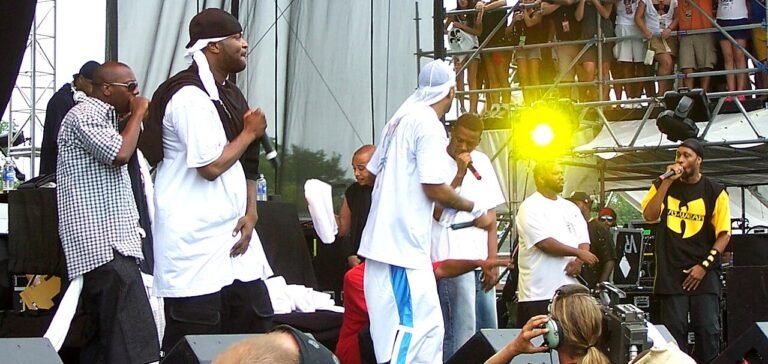
Nine MCs from the forgotten borough. One master plan. How Wu-Tang Clan conquered the Golden Age of hip-hop and built an empire that nobody in the music industry saw coming.
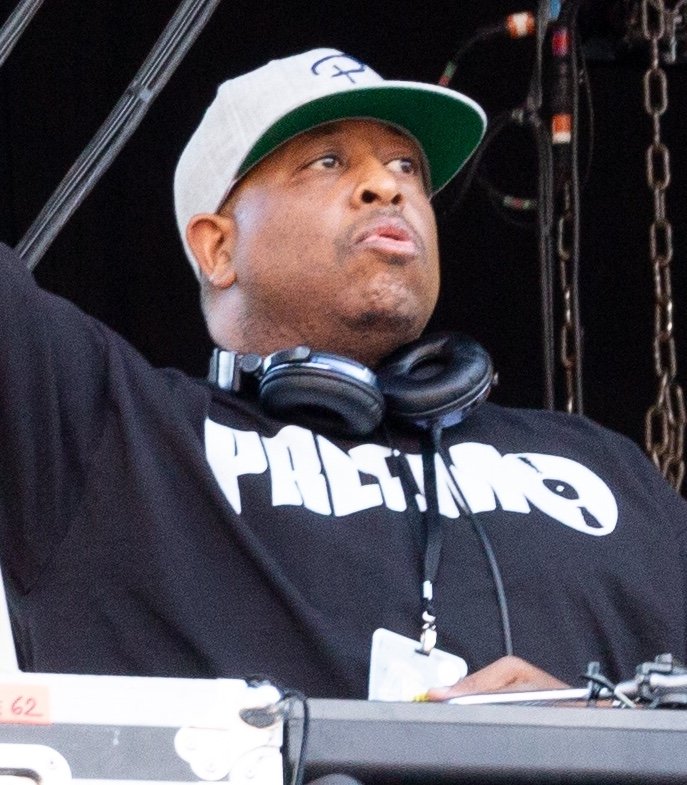
DJ Premier, Pete Rock, RZA, and a handful of other producer-geniuses quietly assembled the sonic blueprint for the greatest decade in rap history. Here’s how they did it.

In the Golden Age of hip-hop (1990–1999), the rap album stopped being a bag of singles and became a start-to-finish work of art — from Illmatic to 36 Chambers.

Illmatic, Ready to Die, and a run of debut albums that no year has topped since. Here’s why 1994 stands as the peak of Golden Age hip-hop.

The Golden Age of hip-hop wasn’t just about the rappers. It was built by producers hunched over dusty vinyl and cheap drum machines, chopping soul records into the boom bap sound that still rules headphones today.
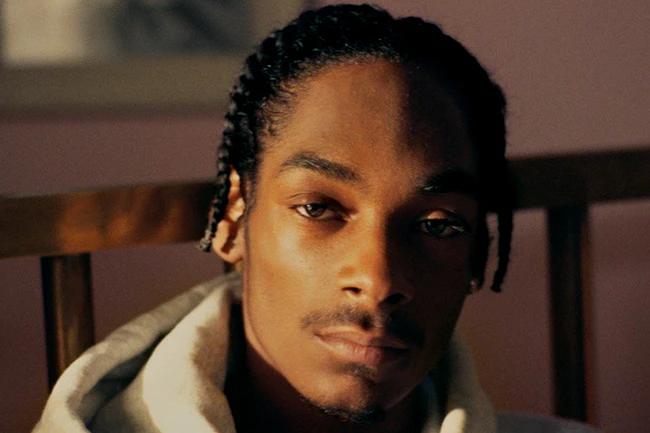
How a run of landmark debuts — The Chronic, Illmatic, Ready to Die, Doggystyle — turned 1990s rap into the Golden Age of hip-hop, one classic at a time.
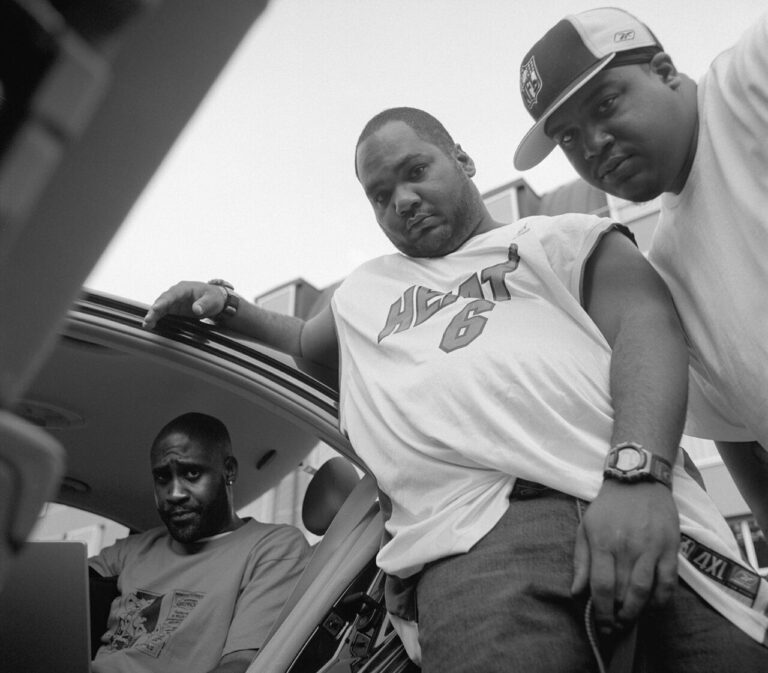
The Golden Age of hip-hop (1990–1999) wasn’t built by lone geniuses — it ran on crews. Inside the collectives, camps, and clans that turned the decade into rap’s greatest era.

In a single year, Nas, Biggie, and OutKast turned the Golden Age of hip-hop into something permanent. Here’s why 1994 still stands as rap’s greatest twelve months.

New York, Los Angeles, and Atlanta each built a sound of their own — and the friction between them made the 90s the golden age of hip-hop.