The Muppet Show: 9 Reasons Jim Henson’s Legacy Still Rules
The Muppet Show was never just a kids’ program. It was a brilliantly weird variety show where vaudeville, backstage chaos, celebrity cameos, slapstick, music, and Jim Henson’s gentle anarchy all collided in one half hour of television magic. If you grew up hearing that theme song and waiting for Statler and Waldorf to start roasting everyone from the balcony, you already know this show hit a different nerve than ordinary family TV.
What made The Muppet Show special was how confidently it played to adults and kids at the same time. Children laughed at the mayhem. Grown-ups caught the showbiz jokes, the deadpan timing, and the fact that Kermit the Frog was basically the most stressed middle manager in entertainment history. That balancing act is a huge part of Jim Henson’s legacy, and it’s why the series still feels alive nearly fifty years later.
The Muppet Show Turned TV Chaos Into an Art Form
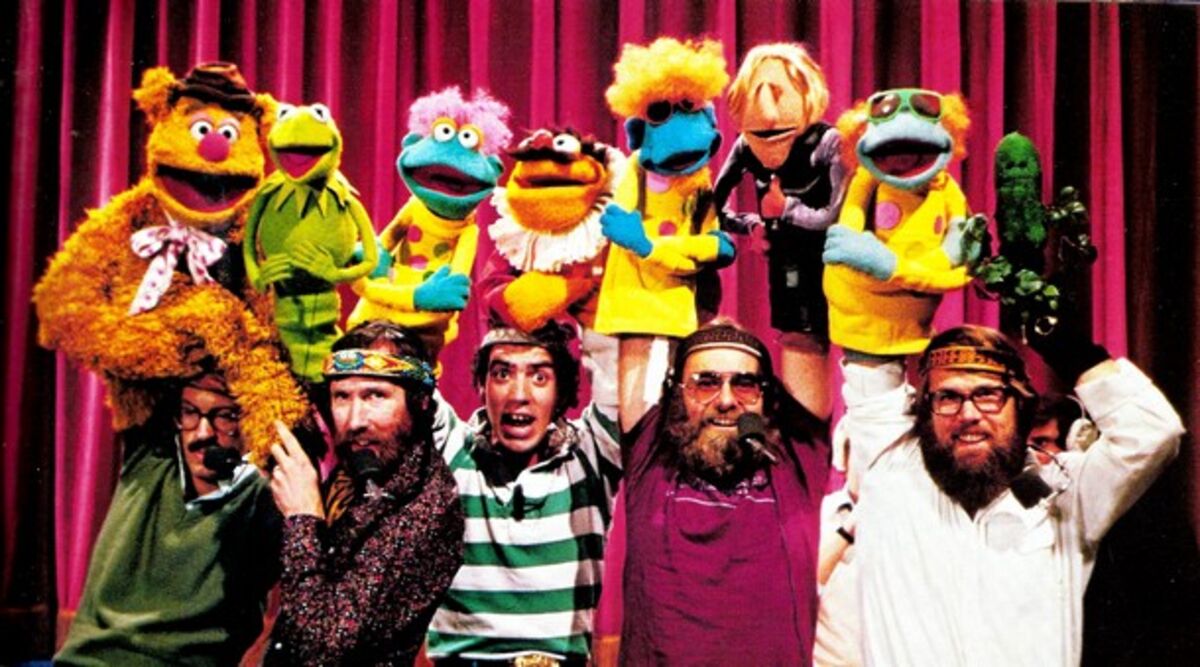
The genius of The Muppet Show was simple to describe and impossible to copy. On paper, it looked like an old-school variety hour: opening number, comedy bits, music, backstage drama, big guest star, curtain call. On screen, it felt like a controlled explosion. Kermit tried to keep the whole thing together while Gonzo set off cannons, Fozzie bombed onstage with total confidence, Miss Piggy karate-chopped her way into scenes she did not belong in, and the house band somehow kept playing through all of it.
That format mattered. Variety shows were already a familiar part of TV culture in the 1970s, but Henson and his team gave the format a shot of weird electricity. Instead of clean polish, the show embraced disaster. The backstage segments were just as funny as the formal sketches. Half the joy came from watching everything almost fall apart. Gen X kids probably didn’t have the vocabulary for it then, but we were watching a show about production anxiety, artistic ambition, fragile egos, and comic timing, all filtered through frogs, pigs, bears, and whatever exactly Gonzo was supposed to be.
It also moved fast. There was no heavy setup, no long lecture, no sentimental over-explaining. One minute you had a musical number, the next you had Pigs in Space, then Swedish Chef nonsense, then a guest star gamely singing with monsters. It rewarded attention and rewatches. The jokes flew on multiple levels, which is one reason the show aged better than a lot of family entertainment from the same era.
Jim Henson Wanted More Than a Children’s Show
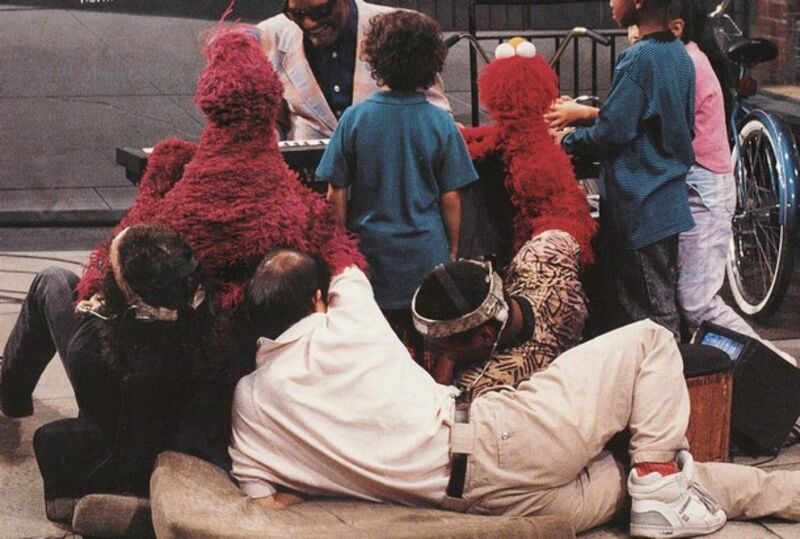
If you only knew Jim Henson through Sesame Street, it might be easy to assume he was building strictly for children. He wasn’t. Henson absolutely understood kids, but he also wanted to prove that puppets could carry satire, musical performance, awkward romance, backstage frustration, and grown-up comedy. Britannica notes that after finding huge success with Sesame Street, Henson still wanted to show that the Muppets appealed to adults too, which helps explain why The Muppet Show feels so much broader than educational TV.
That ambition is part of his legacy. Henson didn’t treat puppetry as a niche or novelty act. He treated it like a real performance medium that could do anything live-action comedy could do, and in some cases do it better. Because the Muppets were stylized, elastic, and openly artificial, they could become more emotionally expressive, not less. Kermit’s exasperation always felt real. Miss Piggy’s ego was hilarious because it was somehow both absurd and believable. Statler and Waldorf were every grumpy older guy in the cheap seats, turned into pure comedy essence.
NPR’s 2024 coverage of Jim Henson: Idea Man also underlined how innovative Henson was on a technical level. His softer, more flexible puppet construction let characters react in close-up in a way older television puppets often could not. That’s easy to overlook now because the Muppet style became so influential, but at the time it changed what TV puppetry looked like. The medium suddenly felt cinematic, expressive, and intimate.
Why The Muppet Show Felt So Big in the 70s and 80s
Part of the thrill was scale. The Muppet Show didn’t feel cheap, tiny, or disposable. It had a theater, a recurring cast, original songs, polished production, and guest stars who seemed genuinely excited to be there. When you were a kid, it felt like entry into a grown-up entertainment world, except the grown-up world had chickens, explosions, and a pig in opera gloves.
The series premiered in 1976 and ran for five seasons, totaling 120 episodes. That’s a real run, not a cult flash in the pan. The guest list helped turn it into an event machine. Steve Martin, Carol Burnett, Gene Kelly, and Gladys Knight were only a few of the names who stepped into the madness. That gave the show a kind of built-in prestige while still making room for total nonsense. If your parents watched because they liked the celebrity guest, they stayed because the material was actually funny.
There’s also something very Gen X about the rhythm of the show. It assumed kids could keep up. It didn’t flatten itself into pure sweetness. The jokes had bite. The personalities clashed. The performers sometimes looked tired, frustrated, vain, or jealous, which sounds strange for a puppet show until you remember how appealing all that was. These characters felt like a tiny dysfunctional troupe trying to get through another night. That made them lovable.
The Characters Were Built Like Comedy Archetypes
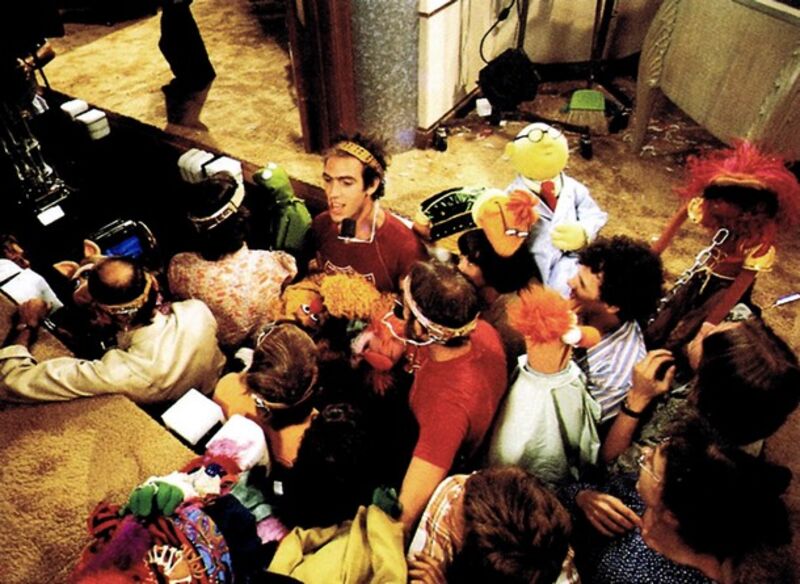
The show’s staying power comes down to character design as much as writing. Kermit was the anxious producer. Miss Piggy was vanity, romance, rage, and glamour in one package. Fozzie was the eternal try-hard. Gonzo was chaos without self-doubt. Animal was raw id. Statler and Waldorf were heckling elevated into an art form. Swedish Chef was pure phonetic nonsense somehow translated into universally understood comedy.
That’s why even people who haven’t watched a full episode in years still remember the feeling of the characters instantly. They were exaggerated, but they were specific. Every Muppet had a comic engine. You knew what kind of scene energy they would bring the second they appeared. That’s world-building. It’s one reason the franchise fed so naturally into films, records, books, toys, and later TV revivals.
And unlike a lot of ensemble shows, The Muppet Show knew how to rotate attention. No one character had to carry everything. You could love Miss Piggy and still wait all week for the balcony critics. You could roll your eyes at Fozzie’s act and still laugh because the show understood he was bombing. It made room for contradictions, and that made the ensemble feel deeper than the average family series.
The Guest Stars Made the Show Feel Legit
One of the smartest things Henson did was treat celebrity guests as real collaborators instead of stunt casting. The guests weren’t just there to smile politely and cash a check. They had to sing, dance, get weird, and look comfortable next to felt monsters. The best ones threw themselves into the bit completely. That gave the series a constant feeling of surprise.
For viewers, that meant The Muppet Show worked like a gateway. Kids encountered adult performers they might not otherwise have cared about. Adults got to see famous entertainers loosen up in a way they couldn’t on more formal talk or variety programs. There was something democratic about it. A legendary singer or actor entered the Muppet Theater and instantly became part of the circus.
The guest format also reinforced the show’s old-showbiz DNA. This wasn’t just a children’s puppet series. It was a loving remix of vaudeville, musical theater, sketch comedy, and television variety. That matters when talking about Jim Henson’s legacy. He wasn’t just inventing cute characters. He was preserving entertainment forms that could have felt dusty and making them weirdly timeless.
The Balcony Guys Were Basically the Internet Before the Internet
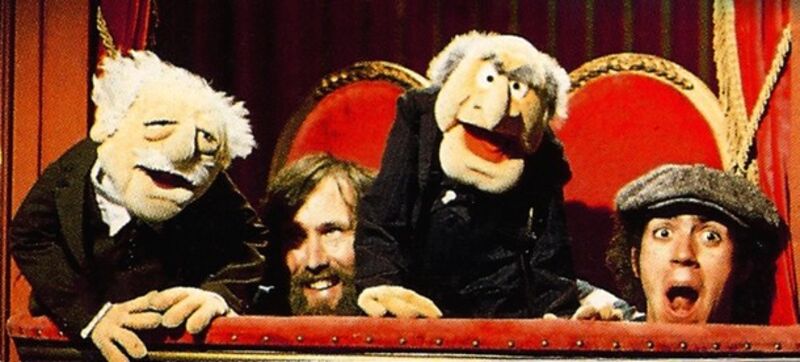
Let’s be honest, Statler and Waldorf might be the most prophetic characters on the entire show. Two older guys sitting above the action, offering instant criticism, running commentary, and savage one-liners? That’s half the internet now. They were live-tweeting decades before anyone had a phone in their hand.
What made them great was that they were never just negative. Their insults were structured like old Borscht Belt punchlines. They had timing. They had chemistry. They sounded like men who had been doing this to each other and everyone around them for about fifty years. Every kid knew old guys like that, whether it was a grandfather, a neighbor, or some regular at a diner who always had one devastating line ready.
They also gave the show a self-aware edge. The Muppet Show wasn’t afraid to joke about its own bad acts, flops, and chaos. Statler and Waldorf turned criticism into part of the entertainment. Instead of defending itself from failure, the show absorbed failure and made it funnier. That’s a huge lesson for comedy, and honestly for life.
Why Jim Henson’s Legacy Goes Beyond Nostalgia
It’s easy to flatten Henson into a cozy nostalgia figure, but that undersells him badly. Yes, his work is warm. Yes, it reminds a lot of us of childhood. But Henson’s real legacy is creative range. He helped redefine television puppetry, built one of the strongest character libraries in modern entertainment, and kept pushing into new visual territory with projects like The Dark Crystal, Labyrinth, and later the Creature Shop’s effects work.
The Muppet Show sits near the center of that legacy because it proved the Muppets could thrive outside a specifically educational setting. It showed Henson’s instincts about tone were exactly right. Puppets could be sophisticated without becoming cold. They could be surreal without becoming alienating. They could be sentimental without drowning in sugar.
You can see the ripple effects everywhere. Kids’ television learned that adults in the room mattered too. Sketch comedy learned that recurring bits could build an entire comic ecosystem. Puppeteers and character designers borrowed the Muppet emphasis on softness, eye focus, and emotional readability. Even today’s genre mashups owe something to a show that thought nothing of combining slapstick, music, celebrity glamour, backstage farce, and talking vegetables in the same episode.
The Muppet Show Still Works Because It Respects the Audience
A lot of retro television survives as trivia. You remember the logo, maybe the theme song, maybe one catchphrase, and that’s it. The Muppet Show survives because the actual episodes still work. The pacing is strong, the characters are cleanly defined, the performances hold up, and the sense of comic commitment is still there. Nobody on that show is half-trying.
It also respects the audience in a way that feels refreshing now. It doesn’t stop every few seconds to explain the joke. It doesn’t flatten the weirdness. It trusts that viewers can handle a little chaos, a little melancholy, a little theatricality, and a lot of silliness all at once. That’s a stronger creative philosophy than a lot of modern family programming manages.
And maybe that’s the real secret. Henson believed imagination wasn’t just for children. He believed absurdity and tenderness could share the same frame. He believed a frog in a collar could carry the emotional weight of a stressed producer, a romantic lead, and a straight man all at once. That’s not a small accomplishment. That’s a worldview.
Why Gen X Keeps Coming Back to It
For Gen X, The Muppet Show hits a sweet spot that few other old programs can reach. It’s tied to childhood, but it doesn’t feel childish. Rewatching it now is like finding out the thing you loved at eight also has better jokes than half the stuff made for adults. That’s a pretty satisfying discovery.
It also reconnects you with a pre-digital entertainment culture that felt tactile and handmade. You can feel the fabric, foam, timing, and craft in every frame. Nothing about it feels mass-generated. It feels performed. In a world built on algorithmic sameness, that texture matters even more.
If you already love Henson’s broader world, you can jump from here to our look back at Fraggle Rock and see how his imagination kept evolving. If you’re in the mood for another TV time capsule, ALF’s strange reign over 80s prime time makes a fun companion piece. And if you want a reminder of how weird TV could get when networks actually took swings, Twin Peaks arriving in 1990 is another beautiful curveball from a later era.
Bottom line, The Muppet Show wasn’t a side note. It was one of the great crossover achievements in television, and Jim Henson’s legacy keeps growing because the work itself still earns it. You can keep your slick reboot era. Give us the old theater, the backstage panic, the balcony hecklers, and Kermit trying to hold the whole glorious mess together one more time.
The Theme Song Alone Could Put You in a Better Mood
Some shows need a full episode to pull you back in. The Muppet Show can do it in under a minute. The opening theme is one of those rare TV intros that instantly resets your mood. It’s theatrical, goofy, brassy, and packed with movement. Even if you haven’t seen the show in years, hearing that “It’s time to play the music” line is enough to trigger the whole memory reel.
The intro also does something smart structurally. It introduces the show’s personality before any sketch begins. There’s no confusion about tone. This is a celebration, and it’s also a circus. You’re entering a world where the cast is already in motion, already mid-chaos, already trying to get the show started despite every possible obstacle. That’s an efficient piece of storytelling.
And yes, it absolutely still works as a nostalgia trigger. But that’s not all it is. It also reminds you how good television can be when every part of the production, from music to set design to character entrances, feels handcrafted to create delight instead of just brand recognition.
The Handmade Look Is Part of the Magic
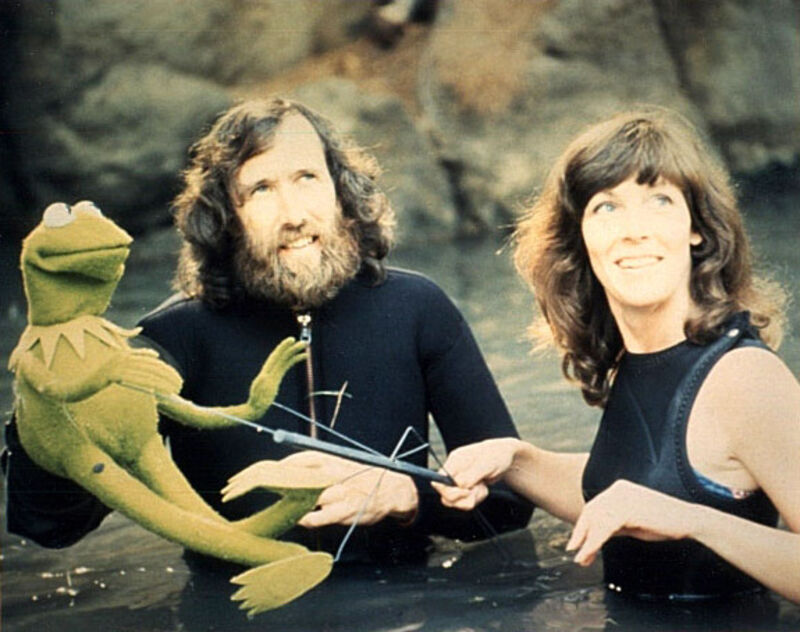
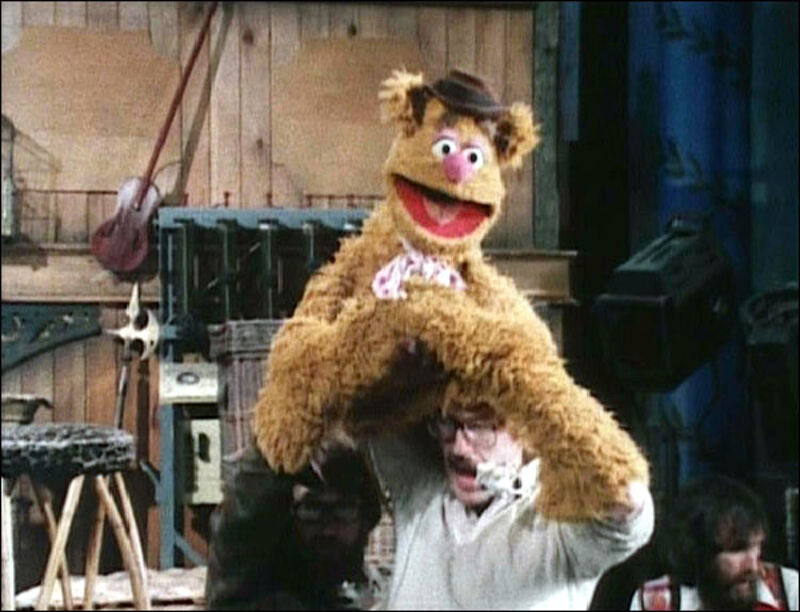
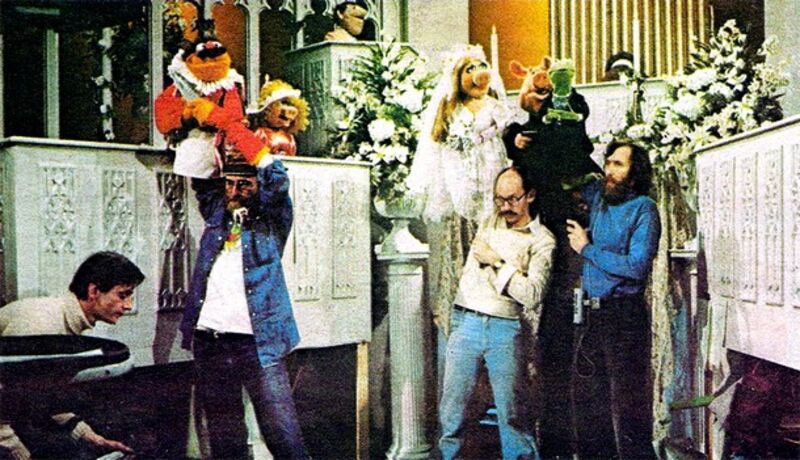
One reason people still respond emotionally to Henson’s work is that it looks built by humans. You can feel the hands behind the performance, the design choices in the faces, the physicality of cloth and foam, the tiny imperfections that make the whole thing breathe. That handmade energy is central to Jim Henson’s legacy.
Modern effects can do astonishing things, but they often chase seamlessness. The Muppets never needed to hide their artifice completely. In a strange way, that made them more believable. Because they weren’t pretending to be realistic, they could focus on being expressive. Their truth came from performance, not illusion.
That’s why the show still feels warm. It doesn’t just remind viewers of childhood. It reminds them of craftsmanship, rehearsal, comic rhythm, and the joy of people making something exuberant together. That’s a huge reason Retro Radical readers keep circling back to this era in the first place.
Sources
- The Muppet Show | Britannica — overview of the series, its run, format, and key guest stars.
- NPR on Jim Henson: Idea Man — discussion of Henson’s innovations in television puppetry and the expressive Muppet style.
- The Muppet Show | Wikipedia — production details, episode count, and original broadcast history.
- Jim Henson | Wikipedia — background on Henson’s career, creative range, and later legacy.