
WikiWikiWeb 1995: How the First Wiki Changed the Internet Forever
WikiWikiWeb changed everything about how humans share knowledge online. On March 25, 1995, a programmer named Ward Cunningham launched the first wiki in history on c2.com, creating a revolutionary new way for people to collaborate and edit content together. This wasn’t just another website — it was the birth of collaborative web publishing that would eventually lead to Wikipedia and transform how we consume and create information on the internet.
The story of WikiWikiWeb is more than just tech history. It’s the tale of how one programmer’s Hawaiian vacation inspired a tool that reshaped human knowledge sharing, spawned a billion-dollar encyclopedia, and changed how we think about collective intelligence. This is how the collaborative web was born in the garage-based internet culture of the mid-90s.
The Hawaiian Airport That Inspired a Revolution
Ward Cunningham was on his way back from a vacation in Hawaii when he first heard the word “wiki.” At Honolulu International Airport, an employee told him to take the “wiki wiki” shuttle bus between terminals. In Hawaiian, “wiki” means “quick” — and that stuck with Cunningham as he developed what would become the first user-editable website in history.
The year was 1995, and the World Wide Web was barely four years old. Most websites were static brochures — you read them like digital magazines, but you couldn’t change anything. The idea that ordinary users could edit web content seemed radical, even dangerous. What if people vandalized your site? What if they posted spam or deleted everything? These concerns would prove largely unfounded, but in 1995, they felt very real.
Cunningham was already a pioneer in software development, working as a consultant and experimenting with something called “design patterns” — reusable solutions to common programming problems. He needed a way for programmers to collaboratively document and share these patterns. Traditional websites weren’t enough. He needed something quick and easy to edit. He needed something wiki.
From HyperCard to Hypertext: Building the Foundation
Before WikiWikiWeb existed, Ward Cunningham had already been experimenting with collaborative knowledge systems using Apple’s HyperCard. HyperCard was a groundbreaking program that let users create “stacks” of linked information cards, but it only worked on individual computers. Cunningham wanted something that could work across the internet.
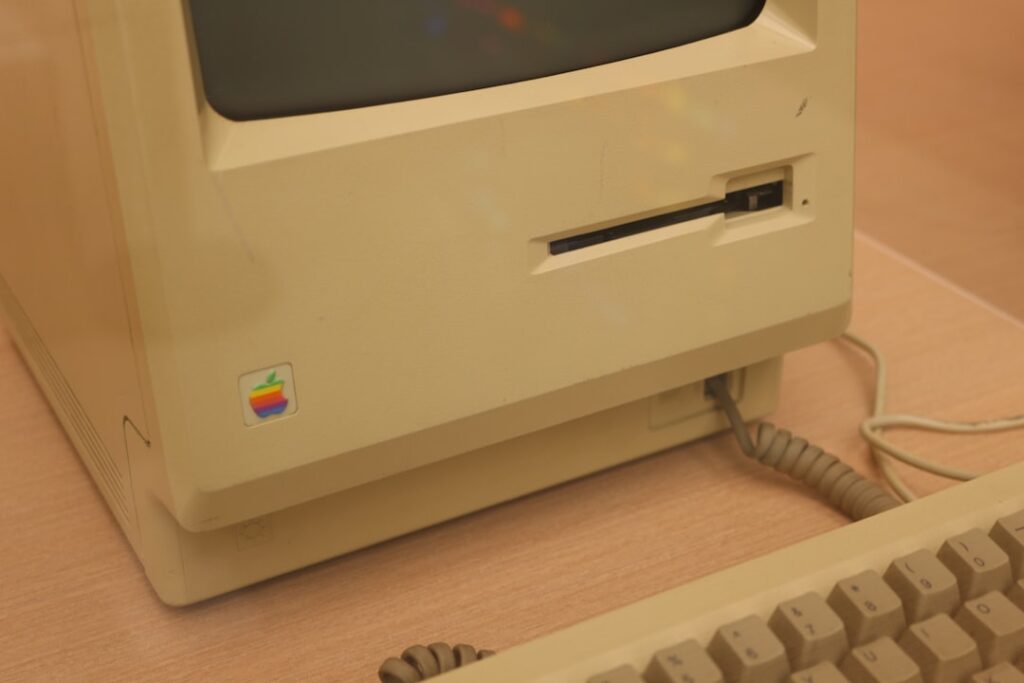
The breakthrough came when he saw Mosaic, the first graphical web browser, in 1994. Suddenly he realized he could take his HyperCard concepts and move them to the World Wide Web. Instead of people gathering around his desk to look at pattern documentation on his computer, programmers anywhere in the world could access and edit the same information together.
The programming was surprisingly simple. Cunningham wrote WikiWikiWeb in Perl, a popular scripting language of the time. The original system was elegant in its minimalism: users could create new pages by simply typing words in CamelCase (like WikiWikiWeb or DesignPatterns), and the system would automatically create links. No HTML knowledge required. No complex publishing tools. Just type, link, and share.
March 25, 1995: The Day Collaboration Changed Forever
On March 25, 1995, Ward Cunningham flipped the switch and made WikiWikiWeb live on c2.com, the domain for his software consulting company, Cunningham & Cunningham. The original purpose was narrow: to create a repository for software design patterns that programmers could easily access and contribute to. What happened next surprised everyone, including Cunningham.

The early internet community in 1995 was much smaller and more tight-knit than today. Word spread quickly through programming newsgroups, mailing lists, and the handful of websites that existed. Programmers started visiting c2.com not just to read about design patterns, but to add their own knowledge and engage in discussions. The wiki format encouraged a kind of collaborative thinking that hadn’t existed before on the web.
What made WikiWikiWeb revolutionary wasn’t just that multiple people could edit the same page — it was the culture that emerged around it. The early wiki community developed informal rules: be bold in editing, assume good faith from other contributors, and focus on improving content rather than claiming ownership. These principles would later become core to Wikipedia and the entire wiki movement.
How WikiWikiWeb Actually Worked
The technology behind the first wiki was elegantly simple, which was part of its genius. Users could create new pages by typing words in CamelCase formatting — like “ExtremeProgramming” or “DesignPatterns.” The software would automatically recognize these as potential page titles and create clickable links. If the page didn’t exist yet, clicking the link would create it.

Editing was as simple as clicking an “Edit” link at the bottom of any page. This opened a basic text box where users could modify content using simple markup conventions. Bold text was created with three single quotes, italics with two. Lists used asterisks. Hyperlinks happened automatically through CamelCase. No complex HTML knowledge required — just simple, intuitive conventions that anyone could learn in minutes.
The real innovation was philosophical as much as technical. Traditional websites had clear boundaries between “authors” and “readers.” WikiWikiWeb dissolved those boundaries completely. Anyone could be both a consumer and creator of content. This democratization of web publishing was genuinely revolutionary in an era when creating a website required technical knowledge and server access that most people didn’t have.
The culture of openness extended to the technology itself. Cunningham never tried to patent wiki software or keep it proprietary. He shared his ideas freely, leading to rapid adoption and iteration. This open approach perfectly matched the collaborative spirit of the early internet, where sharing knowledge was considered more valuable than hoarding it.
The Programming Community That Built a Movement
WikiWikiWeb didn’t grow in isolation. It emerged from the vibrant programming culture of the mid-90s, particularly around object-oriented programming and something called “extreme programming” — an agile software development methodology that emphasized collaboration, rapid iteration, and continuous improvement. These values aligned perfectly with wiki philosophy.

The early contributors to c2.com reads like a who’s who of software development pioneers. Kent Beck, creator of extreme programming, was an active contributor. Martin Fowler, author of influential books on programming, participated in discussions. These weren’t just random internet users — they were thought leaders in software development, using the wiki to collaboratively refine and document emerging programming practices.
This high-caliber community helped establish the social norms that would define wiki culture. They demonstrated that open editing didn’t lead to chaos, but to higher-quality content through collective intelligence. When multiple experts could refine and improve each other’s work, the result was often better than what any individual could produce alone.
The programming focus also meant that early wiki content had immediate practical value. People weren’t just experimenting with collaborative editing for its own sake — they were solving real problems and sharing solutions that made their professional lives better. This practical foundation helped wiki culture develop beyond mere novelty into a genuinely useful knowledge-sharing platform.
From Design Patterns to Wikipedia: The Wiki Explosion
The success of WikiWikiWeb inspired programmers around the world to create their own wiki software and communities. Ward Cunningham had shared his basic approach freely, but the Perl code for the original WikiWikiWeb wasn’t initially released as open source. This led to a explosion of independent wiki implementations throughout the late 1990s.
Some wikis focused on specific programming languages or technologies. Others expanded into broader topics like science, literature, or pop culture. Each community developed its own culture and editing conventions, but they all traced their DNA back to Cunningham’s original vision of quick, collaborative editing.
The most famous wiki descendant arrived in 2001: Wikipedia. Jimmy Wales and Larry Sanger adapted wiki technology to create a collaborative encyclopedia, applying Cunningham’s principles to the much broader goal of organizing all human knowledge. Wales has frequently acknowledged WikiWikiWeb as the direct inspiration for Wikipedia, calling Cunningham “the inventor of the wiki.”
This explosion of wiki adoption validated Cunningham’s original insight that people wanted to collaborate on knowledge creation, not just consume information passively. The same technological optimism that drove 90s innovations like pagers and early internet communities was perfectly expressed in the wiki concept: technology should make collaboration easier, not harder.
The Social Revolution Hidden in Simple Software
What made WikiWikiWeb truly revolutionary wasn’t the technology — it was the social innovation it enabled. For the first time in history, strangers could collaboratively edit the same document without complex version control or formal permission structures. This seems obvious now, but in 1995 it felt like magic.
The traditional model for collaborative writing involved passing documents back and forth, merging changes manually, and dealing with version conflicts. Wiki technology eliminated those friction points entirely. Multiple people could edit the same page simultaneously, with the software automatically handling conflicts and maintaining a complete edit history.
Even more importantly, wikis operated on a principle of “soft security” — they were open by default, but maintained quality through community self-policing rather than restrictive permissions. This approach seemed dangerously naive to many traditional website operators, but it worked because it attracted people who genuinely wanted to contribute rather than disrupt.
The success of this model influenced far more than just websites. The principles of open collaboration, collective intelligence, and transparent editing that WikiWikiWeb pioneered became foundational to the entire “Web 2.0” movement. From social media to collaborative software to crowd-sourcing platforms, the DNA of wiki thinking is everywhere in modern internet culture.
Why WikiWikiWeb Still Matters in 2026
WikiWikiWeb continues to operate on c2.com over thirty years after its launch, though it’s no longer the bustling community hub it once was. The programming world has moved on to newer platforms like GitHub, Stack Overflow, and Discord for collaborative discussion. But the original wiki remains active, maintained by a dedicated community of longtime contributors who value its unique culture and historical significance.
The broader impact is impossible to overstate. Wikipedia alone contains over 60 million articles in more than 300 languages, making it one of the most-used websites in the world. Countless other wikis serve specialized communities: technical documentation, fan communities, academic research, and more. The principles Cunningham established — easy editing, open collaboration, community self-governance — became the template for most collaborative online platforms.
Even social media platforms like Twitter and Facebook adopted wiki-inspired features: the ability for any user to contribute content, community moderation, and real-time collaborative editing. The shift from passive information consumption to active participation that wikis pioneered transformed how we think about media, education, and knowledge itself.
Today’s collaborative tools — from Google Docs to Notion to Slack — all descend from the insight that Ward Cunningham had in 1995: the best way to create and maintain knowledge is to make it easy for everyone to contribute. What seemed like a simple programming tool turned out to be a blueprint for the collaborative internet age.
The Enduring Legacy of Quick and Simple
In an era of increasingly complex software and elaborate user interfaces, WikiWikiWeb’s original simplicity feels almost radical. No user accounts required. No permission systems. No complex formatting tools. Just text, links, and the revolutionary idea that strangers could work together to build something useful.
That simplicity was intentional. Cunningham believed that collaboration tools should get out of the way and let people focus on content rather than technology. This philosophy influenced not just wiki design, but the broader movement toward user-centered design that defined the best of 90s and 2000s internet development.
The Hawaiian word “wiki” that inspired the name proved prophetic. WikiWikiWeb was indeed quick — quick to edit, quick to learn, quick to spread across the internet. But it was also quick to change how we think about knowledge, authority, and collaboration in the digital age. Like other unexpected 90s innovations, what started as a simple solution to a programming problem ended up transforming culture itself.
Thirty-one years after that first wiki went live, Ward Cunningham’s idea continues to shape how billions of people access and contribute to human knowledge. Not bad for a concept inspired by an airport shuttle bus in Hawaii.