1-900 Numbers and Party Lines: How We Socialized Before the Internet
Before DMs, before chat rooms, before even email became a thing regular humans used, there was a number you could call. Usually it started with 1-900. Sometimes it was a local line that your phone company ran. Either way, you’d pick up a landline, dial a number, and suddenly you were talking to actual strangers — no screen names, no profile pictures, no algorithms. Just voices in the dark.
And it was wild.
Party Lines: The Original Social Network
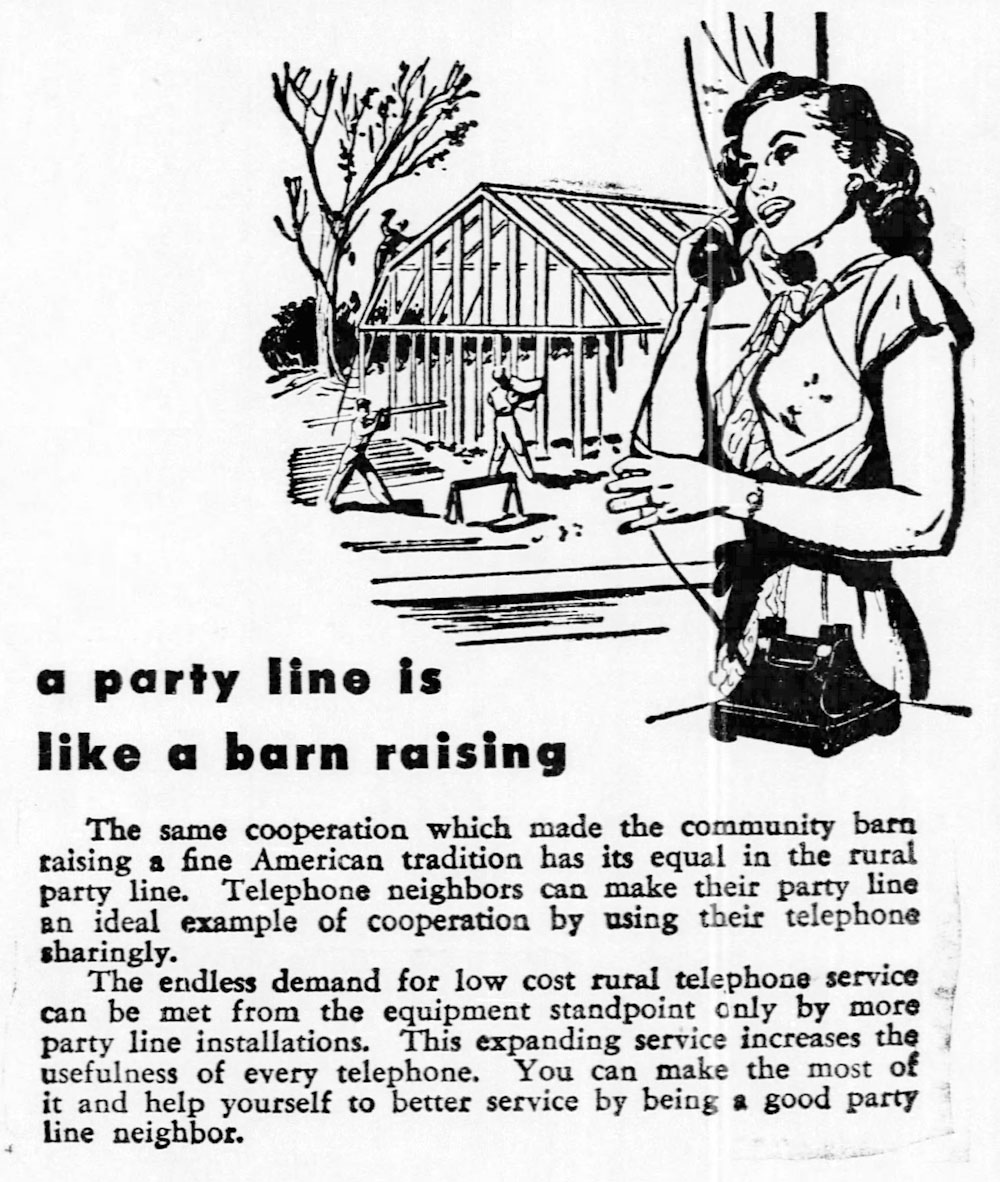
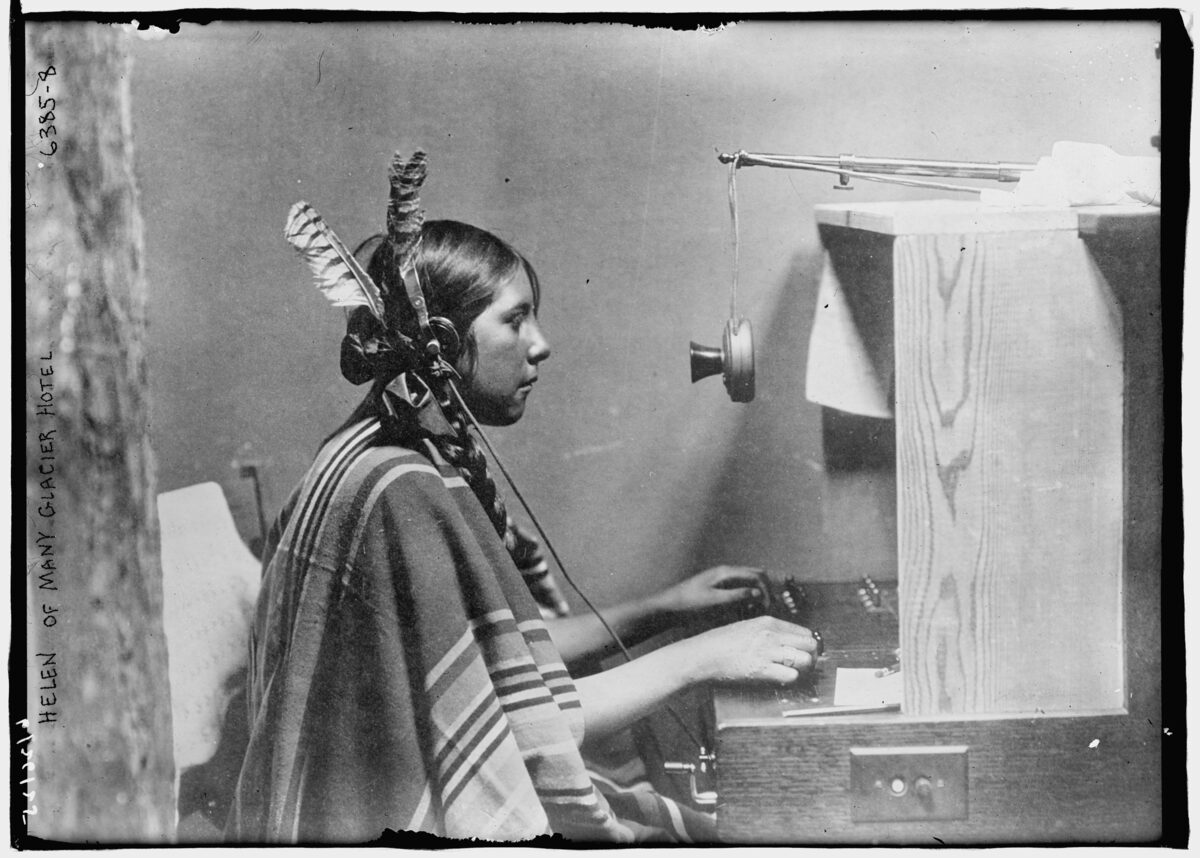
Long before 1-900 numbers became a thing, the party line was already turning telephones into something the phone companies never intended — a social platform. See, back in the early and mid-twentieth century, not every household got its own private phone line. That was expensive. Instead, phone companies would put multiple homes on the same circuit, called a party line.
The official rules were simple: pick up the phone, listen for a dial tone. If you heard someone already talking, you were supposed to hang up and try again later. Your ring pattern was different from your neighbors’ — maybe two short rings meant it was for the Johnson family, while one long ring was for the Petersons.
But human nature being what it is, eavesdropping became an unofficial national sport. Mrs. Henderson down the road was absolutely listening in on the Millers’ phone calls, and everyone knew it. Gossip traveled at the speed of a lifted receiver. Privacy was a concept you understood intellectually but never actually experienced.
How Phone Party Lines Actually Worked
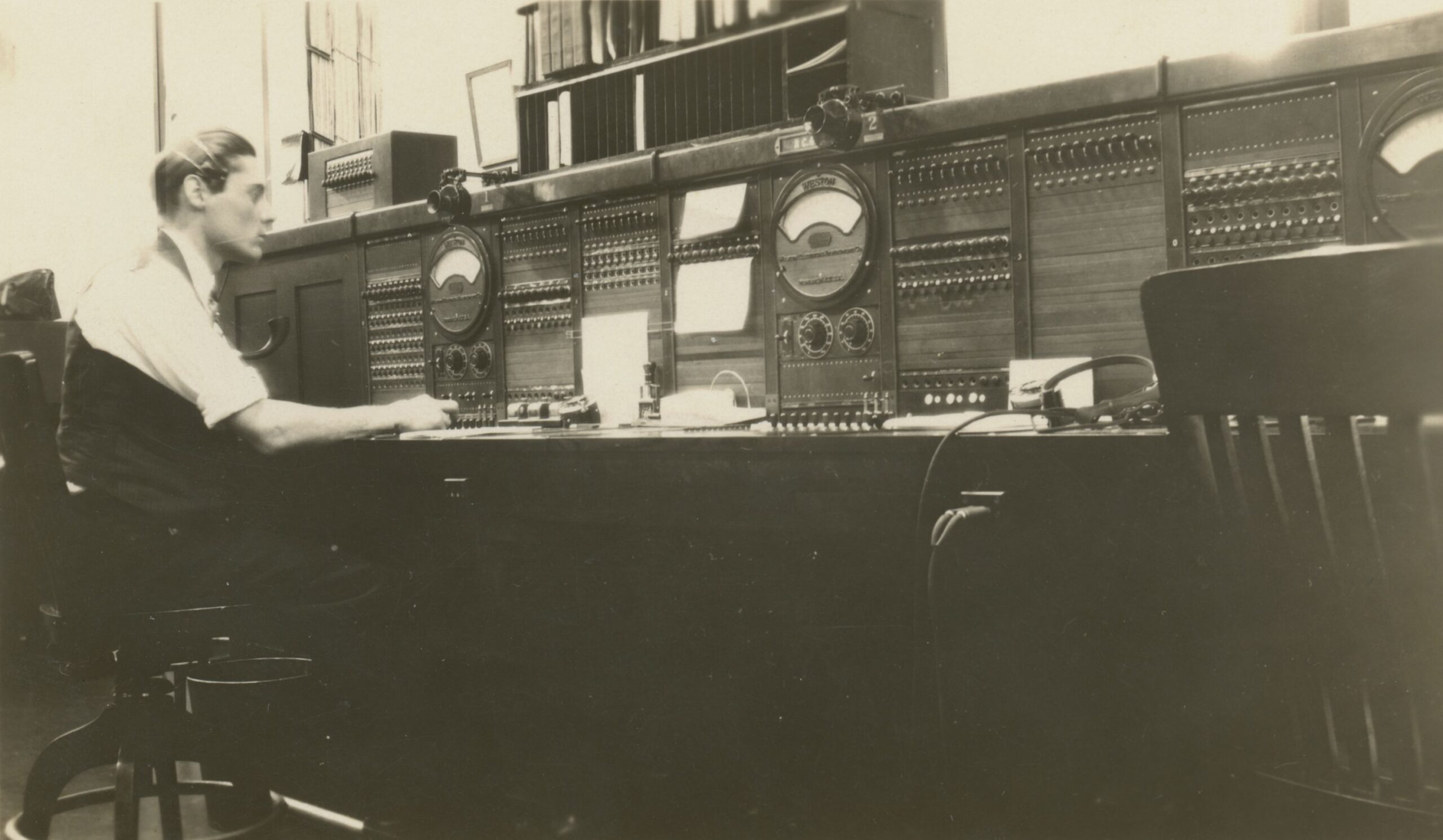
The technical setup was beautifully simple. A single copper wire pair ran from the telephone exchange to a group of homes. Everyone on that line shared the same physical connection. When anyone on the line picked up their phone, they could hear whatever conversation was already happening. It was like an open conference call that never ended.
Phone companies published etiquette guides — actual printed pamphlets — explaining the dos and don’ts of party line behavior. Don’t hog the line. Don’t listen in on others’ calls. Keep your conversations brief so others can use the phone. These rules were about as effective as the “Don’t Park Here” signs at a beach — technically authoritative, universally ignored.
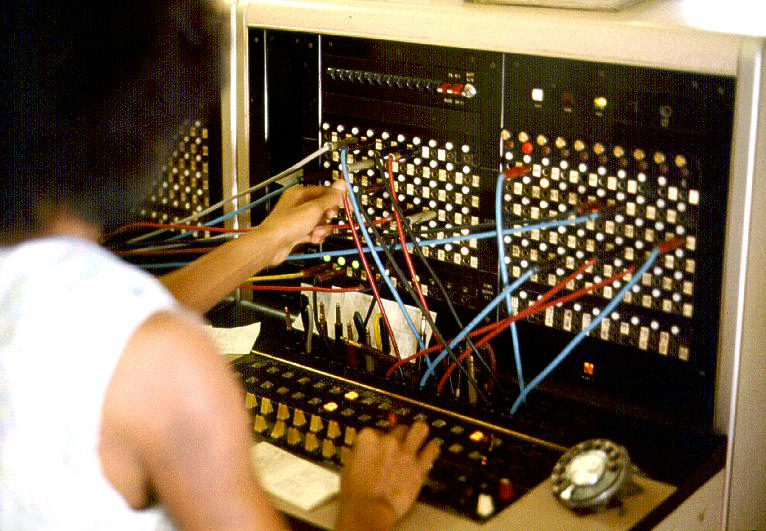
Rural areas were the last holdouts for party lines. In some parts of the American Midwest and rural Canada, party lines survived into the 1980s and even early 1990s. If you grew up on a farm in Iowa in 1985, there’s a decent chance you shared your phone line with three other families and your grandma was absolutely listening to your phone calls with your boyfriend.
The party line created a kind of ambient social awareness that social media would later try to replicate digitally. You knew what your neighbors were up to because you literally heard their phone calls. You knew who was dating whom, who was having money problems, who was fighting with their mother-in-law. It was invasive and annoying and somehow also deeply human.
Enter the 1-900 Number: Capitalism Discovers Chatting
The party line was an accident of infrastructure — an unintended social feature created by cheap telephone engineering. The 1-900 number was the opposite: a deliberately designed, commercially operated social experience built to separate teenagers from their parents’ money.
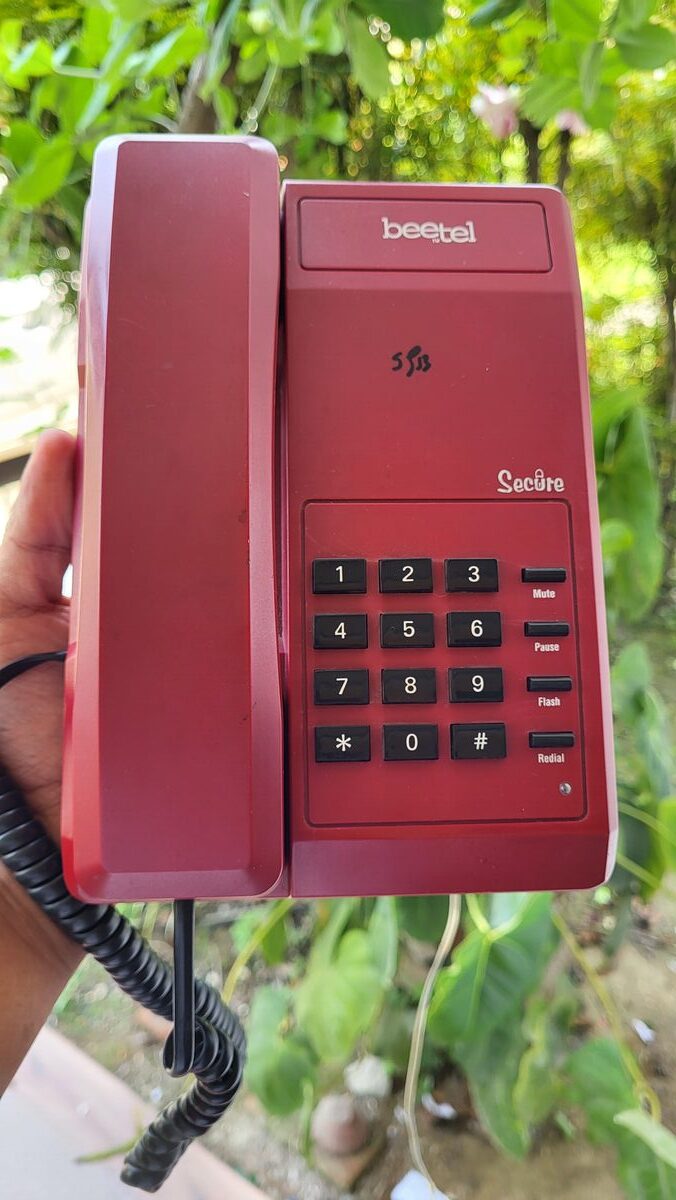
Premium-rate phone numbers had existed since the 1970s, originally used for things like weather forecasts, sports scores, and horoscope readings. AT&T introduced the 900 prefix officially in 1980, and for the first decade, it was mostly used for information services and, let’s be honest, some content that we’ll politely call “adult entertainment.”
But in the late 1980s, someone figured out that you could charge people per minute to talk to each other, and the chat line industry exploded. Companies with names like QuestChat, Livelinks, and NightLine started running TV commercials that were basically the Instagram ads of their era — attractive twentysomethings laughing on cordless phones, having the time of their lives talking to strangers at $2.99 a minute.
The business model was genius in its simplicity. You called the number, got charged on your phone bill (no credit card needed — this was important), and got connected to a group of other callers or a one-on-one chat. The phone company handled the billing. The chat line company got a cut. Everyone made money except the parents who discovered a $300 phone bill because their kid had spent six hours on a Tuesday night talking to someone named “Crystal” from Phoenix.
The Golden Age of Phone Socializing
The early 1990s were peak chat line culture. Before the internet democratized long-distance communication, the phone was your only real-time connection to people outside your immediate social circle. And 1-900 chat lines offered something genuinely novel: access to strangers.
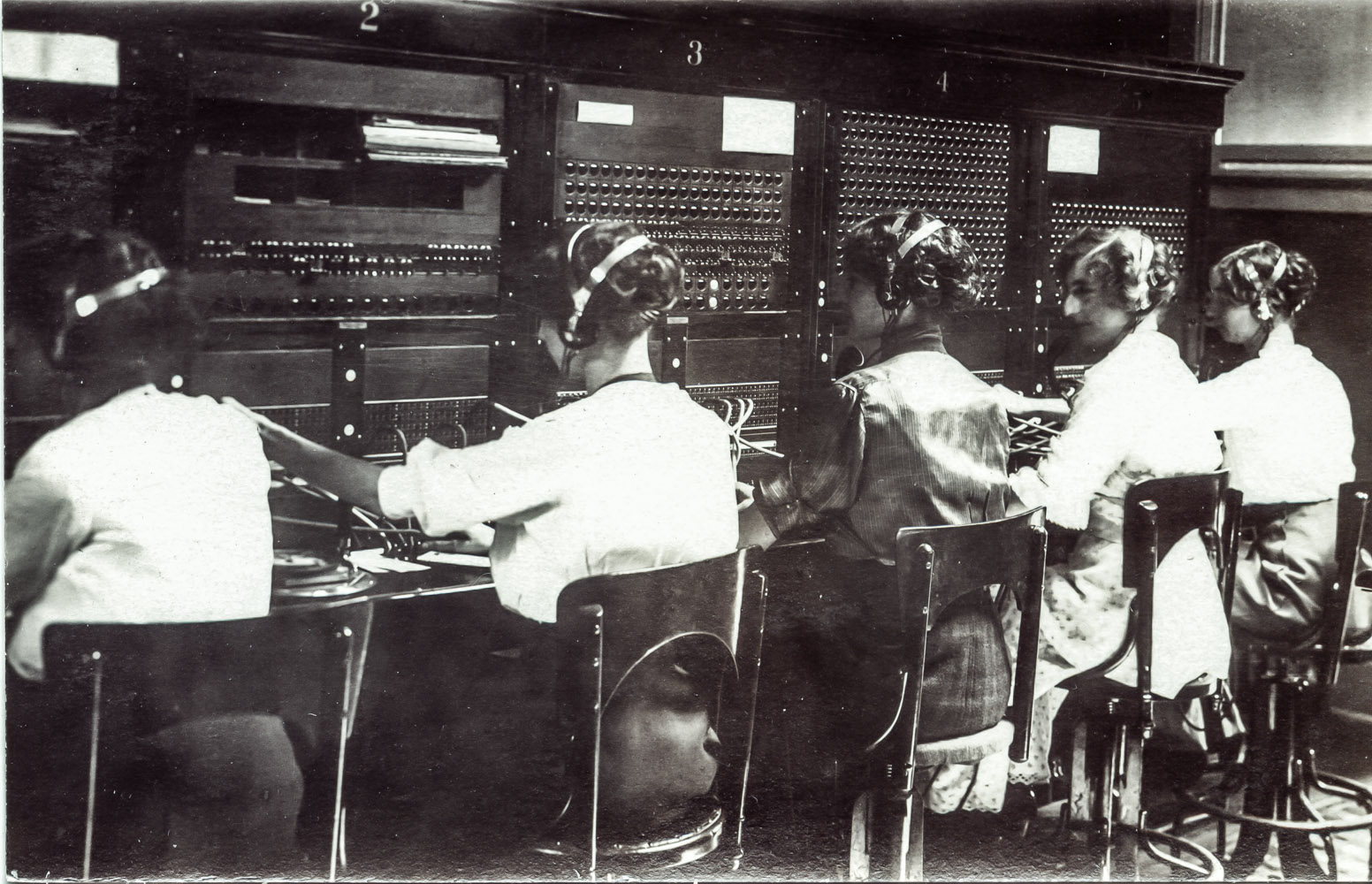
Think about what socializing looked like before chat lines. Your options were: hang out with people from school, people from work, people from your neighborhood, or people from your church. Maybe you’d meet someone at a bar or a house party. Your social circle was geographically limited in a way that’s almost impossible to comprehend now.
Chat lines blew those walls open. A bored kid in a small town in Kansas could suddenly talk to someone in Los Angeles. A shy person who would never approach a stranger in a bar could crack jokes with five different people in an evening, all from the safety of their bedroom. It was social media before social media — just audio-only and pay-per-minute.
The late-night TV commercials for these services became a cultural phenomenon in their own right. They ran on basic cable channels between midnight and 6 AM, sandwiched between infomercials for exercise equipment and Time-Life music collections. The production values were gloriously terrible — bad lighting, awkward scripted banter, phone numbers displayed in massive neon text. If you were a teenager in the early ’90s, you can probably still hear the tagline: “Call now — the first minute is free!”
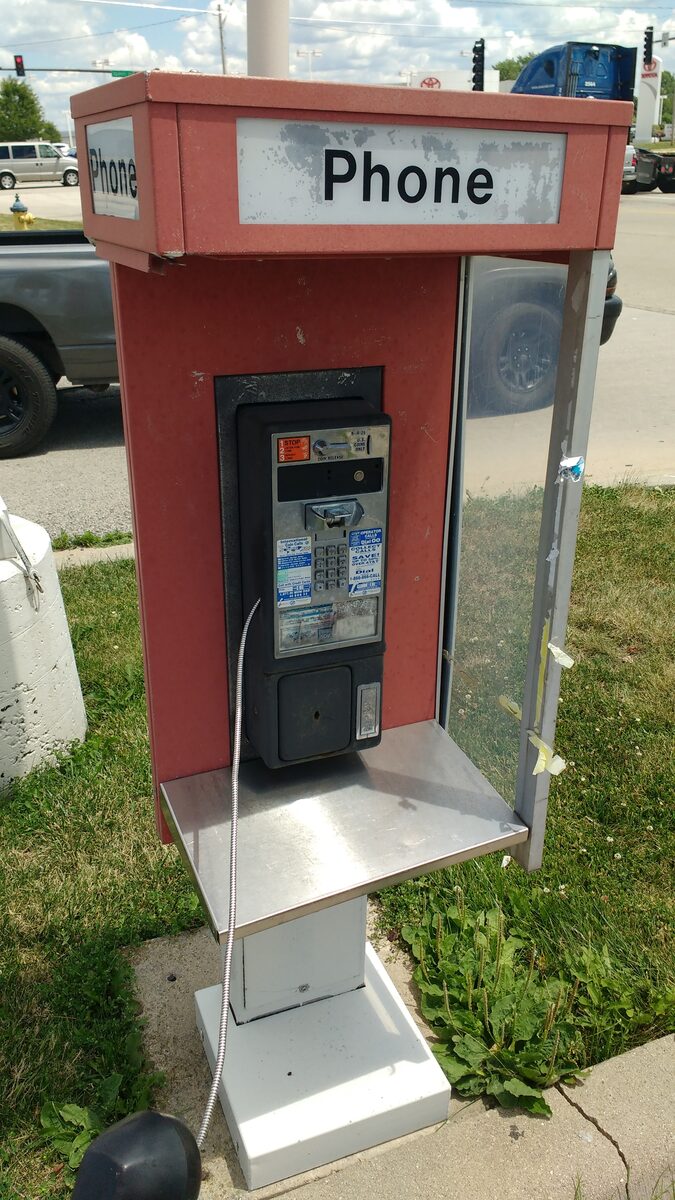
The Dark Side of 900 Numbers
It wasn’t all fun and innocent flirting, of course. The 1-900 industry attracted its share of scams and predatory behavior. Some companies used deceptive advertising to trick callers into staying on the line longer than intended, racking up charges. Others deliberately targeted children with promotions tied to cartoon characters or popular TV shows — dial this number to hear a special message from your favorite character! — at premium per-minute rates.
The FTC eventually cracked down hard on the worst offenders. The Telephone Disclosure and Dispute Resolution Act of 1992 imposed new rules requiring clear pricing disclosures and giving callers a way to dispute charges. Phone companies started offering 900-number blocking as a parental control feature, which was the 1990s equivalent of putting screen time limits on your kid’s phone.
The adult chat lines were their own entire ecosystem. These services made an absolute fortune in the pre-internet era, when accessing adult content required either a magazine, a VHS tape, or a phone call. At their peak, 900-number adult services were generating billions of dollars annually in the United States alone. It was a massive industry that operated in plain sight, advertised on late-night television, and showed up on phone bills that sparked approximately ten million awkward family conversations.
How We Actually Used These Things
If you never called a chat line, here’s what the experience was actually like. You’d dial the number and get connected to an automated system. Usually you’d record a brief “greeting” — a few seconds describing yourself and what you were looking for. Then you could browse other people’s greetings, send messages to people who sounded interesting, or join a live group chat.

The group chats were the wildest part. You’d get connected to a line with anywhere from five to thirty other people, and it was pure audio chaos. People talking over each other, inside jokes forming in real time, random arguments erupting and dissolving, alliances forming between strangers who’d been on the line together for hours. It was Discord before Discord, Reddit before Reddit, Twitter before Twitter — except you could hear everyone’s actual voice, which made it simultaneously more personal and more unhinged.
Regular callers developed reputations. People had phone personas — nicknames they’d announce when they joined the line. You’d dial in on a Friday night and someone would go, “Oh hey, it’s DJ Smooth from Detroit, he’s always on around this time.” There were regulars and cliques, popular people and outcasts, drama and romance — all the social dynamics of a high school hallway, compressed into a telephone line and billed by the minute.
The Internet Killed the Chat Line Star
The 1-900 chat line industry didn’t die slowly — it got nuked from orbit by the internet. When AOL chat rooms showed up offering essentially the same experience for the flat monthly cost of an internet connection, the per-minute phone chat model became instantly obsolete. Why pay $3 a minute to talk to strangers when you could type at them for free?
By the mid-1990s, ICQ, AOL Instant Messenger, and IRC had completely absorbed the social function that chat lines used to serve. And they added things phone lines never could — persistent identities, buddy lists, file sharing, and the ability to talk to people on the other side of the planet for no additional cost. The value proposition of calling a 900 number collapsed almost overnight.
Some chat line companies tried to pivot to internet-based services. Most failed. A few survived by targeting demographics that were slower to adopt internet technology — older adults, people in areas with poor internet infrastructure, and those who simply preferred voice communication to typing. A handful of phone chat services still exist today, mostly marketed as dating services, but they’re a shadow of what they once were.
What We’ve Lost (And What We Haven’t)
Here’s the nostalgic part, and it’s not entirely rose-colored. There was something genuinely different about socializing through voice alone. On a chat line, you couldn’t hide behind a carefully curated profile picture or spend twenty minutes crafting the perfect text response. You were you, in real time, with all your verbal tics and nervous laughs and awkward pauses. It was raw and honest in a way that text-based communication rarely is.
The anonymity worked differently too. On the internet, anonymity tends to make people nastier — it’s well-documented. On phone chat lines, the anonymity of a voice-only connection actually seemed to make people more open. You’d have genuine conversations with strangers about real stuff — relationships, fears, ambitions, the weird thing that happened at work. Maybe it was the intimacy of someone’s voice in your ear, maybe it was the late-night energy, maybe it was just the era. But something about those calls felt more real than a thousand Tinder swipes.
We went from party lines where privacy was impossible, to private lines where isolation was the default, to chat lines that tried to split the difference, to social media where everyone is simultaneously connected and alone. The telephone was supposed to bring people together, and for a weird, wild, expensive decade in the late twentieth century, it actually did — just not in any way Alexander Graham Bell could have predicted.
If your childhood included lying on a bedroom floor, landline cord stretched to its absolute limit, whispering into a receiver at 1 AM while your parents slept — you know exactly what I’m talking about. And if you ever called a 1-900 number and then sweated for three weeks until the phone bill arrived? Well. Welcome to the club. There are more of us than anyone wants to admit.