80s Saturday Morning Cartoons: The Sacred Ritual That Defined a Generation
There was a time in America when Saturday morning meant one thing and one thing only — cartoons. Not streaming. Not scrolling. Not choosing from a library of ten thousand options. You woke up early, you grabbed a bowl of cereal, you planted yourself on the carpet three feet from a glowing CRT screen, and you didn’t move for four solid hours. That was the deal, and nobody questioned it.
For kids growing up in the 1980s, this wasn’t just entertainment. It was a weekly institution more sacred than church, more anticipated than Christmas morning (well, almost), and more universal than anything else in American childhood. Every kid, every neighborhood, every state — we were all doing the exact same thing at the exact same time on Saturday mornings.
The Weekly Countdown Nobody Talked About
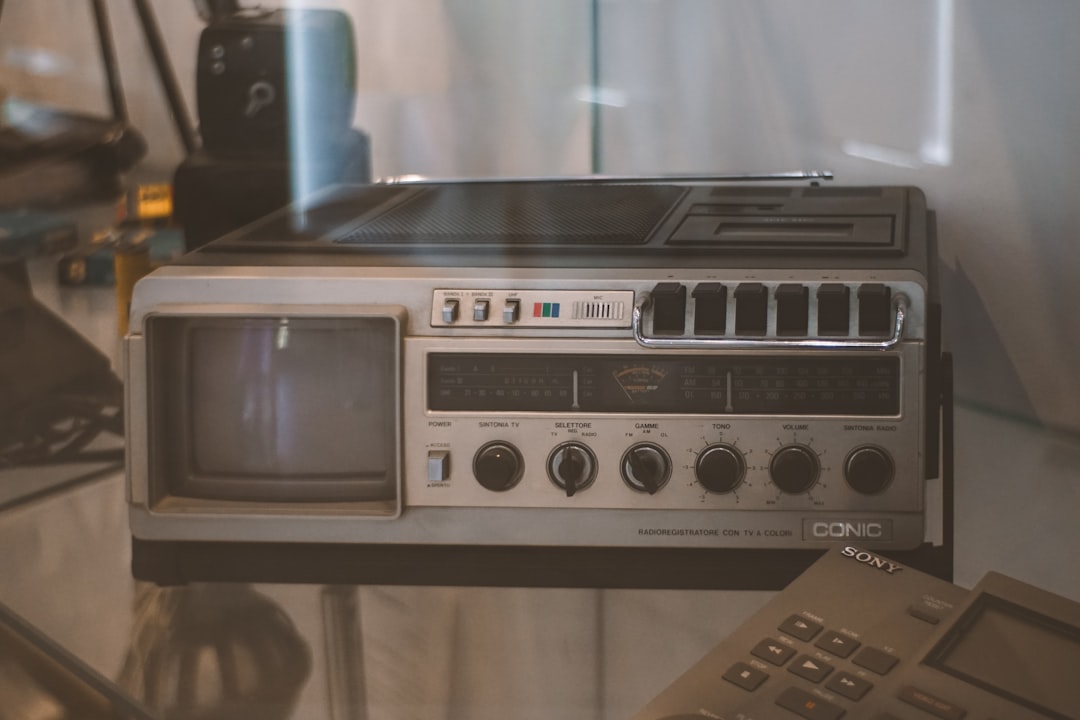
Kids in the 1980s lived on a weekly cycle that revolved around Saturday morning the way the Earth revolves around the sun. Monday through Friday was just the runway. School, homework, chores — all of it tolerable because Saturday was coming. And Saturday didn’t start at a reasonable hour. It started at 6 AM, sometimes earlier, because the networks knew their audience had zero interest in sleeping in.
ABC, NBC, and CBS each dropped their cartoon lineups like rival generals deploying troops. The fall preview specials that aired in September were practically national events. Kids studied those promos like they were cramming for finals. Which network had the new Transformers? Where was G.I. Joe landing? Did CBS snag the Smurfs again? These were real conversations on real playgrounds, debated with the seriousness of a congressional hearing.
The stakes felt impossibly high. You had three networks, maybe four hours of prime cartoon programming, and only one television. In a world before DVR, before streaming, before the internet — if you didn’t catch it live, it was gone. That urgency created an almost religious devotion to the Saturday schedule. Kids set internal alarm clocks that would have impressed military drill sergeants.
The Cereal-Industrial Complex
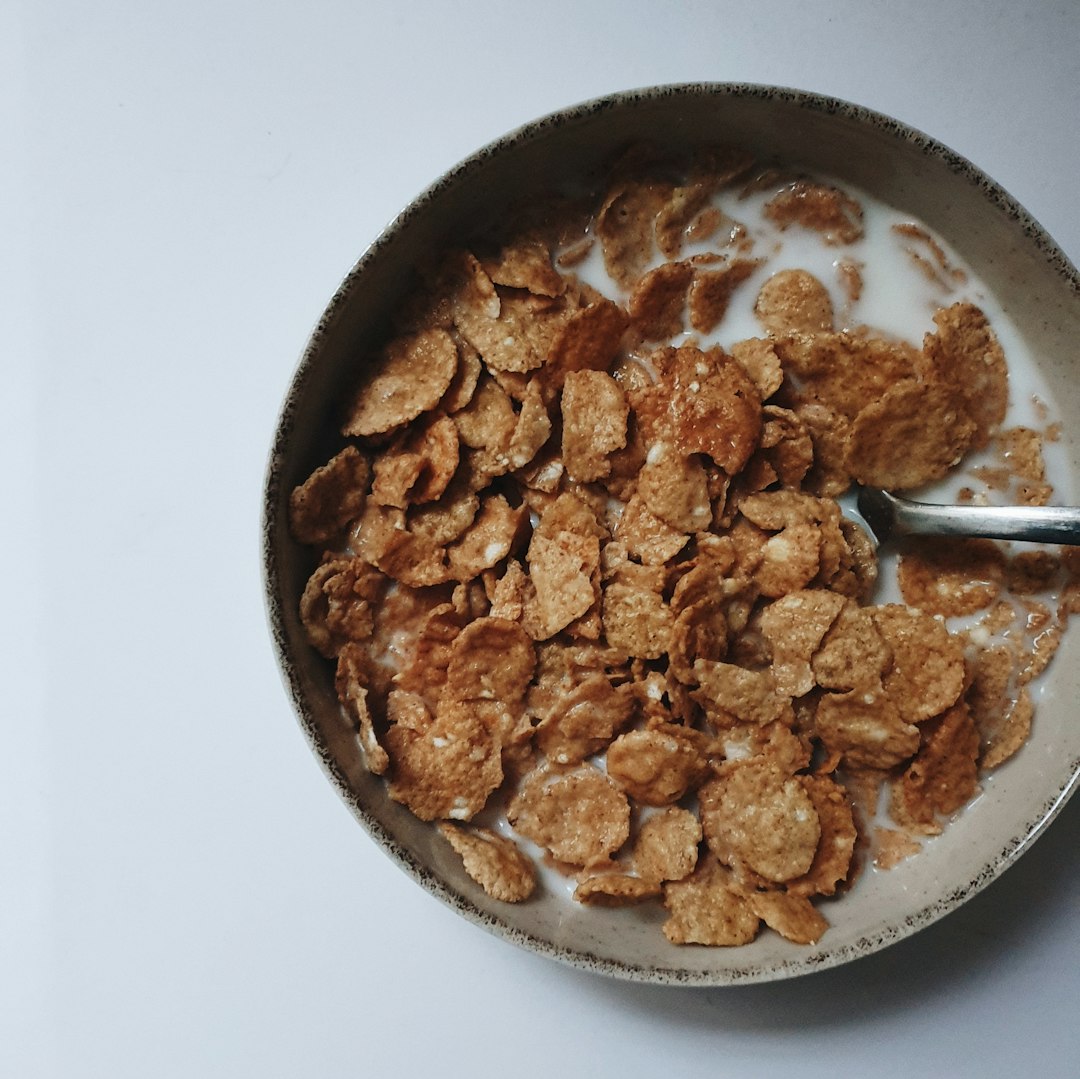
Saturday morning cartoons and breakfast cereal existed in a symbiotic relationship that would make any biologist jealous. The shows existed to sell toys. The commercials existed to sell cereal. And the cereal existed to keep kids parked on the floor, mainlining sugar and entertainment simultaneously. It was a perfectly engineered ecosystem of childhood consumerism, and honestly, it was glorious.
Lucky Charms, Fruity Pebbles, Count Chocula, Cookie Crisp — these weren’t just breakfast foods. They were the official fuel of the Saturday morning experience. Your cereal choice said something about you. Cap’n Crunch kids were different from Honeycomb kids, and everyone knew it. The toy inside the box was a secondary prize to the cartoon marathon itself, but it didn’t hurt. Some kids would eat through an entire box in a week just to get to the prize at the bottom faster.
The commercials between cartoons were almost as iconic as the shows themselves. The Kool-Aid Man bursting through walls with his signature “Oh yeah!” The Trix rabbit getting denied again and again in an ongoing tale of cruelty that nobody questioned. Kids arguing over the last bowl of Life cereal. Those thirty-second spots embedded themselves in our brains with the permanence of a tattoo, and decades later, we can still recite them word for word.
The Shows That Ruled the Airwaves
The 1980s cartoon lineup was absolutely stacked. He-Man and the Masters of the Universe taught us that we had the power — and that a secret identity could be maintained simply by putting on a vest and changing your hair color. Thundercats showed us what happened when you combined cats with swords — apparently, the answer was awesome. Voltron proved that five robot lions were better than one, establishing the template for every combining-mech show that followed. And G.I. Joe reminded us that knowing was half the battle, though nobody ever clarified what the other half was.
Then there were the shows that leaned into pure, uncut weirdness. The Smurfs — an entire civilization of tiny blue creatures living in mushrooms, menaced by a wizard and his cat. Nobody questioned why they were blue. Nobody asked about their economy. It just worked. Jem and the Holograms tackled the music industry through the lens of holographic technology, which seemed totally plausible in 1985. And Dungeons & Dragons sent a group of teenagers to another dimension via a theme park ride, which honestly sounds like a liability lawsuit waiting to happen.
The quality varied wildly, and nobody pretended otherwise. For every Thundercats, there was a Rubik, the Amazing Cube. For every G.I. Joe, there was a Pac-Man cartoon that existed purely because the arcade game was popular. But that inconsistency was part of the charm. You never knew if the next show on the schedule was going to become your new obsession or something you’d channel-surf past. The element of surprise was baked into the experience.
The Toy Connection Nobody Tried to Hide

Here’s the thing about 80s cartoons that everyone knew but nobody cared about — most of them were glorified toy commercials. Hasbro, Mattel, and Kenner weren’t just sponsoring shows. They were creating shows specifically designed to sell plastic to children, and it worked spectacularly well. The FCC had relaxed regulations on program-length commercials in the early 80s, and toy companies charged through that open door like the Kool-Aid Man through a brick wall.
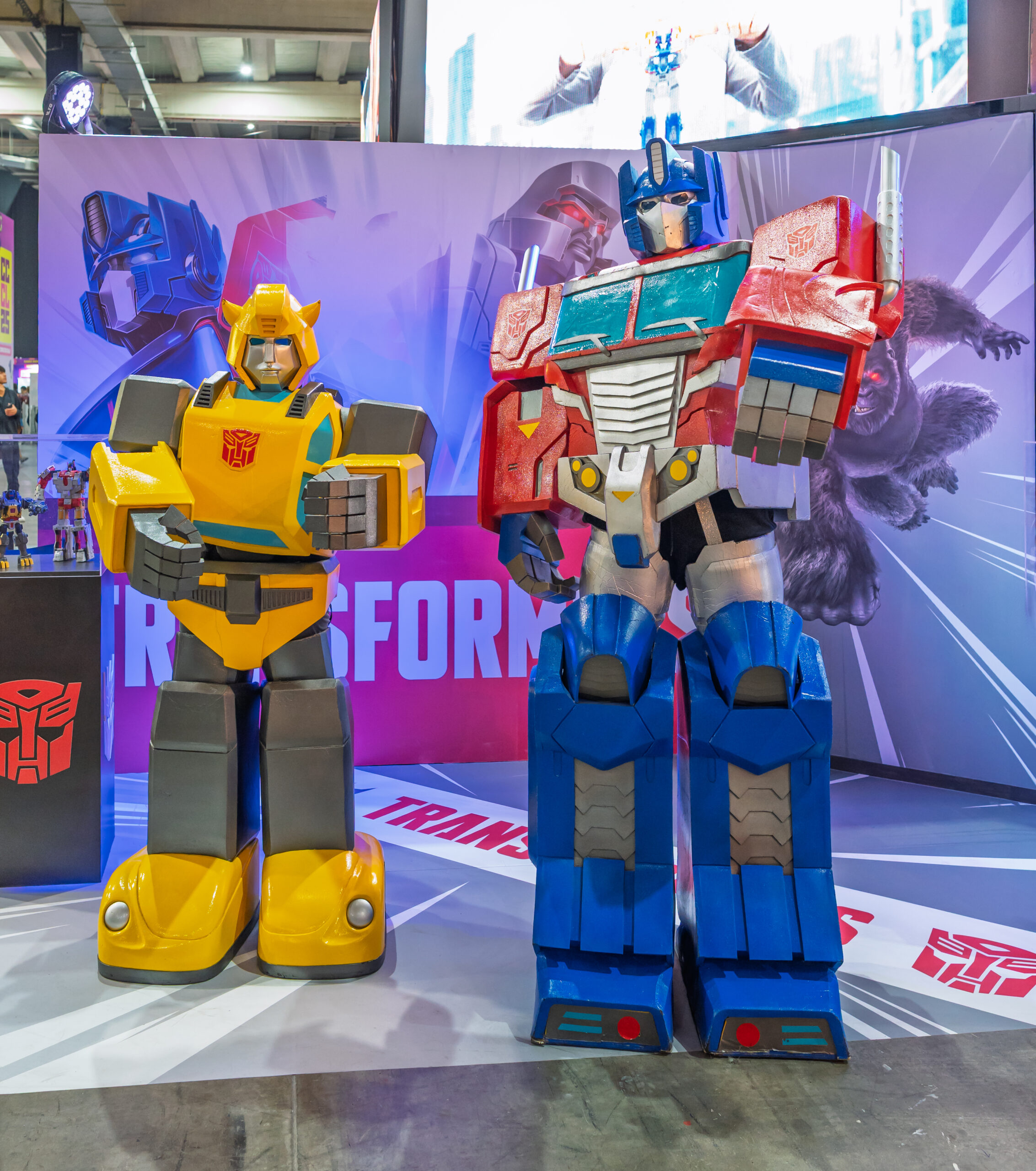
Transformers existed because Hasbro had licensed Japanese toy molds and needed a story to wrap around them. He-Man existed because Mattel wanted to sell action figures. G.I. Joe was essentially a thirty-minute advertisement for a toy line that stretched across aisles at Toys “R” Us. And kids didn’t care. At all. Because the shows were genuinely entertaining, the toys were genuinely fun, and the whole ecosystem worked in a way that felt like magic rather than marketing.
Christmas wish lists in the 80s read like cartoon cast lists. Castle Grayskull, the USS Flagg, Optimus Prime, Lion-O’s Sword of Omens — these weren’t just toys. They were artifacts from worlds we visited every Saturday morning. Owning them meant bringing a piece of that world into your bedroom, and playing with them was an extension of the storytelling that happened on screen. The cartoons made the toys meaningful, and the toys made the cartoons tangible.
The Social Rules of Saturday Morning

Saturday morning had unwritten rules that every kid understood instinctively. You did not wake your parents. Under any circumstances. You poured your own cereal, you kept the volume at a reasonable level (or wore the consequences), and you handled remote control disputes through a complex system of negotiation, intimidation, and occasionally physical force that would have impressed a United Nations diplomat.
If you had siblings, the lineup was a democratic process — sort of. Older siblings had veto power, younger siblings had the nuclear option of crying loud enough to wake the parents, and middle children learned the art of compromise that would serve them well in corporate America decades later. The kid who controlled the TV Guide had real power in the household. Knowledge was literally power, and the fall preview edition was the most valuable publication in America for anyone under twelve.
Sleepovers on Friday night had a built-in second act: waking up together on Saturday for cartoons. Sleeping bags on the living room floor, bowls of cereal balanced on knees, arguments about whether Cobra Commander or Skeletor was the better villain. These were the bonding rituals of a generation, more meaningful than any team-building exercise ever devised by a corporate retreat facilitator.
When It All Ended
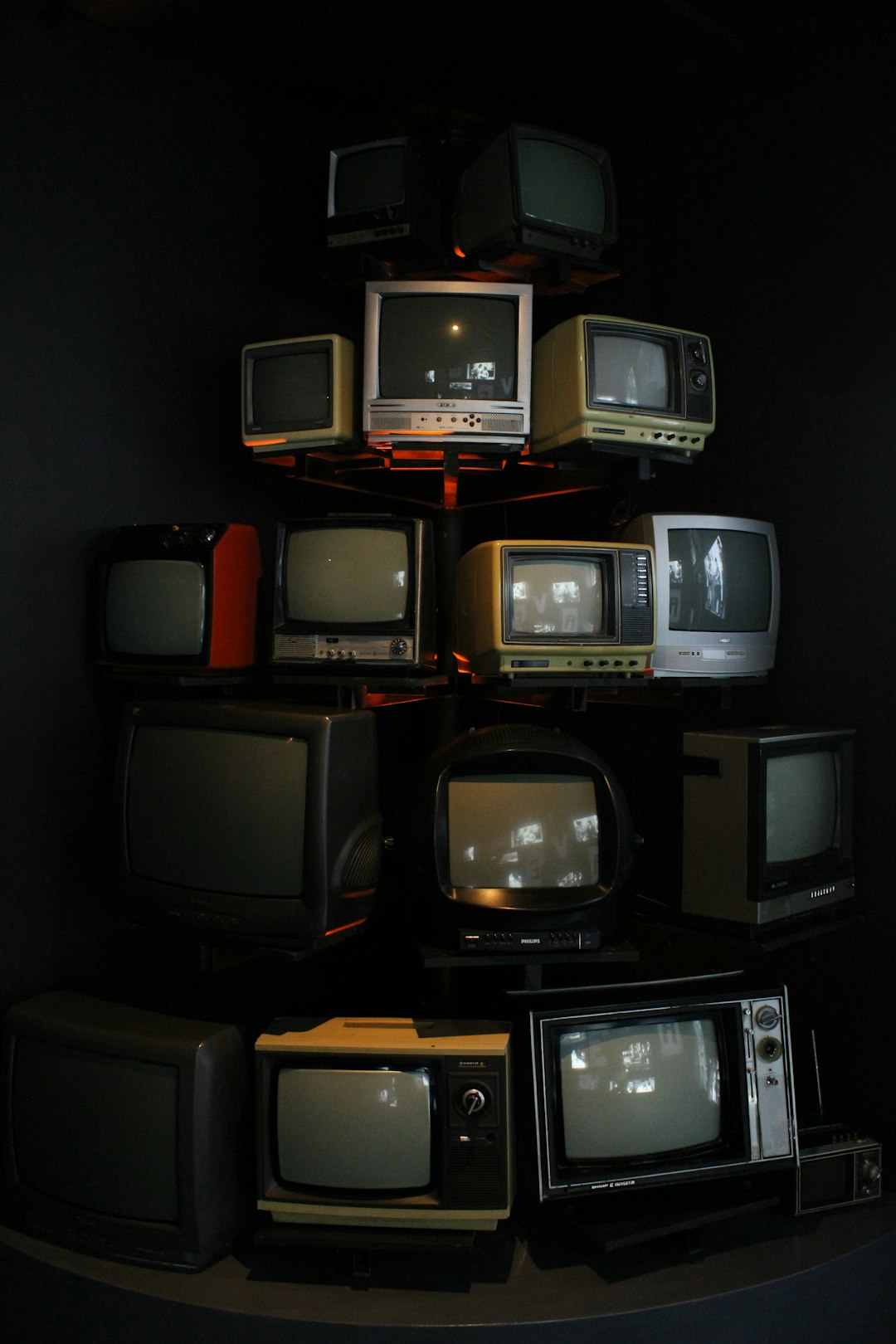
The Saturday morning cartoon block didn’t die overnight. It faded slowly, like the picture on a TV set being switched off. Cable television started offering cartoons all day, every day. Nickelodeon and Cartoon Network meant you didn’t have to wait for Saturday anymore — cartoons were available twenty-four hours a day, seven days a week. The scarcity that made Saturday mornings special was suddenly gone, replaced by an abundance that somehow felt less magical.
The FCC started requiring educational content in children’s programming, which networks handled with all the enthusiasm of a kid eating broccoli. The mandated “E/I” content wasn’t necessarily bad, but it changed the vibe. Saturday mornings went from a cartoon free-for-all to something that felt more managed, more careful, more concerned with teaching lessons than telling stories. By the early 2000s, the networks had largely abandoned the format in favor of cheaper live-action programming or paid infomercials.
The last network Saturday morning cartoon block in the United States ended in 2014 when the CW aired its final “Vortexx” programming. And just like that, a tradition that had defined American childhood for over fifty years was gone. No fanfare. No farewell special. Just silence where cartoons used to be.
Why It Still Matters
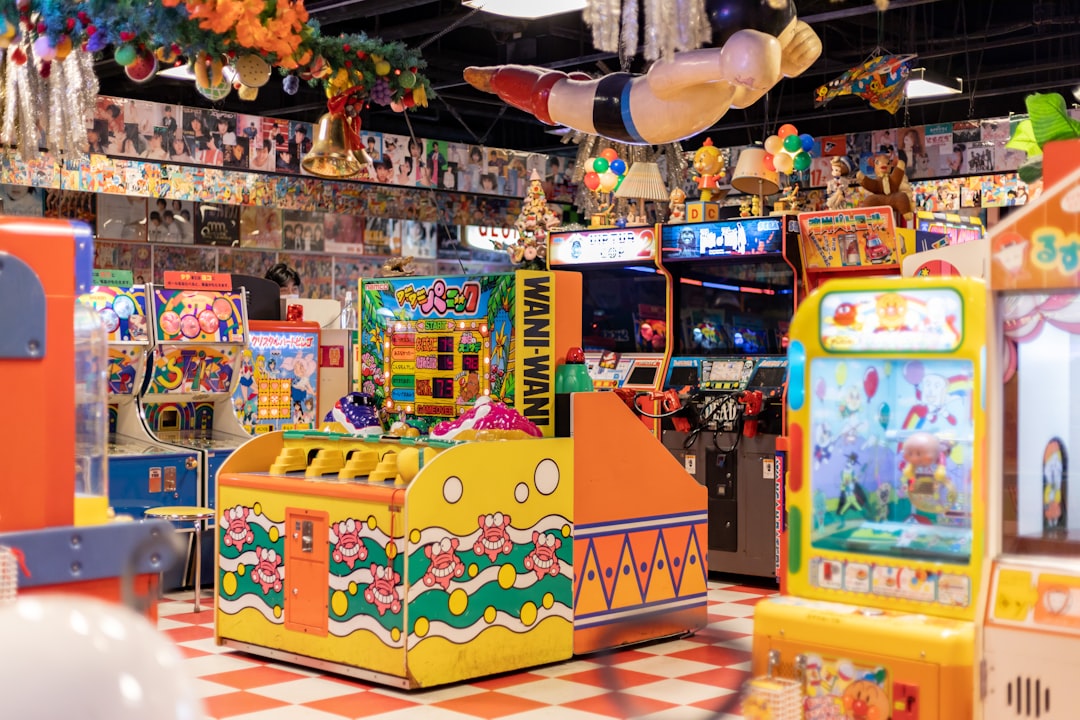
Kids today have unlimited access to unlimited content at unlimited hours. They’ll never know the thrill of waking up before dawn because something amazing was about to happen on television — something that only happened once a week, at a specific time, and if you missed it, you missed it. There was no pause button, no rewind, no “watch it later.” You were either there or you weren’t.
That scarcity made Saturday morning cartoons special in a way that infinite content libraries never can. It was appointment viewing before the term existed. It was communal in a way that streaming isn’t — every kid in your class watched the same shows at the same time, and Monday morning conversations proved it. “Did you see Optimus Prime die?” wasn’t just a question. It was a shared experience that bonded a generation.
The 80s Saturday morning cartoon era wasn’t just entertainment. It was a shared national experience for an entire generation of American kids. It shaped our humor, our vocabulary, our toy collections, and our breakfast habits. It gave us heroes and villains, catchphrases and theme songs, and a weekly ritual that felt as essential as breathing. It taught us about good and evil, about friendship and teamwork, and about the importance of eating a balanced breakfast (of sugar-coated corn puffs).
You can stream every episode of every 80s cartoon right now on half a dozen services. But you can’t stream the feeling of being seven years old, cross-legged on shag carpet, eating Froot Loops in your pajamas while He-Man saves Eternia for the forty-seventh time. That’s not content. That’s a memory. And for a whole generation of us, it’s one of the best ones we’ve got.