90s Grunge Style Guide: Flannel, Docs and Attitude
Seattle, 1991. Nirvana’s “Smells Like Teen Spirit” explodes onto MTV, and suddenly every teenager in America wants to look like they just rolled out of bed in a thrift store flannel. Grunge wasn’t just music — it was a full-blown fashion revolution that rejected the glossy excess of the 1980s in favor of something raw, real, and deliberately unkempt.
Three decades later, grunge style hasn’t just survived — it’s thriving. From high-fashion runways to streetwear brands, the DNA of 90s grunge continues to shape how we dress. Whether you lived through it the first time or you’re discovering it fresh, this guide breaks down every essential piece you need to nail the look.
The Flannel: Grunge’s Signature Piece
If grunge had a uniform, the oversized flannel shirt was its centerpiece. Worn open over a band tee, tied around the waist, or buttoned up with nothing underneath — flannel was the Swiss Army knife of 90s fashion. Kurt Cobain, Eddie Vedder, and Chris Cornell all made the humble lumberjack shirt look effortlessly cool.
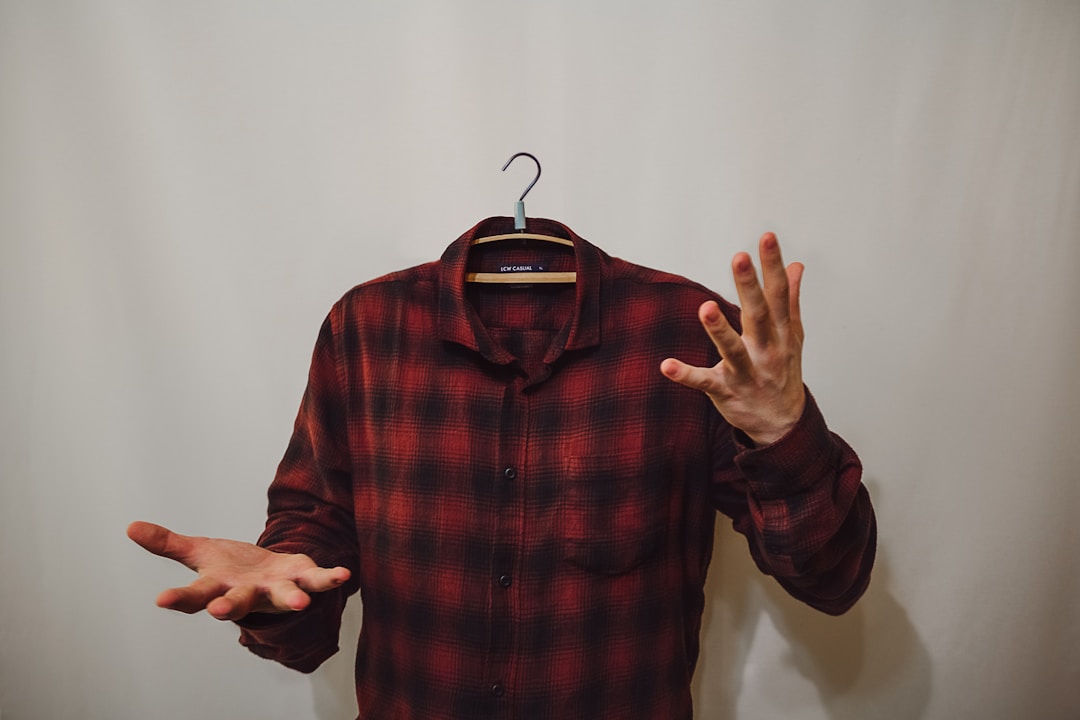
The key to authentic grunge flannel is the fit. You want it oversized — think one or two sizes up from your normal. The fabric should be soft and worn, not crisp and new. Earth tones dominate: deep reds, forest greens, mustard yellows, and navy blues. Buffalo plaid and tartan patterns are the classics, but any plaid works.
Pendleton and Woolrich were the original go-to brands, though most grunge kids found theirs at Goodwill for a couple bucks. Today, vintage flannel shirts from the 90s can fetch serious money on resale platforms. The irony isn’t lost on anyone — a movement built on thrift store prices now commands collector premiums.
Doc Martens: The Boots That Stomped Through the 90s
No grunge wardrobe is complete without a pair of Doc Martens. The 1460 boot — with its eight-eyelet design, air-cushioned sole, and signature yellow stitching — became the definitive footwear of the grunge generation. Originally designed as workwear for British factory workers, Docs were adopted by punks in the 70s before grunge kids claimed them as their own.
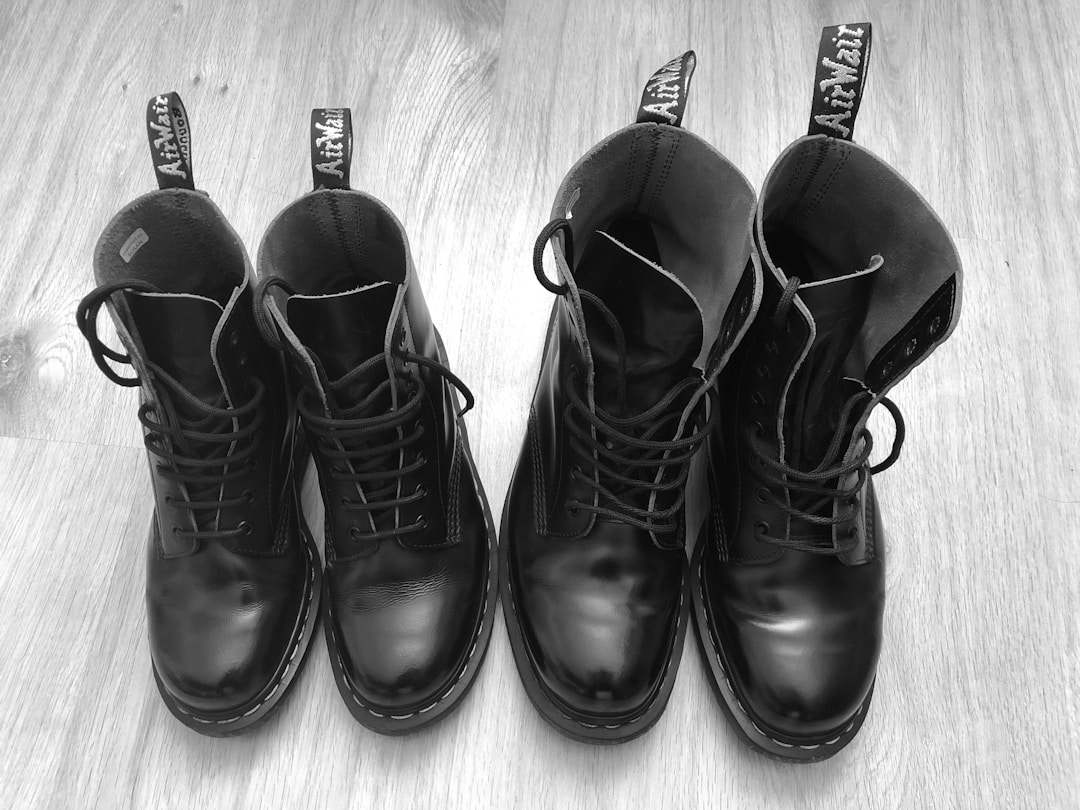
The beauty of Docs is their versatility. Pair them with ripped jeans, floral dresses, cargo pants, or corduroys — they work with everything in the grunge playbook. The break-in period is legendary (and painful), but once they mold to your feet, they last decades. Many 90s originals are still being worn today.
Beyond the classic 1460, grunge kids also favored the taller 1490 ten-eyelet and the chunky Jadon platform. Black cherry and oxblood were popular alternatives to the standard black. If you’re building a grunge wardrobe today, a pair of genuine Docs is your foundation — everything else builds from there.
Ripped Jeans and Distressed Denim
While the 80s gave us stone-washed designer denim, grunge took jeans in the opposite direction. The more destroyed, the better. Ripped knees, frayed hems, bleach stains, and holes that told stories — grunge denim was anti-fashion fashion at its finest.
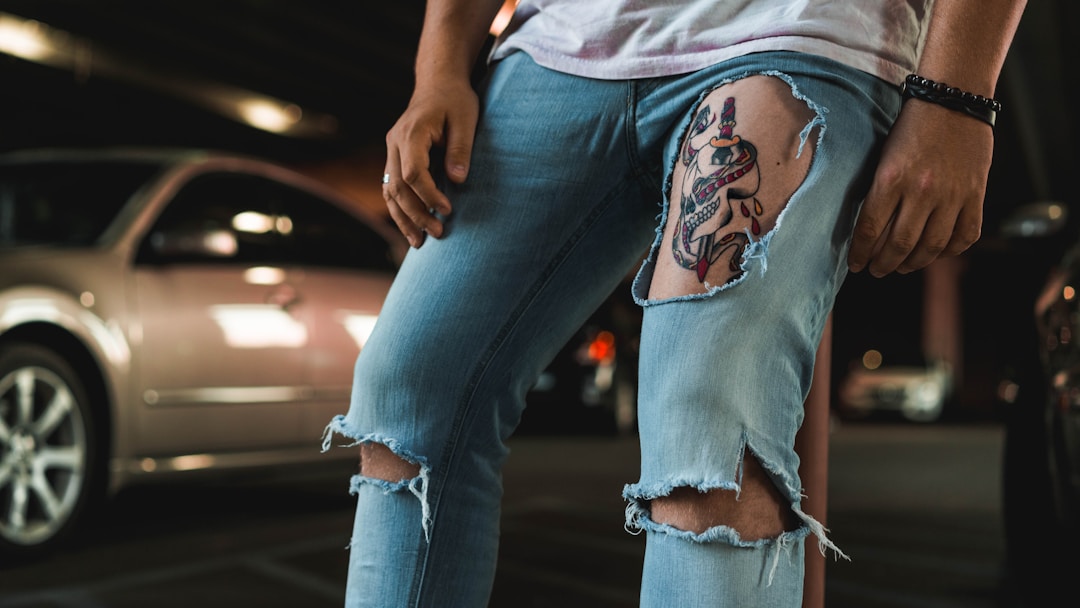
The fit was loose and slouchy. Baggy jeans, often cuffed or dragging on the ground, were standard. Brands like Levi’s 501s were the denim of choice, especially when found secondhand and already broken in. Some kids would buy new jeans and deliberately destroy them with sandpaper, razors, and bleach to achieve that lived-in look.
Corduroys also had a strong presence in the grunge wardrobe, particularly in brown and olive tones. They offered the same relaxed silhouette but with more texture. Cutoff shorts made from old jeans were a warm-weather staple, usually cut jaggedly and left unhemmed.
Band Tees, Thermals, and Layering
Layering was fundamental to the grunge aesthetic. The typical combo: a worn band tee or graphic shirt, layered under an open flannel, topped with a cardigan or military surplus jacket. Thermal long-sleeve shirts — especially in waffle knit — were the go-to base layer during Seattle’s perpetually gray winters.
Band merch was a badge of identity. Nirvana’s smiley face, Pearl Jam’s stick figure, Soundgarden’s Badmotorfinger art, and Mudhoney’s logo were all signals that told the world who you were. Wearing a band tee of someone you’d actually seen live carried extra credibility. The shirts were always worn soft and faded, never pristine.
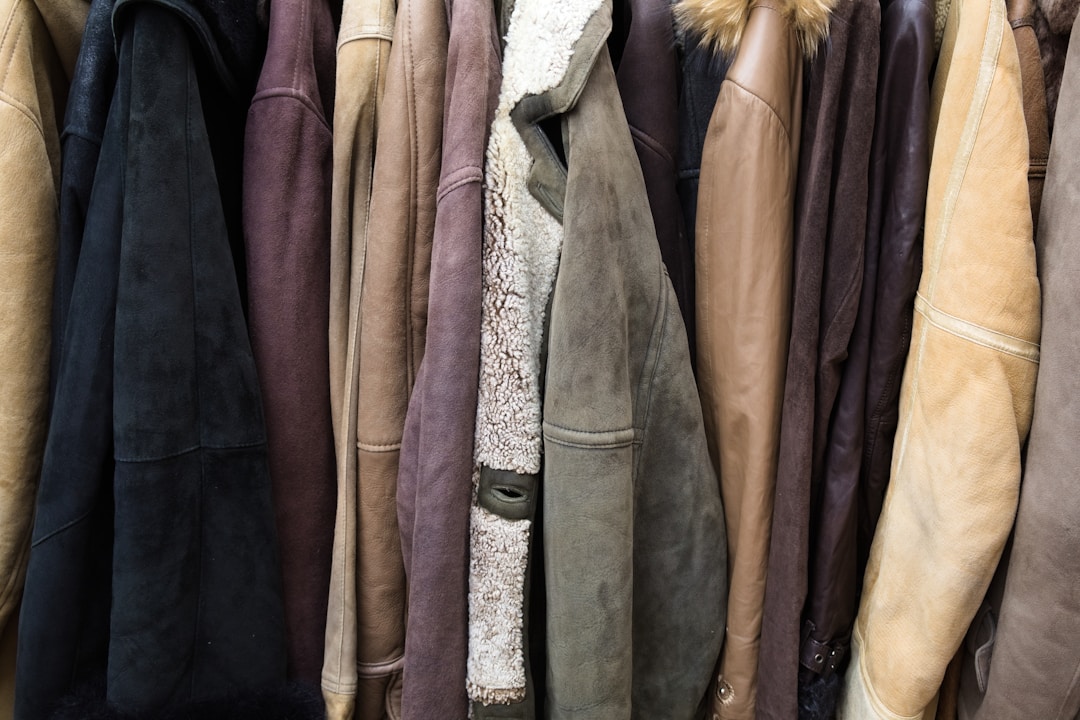
Oversized cardigans — the kind your grandfather might wear — became a grunge signature thanks to Kurt Cobain’s iconic MTV Unplugged appearance. That moss-green Jag-Stang cardigan became one of the most famous garments in rock history. Moth-eaten holes were features, not flaws.
Accessories: Beanies, Chokers, and Chain Wallets

Grunge accessories were deliberately minimal and utilitarian. The knit beanie was everywhere — pulled low over unwashed hair, it became as essential as the flannel itself. Black was the default, but earth tones worked too. The goal was always to look like you didn’t try, even if you absolutely did.
Choker necklaces — thin black bands or leather cord — had a massive resurgence thanks to grunge’s female icons like Courtney Love and the women of Bikini Kill. Chain wallets connected to belt loops added a punk edge. Cheap sunglasses, usually round or rectangular, completed the face game.
Messenger bags and military surplus backpacks replaced anything that looked designer. The entire point was anti-consumerist, even as major brands eventually tried to cash in. Safety pins used as jewelry, woven friendship bracelets, and leather cuff bracelets rounded out the accessories toolkit.
Where to Find Authentic Grunge Pieces Today
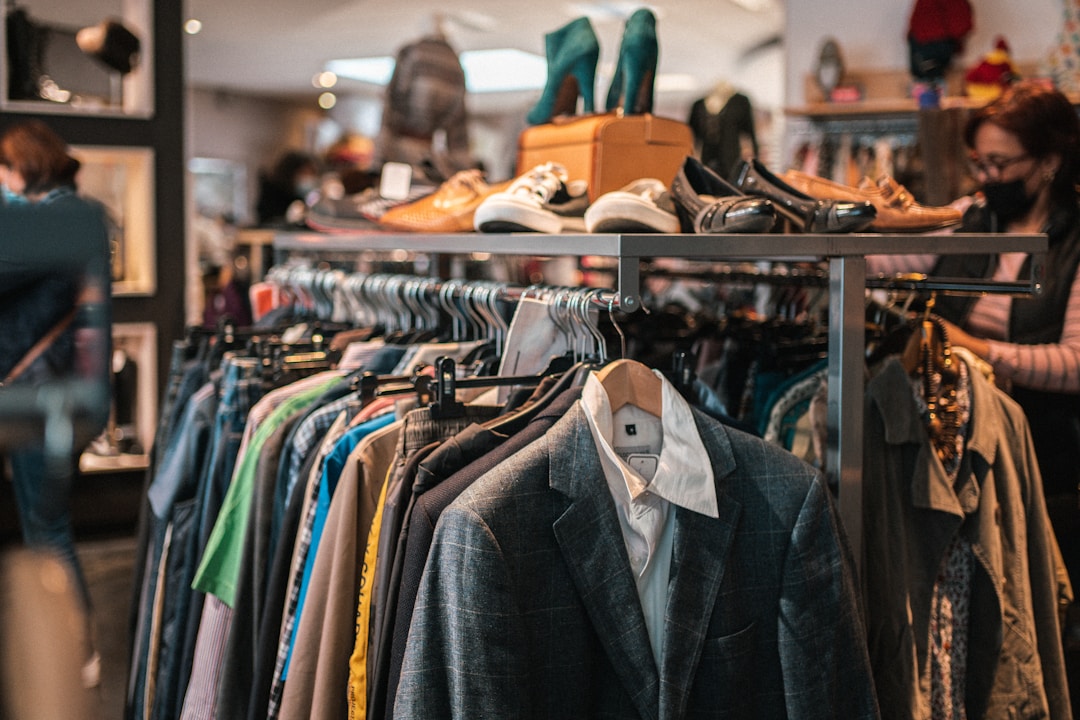
The most authentic way to build a grunge wardrobe is still the original way: thrift stores. Goodwill, Salvation Army, and local secondhand shops remain goldmines for oversized flannels, vintage band tees, and broken-in denim. The thrill of the hunt is part of the experience — you never know when you’ll find a perfect 1993 Pearl Jam tour shirt buried in a rack.
Online resale platforms like Depop, Poshmark, and eBay have massive selections of vintage 90s grunge pieces. Expect to pay more than thrift store prices, but the curation saves time. Etsy sellers specializing in vintage clothing often carry curated grunge collections with era-accurate pieces.
For new pieces that capture the grunge spirit, brands like Dr. Martens (still going strong), Levi’s, and Carhartt offer timeless staples. Urban Outfitters and ASOS regularly drop grunge-inspired collections. Just remember — the whole point is looking like you didn’t spend much, so keep the designer labels hidden.
Grunge Style Rules (That Break All the Rules)
The ultimate irony of writing a grunge “style guide” is that grunge was fundamentally about rejecting style guides. There were no rules, no lookbooks, no influencer endorsements. People wore what was cheap, comfortable, and available. The aesthetic emerged organically from a specific time and place — rainy Seattle, underpaid musicians, and a generation tired of Reagan-era excess.
But if you’re going to follow any principles, here they are: comfort over fashion, layering over single statements, secondhand over new, loose over fitted, and dark over bright. Mix masculine and feminine elements freely. Wear your clothes until they fall apart, then wear them some more.
The grunge look has proven remarkably resilient precisely because it was never really about fashion in the first place. It was about authenticity, accessibility, and attitude. Three decades on, those values haven’t gone out of style — and neither has a well-worn flannel thrown over a faded band tee with beat-up Docs on your feet.