80s Technology That Changed the World Forever
The decade that gave us shoulder pads and Trapper Keepers also rewired the planet. 80s technology didn’t just change how people lived — it built the scaffolding for every screen, speaker, and pocket computer we still tap on today. The personal computer, the cassette in your back pocket, the game console under the TV, the music format that made vinyl feel like a fossil — all of it landed inside a single ten-year sprint between Reagan’s first inauguration and the fall of the Wall.
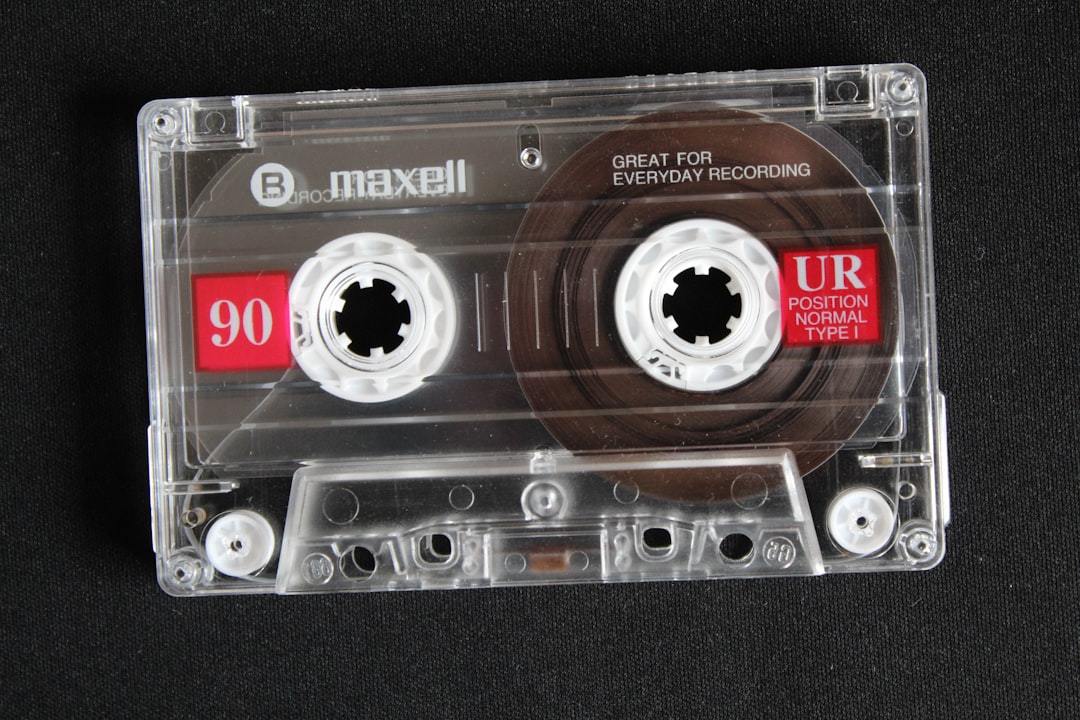
Walk into any 80s house and you’d find evidence of the shift everywhere. A boxy beige IBM clone humming in the den. A stack of Maxell tapes next to a Walkman. A VCR blinking 12:00. The world stopped being analog and started being digital, one consumer purchase at a time. Here’s the gear that did the rewiring — and why it still matters in 2026.
The Sony Walkman Made Music Personal
Before July 1979, music was something you shared whether you wanted to or not. A record played for whoever was in the room. A car radio belonged to the driver. Then Sony shipped the blue-and-silver TPS-L2, and the rules collapsed inside a year. By the mid-80s the Walkman had sold tens of millions of units globally and the Smithsonian had logged it as a permanent piece of the American material record — the first device to give a person their own private soundtrack while moving through public space.
The Retro Almanac
A monthly roundup of "on this day" highlights from that month, decades back — plus first dibs on new retro merch drops. No spam, just the good stuff.
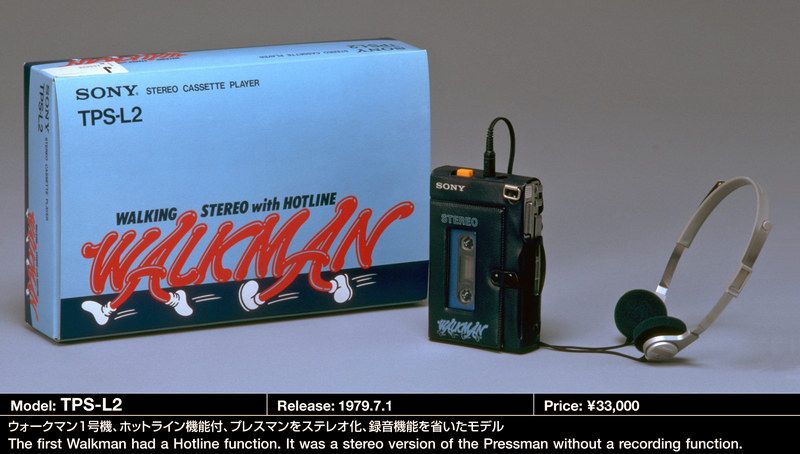
The cultural fallout was bigger than the gadget. People started jogging with headphones. Commutes became listening sessions. Mixtapes turned into love letters. There’s a direct line from the Walkman to the iPod to AirPods, and it runs through every cassette adapter, every CD Discman, every MP3 player that tried to chase that same feeling. The deeper story of how the Walkman rewired the listening experience is one of the cleanest cause-and-effect lines in consumer tech history.
Personal Computers Crashed Into the Living Room
For most of the 70s, a “computer” was something the size of a refrigerator that you fed punch cards. That changed on August 12, 1981, when IBM walked into a New York press event and announced the 5150 — the original IBM Personal Computer. Sticker price: $1,565 for a base config, with an open architecture that invited the entire industry to start cloning it. The Computer History Museum’s 1981 timeline tracks the ripple: by 1984, IBM-compatible machines from Compaq, Dell, and Gateway were eating the corporate market whole, and Microsoft’s MS-DOS became the operating system on most of the desks in America.
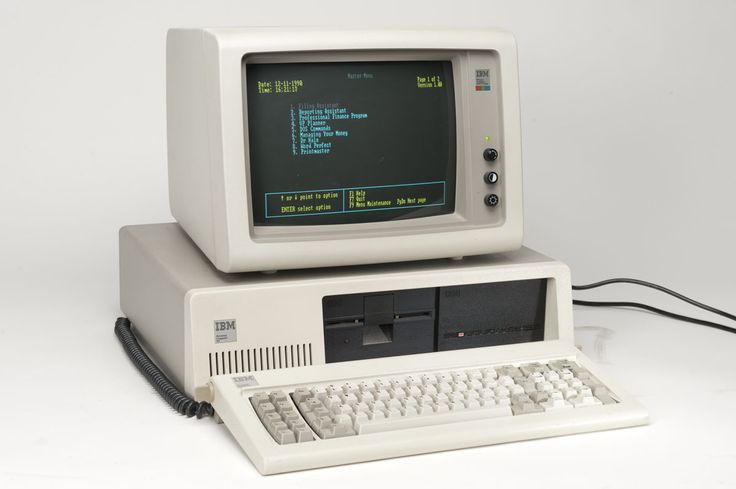
The 5150 wasn’t the fastest or the prettiest box on the market. The Commodore 64 outsold it for years, and the Apple II had a more enthusiastic cult. What the IBM PC did was something stranger: it made the personal computer feel boring. Boring is what business buyers wanted. Boring is what made an entire generation of office workers stop being scared of a keyboard. Within five years, “PC” stopped meaning IBM’s machine and started meaning any beige box that ran DOS — and a kid in Redmond named Bill Gates owned the operating system that ran on all of them.
Here’s how a 1982 news broadcast tried to explain home computers to a bewildered American public:
The Macintosh Showed What Computers Could Look Like
Three years after IBM’s launch, Apple shipped something the PC world didn’t see coming. On January 24, 1984, Steve Jobs pulled a Macintosh 128K out of a canvas bag at the Flint Center in Cupertino and a tiny beige cube introduced itself in a synthesized voice. The Ridley Scott Super Bowl commercial that aired two days earlier — the one with the sledgehammer and the dystopian Big Brother screen — cost $1.5 million and ran exactly once on national TV.
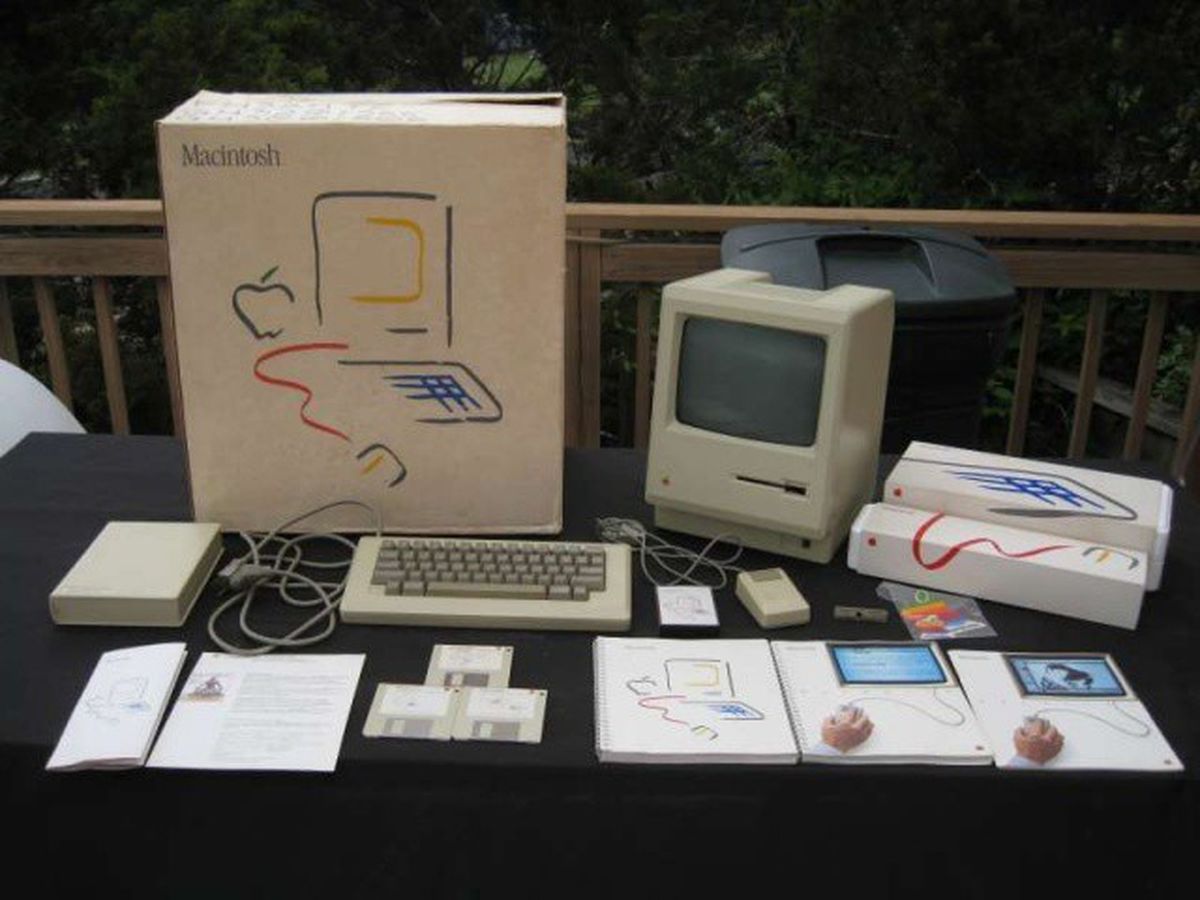
The Mac wasn’t a better spreadsheet machine than the IBM PC. It was a better demo. A graphical interface. A mouse. Icons you could click instead of commands you had to type. Most importantly, it was a personal object you could put on a desk in a home and not feel like you’d installed mainframe equipment. The truth is, every consumer interface released since — Windows 95, the iPhone springboard, the Apple Watch — owes the Mac a royalty. Without that 1984 launch, the personal computer might have stayed a beige cubicle appliance forever.
The Compact Disc Killed the Cassette and the LP
Sony and Philips co-released the audio CD in 1982, and the format hit the U.S. in early 1983. By 1988, the CD had passed the vinyl LP in U.S. sales. By 1991, it had passed the cassette. That’s a nine-year window from launch to total format dominance — faster than the shift from DVDs to streaming, faster than vinyl’s slow death by digital download.
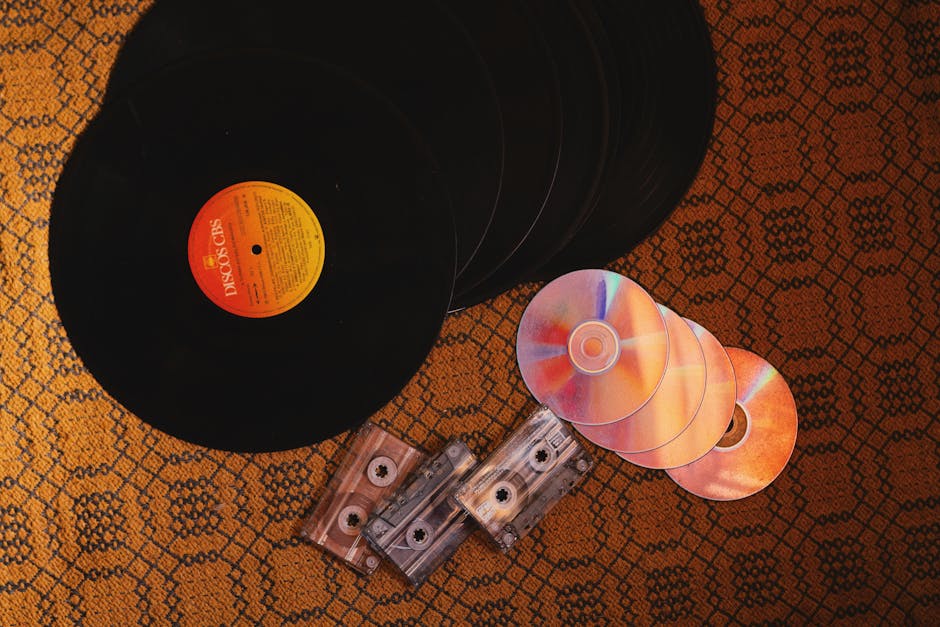
The story everyone tells about the CD is “perfect sound forever,” but the real win was random access. You could skip tracks. You could repeat one song. You could program a playback order. Vinyl made you stand up and move the needle. Cassettes made you fast-forward and guess. The CD made music behave more like a file than a recording, and that file behavior is exactly what made the MP3 and streaming inevitable. The format that ended the 80s as a “music industry” technology is the one that quietly taught a generation to treat songs as data.
Nintendo Saved Video Games From the Atari Crash
In 1983, the U.S. video game industry collapsed. Atari buried E.T. cartridges in the New Mexico desert. Magnavox bailed on the Odyssey 2. Mattel shut down Intellivision. Industry revenue fell from $3.2 billion in 1983 to $100 million by 1985. Retailers told kids’ parents the entire category was dead. Then a Japanese playing-card company that had been making arcade hardware decided to ship one more console to a market that didn’t want it.
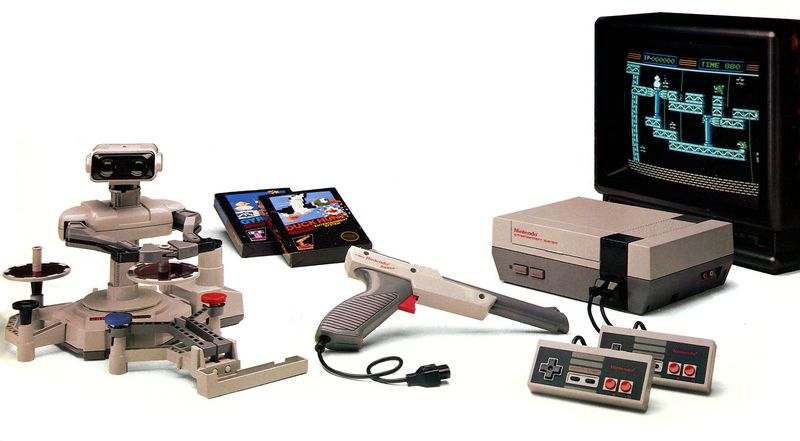
The Nintendo Entertainment System hit U.S. shelves in October 1985 as the launch console for Super Mario Bros. Nintendo did three things Atari hadn’t: a tight quality lockout chip that kept shovelware off the platform, a focus on first-party hits with characters kids would actually remember, and a long-tail third-party licensing program that turned Konami and Capcom into household names. The story of how the NES rebuilt the entire gaming industry from a smoking crater is the single best comeback case study in consumer electronics. Without the gray box, there’s no PlayStation, no Xbox, no Steam Deck.
The Game Boy Made Gaming Pocket-Sized
Four years after the NES, Nintendo did it again. The original Game Boy launched in Japan on April 21, 1989, with a 2.6-inch monochrome LCD, four AA batteries, and a copy of Tetris in the box. Spec sheet sticklers laughed — the rival Atari Lynx and Sega Game Gear were both in color. Nintendo sold 118 million units anyway. The deep-dive on how Nintendo’s grey brick swallowed handheld gaming whole credits two things: battery life and Tetris.
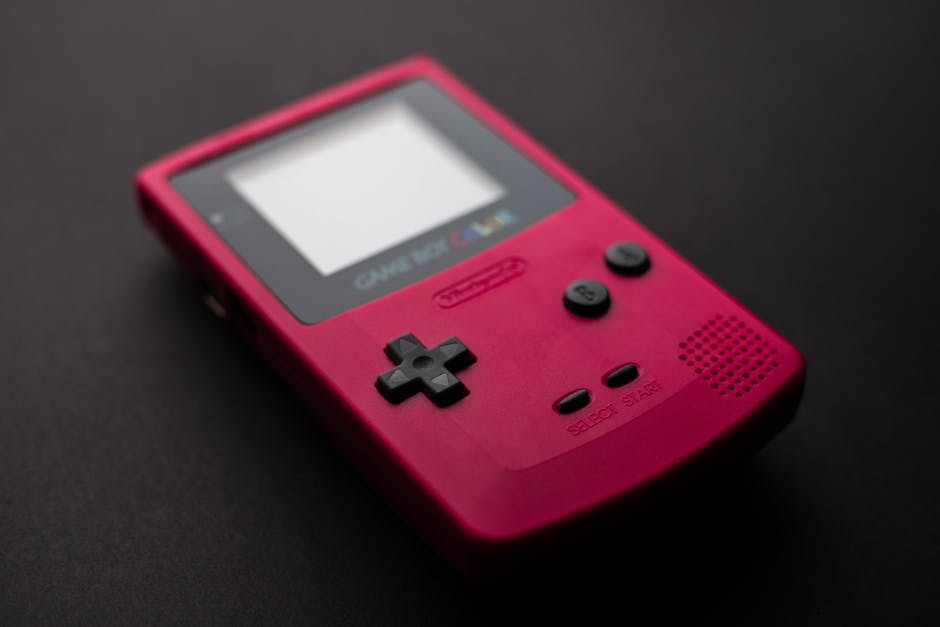
The handheld changed what gaming meant. It stopped being a couch activity tied to a TV and started being something you did on the school bus, in line at the DMV, under the covers after lights out. The Game Boy is the spiritual ancestor of every Nintendo Switch, every iPhone game, every commute spent half-zoned-out on Candy Crush. If you’ve ever played a phone game in bed, you can thank a beige plastic brick from 1989.
MTV and the Home Video Revolution
MTV launched on August 1, 1981, at 12:01 AM with the prophetic first video — The Buggles’ “Video Killed the Radio Star.” Within five years, MTV had rewired the music industry around visual presentation. A song wasn’t done when the record was pressed. It was done when the video shipped. Madonna, Michael Jackson, Duran Duran, and a hundred hair-metal bands built entire careers on three-minute clips designed for cable TV.
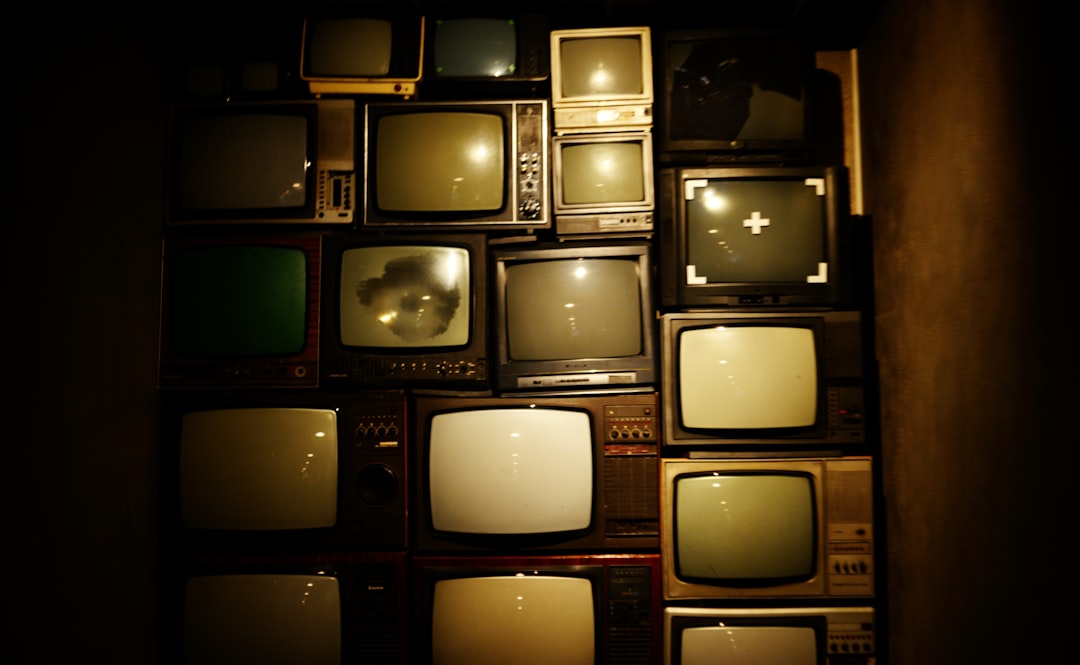
The VCR did the same thing for film. Sony’s Betamax and the rival VHS format from JVC turned every living room into a movie theater. By 1985, more U.S. households owned a VCR than a microwave. Mom-and-pop video rental stores opened on every strip mall corner — Blockbuster, the chain that would later get steamrolled by Netflix, was founded in 1985. The BBC’s coverage of the rise of home video notes that by the end of the decade, U.S. consumers were renting more movies than they were watching in theaters. Streaming inherited everything the VCR built — the on-demand habit, the binge session, the idea that you control the schedule, not the network.
The Tech Legacy: What the 80s Built That Still Runs Today
Pull the cover off any modern device and you’ll find an 80s ghost. The personal computer is now your phone. The Walkman is now Spotify and AirPods. The VCR is now Netflix. The Game Boy is now the Steam Deck. MTV is now TikTok. The cassette is now an MP3. The CD is now lossless streaming. Every consumer technology paradigm you live inside in 2026 was, in some recognizable form, prototyped between 1981 and 1989 by engineers who didn’t know they were building the next forty years.
By 1994, the tech revolution the 80s started was unmistakably everywhere — here’s what “high tech” looked like that year:
The reason this happened in this exact decade is unromantic. The microprocessor finally got cheap enough to put inside a consumer object. Sony, IBM, Apple, Nintendo, and Philips all made big bets on what consumers would want from that microprocessor, and the bets landed differently — music, work, play, video, audio — but they all paid off. The 80s wasn’t a “tech boom” the way the dot-com era was. It was the decade when computing left the lab and entered the home.
For the kids who grew up taping songs off the radio onto Maxell cassettes, learning BASIC on a Commodore 64, fighting siblings for the Nintendo controller, and watching Madonna videos at 3 PM after school — none of this was a revolution. It was just Tuesday. That’s the trick the 80s pulled. It made the future feel ordinary. The story of why this particular slice of nostalgia refuses to fade is partly about the music and the fashion, but mostly about this: the world we live in now was assembled, piece by piece, in a single decade — and the people who lived through it remember installing every part.
Sources
- Smithsonian National Museum of American History — Sony TPS-L2 Walkman Cassette Player — Permanent collection catalog entry for the original 1979 Walkman.
- Computer History Museum — Timeline of Computer History 1981 — IBM PC 5150 launch details and contemporary market context.
- BBC — How the rise and fall of home video changed cinema forever — VCR adoption stats and the Blockbuster era.
- Nintendo — Official 35th anniversary feature on the NES launch — Nintendo’s own retrospective on the 1985 U.S. release.
- Compact Disc — Format history and adoption timeline — Reference background on the 1982 launch and 1988 sales crossover.
Browse retro and vintage-inspired apparel at the RetroRadical shop →
The Retro Almanac
A monthly roundup of "on this day" highlights from that month, decades back — plus first dibs on new retro merch drops. No spam, just the good stuff.