How Old School Hip-Hop Took Over the World, 1979–1989
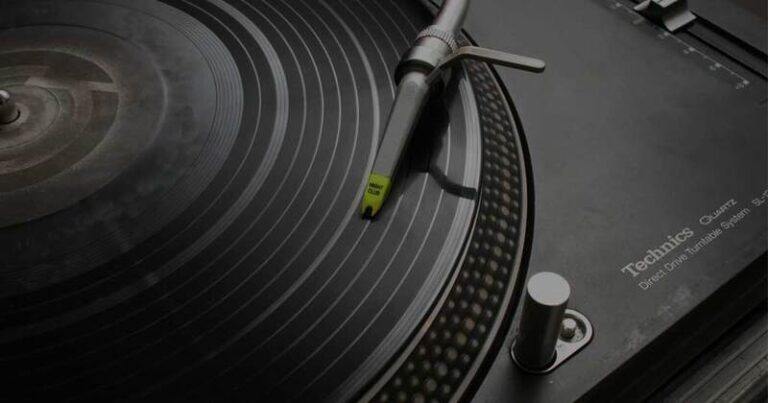
Picture a Bronx playground in the late 1970s. Somebody has run an extension cord from a lamppost, two turntables are wired into a beat-up mixer, and a DJ is doing something nobody had a name for yet: spinning the same drum break over and over, stretching four seconds of funk into forty minutes of pure motion. There were no record deals in that crowd, no MTV cameras, no platinum plaques. Just kids, crates of vinyl, and a microphone being passed around. Within ten years, that playground experiment would conquer radio, sell millions of records, and rewire popular culture for good. This is the story of old school hip-hop — the 1979 to 1989 stretch that took the genre from the lamppost to the Billboard charts.
The Record That Made the World Listen
For years, hip-hop lived entirely on cassette tapes traded hand to hand. Park jams in the Bronx had been happening since DJ Kool Herc threw his legendary back-to-school party in 1973, but nobody outside New York had heard a note of it. That changed in the fall of 1979, when a New Jersey label called Sugar Hill Records released a fifteen-minute single by three rappers nobody had ever heard of.
“Rapper’s Delight” by the Sugarhill Gang was, by the standards of the underground scene, almost an accident. The trio weren’t established park-jam legends — they were assembled quickly to cash in on a sound that label owner Sylvia Robinson sensed was about to break. It didn’t matter. Built over the bassline from Chic’s “Good Times,” the song became a global phenomenon, selling millions of copies and giving the rest of the planet its first taste of this thing called rap. Suddenly the word “hip-hop” — lifted straight from the song’s opening lines — had a soundtrack you could buy in a store.
The Retro Almanac
A monthly roundup of "on this day" highlights from that month, decades back — plus first dibs on new retro merch drops. No spam, just the good stuff.
Two Turntables and a Whole New Language
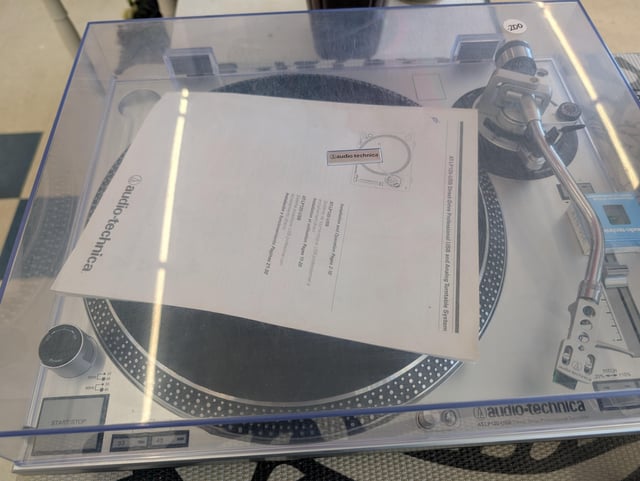
While the Sugarhill Gang took rap to the radio, the real architects were still in the boroughs, inventing the technology of the genre in real time. Grandmaster Flash didn’t just play records — he treated the turntable like an instrument, perfecting the backspin, the cut, and the quick mix so he could loop a break indefinitely. His group, the Furious Five, turned rap into something with weight and message.
In 1982, Grandmaster Flash and the Furious Five released “The Message,” and the genre grew up overnight. Gone were the party boasts and dance-floor chants. In their place was a grim, unflinching portrait of inner-city life — “Don’t push me ’cause I’m close to the edge” — that proved rap could be journalism, protest, and poetry all at once. It’s still one of the most influential records ever made, hip-hop or otherwise.
Meanwhile, in the South Bronx, Afrika Bambaataa was thinking even bigger. A former gang member who founded the Universal Zulu Nation to channel street energy into music and dance, Bambaataa fused electro and Kraftwerk-style synths into 1982’s “Planet Rock.” That single basically invented electro-funk and seeded entire genres of dance music that are still mutating today. The old school wasn’t one sound — it was a laboratory.

From the Streets to the Charts: Kurtis Blow and the First Stars
Hip-hop needed its first bona fide solo star, and it got one in Kurtis Blow. In 1979 he became the first rapper signed to a major label (Mercury), and his 1980 single “The Breaks” became the first certified gold rap record. Blow toured, appeared on TV, and proved a rapper could be a mainstream entertainer — not just a name on a 12-inch.
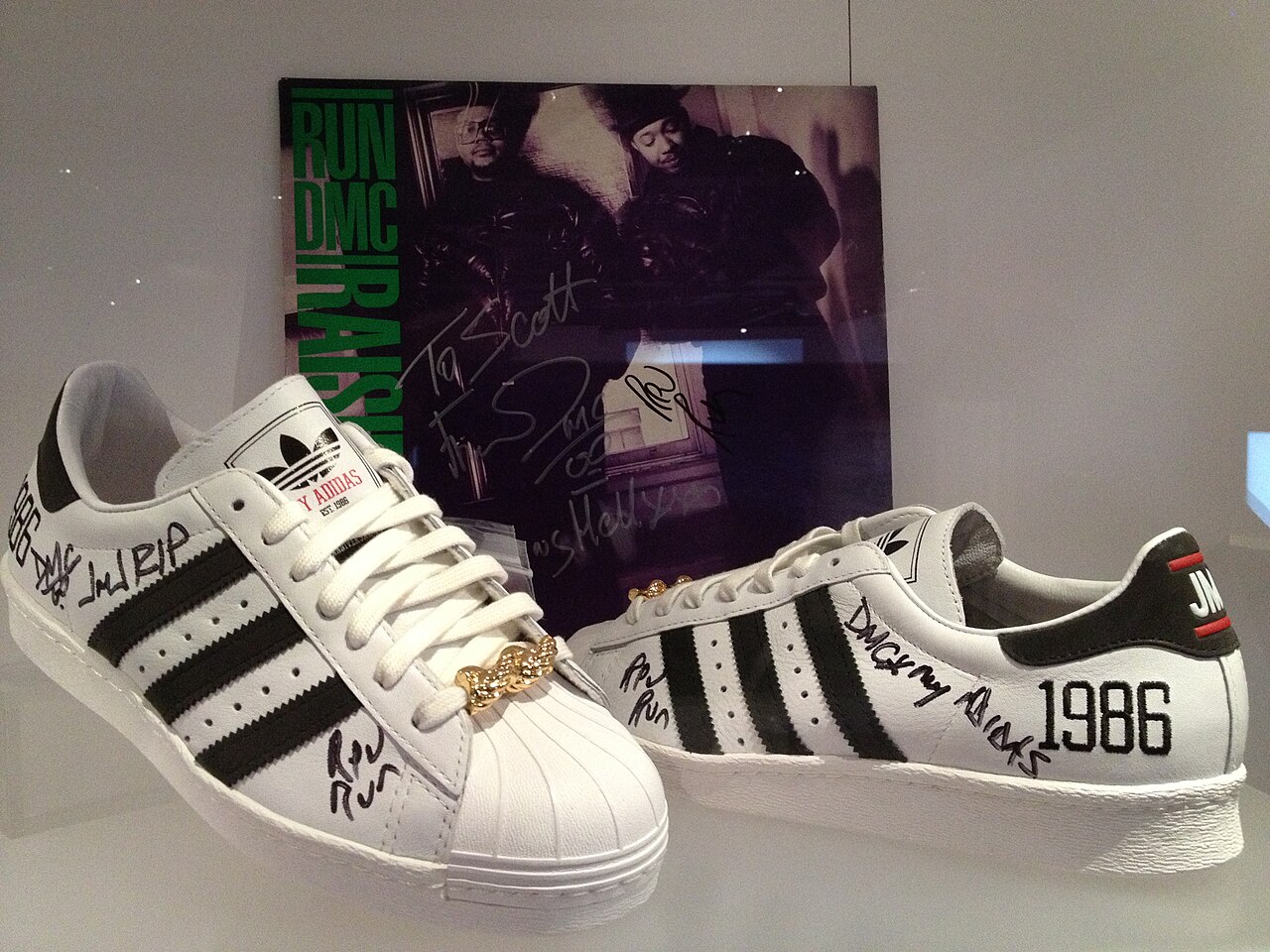
The early-80s old school had its own unmistakable look, too. This was the era of the Kangol bucket hat, the sheepskin coat, the fat rope chains, the AJ shell-toe sneakers, and the Cazal glasses. Fashion and music were inseparable. What you wore at the jam told everyone which crew you ran with and which DJ you followed. Breakdancers spun on flattened refrigerator boxes in the park while graffiti writers turned subway cars into rolling murals. Hip-hop was never just music — it was four elements moving together: DJing, MCing, breaking, and writing.
Run-DMC Kicks Down the Door
If the early old school was about block parties and disco breaks, the middle of the decade belonged to a harder, leaner sound — and three guys from Hollis, Queens, who looked nothing like rock stars. Run-DMC stripped everything down to booming drum machines, screaming guitars, and two MCs trading lines like a tag team. No flashy disco suits. Just black hats, Adidas tracksuits, and unlaced shell-toes.
Their 1986 album Raising Hell blew the doors off. The Aerosmith collaboration “Walk This Way” put a rap group on MTV in heavy rotation and into the Billboard Top 5 — a crossover that felt impossible just a couple of years earlier. When Run-DMC played a sold-out Madison Square Garden and tens of thousands of kids held their Adidas in the air during “My Adidas,” the brand reportedly took notice and inked the first major sneaker endorsement deal with a music act. The line between street and mainstream was officially gone.
The Boombox Years
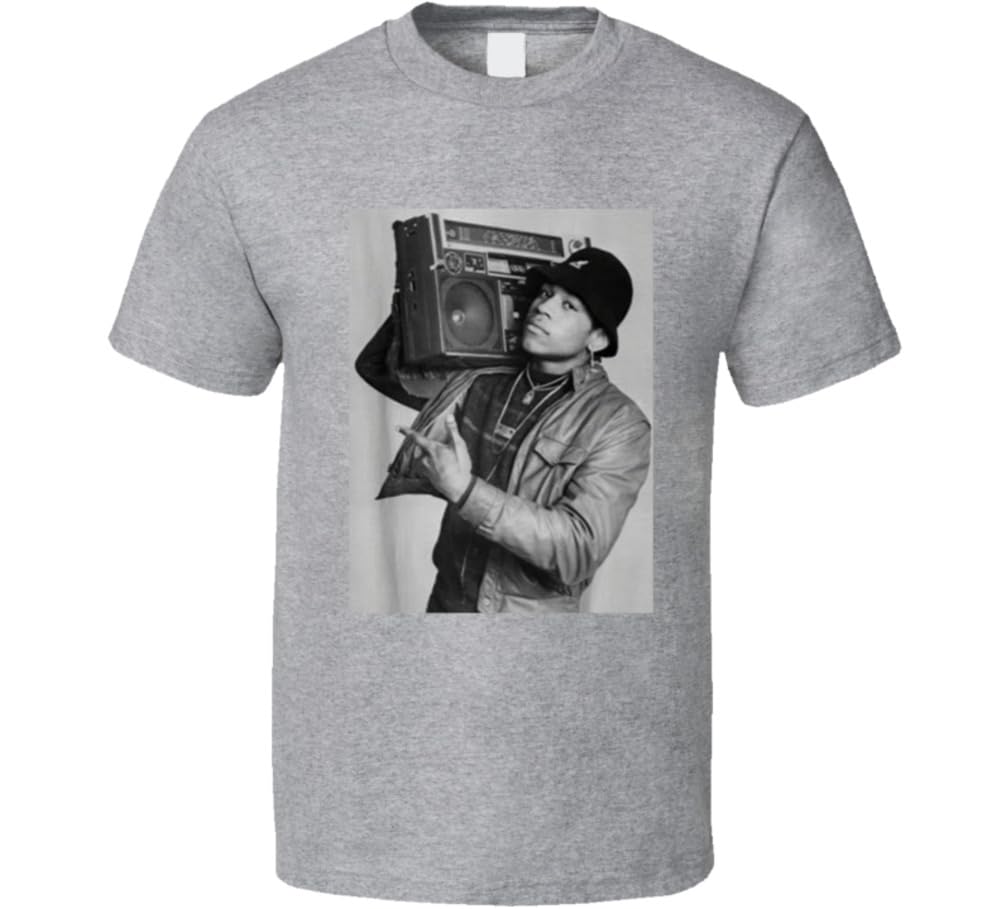
No single object screams old school hip-hop louder than the boombox. Massive, chrome-trimmed, eating ten D-batteries at a clip, the portable stereo turned any street corner into a venue. You carried it on your shoulder, cranked the bass, and dared the neighborhood to ignore you. It was rebellion you could plug in.
And no one married the boombox to the music better than a teenager from Queens named LL Cool J. His 1985 single “I Can’t Live Without My Radio” was practically a love letter to the machine, and his debut Radio was the first full-length album on a brand-new label called Def Jam. That label — founded by Rick Rubin in his NYU dorm and run with promoter Russell Simmons — would become the engine room of hip-hop’s mainstream explosion, eventually home to the Beastie Boys, Public Enemy, and more.
The Golden Age Begins
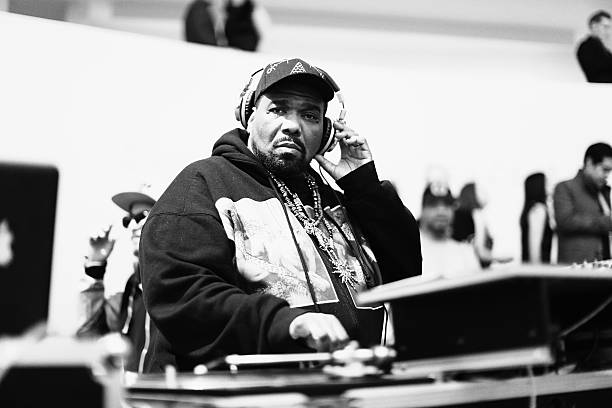
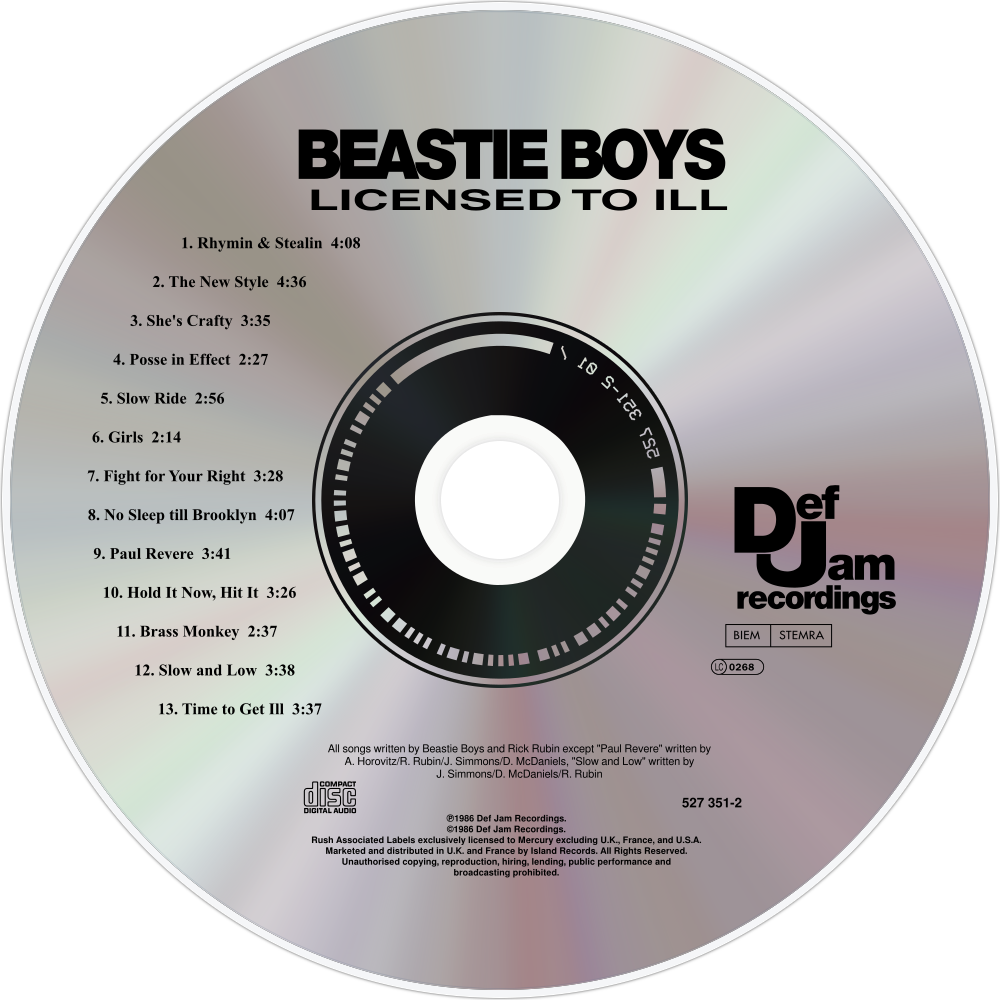
By the back half of the 1980s, old school was sprinting toward what fans now call hip-hop’s golden age. The Beastie Boys’ Licensed to Ill became the first rap album to top the Billboard 200 in 1987, dragging rap into suburban bedrooms across America. Public Enemy weaponized the genre into political dynamite. Boogie Down Productions, Eric B. & Rakim, and a young Long Island crew called De La Soul were busy rewriting what an MC could do with rhythm and rhyme — Rakim alone made every rapper before him sound like they were counting on their fingers.
It’s fitting that the old school era’s bookend, 1989, was also the year hip-hop got its first Grammy category. The award show didn’t even televise the trophy, prompting several nominees to boycott — a final reminder that the establishment still didn’t quite know what to do with this music. But it didn’t matter. The genre that started with an extension cord and a stolen drum break was now too big to ignore.
Why the Old School Still Matters
Listen to anything on the charts today and you’re hearing echoes of that ten-year stretch. The loop, the sample, the breakbeat, the call-and-response, the idea that a kid with a microphone and something to say can build a global movement from nothing — all of it was invented or perfected between 1979 and 1989. Streaming, trap, drill, K-pop’s rap verses, the beat under a car commercial: it all traces back to those crates of vinyl in the Bronx.
For Gen X, the old school is muscle memory. It’s the rope chain you begged your parents for, the cardboard you dragged to the schoolyard, the cassette you wore thin rewinding “The Message.” It was the soundtrack to growing up in a decade that suddenly had a brand-new beat. And the best part? It still slaps. Dust off the classics, crank the bass the way the boombox gods intended, and you’ll understand why this music never really went out of style.
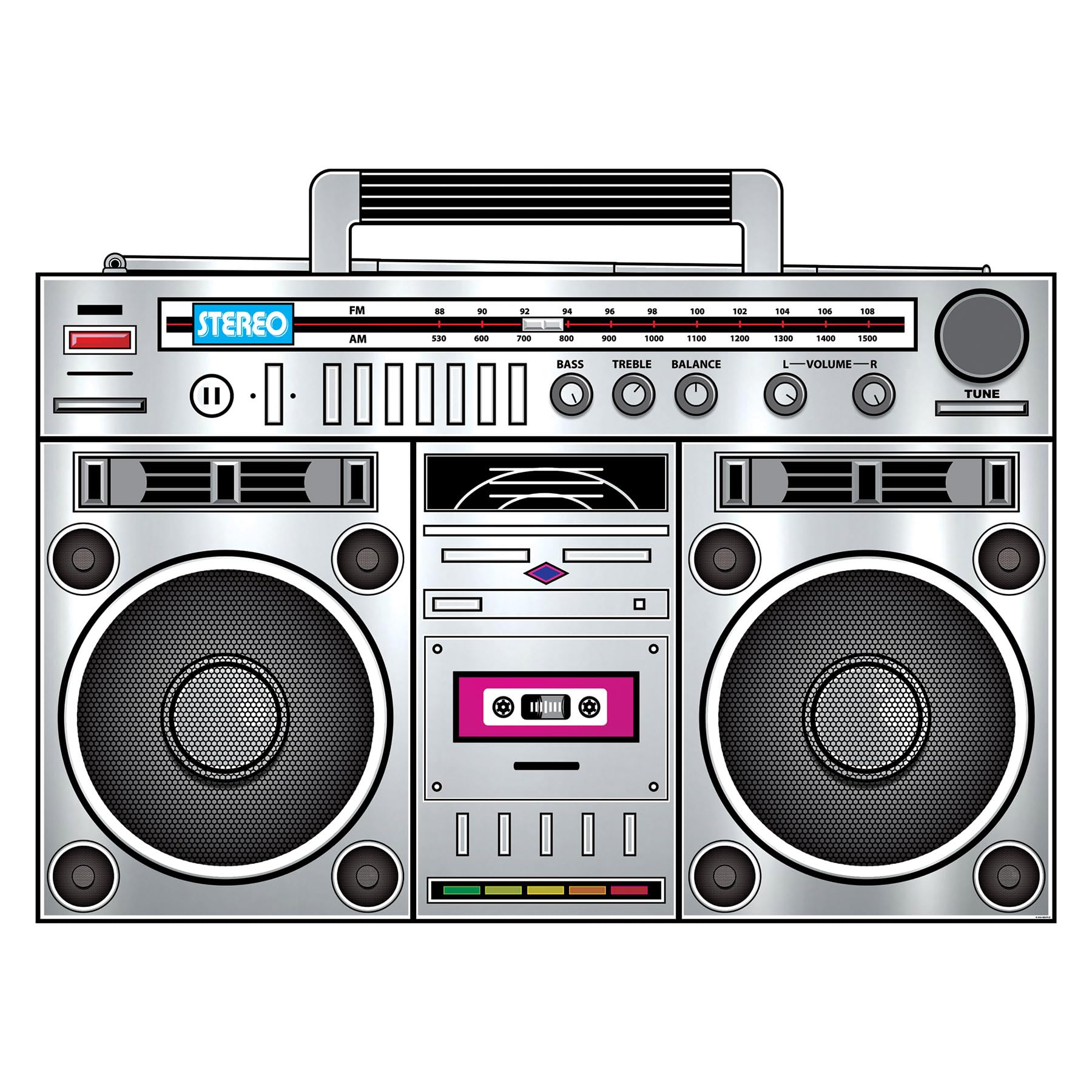
Bring the Old School Home
Want to relive the era? Hunt down the records that started it all on vinyl, or grab a retro boombox to play them the right way. Here are a couple of easy starting points:
- Old school hip-hop vinyl records — the Sugarhill Gang, Grandmaster Flash, and Run-DMC classics on wax
- Retro boombox cassette players — for the authentic shoulder-carry experience
Sources
- Wikipedia — Old-school hip hop
- Wikipedia — “Rapper’s Delight”
- Wikipedia — “The Message”
- Rock & Roll Hall of Fame
Browse retro and vintage-inspired apparel at the RetroRadical shop →
The Retro Almanac
A monthly roundup of "on this day" highlights from that month, decades back — plus first dibs on new retro merch drops. No spam, just the good stuff.