Colors 1988 Movie: 9 Reasons This LA Gang Film Still Hits
The Colors 1988 movie grossed $46 million on a $10 million budget and dropped a hip-hop title track that Ice-T still calls the most important song of his career — but the real story is that Dennis Hopper, the man who blew up Hollywood with Easy Rider in 1969, spent nineteen years in the wilderness before getting another shot at directing. He came back with a buddy cop movie set inside the Crips-Bloods gang war, hired actual gang members as extras and security, and made the only mainstream studio film of the late 80s that treated South Central Los Angeles like a place real people lived. That’s why Colors still hits.
Why the Colors 1988 Movie Still Hits Different
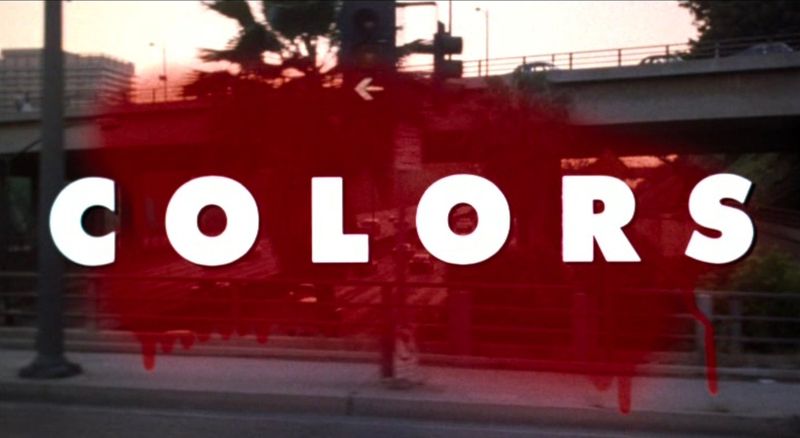
Most cop films from the Reagan era treated street violence as set dressing for one-liners. Beverly Hills Cop had Eddie Murphy joking through shootouts. Lethal Weapon turned PTSD into a punchline. Colors opened with a black-and-white intercut of an actual gang funeral and a shot of Watts Towers rising out of South Central like a monument to a neighborhood Hollywood pretended didn’t exist. By the third minute you know this is not Lethal Weapon.
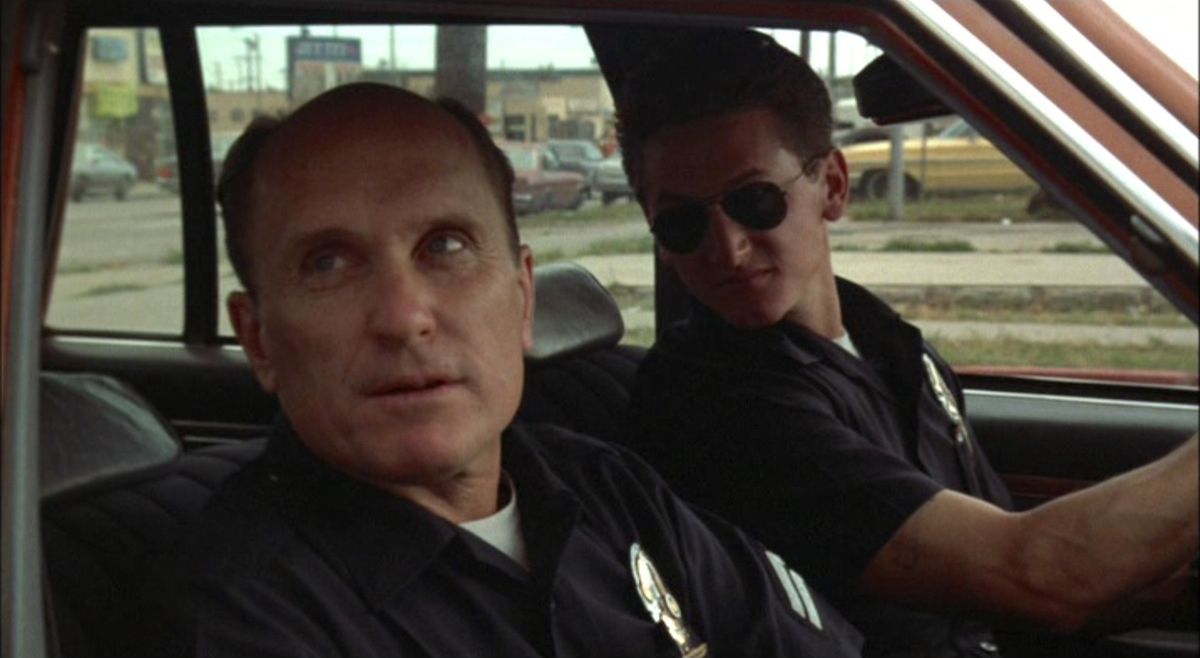
The film follows Bob Hodges (Robert Duvall), a veteran LAPD officer working the Community Resources Against Street Hoodlums unit — the real-life C.R.A.S.H. squad — and his rookie partner Danny McGavin (Sean Penn). Hodges talks. McGavin escalates. The movie is built around that contrast, but the gang members they encounter aren’t backdrop. Don Cheadle plays Rocket. Glenn Plummer plays Clarence “High Top” Brown. Both turn in performances that read like they were lived in, not memorized.
Dennis Hopper Bet His Whole Career on This Movie

Hopper had not directed a feature since 1971’s The Last Movie, a financial and critical disaster that effectively blacklisted him from Hollywood. By 1986 he was sober for the first time in two decades and clawing his way back through supporting roles — Blue Velvet, Hoosiers, an Oscar nomination. When producer Robert Solo offered him Colors, the original Richard Di Lello script was a Chicago drug-dealing story. Hopper killed it. He wanted Los Angeles, and he wanted gangs, not narcotics.
Michael Schiffer rewrote the whole thing. Hopper hired cinematographer Haskell Wexler — the guy who shot One Flew Over the Cuckoo’s Nest and Bound for Glory — and gave him license to shoot in real locations with real people. In 1987, on the verge of cameras rolling, Hopper drove around South Central with a Polaroid camera documenting gang graffiti. Those Polaroids were later published as their own art book. He was researching the movie like an anthropologist, not a director.
Sean Penn and Robert Duvall: The Buddy Cop Formula Gets Real

Penn was 27 and already trouble. Three weeks before Colors wrapped, he punched an extra on set and ended up doing 33 days in jail. Duvall was 57, a Vietnam veteran himself, and had just done The Great Santini and Tender Mercies. The age gap, the temperament gap, the on-screen friction — none of it was acted. They just turned the cameras on.
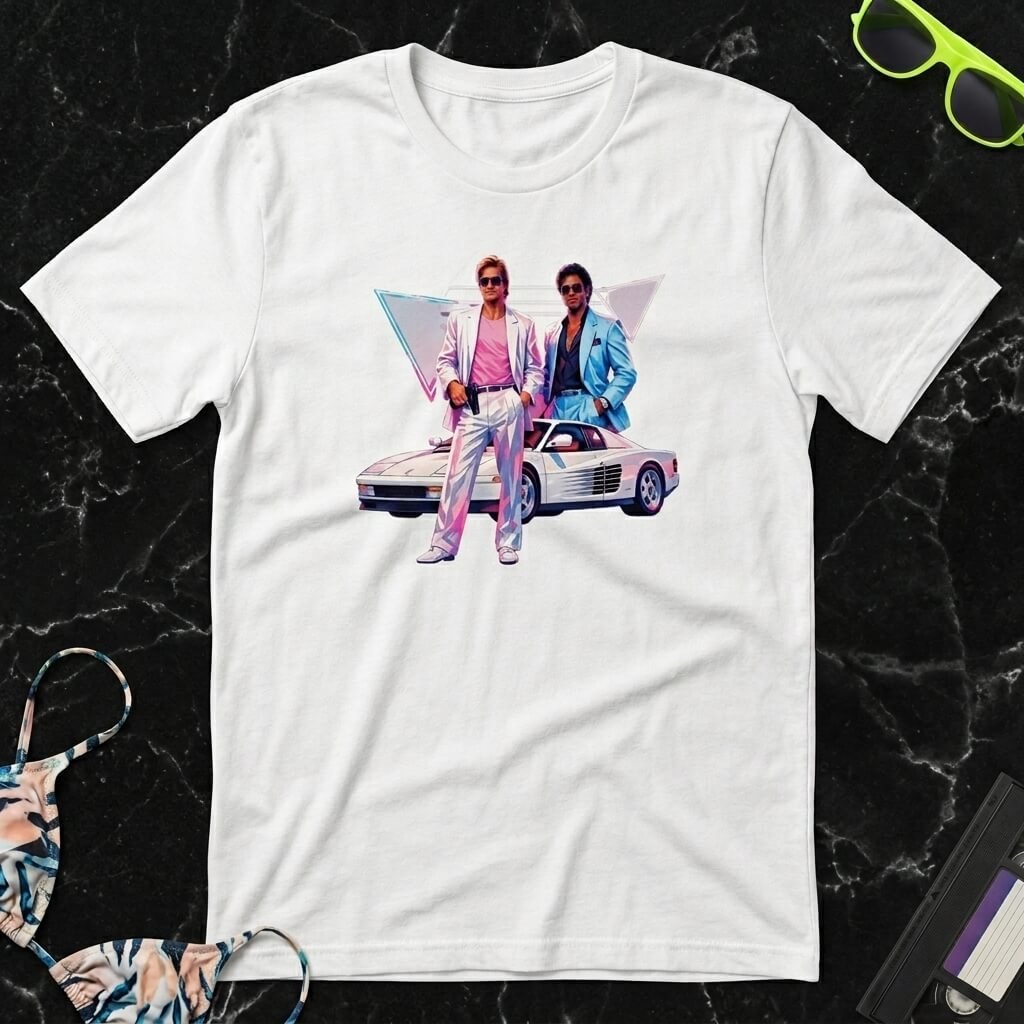
Hodges keeps trying to teach McGavin that the gangs have rules, families, history. McGavin keeps trying to break their faces. The arc is the rookie discovering that being right isn’t the same as being effective, and the veteran discovering that all the patience in the world doesn’t save you from a stray round. The film borrows from the same buddy-cop chassis that Miami Vice was already running on TV, then strips out the Ferrari and the linen suits. Same era, completely different planet.
The Real LA: Echo Park, Watts, and Boyle Heights

Location manager Kojo Lewis locked down 85% of the shoot in two and a half weeks, which is the kind of stat that doesn’t sound impressive until you remember the studios had spent the previous decade pretending parts of Los Angeles didn’t exist. The crew shot under the Lorena Bridge in Boyle Heights for the White Fence sequences. They used the abandoned Toluca Substation and Belmont Tunnel in Westlake for 21st Street territory. They went to Watts Towers, to Venice Beach, to a hilltop near Figueroa Terrace for the final raid.

Lewis later told L.A. Taco that the cardinal rule was simple: “as long as you can say good morning and hello, you won’t have a problem.” That’s not a Hollywood quote. That’s a neighborhood quote. The film shows what happens when you ask a community for permission instead of treating it like a backlot.
The Crips and Bloods Were Actually There

Real gang members worked as security and as extras. Hopper had them choreograph their own hand signs, their own dialogue cadence, their own walks. Multiple sources have confirmed the production paid Crips and Bloods consultants directly. Whether this was bold filmmaking or naive cultural tourism depends on which critic you read, but the screen result is unmistakable — the gang members on camera carry themselves like people who have nothing to prove, because half of them aren’t acting.
The film opens by citing the actual numbers: “600 gangs, 70,000 gang members, 400 gang-related murders in Los Angeles County each year.” That last figure was real. By 1988, gang-related homicides in LA County were on a trajectory that would peak above 800 per year by 1992. The crack cocaine economy was rewriting South Central’s street economy in real time, and LAPD Chief Daryl Gates had launched Operation Hammer the summer before the cameras rolled, sweeping up over 1,400 suspects in a single weekend. Colors didn’t invent any of this. It just showed up.
Ice-T’s Theme Song Was Bigger Than the Movie
The soundtrack peaked at number 31 on the Billboard 200 and went gold by July 1988. The title track, written and produced by Ice-T with Afrika Islam, became one of the foundational records in West Coast hip-hop. Ice-T has called it the most important track of his career, and he isn’t being modest. Before Colors, gangsta rap existed at the edges. After Colors, it had a movie tie-in, a music video on MTV, and a national platform.
The video, shot against a white painted brick wall with film clips projected behind Ice-T, looked like nothing else MTV was playing in 1988. The same network that had spent the year promoting MC Hammer’s parachute pants and Run-DMC’s Adidas crossover suddenly had a record about getting shot by police in regular rotation. The Parental Music Resource Center had been hyperventilating about Prince two years earlier. Colors made Tipper Gore’s worst fears look quaint.
Theater Violence and the Moral Panic

Within a week of opening on April 15, 1988, theaters in Stockton, Chicago, and parts of Los Angeles reported shootings and stabbings in their parking lots. One teenager died outside a screening in Stockton. Several cities pulled the film. The Los Angeles Police Department itself asked Orion Pictures to delay the release. Hopper refused, arguing — correctly — that the violence wasn’t being caused by the film, it was the existing reality the film was depicting.
The moral panic that followed was textbook 1988. Time magazine ran think pieces. Cop unions called for boycotts. The same year would later see the Parental Advisory sticker roll out across the music industry. Colors wasn’t the cause of any of it, but it became a convenient symbol — the kind of cultural lightning rod that gets blamed for what’s already been happening for ten years.
Where Colors Sits in the Hood Films Canon

The honest answer is that Colors is the pre-history of the hood film, not the genre itself. It’s a film about LA gangs made by white filmmakers from the cops’ point of view. The real hood film canon — Boyz n the Hood in 1991, Menace II Society in 1993, Juice in 1992 — would tell these stories from inside the neighborhood. John Singleton was 20 years old when Colors came out and reportedly hated it. Three years later he made his own answer.
But credit where it’s due. Colors proved a studio could make money on a movie about Black and Latino LA. It opened a door. The hood film boom of the early 90s walked through it. Without Colors, the financial argument that made Boyz possible is harder to make. The film matters most for what it permitted.
What Colors Got Wrong (and What It Got Right)
The film’s biggest blind spot is the same one most 80s gang dramas had: María Conchita Alonso’s character, Louisa Gomez, exists mostly as romantic collateral damage. The screenplay sketches her in three notes — Latina, working-class, conflicted — and then uses her relationship with McGavin to mark his moral collapse. She deserves better, and the actress is doing more work than the writing earned. Critics at the time noticed. The 2025 retrospective at Collider still flags the same issue.
What the film got right was less about plot than about texture. The cars are real cars from the neighborhood. The graffiti on the walls isn’t set-dressed — Hopper hired a graffiti artist to add tags that were accurate to each block’s actual gang. The music in scenes isn’t the soundtrack on top of the film; it’s the radio that would have been playing in those cars on those streets. Authenticity in the small details is the thing studios usually skip because nobody outside the neighborhood will notice. Hopper kept it in.
How Colors 1988 Movie Holds Up in 2026
Rotten Tomatoes still has it at 75% with critics. Metacritic puts it at 66, which Roger Ebert helped push higher by calling it “a special movie” that took gang violence seriously instead of stylizing it. The film’s portrayal of the C.R.A.S.H. unit aged in complicated ways — by 2000, real-world C.R.A.S.H. officers were at the center of the Rampart scandal, one of the worst LAPD corruption cases on record. The unit was disbanded. The movie’s good cop / bad cop framework reads differently with that history in mind.
What still works is the texture. Haskell Wexler’s golden-hour cinematography. The way Hopper shoots a neighborhood like it has weight. The Ice-T theme over the opening credits. The Don Cheadle and Glenn Plummer performances, both of which were career launches done before either actor was a household name. Watch the film cold today and the most striking thing is how restrained it is. There are no shootout montages set to a power ballad. The violence costs something every time it happens.
If you came up in the late 80s, this is one of the films that taught a generation of suburban kids that LA wasn’t a postcard. If you didn’t, it’s the missing context for everything Boyz n the Hood and Menace would do next. Either way, put it on. Forty years on, the truth is that most cop movies from 1988 have aged like milk — Colors has aged like vinyl.
Sources
- Colors (1988 film) — Wikipedia — production, box office, and cast details
- Looking Back at Five L.A. Film Locations from Dennis Hopper’s Colors — L.A. Taco — location manager Kojo Lewis on shooting in Boyle Heights, Watts, and Venice
- Dennis Hopper Directed Robert Duvall and Sean Penn in This Bold, Brutal ’80s Gang War Thriller — Collider — critical retrospective
- Colors (1988) — IMDb — full cast, runtime, and release data
- Colors by Ice-T — Songfacts — origins of the title track and Ice-T’s own commentary
- Colors (1988) — Nostalgia Central — plot summary and review