Diff’rent Strokes Cast and the Curse That Wouldn’t Lift
There’s a term that gets thrown around in Hollywood: “the curse.” Most of the time it’s tabloid nonsense designed to sell magazines at the supermarket checkout. But the Diff’rent Strokes cast didn’t get a curse invented by a National Enquirer headline writer. They lived through one — three child stars chewed up by NBC’s biggest sitcom of the early 1980s, then spit out the other side without anybody at the network bothering to check if they’d landed safely.
The show itself was a feel-good fantasy about family, race, and second chances. The lives of its young stars became something else entirely: a long cautionary tale about what fame does to kids when no adult in the room is willing to say no to a paycheck.
The Retro Almanac
A monthly roundup of "on this day" highlights from that month, decades back — plus first dibs on new retro merch drops. No spam, just the good stuff.
The Show That Charmed America Into Looking the Other Way
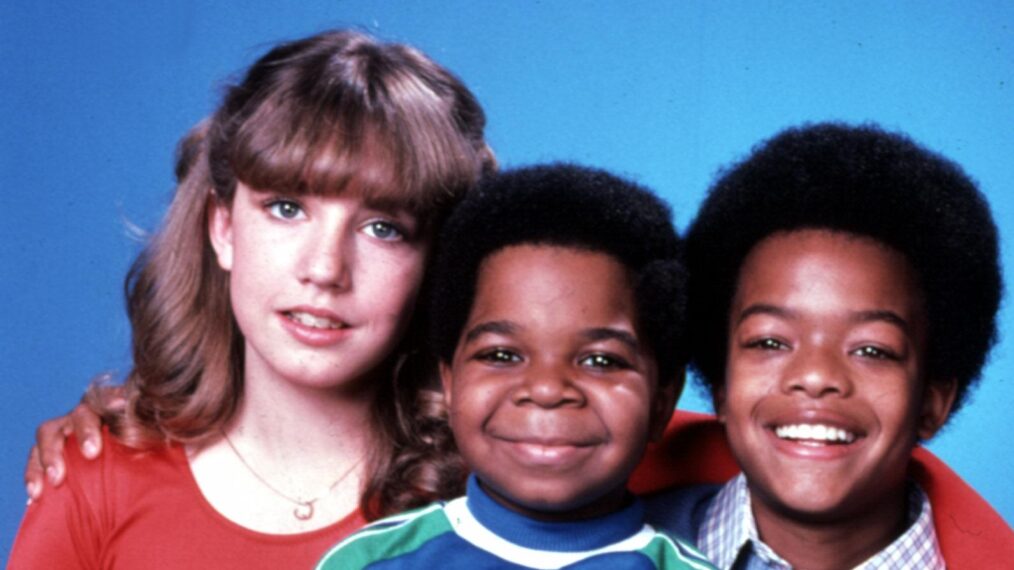
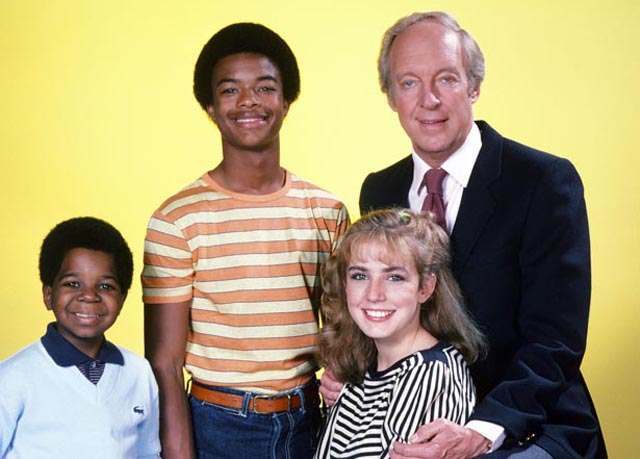
Diff’rent Strokes premiered on NBC on November 3, 1978 and ran for eight seasons until 1986. The premise was simple enough to fit on the back of a TV Guide: wealthy Manhattan businessman Philip Drummond (Conrad Bain) adopts Arnold and Willis Jackson (Gary Coleman and Todd Bridges), the sons of his deceased Black housekeeper, fulfilling a deathbed promise to give them a better life. Dana Plato played Kimberly, Drummond’s biological daughter and the unofficial big sister of the household.
In the late ’70s, this was fairly bold stuff. A transracial adoption story played for laughs but with real heart underneath. The show tackled racism, kidnapping, drug abuse, eating disorders, and child sexual predators — often in the now-famous “very special episode” format that became a punchline for an entire generation. The same network that aired Mr. T flexing through The A-Team on Tuesday night was doing PSAs about peer pressure on Saturday.
By 1979 the show was a top-five hit. Gary Coleman’s catchphrase — “What you talkin’ ‘bout, Willis?” — had gone supernova. He was on lunch boxes, in cameo appearances on every variety show on the dial, and getting paid roughly $70,000 a week at his peak. He was eleven years old. Nobody on set was thinking about what happens when an eleven-year-old’s parents control the bank account.
Gary Coleman Was a Millionaire Who Worked as a Security Guard
The Gary Coleman story is the one that gutted everybody. The kid with the impossible comic timing — born with a congenital kidney disease that stunted his growth and forced him through two transplants before he was a teenager — earned somewhere north of $18 million across the show’s run. By the time he was twenty, he had almost none of it left.
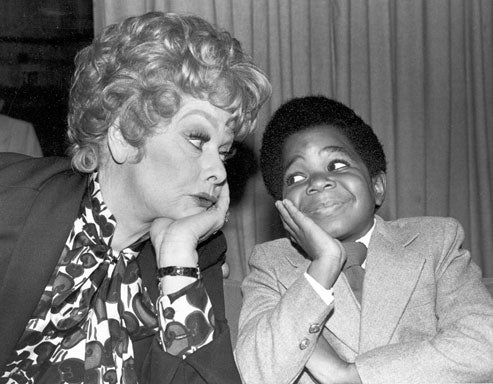
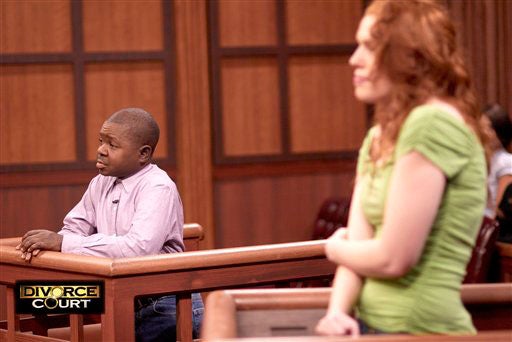
In 1989, Coleman sued his parents and his former business manager for misappropriation of his trust fund. He won a judgment of roughly $1.3 million in 1993, but the money was already gone. His parents had bought houses, cars, and lifestyles on his back. By 1999, he filed for bankruptcy. By 2000, he was working as a mall security guard in California. The man whose face had once sold more cereal than Tony the Tiger was now checking IDs at a Bullock’s, getting recognized by middle-aged shoppers who couldn’t reconcile what they were seeing.
Coleman bounced between reality TV gigs, a failed run for governor of California in 2003 (he came in eighth out of 135 candidates, beating actual politicians), and tabloid stories about his health and his temper. He died in May 2010 from an intracranial hemorrhage after a fall at his Utah home. He was 42 years old. His ex-wife pulled life support without consulting his parents. The dignity-free arguments over his estate went on for years afterward.
Dana Plato’s Career Ended the Day She Got Pregnant
Dana Plato had been a Tic Tac model and a Wrigley’s gum kid before she was hired to play Kimberly Drummond. She was the only original cast member who got an actual childhood before the show — and she was the first one the show threw overboard.
In 1984, Plato got pregnant. The producers responded the way producers in the early 1980s responded to teenage pregnancies on family sitcoms: they wrote her out. She was reduced to a recurring role and eventually cut loose entirely as the show limped to its 1986 finale. The official line was that the pregnancy didn’t fit the “wholesome family” brand. The unofficial line was that nobody at NBC was going to bend the show around a 19-year-old in trouble.
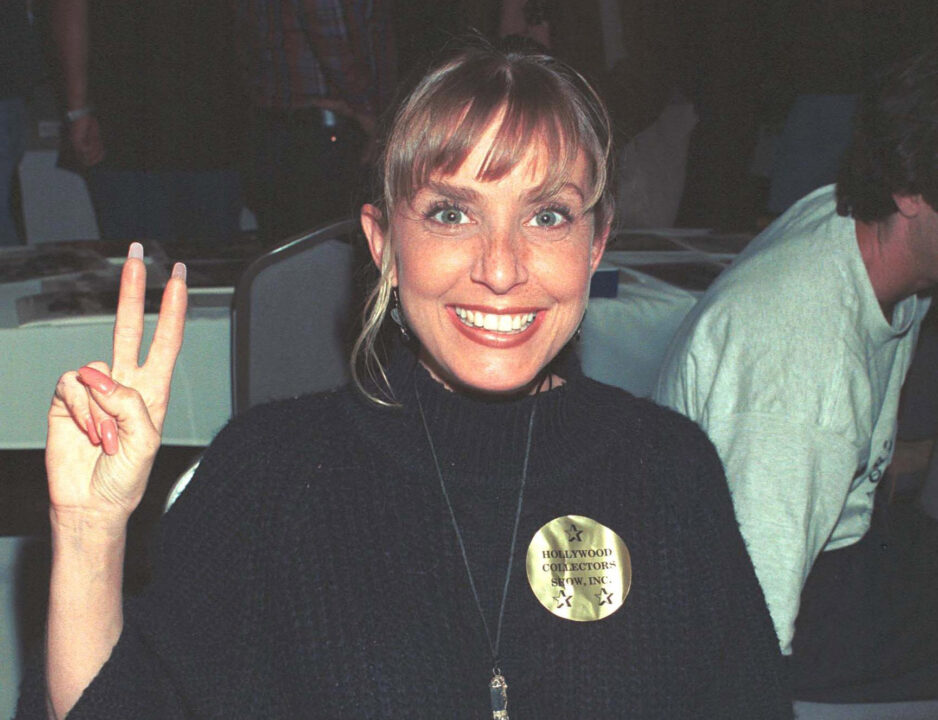
What followed reads like a screenplay nobody would buy because it’s too on the nose. Plato lost custody of her son. She posed for Playboy in 1989, hoping to reset her image as an adult actress. In 1991, she walked into a Las Vegas video store with a pellet gun and robbed it for $164. The manager called police — he recognized her from the show. Wayne Newton paid her bail. She spent the rest of the decade fighting addiction, doing direct-to-video B-movies, and trying to reclaim a career that the industry had already filed under “cautionary tale.”
On May 8, 1999 — Mother’s Day — Dana Plato died of an overdose of painkillers and the muscle relaxant carisoprodol in a Winnebago parked outside her fiancé’s mother’s house in Oklahoma. She was 34. Her son, Tyler Lambert, died by suicide in 2010 at age 25. The wreckage kept compounding.
Todd Bridges Is the One Who Survived
If the Diff’rent Strokes curse has a survivor, it’s Todd Bridges, and he didn’t survive easily. Bridges was eleven when the show started and had already been working — appearances on The Waltons, Little House on the Prairie, Roots — for years. He’d also been sexually abused by his publicist as a kid, a fact he didn’t make public until his 2008 memoir Killing Willis.
By the late 1980s, Bridges was a teenager with money, no supervision, and crack cocaine within easy reach in Los Angeles. The arrest blotter from that era reads like a list of B-side R&B song titles: shooting a drug dealer (acquitted), illegal possession of a concealed firearm, stabbing a man in a fight, attempted murder (acquitted again — Johnnie Cochran defended him before the O.J. trial). He once tried to outrun the LAPD in a stolen pickup truck. He overdosed in a crack house. He has been candid in interviews about how close he came to dying — multiple times — in ways the public never heard about.
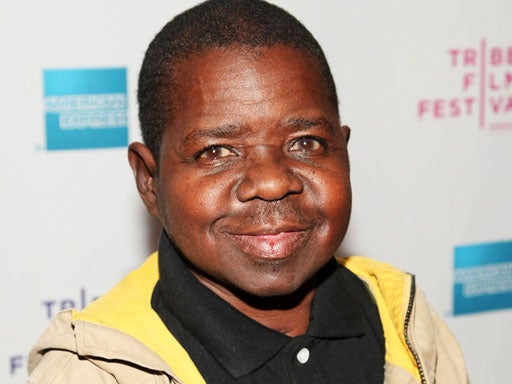
He cleaned up in the early 2000s, became a fixture on reality TV (The Surreal Life, Skating with Celebrities, Celebrity Boxing where he absolutely demolished Vanilla Ice), and put together a second act as the kind of guy who shows up on talking-head documentaries and tells the whole truth without flinching. In interviews about Coleman’s death, Bridges has been blunt about how the industry — and Coleman’s own family — drained him.
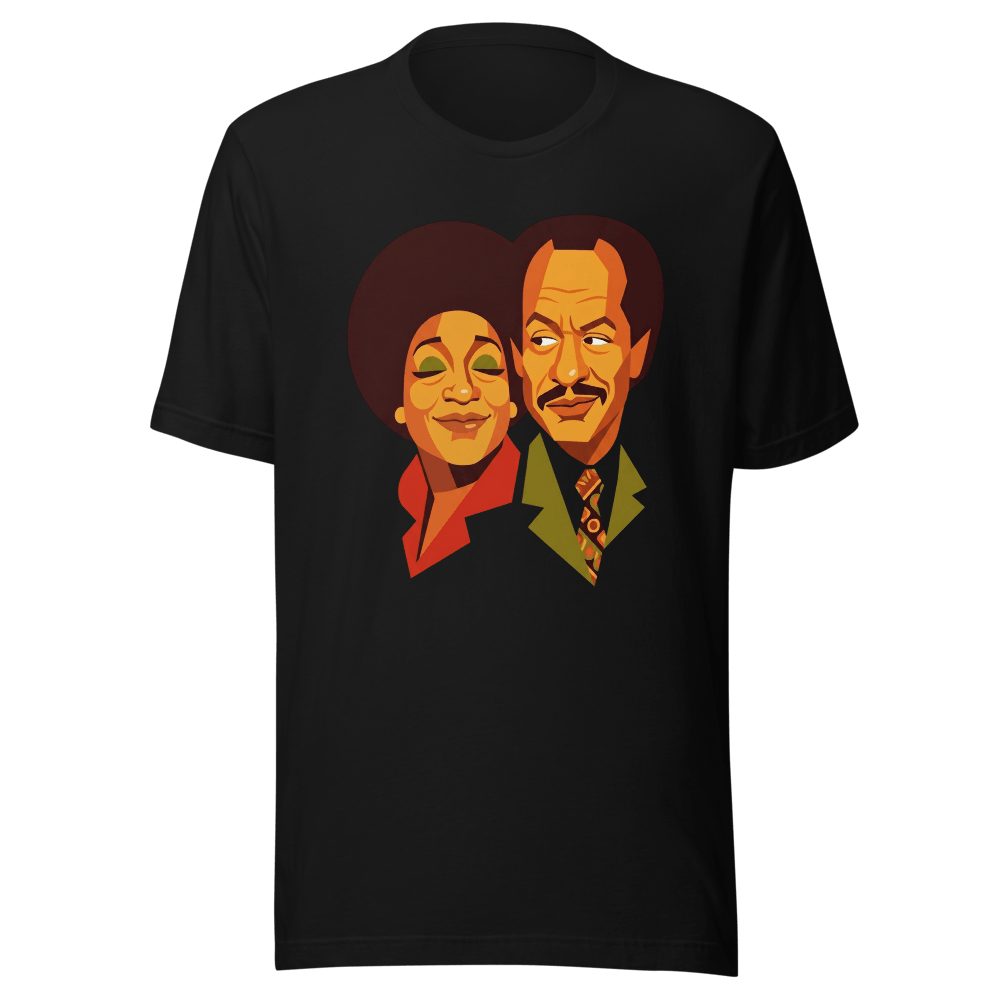
Conrad Bain Was the Adult Nobody Else Was
Conrad Bain — the Canadian character actor who played Mr. Drummond — was the one cast member who actually behaved like a parent off-camera. He was 55 when the show started, already established from Maude, and he treated the kids like kids. He testified on Bridges’ behalf at the 1990 attempted murder trial. He showed up for Coleman in court when his parents wouldn’t. When Bain died in January 2013 at age 89, Bridges called him “a second father.”
That detail matters because it tells you what was actually wrong with the show’s production: the on-camera dad was the only functional adult in the kids’ lives. The producers, the studio, the network, and the actual parents — every other adult who could have stepped in chose not to. The show that lectured America about predators on Saturday nights had no system in place to protect its own stars.
What the Curse Really Was
You can call it a curse if it’s easier to file the story under “cosmic bad luck.” But the truth is more boring and more damning. The Diff’rent Strokes “curse” was a child labor system without guardrails. California’s Coogan Law — the one that’s supposed to protect child actors’ earnings — had loopholes wide enough to drive a Brinks truck through, and Coleman’s parents drove right through them. The same studios that sold wholesome family content to America’s living rooms were paying lawyers to keep that money flowing out of trust accounts faster than the kids could legally object.
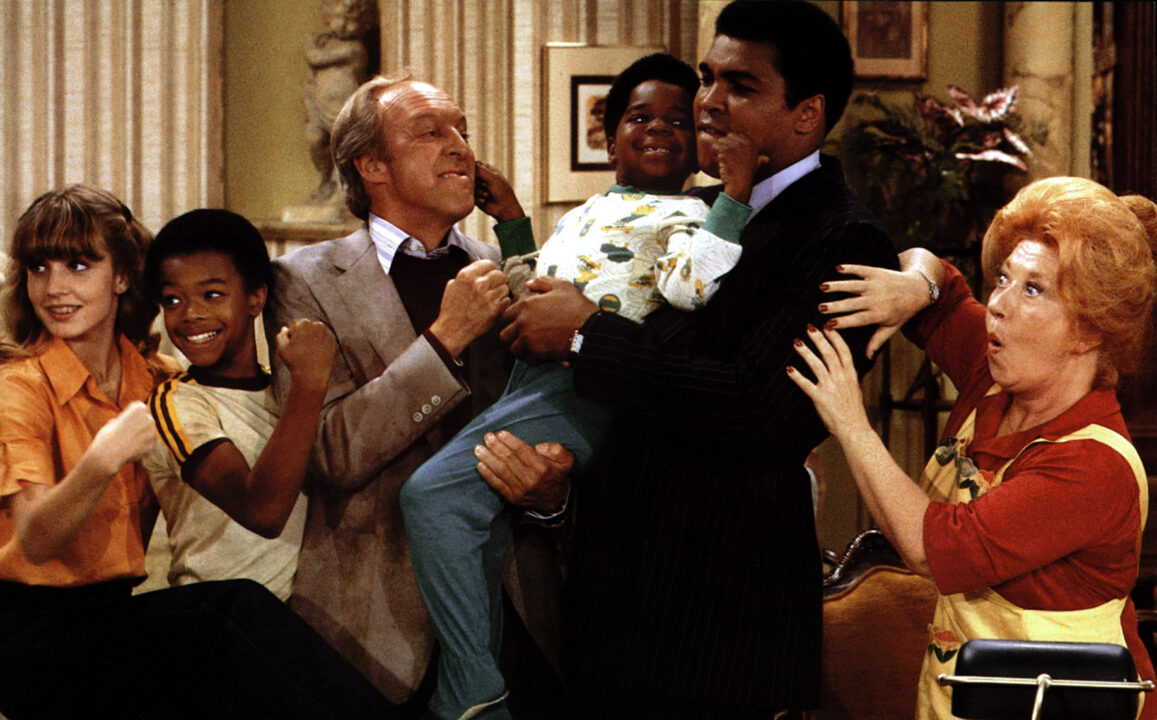
There were no on-set therapists. No mandatory financial counselors. No required parenting checks. When Plato got pregnant, the response was to write her out — not to ask whether the 19-year-old in the spotlight had access to anything resembling support. When Coleman started showing visible signs of stress at fourteen, the answer was to keep cameras rolling. When Bridges started slipping, the producers shrugged.
Compare it to how the industry handled the cast of The Jeffersons or the kids on Good Times — adult-led shows where the working actors had agents, accountants, and the legal weight to push back. The kids on Strokes had none of that. They had a paycheck their parents could spend and a network that needed them in front of the cameras five days a week.
The Reboot That Actually Changed Something
The Coogan Law was amended in California in 2000, partially in response to the Coleman lawsuit. Fifteen percent of a child performer’s gross earnings now goes directly into a blocked trust account that the parents can’t touch. Studios are required to verify the account exists before hiring a minor. The amendment is called the Coogan Account requirement, and it’s the reason today’s child stars on shows like Stranger Things or Cobra Kai aren’t one bad parent away from being broke at twenty.

That’s the legacy of the Diff’rent Strokes cast that nobody talks about at the nostalgia conventions. Three child actors got run over by a system that didn’t exist to protect them, and the wreckage was loud enough that lawmakers finally moved. Coleman’s lawsuit, his bankruptcy, the Plato robbery video at the Vegas store, the Bridges mugshots — those weren’t just tabloid fodder. They were the receipts.
Watch the show now and the comedy still works in places — Coleman’s timing was a kind of genius that no acting coach could have given him. But every time Arnold tilts his head and says the catchphrase, there’s a shadow over the laugh track. You know what’s coming for the kid in the frame. And you know nobody on the other side of the camera is going to stop it.
Bridges is still here. He talks about the show, he talks about the others, he’s remarried and stable and doing the work. If you grew up watching Arnold and Willis after school, the most decent thing you can do is read his book and pay attention. He’s the one who lived to tell the story. And he doesn’t pretty it up.
If you want to keep going down the 1970s and ’80s NBC rabbit hole, take a walk through the decade that refused to let go — there’s a reason these shows still hit, and it isn’t just the catchphrases. Or read about how ALF crash-landed into the same prime-time slot a few years later. The era was built on family sitcoms with rotten foundations, and we’re still pulling the splinters out.
Sources
- NPR — Conrad Bain, Mr. Drummond on ‘Diff’rent Strokes,’ Dies — Obituary covering Bain’s on-set role as the cast’s adult anchor.
- CBS News — Gary Coleman: 1968-2010 — Photo retrospective documenting Coleman’s career from child stardom through his security guard years.
- Fox News — Todd Bridges on Gary Coleman exploitation — Bridges discusses how Coleman was drained by the people around him.
- Remind Magazine — The Tragic Diff’rent Strokes Curse — Long-form retrospective on the three child stars and what happened after the cameras stopped rolling.
- Mental Floss — 13 Things You Might Not Know About Diff’rent Strokes — Behind-the-scenes facts about the show’s production and casting.
- California Coogan Law (Wikipedia) — Background on the child performer trust account law and the 2000 amendments.
Browse retro and vintage-inspired apparel at the RetroRadical shop →
The Retro Almanac
A monthly roundup of "on this day" highlights from that month, decades back — plus first dibs on new retro merch drops. No spam, just the good stuff.