The Golden Age of Cereal: How the 1980s Changed Breakfast Forever
You’re eight years old. It’s Saturday morning, still dark outside. Your parents are asleep. You shuffle to the kitchen in your He-Man pajamas, bare feet cold on the linoleum, and something incredible is about to happen.
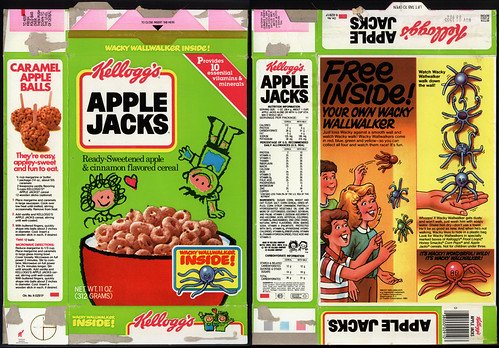
The TV is waiting. Your shows are about to start. There’s a specific ritual that makes this moment perfect: milk in the bowl first (or cereal first — we’re not here to judge), a box covered in bright colors and cartoon characters that seem to wink at you from the shelf, and the knowledge that buried somewhere in that cereal is a toy. Maybe a Wacky WallWalker. Maybe a temporary tattoo. But it’s in there, and that’s enough.
This is the golden age of 80s cereal. And man, do we remember it.
The Retro Almanac
A monthly roundup of "on this day" highlights from that month, decades back — plus first dibs on new retro merch drops. No spam, just the good stuff.
When Quaker Hired Mr. T to Sell You Breakfast
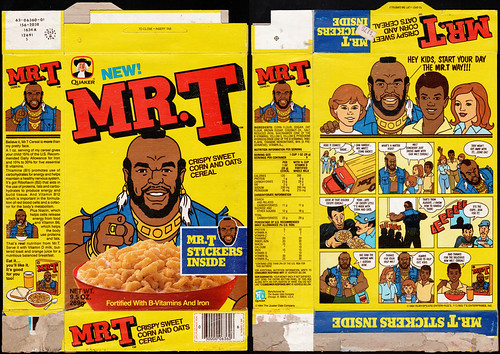
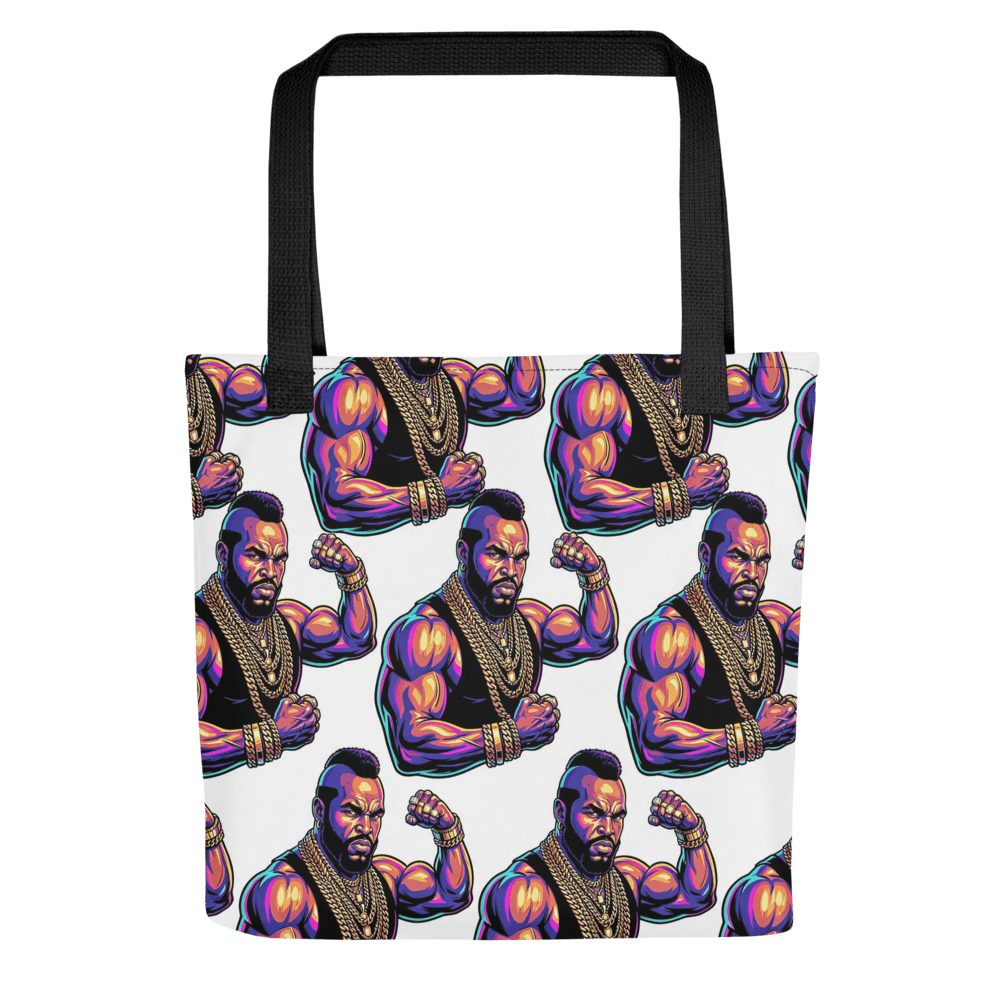
In 1984, Quaker Oats made a decision that should have failed. They handed a major shelf slot to a former bouncer with a mohawk who’d spent two seasons telling kids to drink milk and pity fools. The result was a corn-and-oat puff cereal shaped like the letter T, packaged in a box loud enough to give a parent a stroke. Mr. T Cereal sold so well it stayed on shelves for nine years and got its own scene in Pee-wee’s Big Adventure.
That one product captures the whole 80s cereal play. You weren’t buying nutrition. You were buying a character — and that character had a TV show, a toy line, an action figure, and a fan club that mailed you stuff. Cereal was a delivery system for IP, and General Mills, Kellogg’s, Post, and Quaker had figured out how to build the IP themselves.

The Mascot Wars That Built an Empire
Tony the Tiger was already a generational hit by 1980, but the decade pushed him into a different gear. Kellogg’s redrew him as more muscular, more athletic, more 80s. Tony stopped being a friendly bowl of corn and became a brand ambassador you would absolutely lose a footrace to. Across the aisle, the Trix Rabbit got a whole storyline — every commercial ended with him not getting the cereal, and kids voted in actual mail-in campaigns to give him a bowl. He won twice, in 1976 and 1980. Post counted the ballots like it was an election.
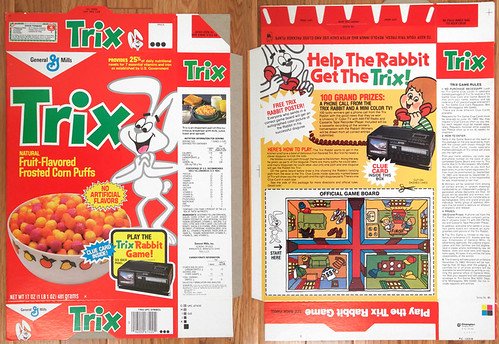
Cap’n Crunch ran his own naval campaign. Toucan Sam was learning languages. The Cookie Crook was a cartoon felony in progress. Sugar Bear had a Sinatra impression that aired for years on Super Sugar Crisp. These weren’t just images on a box. They had voice actors, theme music, recurring villains, and 30-second weekly serials baked right into the Saturday morning commercial breaks.
The reason it worked is simple. A four-year-old can’t pronounce “psyllium husk,” but they can absolutely point at a tiger and ask for him by name in aisle six. Mental Floss broke down the Trix Rabbit’s mail-in election history and it reads like a small-town political race. That’s how seriously kids took these characters.
Saturday Morning Was a Two-Hour Commercial
If you grew up between 1981 and 1989, you remember the ritual. You woke up before your parents, padded to the kitchen, poured a bowl of something with mascots on the box, and parked in front of the TV for whatever ABC, CBS, or NBC had lined up. The block was sacred. It was also the most profitable advertising window in children’s television history, and it ran in a specific loop: the cartoons sold the cereal, the cereal sold cartoon tie-in toys, and the toys sold more cartoons.
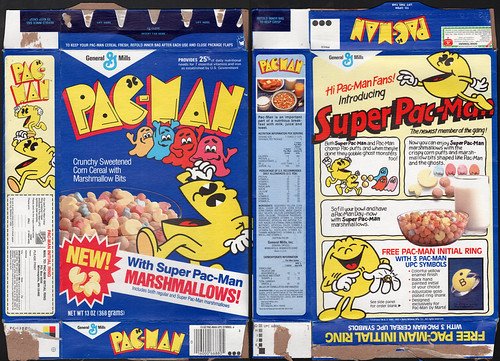
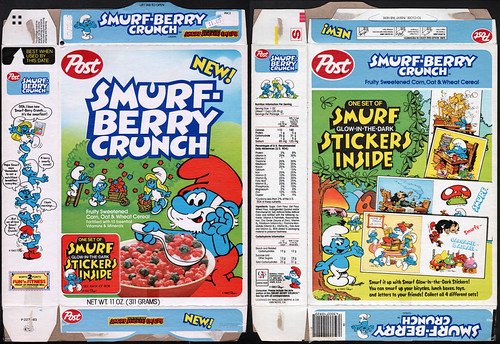
We’ve covered the era’s broader ritual in the sacred sit-down that defined Saturday morning cartoons for a generation, but the cereal angle deserves its own chapter. Pac-Man Cereal hit shelves in 1983, two years into the arcade boom, with corn puffs and marshmallows shaped like the ghosts. Smurf-Berry Crunch landed the same year, riding the NBC Smurfs juggernaut that pulled 42% of the Saturday audience its premiere weekend. C-3PO’s came in 1984 on the back of Return of the Jedi. Donkey Kong Crunch, E.T. Cereal, Strawberry Shortcake, Rainbow Brite, the Real Ghostbusters — every property with a half-hour cartoon had a cereal box waiting for it.
The economics worked because Reagan’s FCC quietly killed the rule against program-length commercials in 1984. That single deregulation is the whole reason He-Man, Transformers, and G.I. Joe could exist as 22-minute toy ads. We dug into how one Reagan-era rule change rewrote children’s TV, and the same loosening opened the door for cereal companies to flood the screen with mascot-led programming that fed their breakfast aisle directly.
The Prize Inside Was the Real Point
Here’s the truth no cereal exec would say out loud: nobody under twelve cared about the cereal. The whole point was the prize.
The 80s premium era was a feeding frenzy. Wacky WallWalkers — those sticky rubber octopi that slimed their way down the kitchen wall — landed in Kellogg’s boxes in 1983, and Ken Hakuta’s import operation eventually pushed past 240 million units sold, much of it through cereal boxes alone. Cookie Crisp shipped a working magnifying glass. Apple Jacks had glow-in-the-dark stickers. Cap’n Crunch ran Treasure Hunt sweepstakes with actual cash codes printed on the box bottom.
Kids became surgeons. You’d reach into the box up to your armpit, fish around with one hand while the other tried to keep the bag closed, and pull the toy out before any cereal even hit the bowl. Parents lost their minds. The cereal was secondary — it was the fee you paid to keep the box coming. The same logic that drove kids to collect the action figures now worth fortunes on the secondary market drove the cereal premium racket: small toy, big mythology, mailed-in or buried in food, gotta catch ’em all before you knew that phrase existed.
Sugar, Star Wars, and the Loosest FDA Decade
The decade ran on sugar. Sugar Frosted Flakes finally dropped the word “Sugar” from the box around 1984 — not because the recipe changed, but because the optics had. Sugar Smacks became Honey Smacks. Sugar Pops became Corn Pops. The contents stayed identical; the marketing got a Reagan-era spa day. Honey Smacks ran around 56% sugar by weight, the highest percentage of any major-brand cereal then or since, a stat documented in NPR’s account of the cereal aisle’s long sugar reckoning. Cap’n Crunch went over 40%. Cookie Crisp didn’t bother pretending it wasn’t dessert.
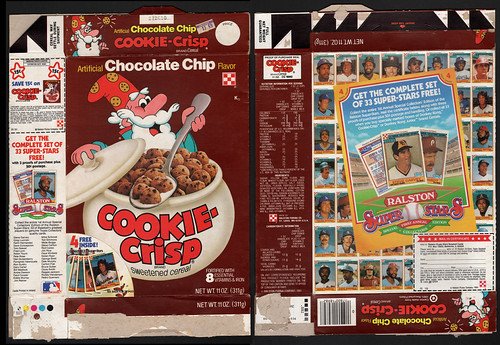
The boxes leaned in. “Part of this complete breakfast” was the magic phrase, always said over a shot of toast, orange juice, milk, fruit, and a bowl of something neon. The trick was that the cereal accounted for maybe 8% of the meal shown on screen but 100% of the purchase decision. Watchdog groups screamed. Parents tuned them out. The market kept growing. Between 1980 and 1988, ready-to-eat cereal sales in the United States grew from $3.7 billion to over $7 billion — roughly doubling in less than a decade.
Monsters, Movies, and the Birth of the Limited-Edition Box
The Monster Cereals — Count Chocula, Franken Berry, Boo Berry, Fruit Brute, and Yummy Mummy — were already established by 1980, but the 80s turned them into a cultural calendar event. Boxes appeared in late August, vanished after Halloween, and trained kids to associate the cereal aisle with seasons. General Mills was running scarcity marketing thirty years before sneaker drops made it cool.
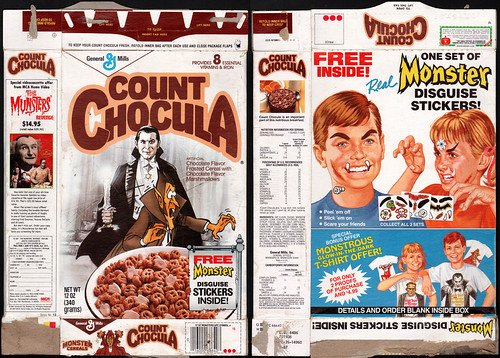
The bigger 80s shift was movie tie-in cereal. C-3PO’s. E.T. Cereal (graham-flavored, weirdly sweet, gone within a year). Ghostbusters with marshmallow ghosts. Nintendo Cereal System — yes, two separate cereals in one shrink-wrapped box, one Super Mario, one Zelda, both wildly sugar-loaded and both extinct by 1989. The window between a film opening and a cereal box hitting the shelf collapsed to roughly six months. Marketers stopped thinking of cereal as food and started thinking of it as a twelve-ounce billboard with a 90-day shelf life.
Even the lunchbox kids carried it next to became part of the same ecosystem — the cereal box and the metal lunch box that announced what you watched on Saturday were the same purchase decision spread across two store aisles.
Why the Cereal Boom Couldn’t Last
The boom ended the way every 80s thing ended: slowly, then all at once. Three forces collided in the early 90s. First was the sugar panic — by 1993, the AMA was naming Honey Smacks and Cap’n Crunch by name in public-health bulletins. Second was the Atkins-and-after diet shift, which made the cereal aisle look like a crime scene. Third was the death of network Saturday morning. As cable, Nickelodeon, and eventually the Cartoon Network swallowed kids’ attention, the captive Saturday audience disappeared and the cartoon-to-cereal pipeline collapsed with it.
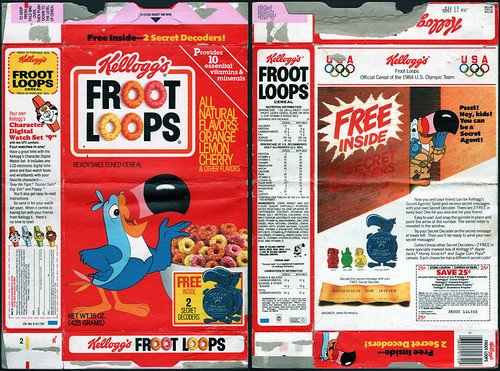
Plenty of the casualties are catalogued in the discontinued cereal archive at MrBreakfast.com. Mr. T Cereal died in 1993. Smurf-Berry Crunch in 1988. Pac-Man Cereal in 1988. Nintendo Cereal System in 1989 after barely a year. E.T. Cereal didn’t even see its first birthday. Cookie Crisp survived only because General Mills bought it from Ralston in 1997 and kept refreshing the mascot. The Cookie Crook got fired and replaced with Chip the Wolf, which is the moment the magic actually died.
What That Cereal Aisle Still Owns
Walk into a grocery store in 2026 and the bones of the 80s cereal aisle are still there. Tony the Tiger still moves boxes. Toucan Sam still has his beak. Cap’n Crunch is still pretending to be in the Navy. The Monster Cereals still come back every October like ghosts on a schedule. General Mills knew exactly what they were doing when they reissued Mr. T Cereal-style packaging on the 40th anniversary in 2024 — they were selling Gen X back to itself, one $14 box at a time.
The reason 80s cereal stuck isn’t the sugar. It’s that the 80s cereal box was the single most concentrated piece of childhood IP a kid could hold. Cartoon on the front, prize buried inside, recipe for sweet brown milk in the bowl, and a half-hour show waiting on the TV. That kind of total-experience product doesn’t really get made anymore — and when the algorithm serves up a Cookie Crook reaction video, every Gen X dad in the comments section feels exactly the same six-year-old morning. We’ve written more about why 80s nostalgia keeps outlasting every other decade, and the cereal aisle is the cleanest proof. It wasn’t food. It was a delivery system for the best mornings of an entire generation.
Sources
- MrBreakfast.com — Mr. T Cereal entry — production history, box scans, sticker premium details
- Mental Floss — 11 Colorful Facts About Trix Cereal — Trix Rabbit mail-in elections, mascot history
- NPR — The American Cereal Aisle: Time for a Makeover — Honey Smacks 56% sugar stat, post-90s sugar reckoning
- MrBreakfast.com — Discontinued Cereal Archive — Mr. T, Smurf-Berry, Pac-Man, Nintendo Cereal System end-of-life dates
- Monster Cereals — Wikipedia — Count Chocula, Franken Berry, Boo Berry, Fruit Brute, Yummy Mummy timeline
- General Mills — Celebrating 60 Years of the Trix Rabbit — mascot evolution and ad campaign history
Browse retro and vintage-inspired apparel at the RetroRadical shop →
The Retro Almanac
A monthly roundup of "on this day" highlights from that month, decades back — plus first dibs on new retro merch drops. No spam, just the good stuff.