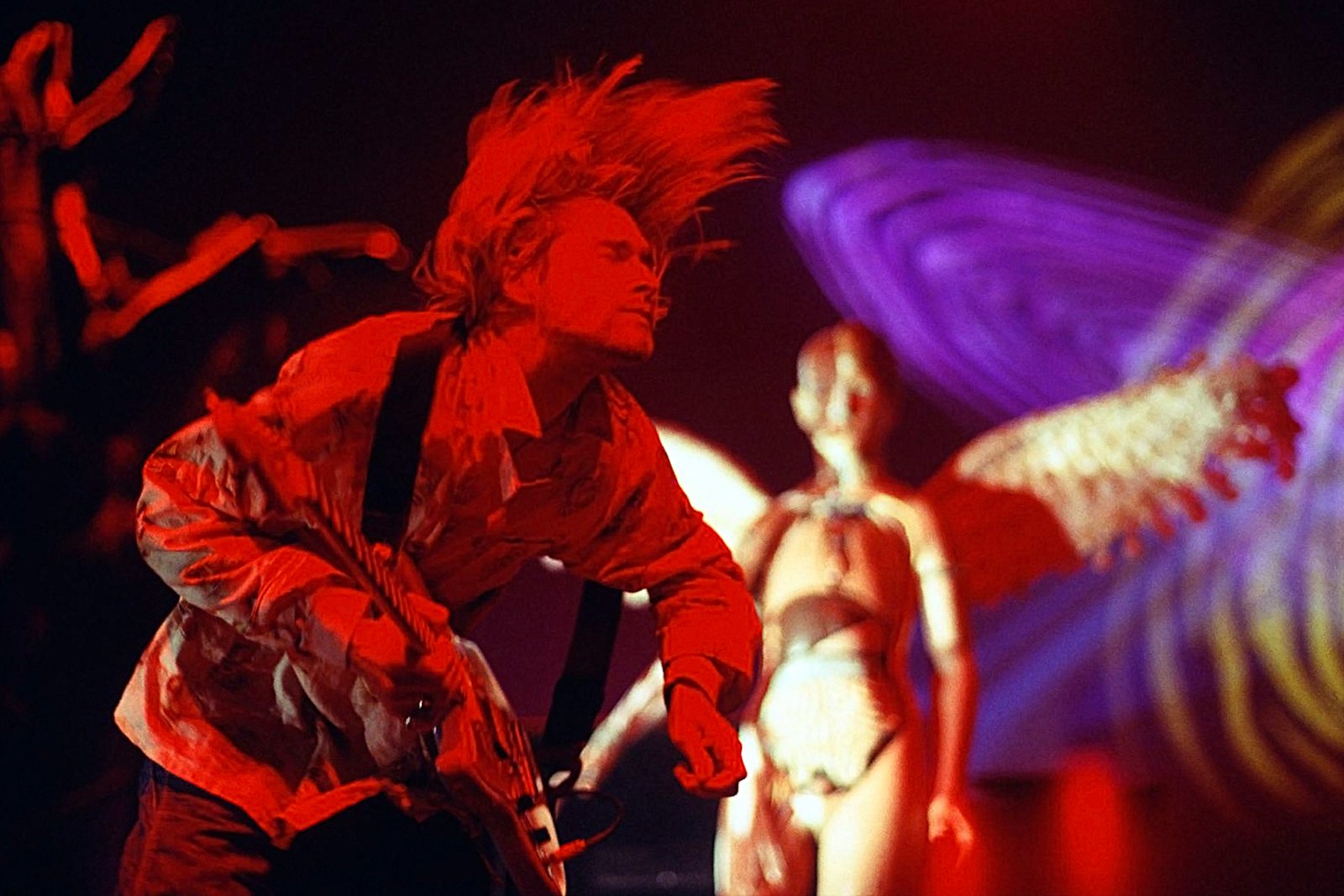
Grunge in Plain English: The Bands, the Looks, and the Burnout of an Era
In the fall of 1991, Nevermind sold 400,000 copies in its first week and knocked Michael Jackson off the number-one spot. Nobody in the music industry saw it coming — including the people who made it. That collision of shock and momentum is the most honest thing you can say about grunge: it was never supposed to be the biggest thing in the world, and the weight of that success helped destroy it.
Where It All Started
Seattle in the mid-1980s was not a music scene anyone was watching. The city had cheap rent, a string of small clubs, and a handful of bands playing a sound that had no name yet. Punk had burned out. Hair metal felt fake. What filled the gap was something dirtier — slower than hardcore, louder than folk, angrier than anything on radio. Sub Pop Records started documenting it in 1988, pressing singles by Mudhoney, Soundgarden, and an Aberdeen, Washington band called Nirvana.
The label was run out of a cramped Seattle office by Bruce Pavitt and Jonathan Poneman, who had maybe enough money to pay their phone bill. What they lacked in cash they made up for in aesthetic conviction. Sub Pop singles came in limited pressings, numbered, on heavy vinyl. They were collectibles before that was a marketing strategy. British music press caught on — the NME ran features on the Seattle scene in 1989 — and by the time major labels started flying A&R reps west, the sound already had momentum.
The Retro Almanac
A monthly roundup of "on this day" highlights from that month, decades back — plus first dibs on new retro merch drops. No spam, just the good stuff.
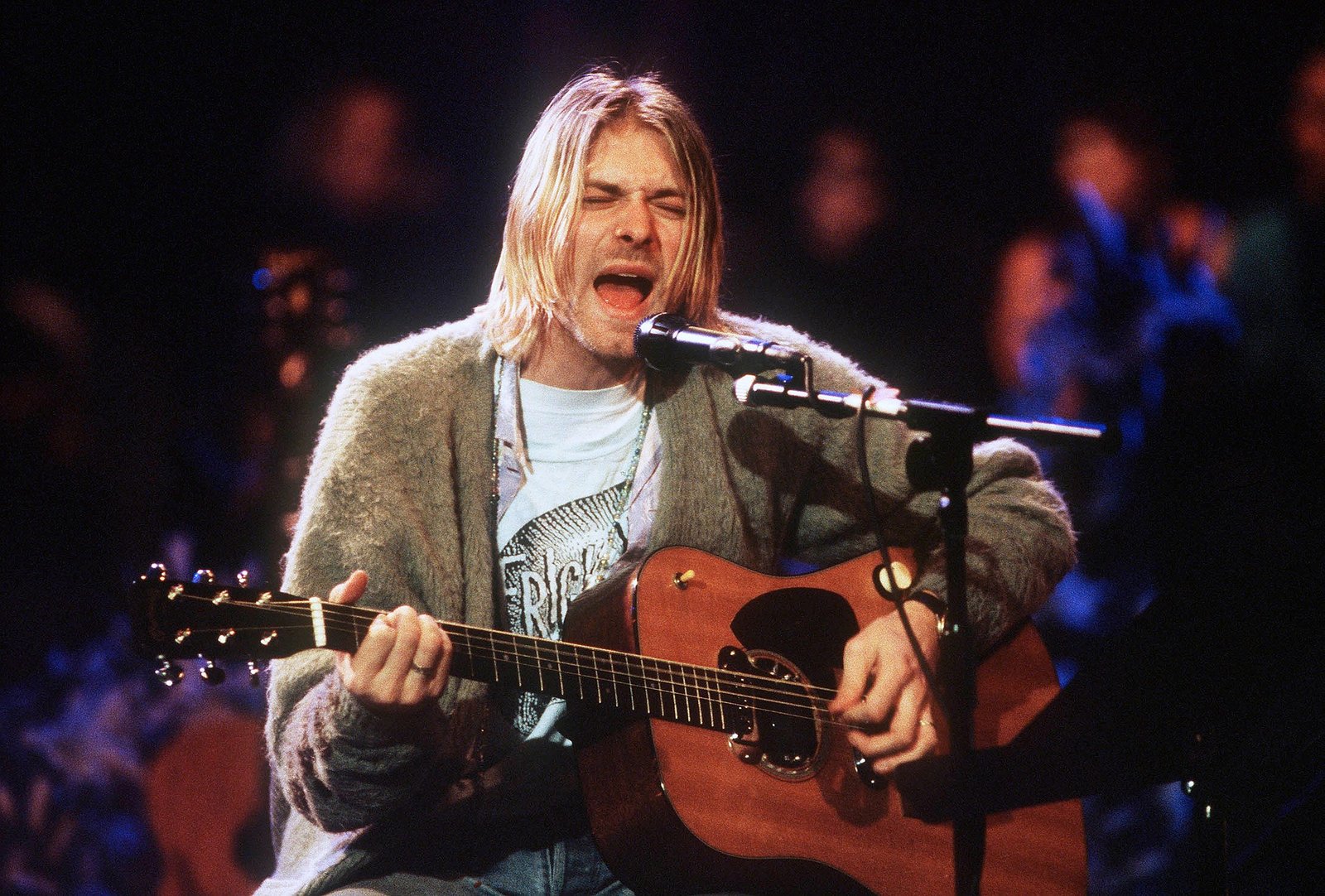
Nirvana at MTV Unplugged, November 1993. Photo: Frank Micelotta.
The Four Bands That Built the Sound
Grunge’s credibility problem in retrospect is that the word gets applied to anything that came out of Seattle while wearing flannel. The actual sound was more specific than that, and four bands defined its parameters tightly enough that everything else was measured against them.
Nirvana was the catalyst, not the origin. Nevermind’s production — handled by Butch Vig — stripped out the murk that made Bleach feel like a demo and replaced it with hooks sharp enough for Top 40 without losing the abrasion underneath. Cobain hated the result for exactly that reason. The album sold 30 million copies anyway and made a local subculture into a global category.
Pearl Jam came out of the same moment but sounded nothing like Nirvana. Where Cobain wrote damaged pop songs, Eddie Vedder wrote rock anthems. Ten, released three months before Nevermind, was slower, more theatrical, built for arenas Pearl Jam would spend most of the 90s trying to avoid playing. The band’s refusal to make music videos after 1992 and their lawsuit against Ticketmaster were the most public acts of genre suicide in rock history — and they survived both.
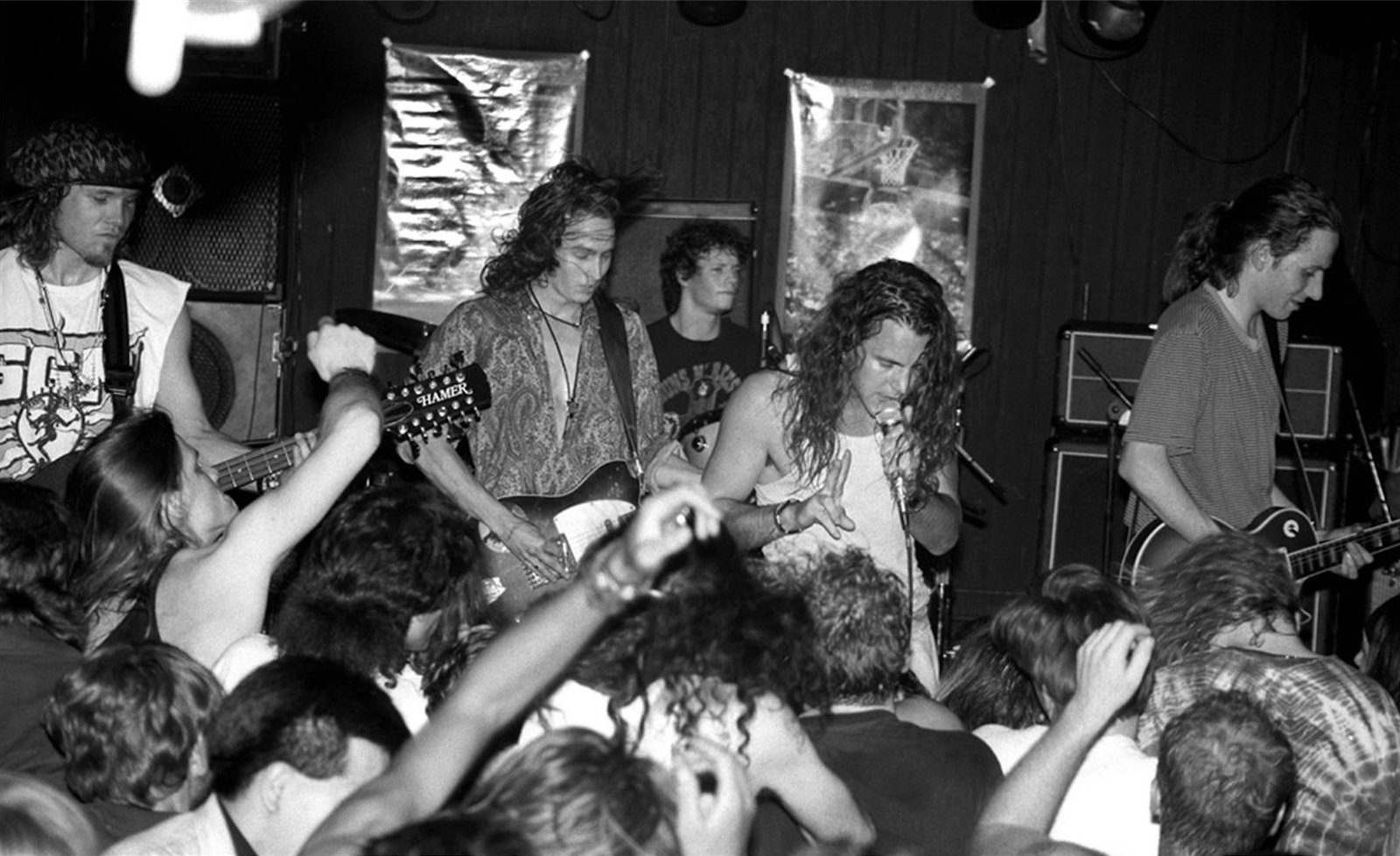
Pearl Jam in Seattle, 1991. Photo: Lance Mercer.
Soundgarden had been around since 1984 and sounded like what would happen if Black Sabbath had grown up in the Pacific Northwest instead of Birmingham. Chris Cornell’s range was genuinely absurd — he could drop into baritone thunder and then climb to a scream that sounded like the building was coming apart. Superunknown (1994) sold 9 million copies and sits alongside Nevermind and Ten as the definitive documents of what grunge actually sounded like when it was working at full power.
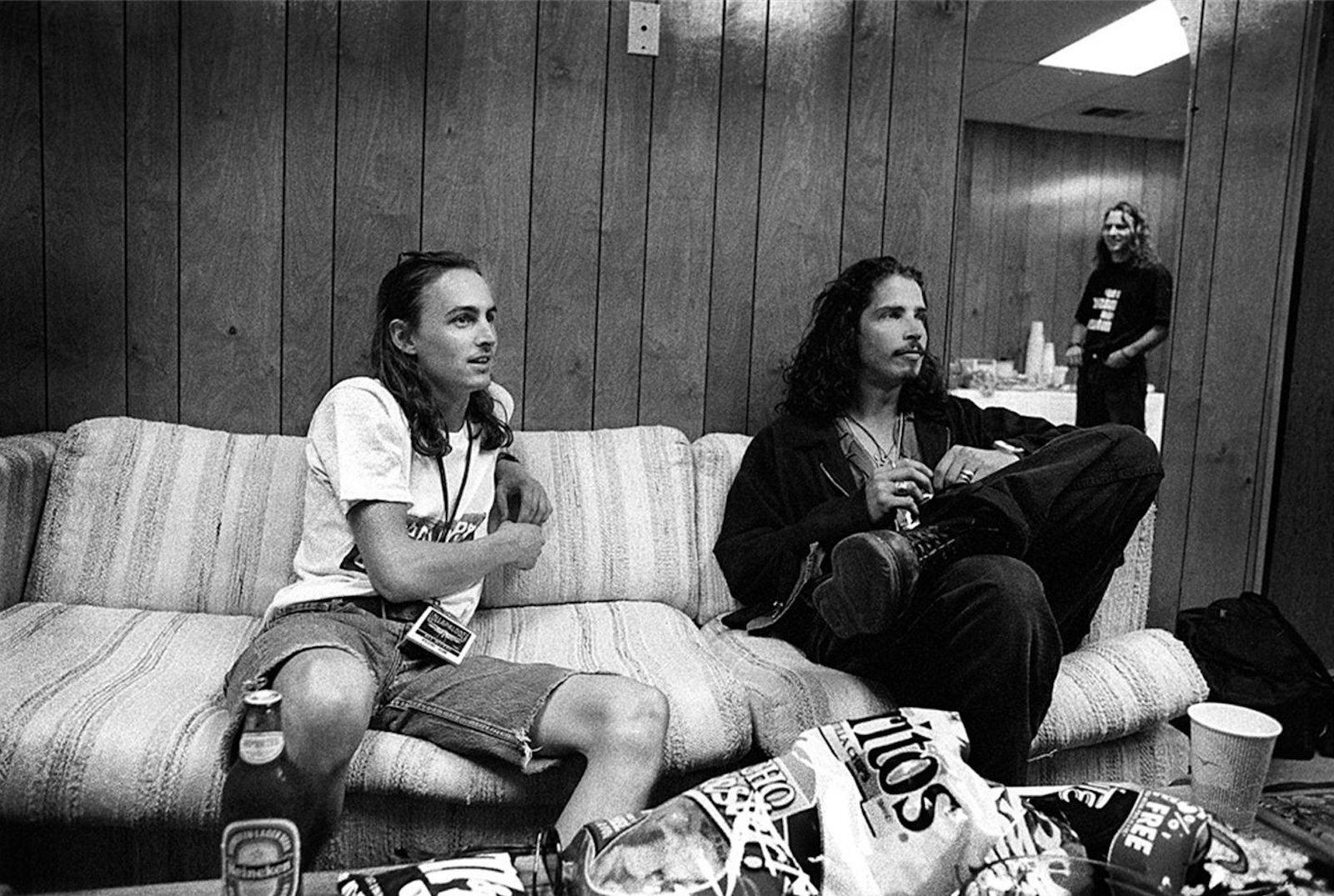
Mike McCready, Chris Cornell, Eddie Vedder — the scene photographed together by Lance Mercer.
Alice in Chains was the darkest of the four and the least interested in being liked. Where Nirvana’s darkness came wrapped in melody, Alice in Chains dressed it in doom — Layne Staley’s vocals and Jerry Cantrell’s guitar creating a sound that felt genuinely threatening. Dirt (1992) is still one of the most uncomfortable rock albums ever recorded, and it sold 6 million copies on that discomfort alone.
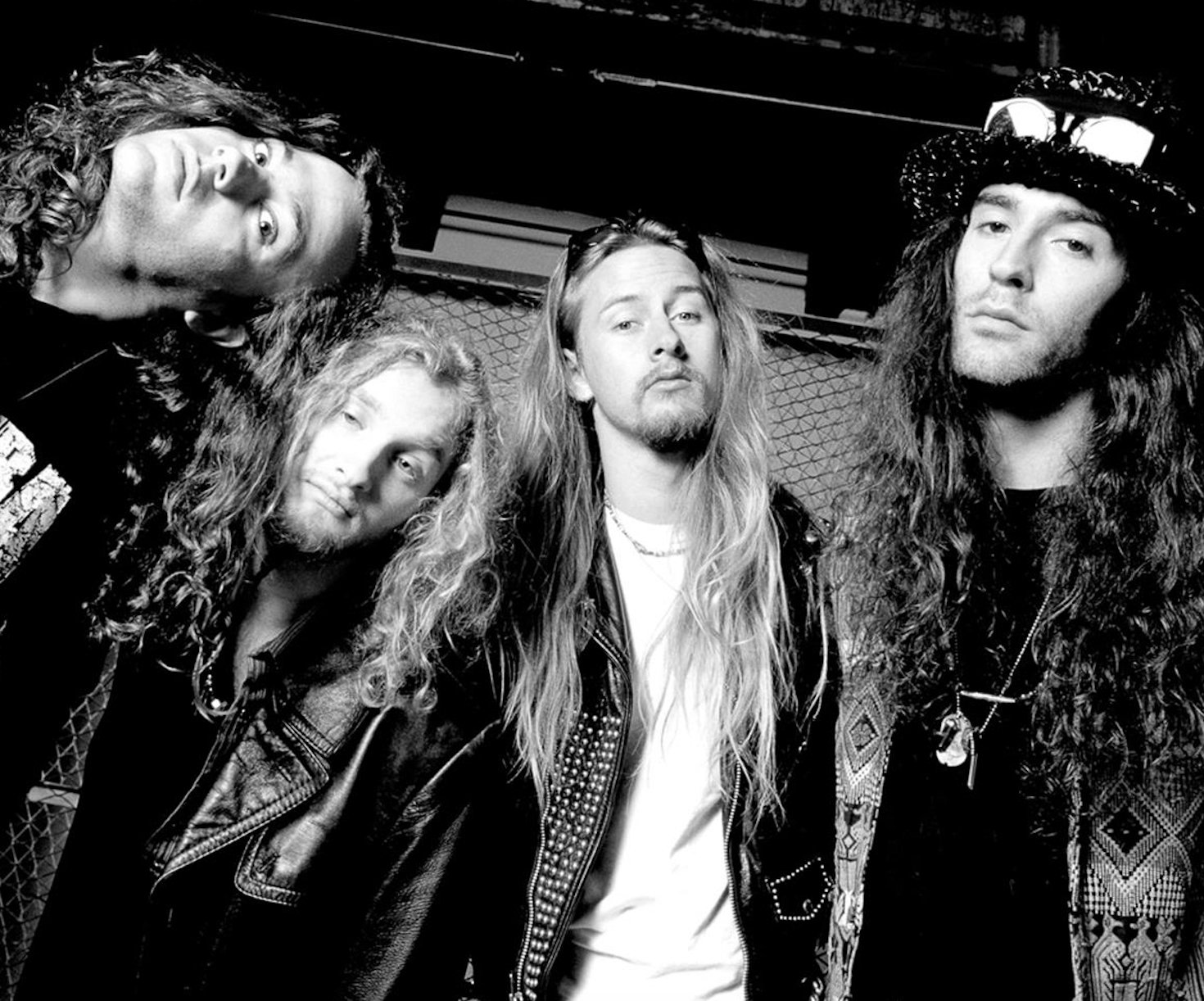
Alice in Chains. Photo: Karen Mason Blair.
Beyond the Big Four
The 90s grunge bands you know don’t cover the actual depth of the movement. Mudhoney — the Sub Pop band most responsible for the template — never had a mainstream hit but influenced every band on this list. Mark Arm’s vocals on “Touch Me I’m Sick” (1988) are the blueprint for what Cobain was doing three years later.
Hole released Live Through This in April 1994, four days after Cobain’s death, and it was immediately swamped by the timing. That’s unfortunate: it’s as sharp a grunge record as any on this list, and Courtney Love’s songwriting on tracks like “Doll Parts” holds up better than most of the contemporaries. Stone Temple Pilots took more grief from critics than any band of the era — accused of copying grunge without being from Seattle — but Core (1992) sold 8 million copies, which suggests the audience cared less about geography than critics did. Screaming Trees, Dinosaur Jr., and Smashing Pumpkins all occupied the same loose zone, each pulling the sound in different directions.
Flannel Was a Statement, Not a Fashion Choice
The fashion piece gets misread consistently. Flannel shirts, worn-out jeans, thrift-store cardigans, and combat boots were not a look that anyone designed — they were what you wore when you spent your money on records instead of clothes. It was anti-fashion that Vogue ran a full fashion spread on in December 1992, photographed by Steven Meisel, in a sequence titled “Grunge & Glory.” The gap between what the music meant and what the fashion industry did with it in about 18 months tells you everything about the era.
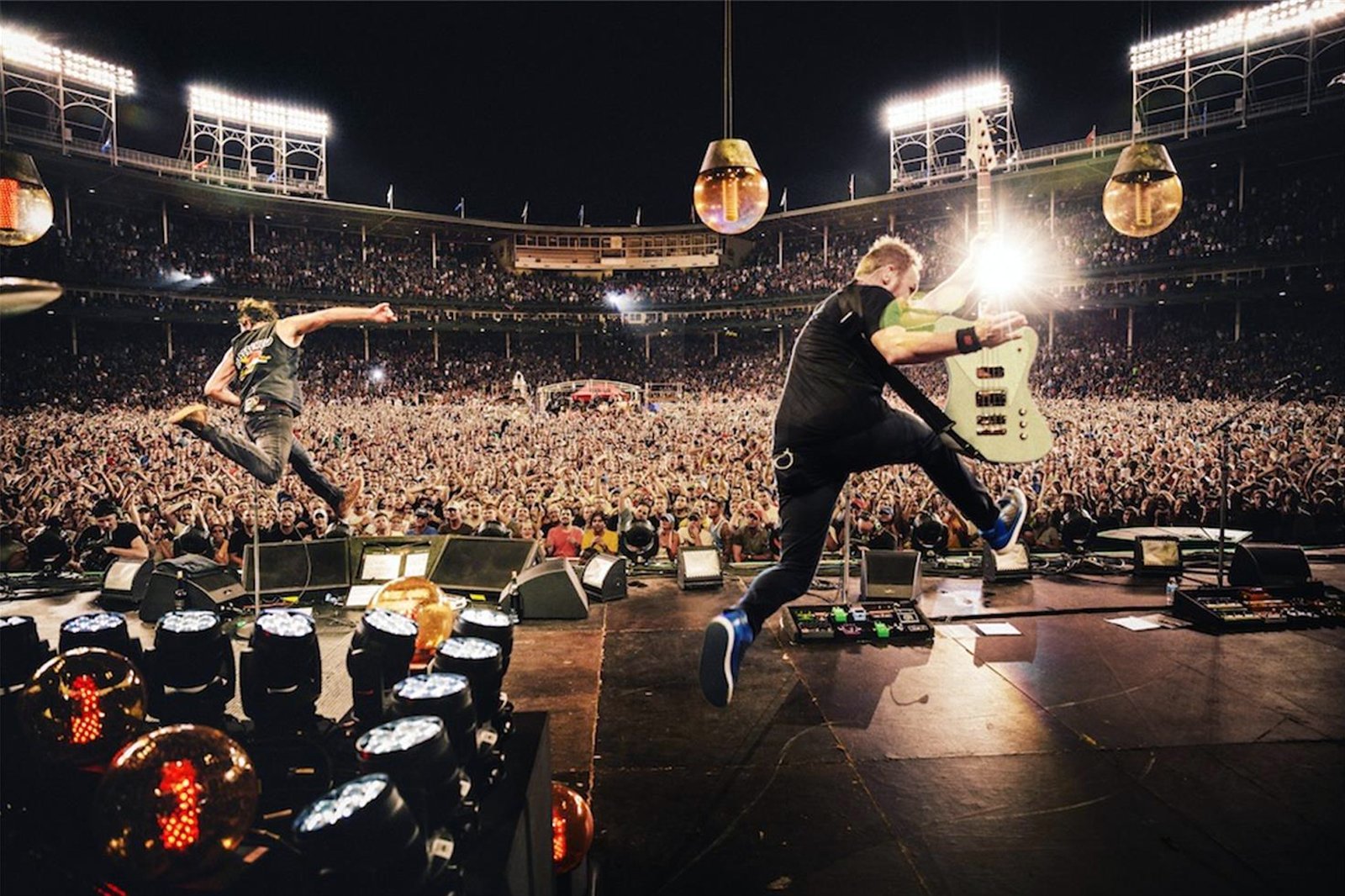
Pearl Jam. Photo: Danny Clinch.
The irony was total and immediate. By 1993, Marc Jacobs had launched a grunge-inspired collection for Perry Ellis that got him fired. By 1994, Hot Topic had a flannel aisle. The same thrift-store aesthetic that expressed alienation from consumer culture had become consumer culture’s next big product line. The bands understood what was happening — most of them just couldn’t stop it.
How MTV Ate Its Own
Smells Like Teen Spirit got its first MTV play in September 1991 and the network was almost as surprised as everyone else. Within months, 120 Minutes — the late-night alternative slot where underground bands lived — was feeding directly into Headbangers Ball’s time slot being cancelled to make room for more grunge rotation. A movement that started in basements and small clubs was now the most-watched thing on the most-watched music channel in the world. That took less than two years.
The machine required content constantly. That meant interviews, photo shoots, label showcases, radio sessions, and touring schedules built for bands who had been playing 200-seat clubs. Cobain’s discomfort with celebrity is well-documented — but it wasn’t unique to him. Most of the Seattle scene came from a DIY culture where being on the radio was vaguely suspicious. Mainstream success felt like selling out because, by the scene’s own values, it was.

Courtney Love of Hole. Photo: Clay Patrick McBride.
The Burnout Was Built In
Grunge as a chart presence lasted roughly four years — 1991 to 1994. Cobain died in April 1994. Layne Staley of Alice in Chains retreated from public life around the same time and died in 2002. Andrew Wood of Mother Love Bone, whose band was a direct precursor to Pearl Jam, had died of an overdose in 1990 before the moment fully arrived. Chris Cornell died in 2017. The toll is not incidental to the story.
What accelerated the collapse was the speed of absorption. By 1994, grunge had inspired a generation of imitators — some genuinely interesting, most diluted — and the original artists were exhausted by the pace of demand. Cobain said in his last interviews that he had run out of things to say. Pearl Jam said it with lawsuits. Soundgarden broke up in 1997 because they had nothing left to prove to each other. Alice in Chains went silent for years.
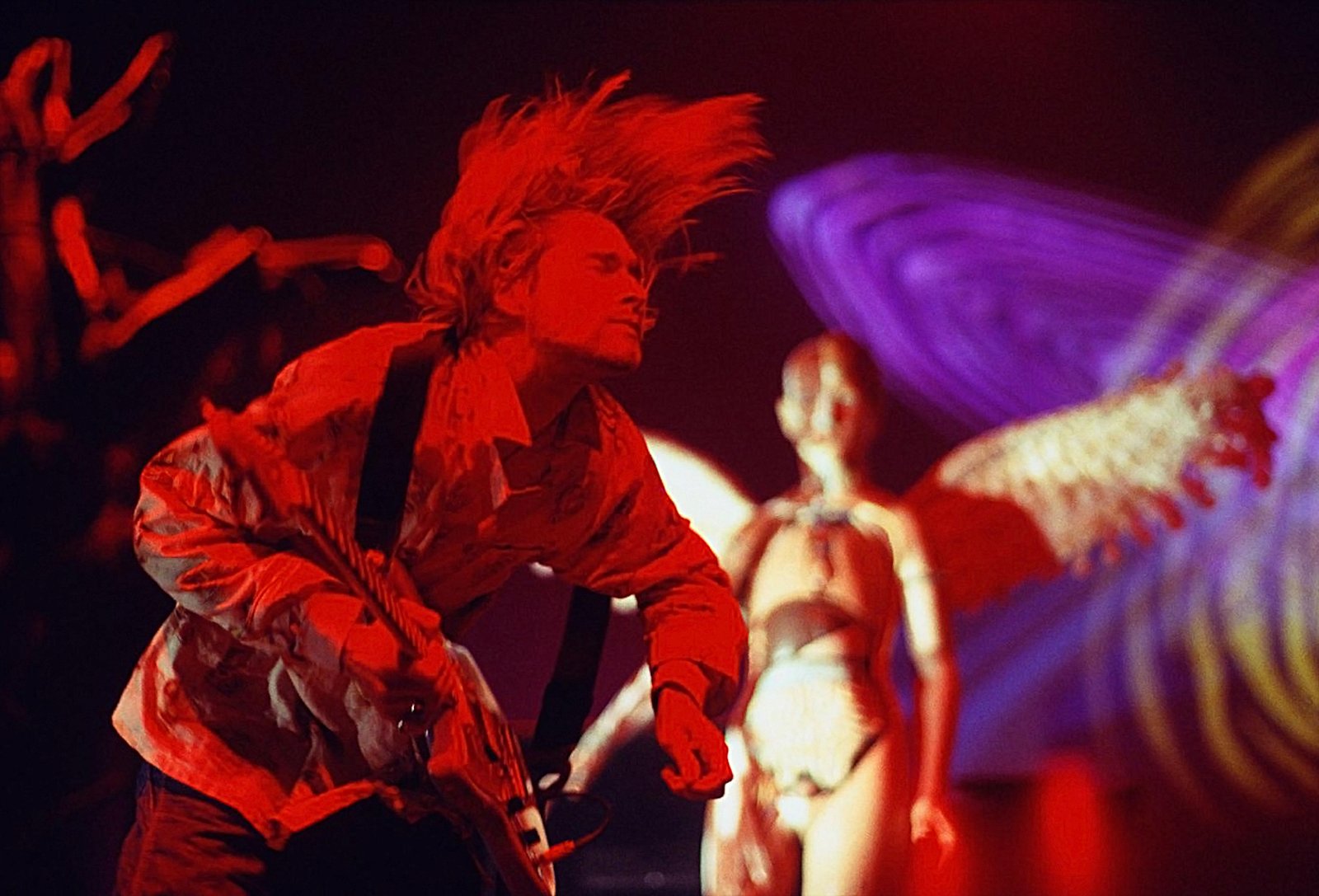
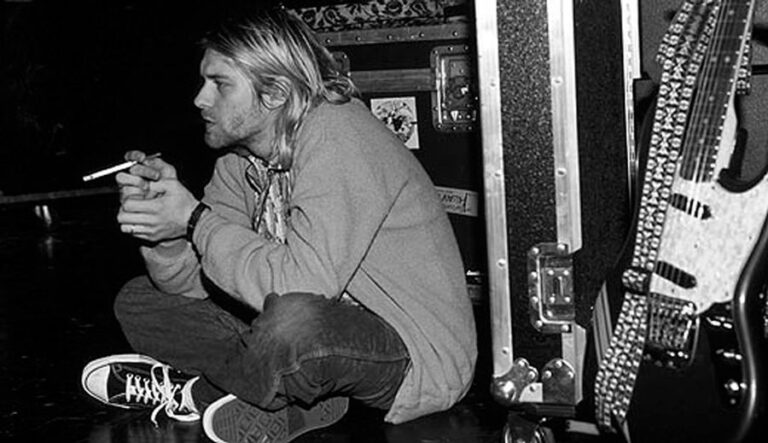
Kurt Cobain. Photo: Henry Diltz.
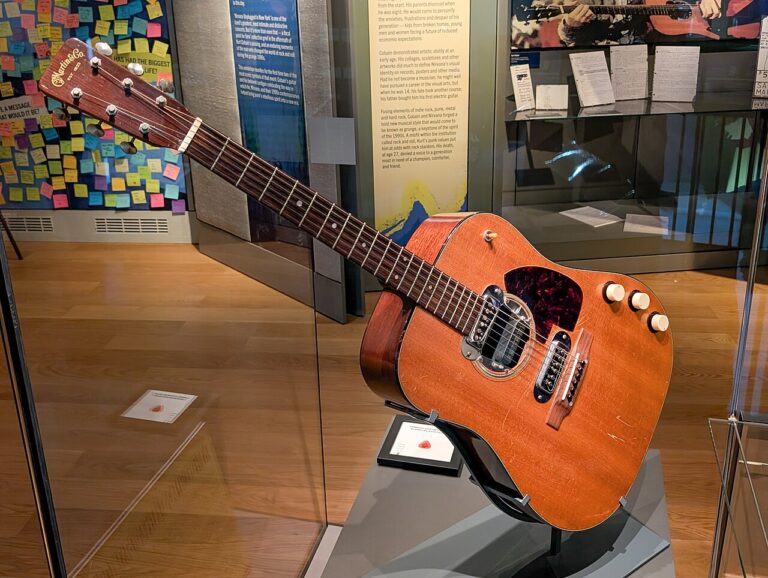
The Gen X audience that grew up on this music has spent thirty years watching it get reclaimed by nostalgia cycles, fashion revivals, and streaming algorithms. The current Gen Z grunge moment is real — thrift stores, flannel, the Cobain cardigan selling for $334,000 at auction. But the thing that made grunge feel necessary in 1991 was exactly the thing nostalgia can’t replicate: the sense that nobody had planned for this to happen, and it was happening anyway. For a full look at the venues that built the scene before any of it went mainstream, see Seattle Grunge Scene History: 7 Venues That Built the Sound. And if you want to go straight to the records, The Best Grunge Albums of All Time covers the full catalog.
Sources
- Rolling Stone — Grunge: The Photos That Defined an Era — Photo exhibit documenting the visual history of grunge with images from the original photographers.
- Sub Pop Records — About — The Seattle label that first documented and distributed the grunge sound beginning in 1988.
- AllMusic — Grunge Genre Overview — Critical summary of grunge’s origins, key artists, and cultural impact across the 1988-1994 period.
The Retro Almanac
A monthly roundup of "on this day" highlights from that month, decades back — plus first dibs on new retro merch drops. No spam, just the good stuff.