Gen Z Found Grunge in the Thrift Aisle and Never Looked Back
The grunge resurgence in 2020s fashion didn’t arrive the way most revivals do. There was no designer who decided it, no magazine that declared it, no single red-carpet moment that kicked it off. It crept back in through thrift-store bins, secondhand apps, and an endless scroll of teenagers in oversized flannel filming their closets. By the time the fashion press caught up and started writing trend pieces, Gen Z had already been buying the look one $4 cardigan at a time for years — and they bought it the exact same way Seattle kids did in 1990: cheap, used, and on purpose.
That detail matters more than it sounds. Grunge has come back as a runway idea before, and it always feels a little hollow when it does. What’s happening now is different. This time the comeback is being driven from the bottom up, by kids who found the clothes before they found the bands, and who treat the thrift aisle not as a budget compromise but as the entire point.
Grunge Was Never Really About Clothes
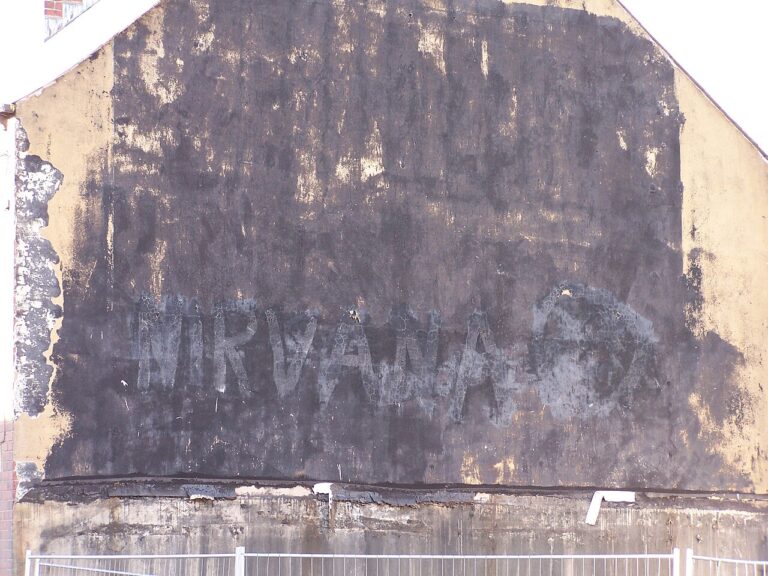
To understand why the look came back through secondhand racks, you have to remember where it came from. When Nirvana, Soundgarden, Pearl Jam, and Alice in Chains were clawing their way out of the Pacific Northwest in the late 1980s and early ’90s, nobody involved was making fashion choices. Seattle in winter is cold and wet. Flannel is warm and cheap. Thrift stores were full of it. The uniform — layered flannel over a band tee, ripped Levi’s, scuffed Converse or combat boots, a thermal henley underneath — was just what broke twenty-somethings in a rainy city happened to wear.
The Retro Almanac
A monthly roundup of "on this day" highlights from that month, decades back — plus first dibs on new retro merch drops. No spam, just the good stuff.
Kurt Cobain made the anti-style accidental gospel. He wore a moss-green cardigan from a thrift shop on MTV Unplugged in New York in November 1993, cigarette burns and a missing button included. He layered ratty sweaters, smeared eyeliner, and torn jeans not as a statement but because he genuinely did not care, which of course became the most powerful statement of all. The clothes said: I am not performing for you. That refusal was the aesthetic.
The fashion industry, naturally, could not leave that alone. In late 1992, designer Marc Jacobs sent a now-infamous grunge collection down the runway for Perry Ellis — silk shirts printed to look like flannel, $400 versions of thrift-store finds, knit caps that cost more than a month of rent. It got him fired and it won him a CFDA award, which tells you everything about how fashion felt about grunge: appalled and obsessed in equal measure. Even then, the irony was obvious. You cannot sell people back the thing whose whole meaning was that it couldn’t be sold.
Why the 2020s Comeback Started on Depop
Fast-forward thirty years. The kids reviving grunge in the 2020s were not born when Cobain died in 1994. Most of them met the look not through a record but through a phone. And the place it lived was secondhand resale apps — Depop above all, alongside Vinted, Poshmark, and the eternal Goodwill back room.
This is the part that makes the revival feel real instead of recycled. Depop, founded in 2011 and bought by Etsy in 2021 for over a billion dollars, runs on exactly the logic grunge was built on: used clothes, sold cheap, with the wear left visible. Faded band tees, broken-in Levi’s 501s, moth-nibbled cardigans, and “grunge” as a literal search filter became some of the platform’s most-traded categories. A generation raised on fast fashion guilt found something that was cheaper, greener, and cooler all at once — and it happened to look exactly like 1992.
The economics line up with the ethos in a way that almost never happens. Thrifting is sustainable, which Gen Z genuinely cares about. It’s affordable, which a generation priced out of nearly everything genuinely needs. And it’s individual — no two thrift hauls are the same, so the look resists the algorithmic sameness of a Shein order. Grunge’s original message of anti-consumerism got a second life as anti-fast-fashion, and the secondhand app was the perfect delivery system.
TikTok Did What MTV Used to Do
If Depop supplied the clothes, TikTok supplied the church. The platform turned getting dressed into content, and grunge — visual, layered, instantly recognizable — was made for it. “Grunge” and “90s grunge outfit” racked up billions of views as a search term. Thrift hauls, closet tours, and “styling my dad’s old flannel” videos became a genre unto themselves.
Out of that churn came hybrids that the original Seattle scene would have found baffling and probably hilarious. “Grunge” split into sub-dialects: soft grunge, the dreamy Tumblr-descended version heavy on slip dresses and chokers; the explicitly Y2K-tinged grunge revival; and a darker, witchier strain trailing in from the cottagecore and “whimsigoth” corners of the feed. The combat boot and the slip dress survived all of them. So did the flannel.
Courtney Love’s fingerprints are all over this part of the revival. Her “kinderwhore” look from Hole’s early years — baby-doll dresses, smeared red lipstick, ripped tights, ribbons in tangled bleached hair — was arguably more influential on 2020s grunge styling than Cobain’s flannel ever was. The slip dress thrown over a band tee, the lace and the leather worn together, the deliberately wrecked prettiness: that’s Love’s vocabulary, and a generation of teenagers fluent in it learned it from fifteen-second clips, not from spinning a Hole record.
The Garments That Refused to Die
Strip away the hashtags and the revival comes down to a short, stubborn list of objects, the same ones that carried the look the first time around.
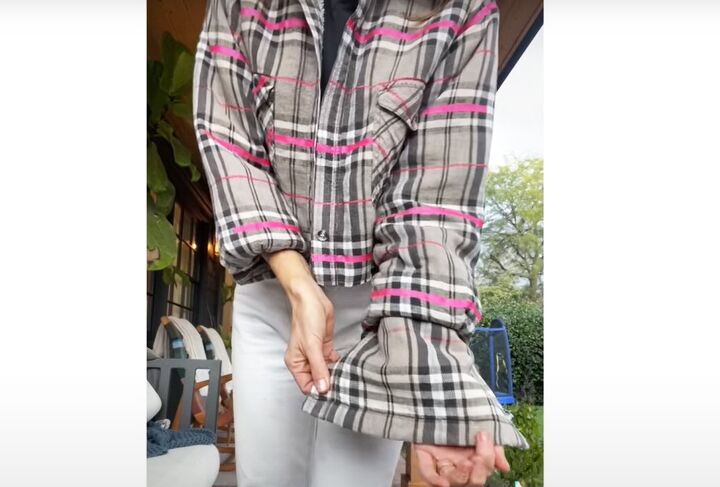
The oversized flannel shirt is the keystone — buttoned, open over a tee, or tied around the waist exactly as it was in 1991. The band tee, ideally faded and a size too big, real or not. Doc Martens, especially the 1460 eight-eyelet boot, which has now outlived several revivals and shows up in nearly every 2020s grunge fit; the brand’s stompy 1490 and Mary Janes ride along with it. Ripped, baggy jeans — the lower the rise the better, in defiance of every skinny-jean year between. The slip dress over a tee. Chunky knit cardigans with the sleeves pushed up. And the accessories that telegraph the whole thing in one frame: chokers, beanies, fingerless gloves, smudged dark eyeliner.
What’s quietly remarkable is how little the kit has changed. A teenager in 2025 and a Soundgarden fan in 1991 could swap closets and barely notice. That durability is the whole argument for why grunge keeps coming back while other revivals fizzle: the clothes are comfortable, cheap, forgiving of every body type, and require zero maintenance. It is the rare aesthetic that is also just practical.
The $334,000 Cardigan and Other Ironies
Here’s where the comeback eats its own tail. In October 2019, Cobain’s burned, unwashed olive cardigan from the Unplugged taping sold at auction for $334,000 — at the time a record for a sweater. The single most famous piece of anti-fashion in modern music history became a six-figure collectible. Somewhere, the ghost of grunge is laughing and wincing at once.
That tension runs through the entire 2020s resurgence. The same look that started as a refusal to participate in fashion is now a fashion category with a search filter and a price index. Luxury houses periodically rediscover “grunge” and charge four figures for a distressed cardigan, repeating Marc Jacobs’s 1992 stunt almost beat for beat. The difference this time is that the kids mostly don’t care what the runway does, because they were never shopping there to begin with. They’re still in the thrift aisle, where the look was born and where it costs $4.
Why This Revival Is Different From the Rest
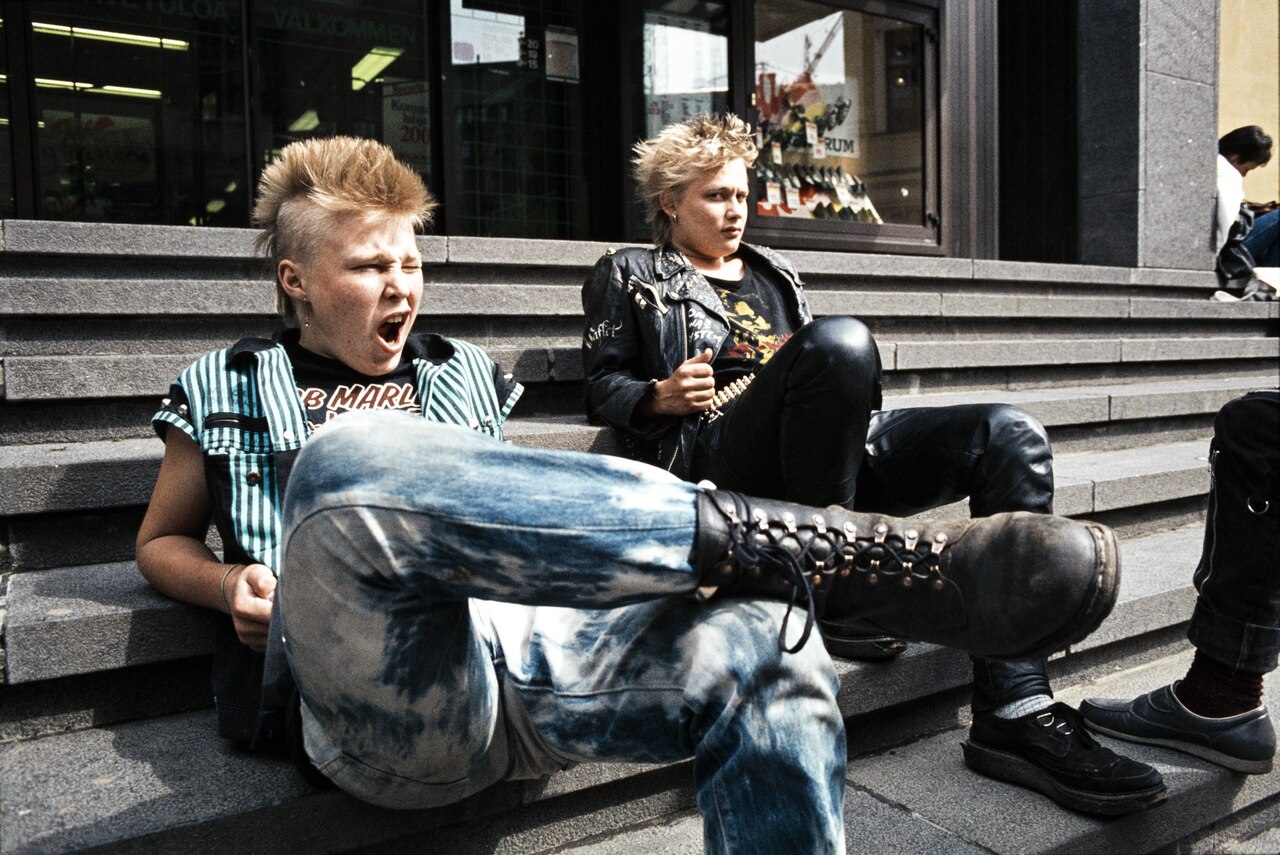
Grunge has a habit of returning roughly every decade — a little in the late 2000s through Tumblr, again now. But the 2020s version has something the others didn’t: an infrastructure that perfectly matches the music’s original values. The original scene was about authenticity, secondhand clothes, and a flat refusal of polished consumerism. The resale app and the thrift haul are not a betrayal of that idea — they’re its natural continuation, just with better logistics.
There’s a generational rhyme underneath it, too. Grunge first broke through during a recession, when polished ’80s excess curdled into something exhausted and the kids wanted clothes that looked as worn out as they felt. Gen Z, navigating their own economic squeeze and a planet’s worth of fast-fashion guilt, reached for the same wardrobe for many of the same reasons. The flannel was right there. It always is.
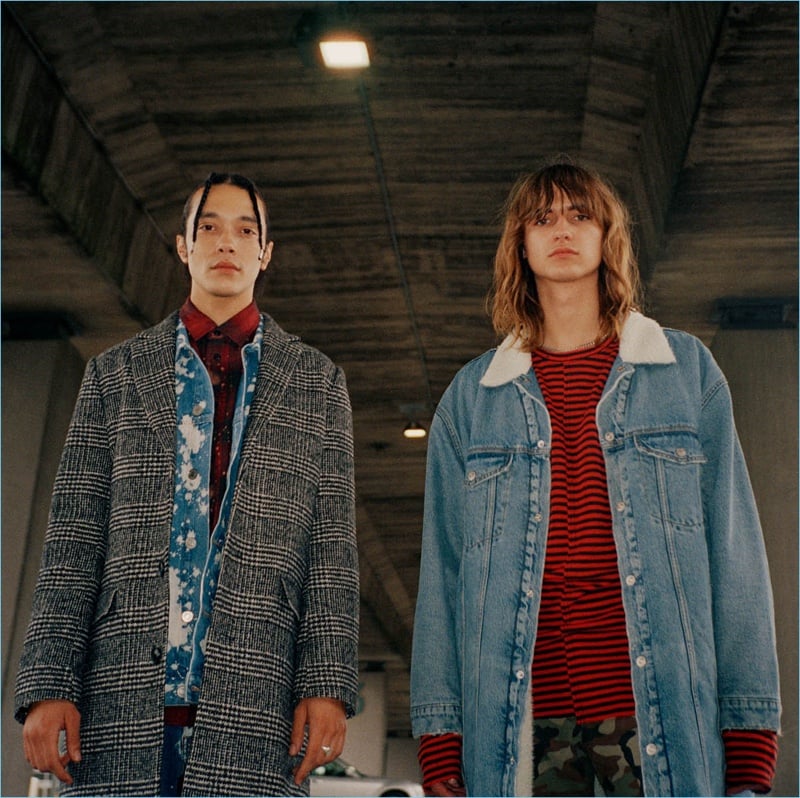
So no, the grunge resurgence in 2020s fashion isn’t a designer’s idea or a magazine’s prediction. It’s a bunch of teenagers who figured out that the coolest, cheapest, most honest clothes were sitting in the back of a thrift store the whole time — same as a different bunch of teenagers figured out in a rainy Seattle winter thirty years ago. The bands changed. The phones changed. The flannel never did.
Want to build the look from scratch the right way — secondhand first, new only where it counts? Start with the two pieces that anchor everything: an oversized flannel shirt and a pair of Dr. Martens 1460 boots. Everything else you can dig out of a thrift bin.
Sources
- Wikipedia — Grunge fashion
- Wikipedia — MTV Unplugged in New York
- Wikipedia — Depop
- Wikipedia — Marc Jacobs
- Wikipedia — Dr. Martens
- Wikipedia — Courtney Love
Browse retro and vintage-inspired apparel at the RetroRadical shop →
The Retro Almanac
A monthly roundup of "on this day" highlights from that month, decades back — plus first dibs on new retro merch drops. No spam, just the good stuff.