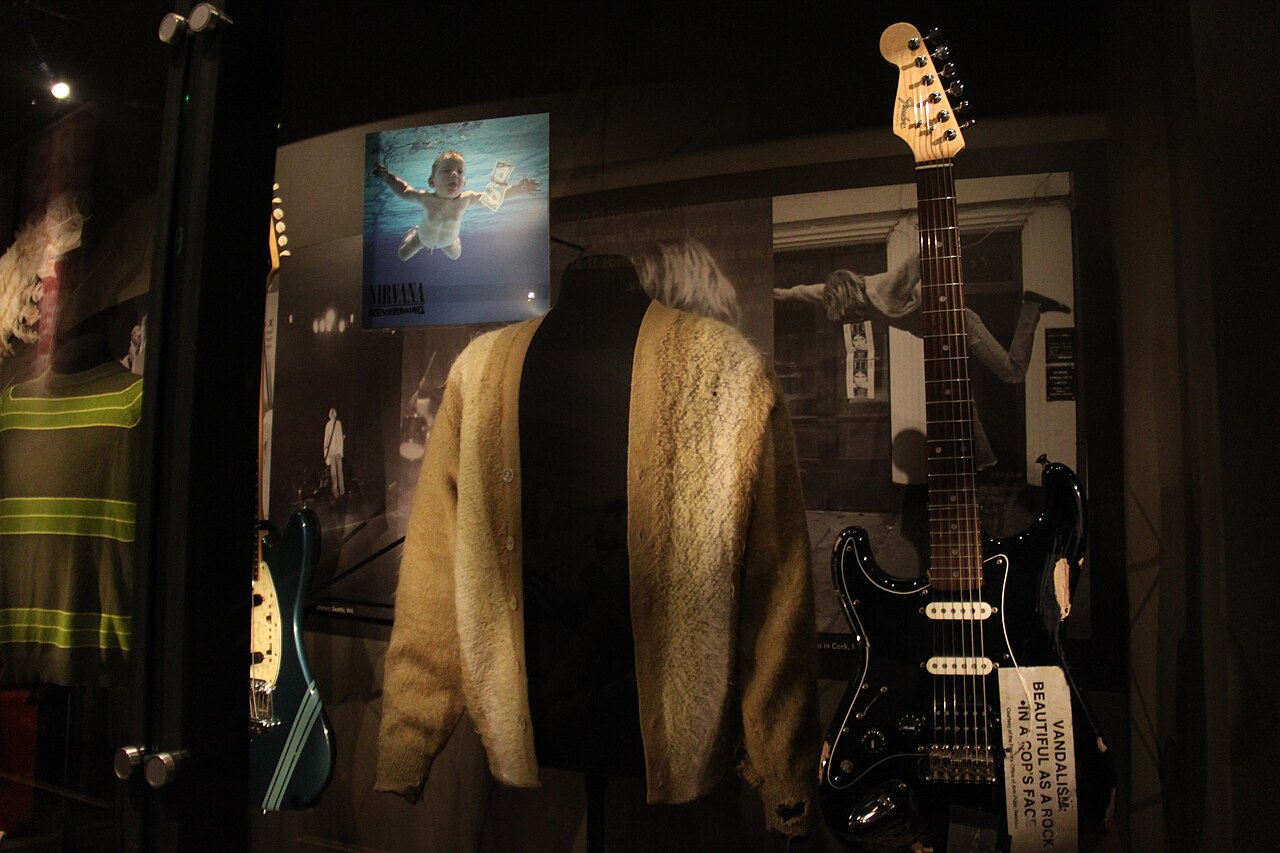
Nirvana Nevermind cover
|

The Best Grunge Albums of All Time: The Records That Killed the 80s

There’s a specific kind of static that lives at the start of “Smells Like Teen Spirit” — that four-bar guitar riff before Dave Grohl detonates the snare drum and the entire 1980s walk straight into the ocean. If you were old enough to own a CD player in 1991, you know exactly what that moment did to your record collection. The hairspray bands were finished. The cardigans were coming. And somewhere in Seattle, a small group of records was about to become the most important music of a generation. The best grunge albums of all time aren’t just nostalgia — they’re the receipts.

What follows isn’t a definitive top-ten so much as a tour through the records that mattered, in the order they mattered most. Some sold ten million copies. Some sold ten thousand. Every one of them changed something.

Nevermind — Nirvana (1991)

https://www.youtube.com/watch?v=BTiCBtQOUsE

Let’s just say it out loud: Nevermind is the album that made grunge a household word, a marketing category, and eventually a Marc Jacobs runway show. Recorded by Butch Vig at Sound City for around $65,000, it knocked Michael Jackson’s Dangerous off the top of the Billboard 200 in January 1992. Nobody — including the band — saw that coming. The songs were short, the melodies were enormous, and Kurt Cobain’s lyrics were the perfect mix of mumble and manifesto. “Come As You Are,” “Lithium,” “In Bloom,” “Polly” — every other track became a single without anyone deciding it should be. The naked-baby cover photo turned into one of the most reproduced images in rock history. If you only own one grunge album, you already know which one it is.

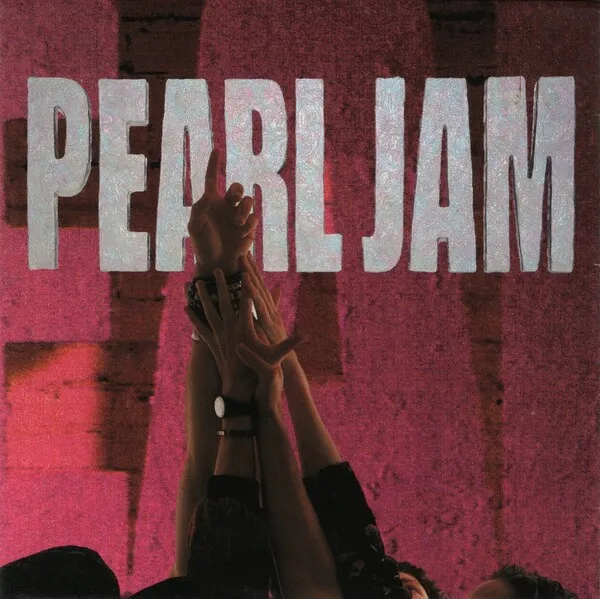
Cover art for Ten by Pearl Jam

Ten — Pearl Jam (1991)

Ten and Nevermind came out within weeks of each other, but Pearl Jam’s debut was a slow burn. It didn’t crack the top ten until almost a year after release, then refused to leave the chart for the next two years. Eddie Vedder sang like a man yelling from inside a tunnel, and Stone Gossard and Mike McCready stacked guitar parts the way Aerosmith used to. “Alive,” “Even Flow,” and “Jeremy” were arena-sized songs disguised as Seattle bummer-rock, and the album eventually sold more than thirteen million copies in the United States alone. Where Nirvana came in sideways, Pearl Jam came in with a stadium-rock band’s heart and a punk-rock band’s chip on its shoulder.


Alice in Chains Dirt

Dirt — Alice in Chains (1992)

Dirt is the grunge album that hits hardest because it doesn’t pretend it’s going to be okay. Layne Staley’s lyrics about addiction are not metaphors — they’re field reports — and Jerry Cantrell built the heaviest guitar sound of the entire scene to carry them. “Rooster,” “Down in a Hole,” “Would?,” “Them Bones” — there is no light at the end of any of these songs, and the album is somehow stronger for it. Released in September 1992 and certified five times platinum, Dirt is the record critics like to call “uncompromising” because they can’t bring themselves to call it terrifying.

Soundgarden Superunknown

Superunknown — Soundgarden (1994)

By 1994 the gates were wide open, and Soundgarden walked through with the album that finally matched their ambition. Superunknown debuted at number one, sold more than five million copies in the U.S., and won Grammys for “Black Hole Sun” and “Spoonman.” Chris Cornell’s voice could do everything — sledgehammer to lullaby, sometimes in the same chorus — and Kim Thayil’s guitar made the whole thing sound like a wrecking ball wrapped in velvet. If Nevermind was the spark, Superunknown was the wildfire: proof that grunge could be progressive, ambitious, and genuinely weird without losing its teeth.

Kurt COBAIN and NIRVANA; Kurt Cobain performing live onstage at Colisuem

In Utero — Nirvana (1993)

Cobain followed Nevermind with the most spectacular act of commercial sabotage in rock history: he hired Steve Albini to record In Utero, then watched the label panic when the mix came back full of feedback, fury, and very little radio polish. The label remixed two songs, the rest stayed brutal, and the album still debuted at number one. “Heart-Shaped Box,” “All Apologies,” and “Rape Me” prove that Cobain wasn’t just a melodic savant — he was a writer with a death-wish-grade commitment to honesty. Less than seven months after its release, he was gone.

r/grunge - Eddie Vedder at the 1992 lollapalooza festival
r/grunge – Eddie Vedder at the 1992 lollapalooza festival

Vs. — Pearl Jam (1993)

Vs. sold 950,378 copies in its first week and held the record for the fastest-selling album in history until Garth Brooks broke it in 1998. The crazier part: Pearl Jam refused to make a single music video for it. “Daughter,” “Animal,” “Rearviewmirror,” “Better Man” — these are the songs that proved Pearl Jam was building a career, not coasting on Ten. By 1993 the band had decided that fame was the enemy, and Vs. is what it sounds like when a group that hates being famous makes its best album anyway.

Layne Staley 1993
Layne Staley 1993

Superfuzz Bigmuff — Mudhoney (1988)

Before any of the above existed in the form you remember, there was Mudhoney’s Superfuzz Bigmuff EP — six songs released on Sub Pop in 1988, named after two guitar pedals, and arguably the first “grunge” record to escape the Pacific Northwest. Mark Arm sounded like he’d swallowed a megaphone, the guitars were a wall of fuzz, and “Touch Me I’m Sick” became the unofficial anthem of the entire scene. Mudhoney never got the platinum plaques, but every band on this list owes them a beer.

Apple — Mother Love Bone (1990)

Apple is the great what-if of grunge. Singer Andrew Wood died of a heroin overdose in March 1990 — months before the album he’d just finished was even released. The remaining members of Mother Love Bone went on to form Pearl Jam. Apple is glam, grunge, and gospel all stitched into one record, and “Crown of Thorns” remains one of the most beautiful rock songs of the decade. Without Wood’s death there is no Temple of the Dog, no Pearl Jam, and possibly no grunge as we know it.

Chris Cornell 1994
Chris Cornell 1994

Bleach — Nirvana (1989)

Recorded for $606.17 at Reciprocal Recording with producer Jack Endino, Bleach is what Nirvana sounded like before the world was paying attention. Heavier, sludgier, more obviously indebted to the Melvins than Nevermind would later be — “About a Girl” is the lone hint of the pop instincts that would soon flatten the music industry. Bleach didn’t sell anything on release, then sold over a million copies in the years after Cobain’s death. The whole record cost less to make than a used Civic.

Houdini — Melvins (1993)

You can’t talk seriously about grunge without the Melvins. Kurt Cobain idolized them, Buzz Osborne taught half the Seattle scene how to tune down, and Houdini — co-produced by Cobain himself — is the band’s funniest, weirdest, most accessible album. It’s not grunge by any radio-friendly definition, but everything grunge is built on top of can be traced to a Melvins riff somewhere underneath. Without Houdini and Bullhead and Ozma, the whole genre doesn’t exist.

The Honorable Mentions Bin

A few records that didn’t quite crack the main list but absolutely lived in the same dorm room as the ones that did.

Stone Temple Pilots — Core (1992)

Critics dismissed STP as Pearl Jam knockoffs. Then Core sold eight million copies. “Plush,” “Sex Type Thing,” and “Creep” still hit, and Scott Weiland was a frontman in the old-school sense — magnetic, troubled, and impossible to look away from.

Smashing Pumpkins — Siamese Dream (1993)

Maybe not grunge depending on who’s arguing, but it shared the moment, the haircuts, and the rage. Billy Corgan layered over a hundred guitar tracks on some of these songs, and “Today” still sounds like sunshine made of broken glass.

Hole — Live Through This (1994)

Courtney Love’s masterpiece, released four days after Cobain’s death. The lyrics had been written before. The grief in every review was not.

Screaming Trees — Sweet Oblivion (1992)

Mark Lanegan’s voice was a bourbon-soaked rumor and “Nearly Lost You” was on the Singles soundtrack, which is to say it was on the radio of every car driven by anyone under twenty-five that summer.

Why These Albums Still Sound Like Now

The best grunge albums of all time share something most rock records don’t: they sound like they were made by people who didn’t expect to get a second chance. There’s no swagger about future tours, no winks at the camera, no professional polish covering up the fact that these were mostly very young people working out their problems in real time on tape. That’s why a fourteen-year-old in 2026 can put on Dirt and feel it the way someone in 1992 felt it. Grunge wasn’t a sound — it was a permission slip. Take the flannel off and the records still work.

It also helps that the songs were just very, very good. Strip away the cultural baggage and “Black Hole Sun” is still a melody that would have made Lennon nod, “Would?” still has one of the most patient bass lines in rock, and “Smells Like Teen Spirit” still detonates an entire decade with one chord change. The fashion went out, came back, went out, came back. The albums never moved.

Where to Start If You’re New

The two-album crash course

Nevermind first, Ten second. You’ll have a working understanding of the entire genre by the time both finish playing.

The deep cut for converts

Dirt and In Utero — back to back. Pour something dark. Sit in the dark. Do not operate heavy machinery.

For the history nerds

Superfuzz Bigmuff and Bleach. This is what was being recorded in Pacific Northwest basements while Mötley Crüe was on a tour bus arguing about hairspray brands.

If you want to own them on vinyl

All ten of these have been reissued at some point in the last decade, most of them in expanded editions worth tracking down. Used record stores are still the best route — a beat copy of Ten for eight bucks beats a sealed reissue for forty, and the surface noise is part of the experience anyway.

The Last Word

Grunge had a short window. The classic run is basically 1988 to 1996 — Mudhoney to the third Soundgarden record, give or take. Cobain was gone by April 1994. Staley was gone by 2002. Cornell was gone by 2017. The bands that survived ended up bigger than anyone in 1991 could have predicted, and the albums they made in those first few feverish years still anchor every “best of” list anyone publishes about the 90s.

That’s the deal with the best grunge albums of all time. They weren’t supposed to be classics. They were supposed to be loud. The classic part happened by accident, and that’s why they still hold up.

Sources

Similar Posts

Leave a Reply

Your email address will not be published. Required fields are marked *