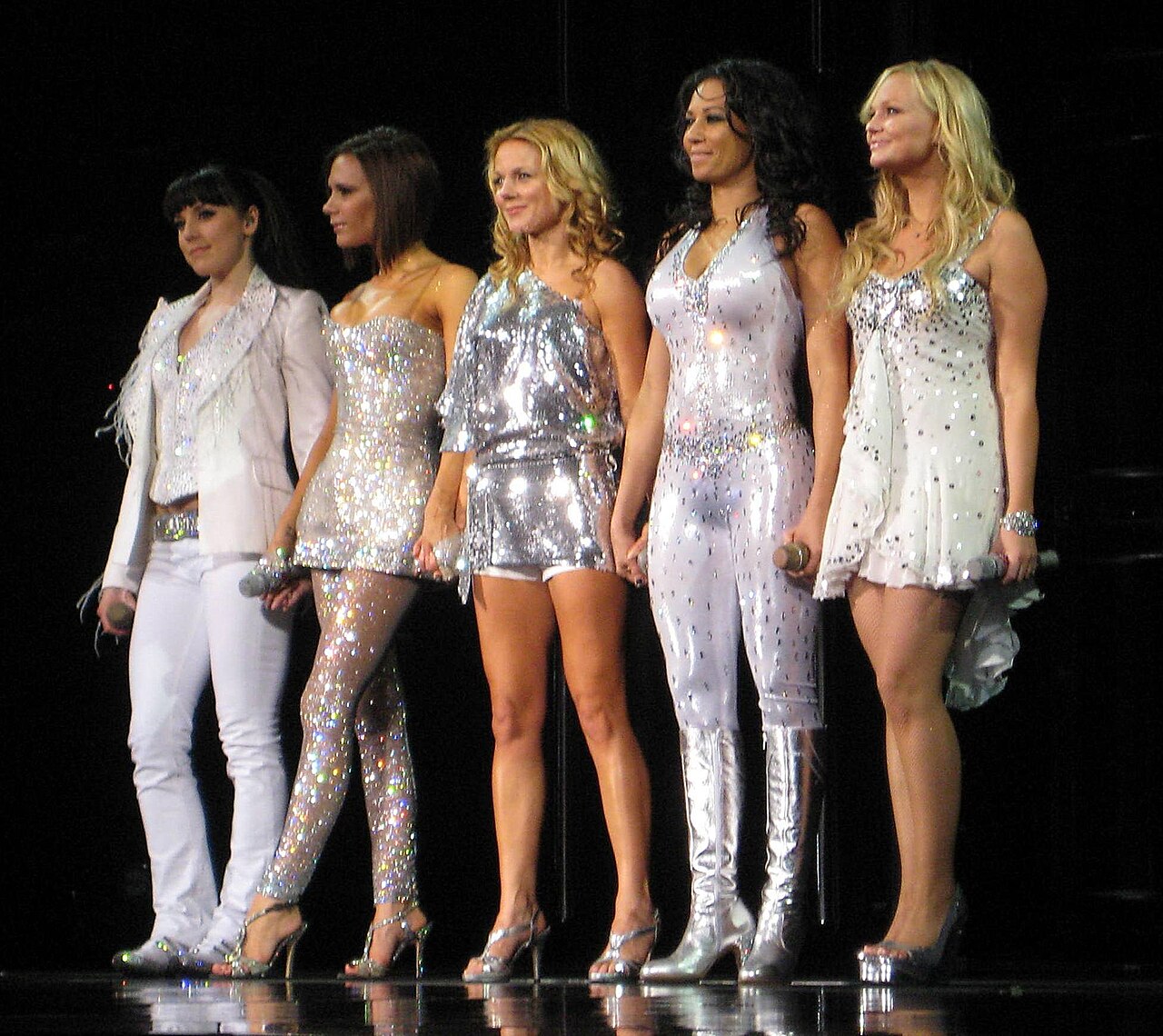
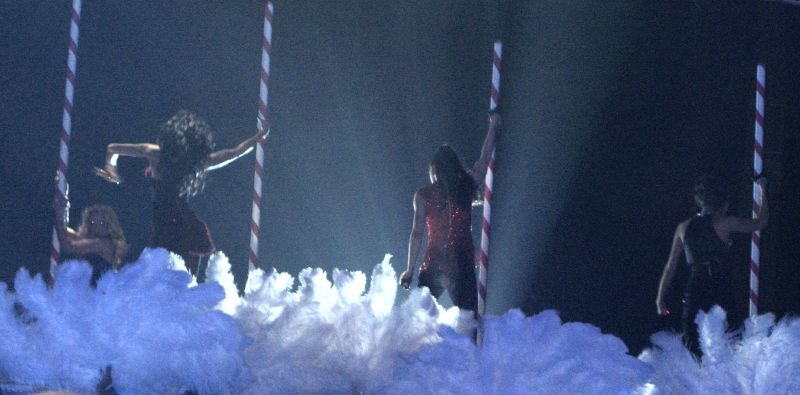
Spice Girls reunion concert 2007
|

How the Spice Girls Took Over the World

There are pop groups, and then there is the phenomenon that was the Spice Girls. When five young women from England released Wannabe in July 1996, nobody could have predicted what was about to happen. Within weeks it hit number one in 37 countries. Within a year, Victoria, Mel B, Mel C, Emma and Geri had become the biggest-selling girl group in history — and they were just getting started.
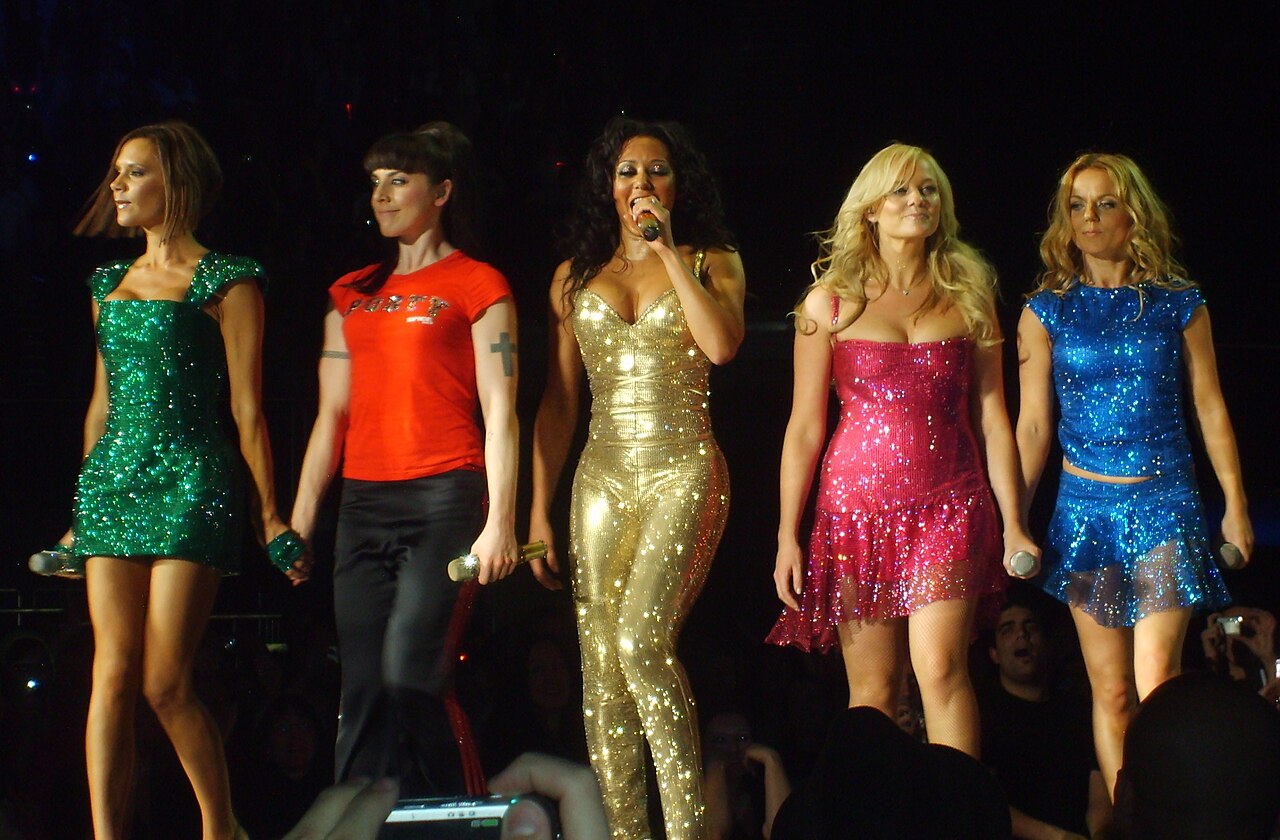
Spice Girls live performance

The Five Faces Behind the Phenomenon

What made the Spice Girls different was their identities. Every member had a nickname — Scary, Sporty, Baby, Posh and Ginger Spice — and those monikers were not just marketing. They were a deliberate invitation for every fan to find their own Spice. You did not just like the Spice Girls; you identified with one of them. That simple psychological hook was genius, and it drove merchandise sales and fan loyalty to levels that pop management teams still study today.

Melanie Brown (Scary Spice) brought the raw power. Melanie Chisholm (Sporty Spice) delivered the athletic credibility and the jaw-dropping vocals. Emma Bunton (Baby Spice) gave the group its sweetness. Victoria Adams (Posh Spice) contributed the aspiration, the fashion edge, and an icy cool that contrasted with everyone else’s warmth. And Geri Halliwell (Ginger Spice) was the firecracker — unpredictable, outspoken, the one who coined the phrase that would become their battle cry.

Spice Girls in Toronto Ontario concert

Girl Power: More Than a Slogan

The phrase Girl Power predated the Spice Girls — it came from the riot grrrl punk movement of the early 90s — but the Spice Girls took it mass market in a way nobody had before. They printed it on mugs, emblazoned it on platforms, chanted it from stages in front of 50,000 people. Critics rolled their eyes and called it commercialised feminism. Fans did not care.
For millions of girls growing up in the mid-90s, Girl Power was a genuine revelation. At a time when the dominant pop culture message for women was to be pretty and accommodating, five loud, opinionated women in platform boots were screaming something different. They told female fans to be confident, to pick their friends carefully, to demand respect from partners. The 1997 Des O’Connor interview below captures their charisma perfectly — they are irreverent, funny, and completely in charge of the room.

https://www.youtube.com/watch?v=gQTtnv0Riuk

Spice Mania: The Numbers Are Staggering

The commercial scale of Spice Girls 90s dominance is almost impossible to overstate. Their debut album, Spice (1996), sold over 31 million copies worldwide, making it the best-selling album by a female group ever at the time. The follow-up, Spiceworld (1997), shifted another 20 million. Between 1996 and 2000, they accumulated nine consecutive UK number one singles — a record for a group at the time.

They endorsed everything. Pepsi. Walkers Crisps. Polaroid. Chupa Chups. Their faces appeared on 500 officially licensed products including dolls, lunchboxes, sleeping bags, stationery, and their own brand of deodorant. The merchandise empire generated an estimated 500 million pounds. Each member had her own doll with distinctive outfit and accessories. Those dolls sold out across Britain the week they launched.

Spice Girls group photo

The Spiceworld Film: Bigger Than Expected

In November 1997, Spiceworld: The Movie arrived in cinemas. Critics prepared their poison pens. The film — a self-aware romp loosely modelled on A Hard Day’s Night — was never going to win awards. But audiences had a different verdict. It opened at number one in the UK and took $100 million at the worldwide box office against a budget of roughly 4 million pounds. That return on investment would make any Hollywood producer weep with envy.

The film also demonstrated the group’s sharp self-awareness. They knew they were a constructed pop machine, and they leaned into it rather than pretending otherwise. Cameos from Roger Moore, Elvis Costello and Bob Hoskins gave it a certain knowing wink. Richard E. Grant played their long-suffering manager with visible glee. The merchandise machine naturally went into overdrive when the film came out — the soundtrack alone sold 7 million copies.

Spiceworld stage show

The Crack in the Foundation: Geri’s Exit

On June 1, 1998, the news broke that Geri Halliwell had left the group. She later described suffering from an eating disorder and exhaustion, and feeling increasingly isolated within the band. For fans, it was a genuinely shocking moment — the Spice Girls without Ginger felt unthinkable. The remaining four pressed on, releasing their third album Forever in 2000, but the spark had dimmed. The album stalled at number two in the UK, and the group quietly went on indefinite hiatus.

The end of the original lineup also corresponded with the shifting landscape of pop. 1998 and 1999 saw the rise of a new wave of acts filling arenas. The pop world was moving on, even if it owed an enormous debt to the path the Spice Girls had cleared.

Victoria Beckham and David Beckham 2019

Five Solo Acts: The Careers After the Craze

The individual paths taken after the split tell you a great deal about each woman. Victoria Beckham largely stepped away from music and reinvented herself as one of the most respected fashion designers in Britain, with a label worn by royalty and celebrities globally. Her documentary showed her fully at peace with the Posh Spice era she once seemed keen to escape.

Melanie Chisholm (Sporty Spice) built the strongest solo music career of the five, releasing multiple critically respected albums and continuing to tour. Her 1999 solo debut was a genuine triumph — Northern Star went five times platinum in the UK and produced the iconic Never Be the Same Again with Lisa Left Eye Lopes.

Geri Halliwell had the most turbulent post-Spice years, navigating tabloid scrutiny, a stint as a UN goodwill ambassador, and a solo career that produced two UK number ones. She later married Formula One executive Christian Horner and became a bestselling children’s author.

Mel B relocated to the United States, worked as a television judge on shows including America’s Got Talent and the UK X Factor, and became an outspoken advocate for domestic abuse survivors. Emma Bunton built a second career in British radio and television presenting, including a long-running stint on Heart FM.

Geri Halliwell Viva Forever concert

The Reunion Tours: Proof the Legacy Was Intact

The first proper reunion came in 2007 — all five members, all eleven years of unresolved dynamics, all 500 licensed products — when the Spice Girls announced a world tour. It sold out within hours. The footage from that reunion shows just how powerful their live show remained; platform boots, Union Jack dresses and Spice Up Your Life had not lost one ounce of their power to light up an arena.

In 2019, four of the five (Victoria sat it out, citing business commitments) toured the UK and Ireland again. Over 700,000 tickets sold. The Spice Girls 90s magic had survived two decades completely intact. At Wembley Stadium on a June night in 2019, the crowd — filled with women now in their 30s who had been teenagers in 1997 — screamed every word back at four women in their mid-40s. Girl Power, it turned out, had a very long shelf life.

Melanie C Sporty Spice live performance

Why the Spice Girls Still Matter

Pop history is littered with acts that defined a moment and then disappeared with it. The Spice Girls are not one of those acts. Every few years, a new generation discovers Wannabe — on TikTok, in a documentary, at a retro night — and the song does exactly what it did in 1996. It is unstoppable.

Part of that staying power comes from the music itself. Producers Richard Stannard and Eliot Kennedy, and songwriters Matt Rowe and Andy Watkins, created hooks that are genuinely difficult to shake. But beyond the craft, the Spice Girls represented something that popular culture does not always manage: they told an entire generation of girls that they deserved to take up space. In an era when that message was far from universal, five women in platforms and Union Jack minidresses delivered it to an audience of hundreds of millions.

The Spice Girls 90s craze was not just pop mania — it was a cultural turning point, the moment when Girl Power went from a riot grrrl zine slogan to a global movement. Not bad for a group whose early management told them they would never make it.

Sources

Similar Posts

Leave a Reply

Your email address will not be published. Required fields are marked *