Grunge Came Back in the 2020s Wearing the Same Flannel It Left In
Walk into any high school hallway in 2024, scroll TikTok for ninety seconds, or take a hard look at the front rack at Urban Outfitters, and you’ll see the same thing: oversized flannel, Doc Martens, ripped jeans, a band tee that’s been deliberately washed forty times, and a slip dress somebody’s mom probably owned in 1995. The grunge resurgence in 2020s fashion isn’t subtle. It’s a full closet raid on the decade Gen X spent trying to look like they didn’t care.
The funny part? They actually didn’t care. That was the whole point. The kids buying it back now care a lot. They have moodboards. They have hashtags. They have a $128 plaid shirt from a Brooklyn boutique that looks exactly like the $4 Pendleton your uncle wore to change the oil in his Bronco. And honestly? Good for them. Grunge was always too good to stay buried.
The Flannel Refuses to Die
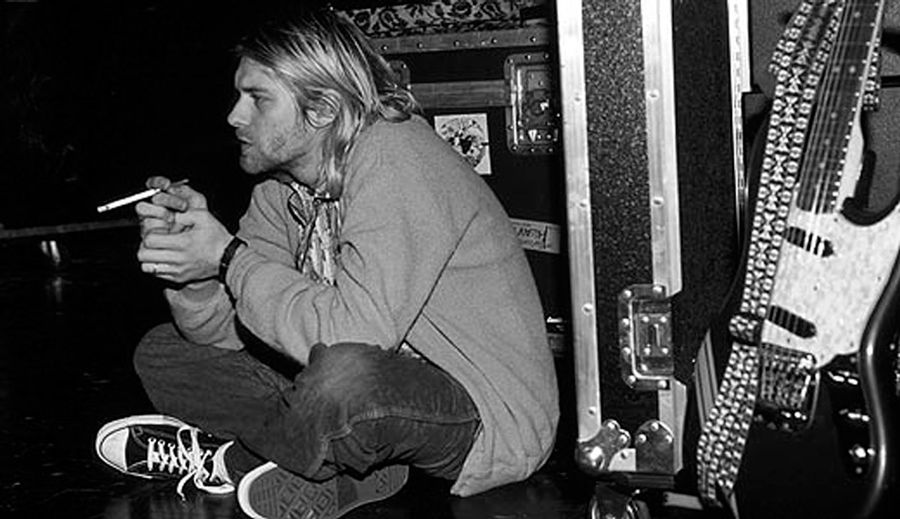
If grunge has a flag, it’s a red-and-black plaid Pendleton tied around the waist of a kid wearing Converse and a thousand-yard stare. Kurt Cobain wore one on the cover of pretty much everything between 1991 and 1994. Eddie Vedder still owns one. So does your dad, probably, and he keeps it in the garage for emergencies.
In 2024, flannel sales jumped across nearly every major retailer that tracks the category. Madewell, J.Crew, and Urban Outfitters all leaned hard into oversized plaid. Resale sites like Depop and Poshmark report vintage Pendleton and L.L. Bean flannels move within hours of being listed. The cut is different now — bigger, longer, often boxy enough to wear as a dress — but the fabric is the same, and the energy is exactly the same.
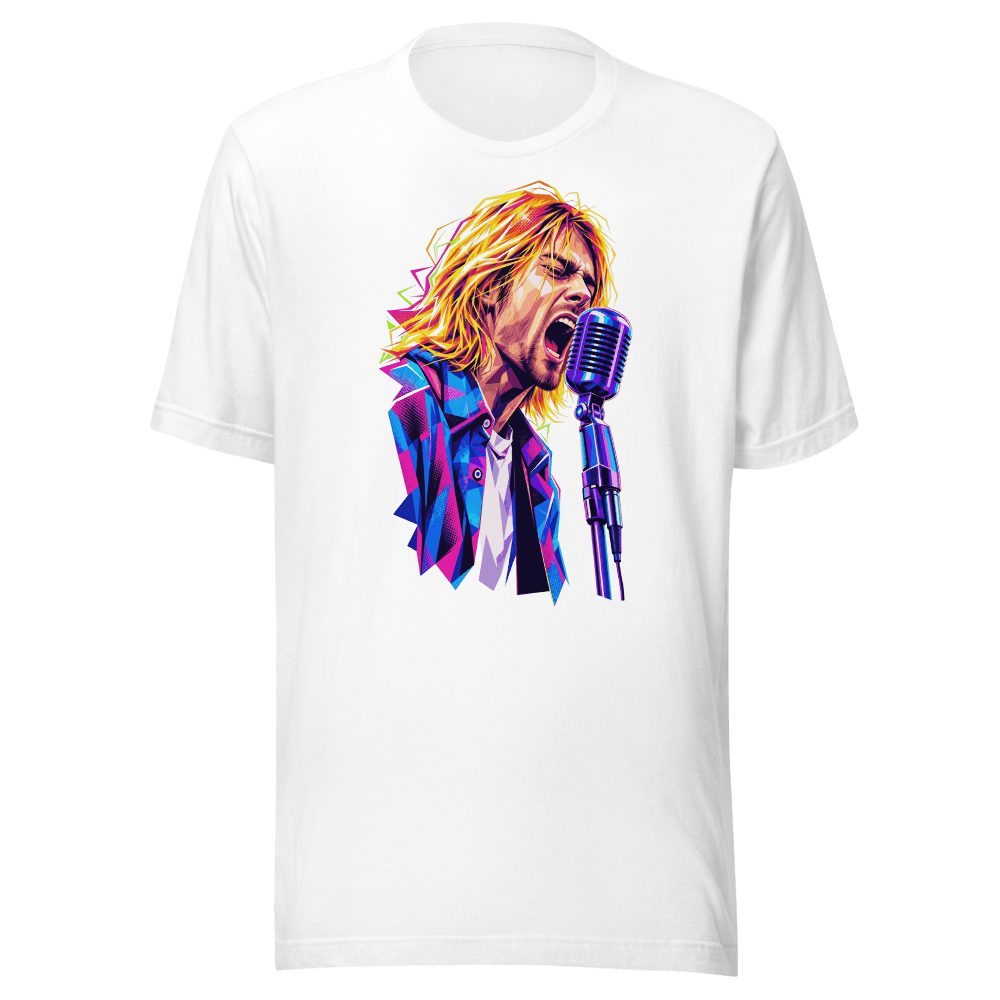
The grunge kids never bought flannel because it looked cool. They bought it because it was warm, cheap, and already in the house. Seattle is wet eight months of the year. A heavy plaid shirt over a thermal henley was a uniform of necessity that accidentally became a uniform of rebellion. Forty years later, the kids in Phoenix are wearing the same thing in a heatwave, which says everything you need to know about how fashion works.
Doc Martens Are the New Sneaker
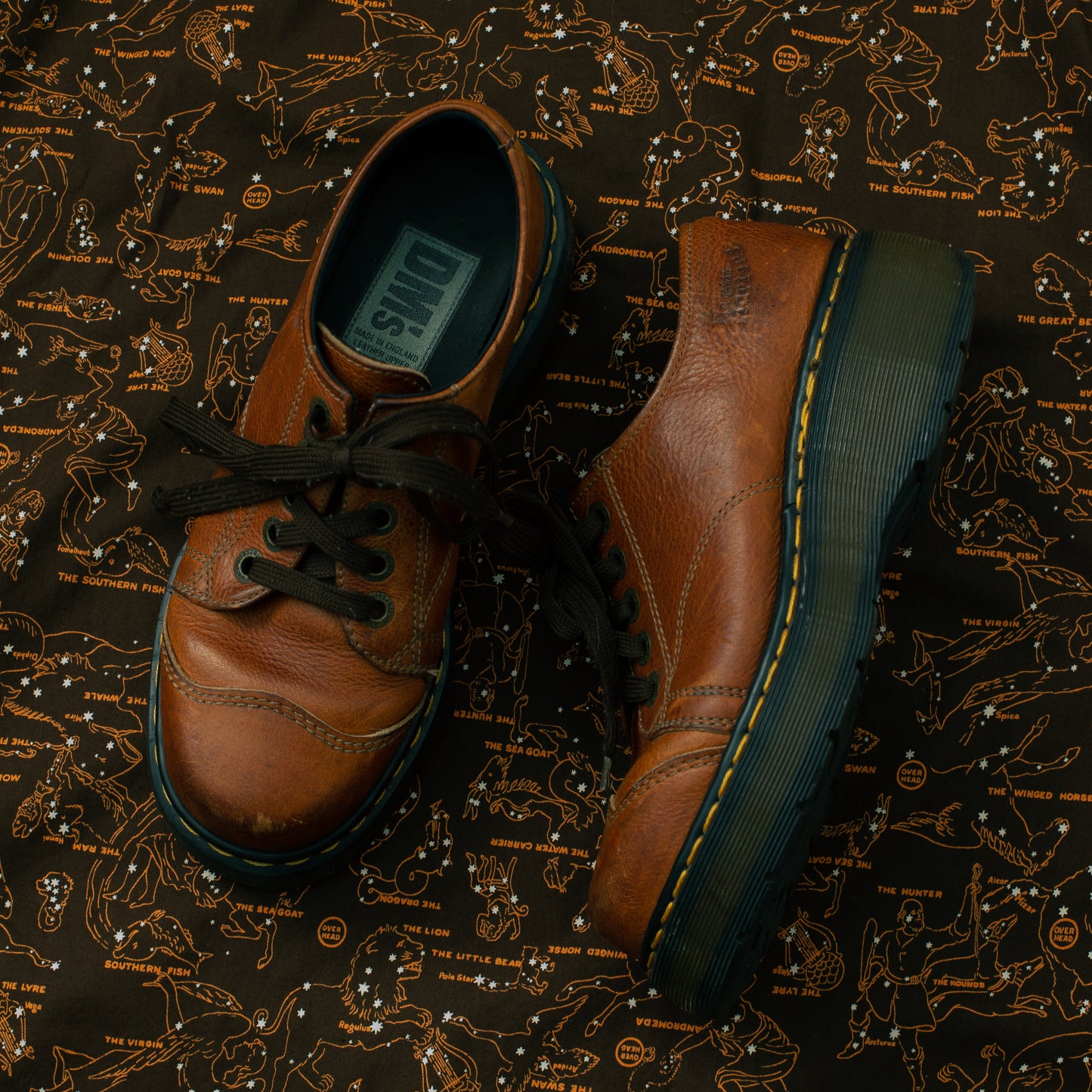
The 1460 boot — that’s the eight-eye black leather one your cousin saved up for in eleventh grade — has had three separate revivals since 1990. The 2020s version is the biggest yet. Dr. Martens went public on the London Stock Exchange in 2021, and their financial reports kept pointing at the same thing: Gen Z bought the boots in numbers nobody predicted.

The Jadon platform variant — chunky, aggressive, basically a 1460 with a monster-truck sole — became the gateway drug. From there, the kids worked their way back to the originals. The 1461 three-eye shoe started showing up under cuffed Levi’s. Mary Jane Docs (yes, those exist) blew up on TikTok. Even the lesser-known Sinclair boot found a second life.
The fashion-history irony here is thick. Doc Martens were a British workwear boot from the 1960s before they got adopted by skinheads, then punks, then goths, then grunge kids, then mall kids, then the back of your closet. Each generation thought they were doing something new. Each generation was wearing a boot designed for a German postman.
The Slip Dress Over a T-Shirt
Watch the music video for Hole’s Doll Parts. Look at any photo of Winona Ryder from 1994. Pull up Kate Moss in a Calvin Klein ad from 1993. There’s a satin slip dress in all of them, usually thrown over a white tee or worn with combat boots, almost always looking like the wearer woke up in it and just decided to keep going.
That exact look — slip dress over a plain tee, often with chunky boots — is one of the single most-replicated outfits on TikTok and Instagram in the 2020s grunge revival. Reformation built half a brand on it. Vintage 90s slips from Express, Victoria’s Secret, and unbranded mall labels sell on eBay for ten times what they retailed for.
What the original grunge era figured out, and what Gen Z figured out again, is that the slip dress is the laziest formula in fashion: a sexy thing softened by an unsexy thing equals an outfit. Courtney Love understood this. So does Olivia Rodrigo, who has worn variations of it on at least three red carpets and seemingly every press tour stop.
How TikTok Found the Closet Your Mom Threw Out

The grunge revival didn’t come from a designer or a magazine. It came from the For You Page. The #90sgrunge hashtag has billions of views. #grungeaesthetic has its own ecosystem of styling tutorials, thrifting hauls, and “get ready with me” videos where teenagers layer chokers, fishnets, ripped tights, and oversized cardigans like they’re assembling a sandwich.
The Olivia Rodrigo factor matters. Her 2021 album Sour was Avril Lavigne meets Liz Phair meets a thrift store. She wore plaid skirts, Docs, and ripped tights on tour, and a million teenagers immediately bought plaid skirts, Docs, and ripped tights. Billie Eilish’s earlier oversized aesthetic teed it up. Phoebe Bridgers added the cardigan-and-cigarette layer. By 2023, the whole thing was a movement again.
What’s wild is how accurate the references are. These kids know the difference between a Soundgarden tee and an Alice in Chains tee. They know that a Rancid patch on a Marc Jacobs jacket is funny in a specific way. They know who Kim Gordon is. They have done the homework. Gen X did not do the homework — Gen X was just wet and broke in Seattle. But the homework is being done now, and the result looks pretty close to the real thing.
The Thrift Store Wins Twice
The grunge resurgence in 2020s fashion is also a sustainability story, whether anybody planned it that way or not. Fast fashion fatigue is real. Gen Z polls consistently higher on “I prefer secondhand” than any generation before them. Thrift store revenue in the U.S. has been climbing year over year through the 2020s. Goodwill, Savers, and the Salvation Army all report record traffic.

So you have a perfect storm: an aesthetic that originally came from thrift stores, a generation that wants to thrift for ethical reasons, and a social media engine that rewards finding the perfect $4 cardigan and showing it off. The same Goodwill bins your older sister picked through in 1994 looking for a grandpa sweater are getting picked through right now by sixteen-year-olds looking for the same grandpa sweater.
The downside, of course, is that the resale market for actual vintage 90s pieces has exploded. A real Nirvana In Utero tour shirt now sells for low four figures. An authentic 1993 Pendleton in good condition is a $200 item on Etsy. The democracy of grunge — anyone could afford to look this way — is getting priced out by its own legend.
What’s Different This Time
The original grunge look was accidental. Bands wore what they had. Audiences copied bands. Magazines covered audiences. By the time Marc Jacobs sent his now-infamous grunge collection down the Perry Ellis runway in 1992 — the one that got him fired — the look was already mainstream, and the people who invented it were already annoyed.

The 2020s revival is the opposite. It’s curated. It’s deliberate. There are how-to videos. There are recommended pieces. There are influencer-approved color palettes. Whole brands — Brandy Melville, Garage, AllSaints, and yes, the resurgent Marc Jacobs Heaven sublabel — exist to sell people grunge that looks accidental. The look has been reverse-engineered from the result.
That’s not necessarily bad. It just means this version is performance, where the original was practice. Gen Z is putting on a costume of authenticity, and they know it, and they’re fine with it. The slip dress over a band tee isn’t pretending to be tossed-together anymore. It’s a documented, photographed, hashtagged choice.
Why Gen X Has Complicated Feelings
If you came up in the original era, the 2020s grunge revival hits weird. On one hand: the music is being rediscovered, your favorite boots are back on shelves, and the dominant aesthetic of teenage life looks exactly like the inside of your 1994 locker. That’s a flex.

On the other hand: the Nirvana tee at Target costs $34, and the kid wearing it could not name a song past Smells Like Teen Spirit. The Doc Martens that ran you sixty hard-earned dollars in 1993 now retail for $180. And the slip-dress-over-tee look that Courtney Love made dangerous is being modeled by a sixteen-year-old whose mom drove her to the photoshoot.
The right answer, probably, is to let it happen. Every generation steals from the one before. Boomers raided the 1950s. Gen X raided the 1970s. Millennials had a frankly disturbing crush on the 1980s. Gen Z is doing what every generation does: finding the coolest thing the previous adults made, removing the parts that hurt, and wearing the rest. Grunge survived because it was always more than a uniform. The uniform is just the part we can see.
The Soundtrack Comes With the Outfit
The fashion revival is dragging the music back with it, which is the part that actually matters. Nirvana’s streaming numbers have climbed steadily through the 2020s. Pearl Jam tours sell out arenas. Soundgarden’s catalog has had a quiet but steady rediscovery. Hole’s Live Through This got a vinyl reissue that sold faster than anyone expected. Even Mudhoney got their flowers.

That part is fine. That part is great. A teenager finding Bleach for the first time in 2024 is having the same head-explosion moment as the teenager who bought it on tape in 1989. The clothes are downstream of the music, the way they always were. The grunge resurgence in 2020s fashion will eventually move on — every revival does — but the records will keep getting played.
So if you see a kid on the train this week wearing a too-big flannel, scuffed Docs, and a Nirvana tee with the smiley face on it, resist the urge to roll your eyes. They’re not stealing it. They’re just borrowing it. The closet was always meant to be shared. And honestly, the flannel still looks great.
Sources
Grunge (music and culture) — Wikipedia
Shop vintage flannel shirts on Amazon
Shop Dr. Martens 1460 on Amazon