On This Day: June 25, 1982 — Blade Runner and The Thing Open
Picture a studio executive on the morning of June 25, 1982, looking at the weekend release schedule and feeling pretty good. Two big sci-fi pictures, two proven directors, two stars audiences already loved. By Monday, that same executive was staring at the worst kind of math. Blade Runner and The Thing had both stumbled out of the gate on the very same Friday, and neither one recovered. It remains one of the strangest coincidences in movie history: two films now taught in film schools, both written off as failures within a week of each other.
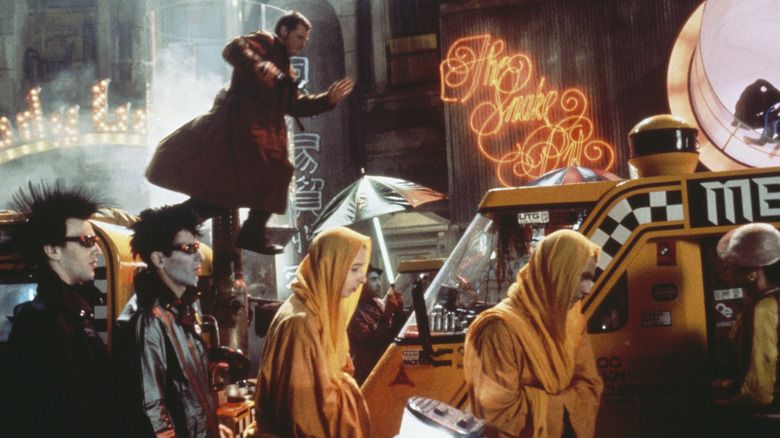
The rain-soaked, neon Los Angeles of Blade Runner — a look that every cyberpunk movie has copied since.
The Retro Almanac
A monthly roundup of "on this day" highlights from that month, decades back — plus first dibs on new retro merch drops. No spam, just the good stuff.
The day two future classics walked into a buzzsaw
Ridley Scott was coming off Alien. John Carpenter was the guy who made Halloween on pocket change and turned it into the most profitable independent film of its era. On paper, June 25, 1982 should have been a victory lap for both of them. Instead, Blade Runner opened in second place with $6.1 million across 1,295 screens, and The Thing limped in at eighth with $3.1 million. Within three weeks, both had vanished from the top ten entirely.
The wider numbers were brutal. Blade Runner earned about $27.5 million domestically against a $30 million budget. The Thing pulled in $19.6 million on a $15 million budget. For films that cost that much and carried that much expectation, those are the kind of returns that get people fired, not celebrated.
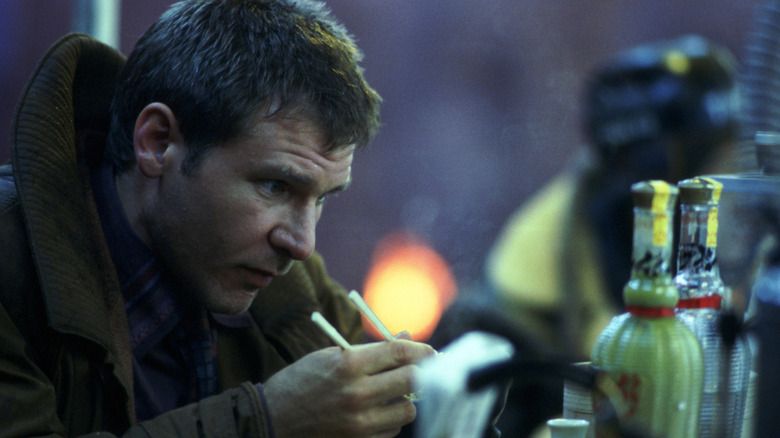
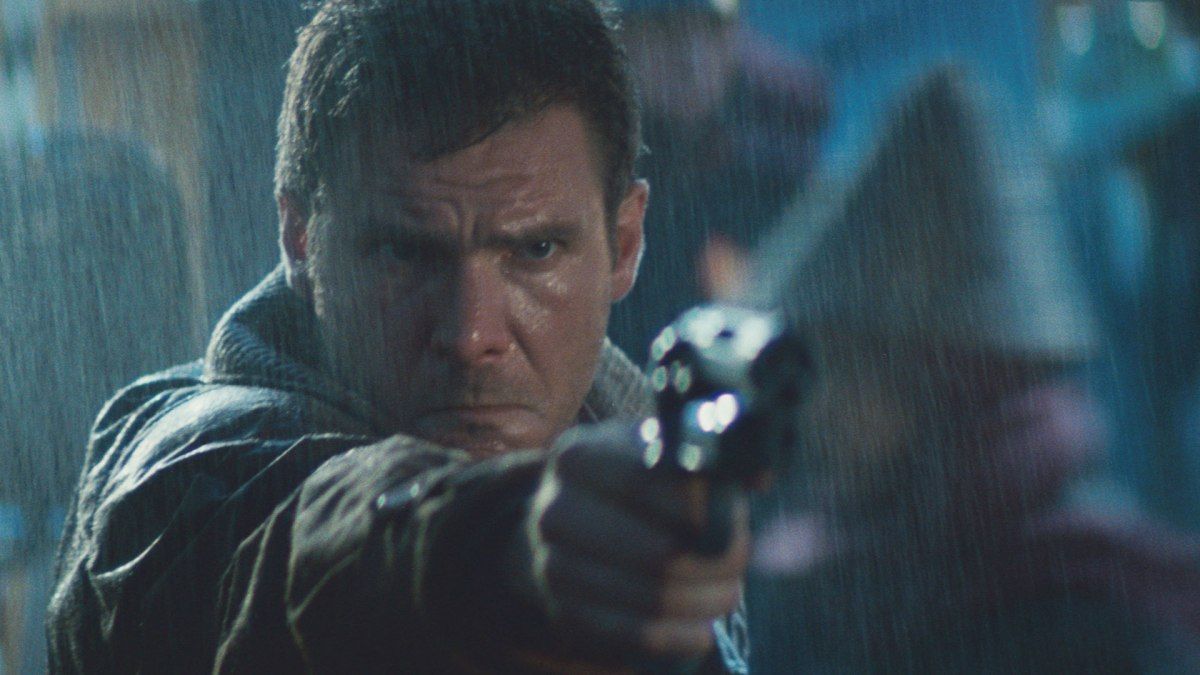
Harrison Ford as Rick Deckard. Audiences in 1982 wanted Han Solo, not a tired, morally gray cop in the rain.
Why Blade Runner left 1982 audiences cold
Harrison Ford was the biggest movie star alive in the summer of 1982. He’d just come off Raiders of the Lost Ark the year before and was riding the original Star Wars trilogy. People bought tickets expecting another rakish, grinning hero. What they got was Rick Deckard: a burned-out detective trudging through a perpetually raining city, hunting androids who were arguably more sympathetic than he was.
The film was slow, melancholy, and morally murky. The studio panicked after weak test screenings and bolted on a flat voiceover and a tacked-on happy ending, neither of which Scott wanted. The result pleased nobody — too strange for the popcorn crowd, too compromised for the art-house crowd. Roger Ebert admired the visuals but found the story cold. He wasn’t alone.
Then there’s the ending. Rutger Hauer, playing the replicant Roy Batty, rewrote his own final speech the night before shooting, trimming the scripted lines and adding the now-immortal closer: “All those moments will be lost in time, like tears in rain.” In 1982, it sailed over most heads. Today it’s regularly called the greatest death scene in science fiction.
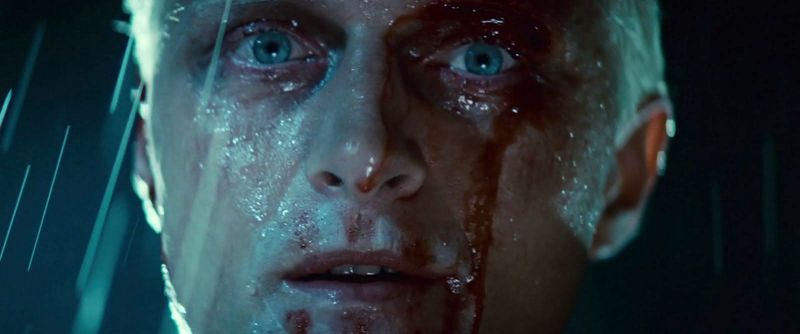
Rutger Hauer’s “tears in rain” monologue — improvised, and now the most quoted moment in the film.
The Thing was simply too much for the room
If Blade Runner was too slow, The Thing was too savage. Carpenter delivered a paranoid, claustrophobic horror film about a shape-shifting alien picking off a team of researchers in Antarctica, and he refused to soften any of it. Rob Bottin’s practical effects — chest-mouths, spider-heads, bodies turning inside out — were genuinely revolting in a way audiences in 1982 were not ready for.
Producer David Foster reportedly summed up the mood after the test screenings with two words: “We’re dead.” Critics were openly hostile. Starlog called it a wretched excess. The kindest reviews described it as technically impressive and emotionally repellent. Carpenter, who had taken the job as his big-budget studio moment, watched it sink and later admitted the failure stung for years.
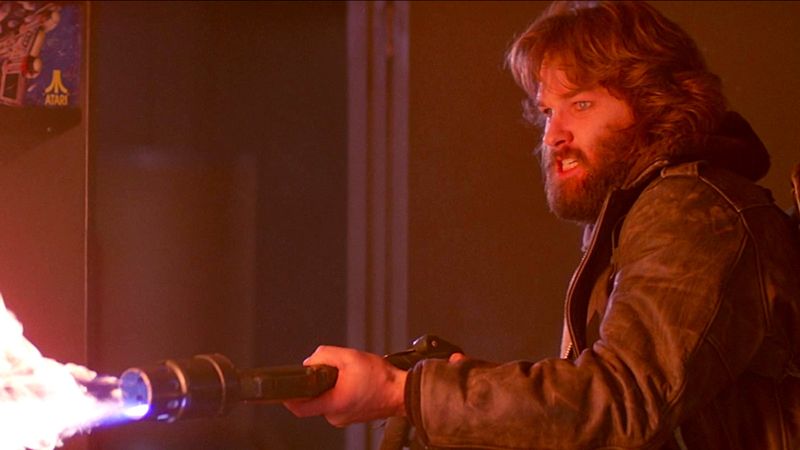
Kurt Russell as MacReady, flamethrower in hand. Note the Atari poster on the wall — peak 1982.
The cruel irony is that the effects everyone recoiled from in 1982 are exactly what fans now travel to revival screenings to see. There’s no CGI to age badly. Every horrifying transformation was built in a workshop and lit on a soundstage, which is why The Thing looks better today than most monster movies made thirty years later.
It didn’t help that the source material was misunderstood too. Carpenter was reworking the same story as the beloved 1951 film The Thing from Another World, and a chunk of the audience showed up expecting a familiar man-in-a-suit monster. The ambiguous, gut-punch ending — MacReady and Childs sitting in the snow, neither sure if the other is still human — gave moviegoers no comfort and no resolution. People wanted to be told everything was fine. Carpenter refused, and in 1982 that refusal read as a flaw instead of the whole point.

The iconic teaser art for The Thing — all dread, no answers.
E.T. ate everyone’s lunch
Here’s the part that turns a coincidence into a tragedy: the competition. Spielberg’s E.T. the Extra-Terrestrial had landed two weeks earlier and was in the middle of one of the most dominant runs in box-office history. On the June 25 weekend, E.T. made $13.7 million in its third week — more than double what Blade Runner took, and over four times The Thing. It would sit at number one for sixteen weeks and finish with more than $350 million domestic on a budget of about $10.5 million.
The contrast couldn’t have been sharper. America had just fallen in love with a gentle alien who wanted to phone home and ride a bike across the moon. In that emotional climate, who wanted a nihilistic creature tearing people apart in the snow, or a grim meditation on what makes us human? The summer of 1982 had room for exactly one kind of alien, and it was the cute one.
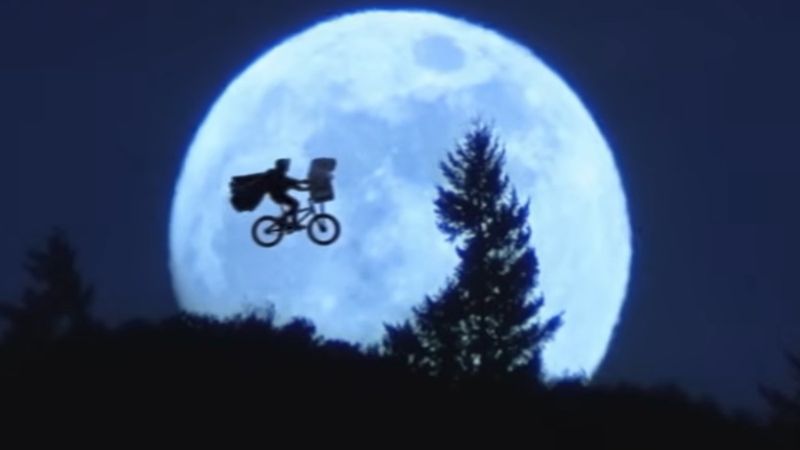
The alien America actually wanted in 1982. E.T. buried both sci-fi rivals.
Worth remembering too: 1982 was stacked. Poltergeist, Star Trek II: The Wrath of Khan, An Officer and a Gentleman, First Blood, and Fast Times at Ridgemont High all crowded the same calendar. Two challenging, downbeat sci-fi films never stood a chance against that kind of traffic. Just a day earlier, on June 24, a British Airways jumbo jet flew through a volcanic ash cloud and lost all four engines — the kind of real-life drama 1982 was serving up alongside the fiction.
How both movies clawed their way back
The thing that saved Blade Runner and The Thing didn’t exist in any meaningful way before the early 1980s: home video. As VCRs spread into living rooms and cable channels hungry for content played both films on repeat, a new audience found them with no opening-weekend pressure, no critical pile-on, and the freedom to rewatch. Slowness became atmosphere. Bleakness became depth.
The truth is, both films needed the world to catch up to them, not the other way around. Blade Runner essentially invented the visual language of cyberpunk — every rain-slicked neon city in film since owes it a debt. The Thing became the gold standard for practical-effects horror and a staple of every “scariest movies ever” list. Ridley Scott finally released his preferred version, “The Final Cut,” in 2007, stripping the studio’s voiceover and restoring his original vision. The Thing has been re-released theatrically for anniversaries and consistently outsells films that beat it in 1982.
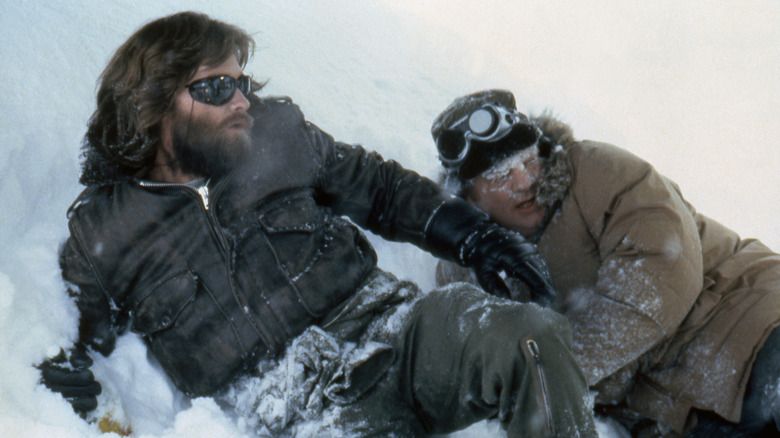
The bleak, frozen finale of The Thing — too dark for 1982, perfect for everyone since.
What one weekend in 1982 still teaches us
Go watch the official making-of and it’s clear neither director set out to make a crowd-pleaser — they made the films they believed in and trusted the rest to sort itself out.
The lesson of June 25, 1982 isn’t that critics and audiences were stupid. It’s that they were measuring the wrong thing. Opening weekend rewards what feels familiar and safe. It punishes the strange, the slow, and the uncomfortable — which is frequently exactly where the lasting work lives. Both Blade Runner and The Thing were ahead of their audience, and being early looks identical to being wrong until enough time passes to tell the difference.
So the next time something you love gets dismissed on arrival, remember the weekend two masterpieces opened on the same day and both flopped. Give it a decade. Sometimes the flop is just a classic that showed up before anyone was ready for it.
Sources
- SlashFilm — In 1982, E.T. Buried Blade Runner and The Thing — box office figures and budgets.
- Variety — Blade Runner 1982: The Box-Office Bummer That Became a Classic — critical reception and legacy.
- The Ringer — The Thing and Blade Runner at 40 — the day sci-fi hit its peak.
- Box Office Mojo — Domestic Weekend, June 25–27, 1982 — weekend box office chart.
- Tears in Rain Monologue — Rutger Hauer’s improvised final speech.
The Retro Almanac
A monthly roundup of "on this day" highlights from that month, decades back — plus first dibs on new retro merch drops. No spam, just the good stuff.