On This Day: June 26, 1997 — Harry Potter and the Philosopher’s Stone Hits Shelves
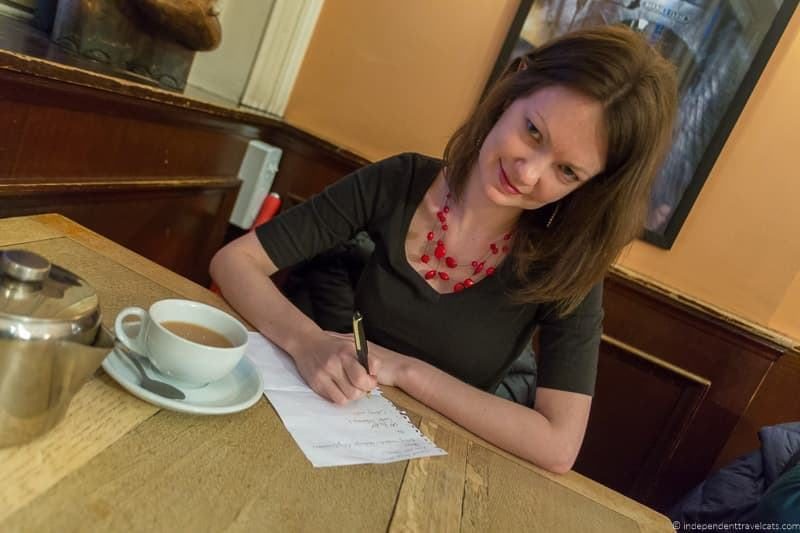
Five hundred copies. That was the entire bet Bloomsbury placed on a 31-year-old single mother who had written her first novel in Edinburgh cafes while her baby daughter napped beside her. On June 26, 1997, Harry Potter and the Philosopher’s Stone quietly went on sale in Britain with no fanfare, no marketing budget worth mentioning, and a print run so small that a clean first edition is now one of the most valuable modern books on the planet. Nobody at the launch had any idea they were lighting the fuse on the biggest publishing phenomenon of the 20th century.
The Train Ride That Started Everything
The idea arrived in 1990, on a delayed train crawling from Manchester to London. Joanne Rowling didn’t have a working pen, so she just sat and thought, and by the time the train pulled in she had a scrawny black-haired boy who didn’t know he was a wizard fully formed in her head. What followed wasn’t a montage of overnight genius. It was six years of grinding work, much of it through real hardship: her mother’s death from multiple sclerosis in 1990, a brief marriage that ended, a stretch on state benefits, and single motherhood in a cold Edinburgh flat.
She wrote in longhand, then typed every page herself on a manual typewriter because she couldn’t afford to have the manuscript copied. When she finished Harry Potter and the Philosopher’s Stone at roughly 90,000 words, the hard part was only beginning.
The Retro Almanac
A monthly roundup of "on this day" highlights from that month, decades back — plus first dibs on new retro merch drops. No spam, just the good stuff.
Rejected Twelve Times
Here’s the detail that every aspiring writer clings to like a life raft: twelve publishers turned it down. Twelve. The common complaint was that the book was far too long for children, who supposedly wanted short, snappy stories, not a 200-plus-page brick about a boarding school for wizards. Rowling’s agent, Christopher Little, kept sending it out anyway, collecting rejection slips the way other people collect parking tickets.
The book that would eventually outsell almost everything ever written was, for the better part of a year, a manuscript nobody wanted. It’s worth sitting with that. The gatekeepers of an entire industry looked at Harry Potter and said, politely, no thanks.
An Eight-Year-Old Saved Harry Potter
Bloomsbury was a small London house at the time, and editor Barry Cunningham was trying to build a children’s fantasy list. The story of how the manuscript got the green light is almost too neat to be true, except it is. Bloomsbury chairman Nigel Newton took the first chapter home and handed it to his eight-year-old daughter, Alice. She read it, came back, and demanded the rest. Her verdict, as Newton has told it many times since, was that it was “so much better than anything else.”
That childhood thumbs-up sealed the deal. Cunningham offered Rowling an advance of 2,500 pounds, and famously warned her she would never make any money writing children’s books, so she should keep a day job. He also gave her one piece of marketing advice that quietly shaped the whole brand: boys, the thinking went, might not pick up a book by a woman. So Joanne Rowling, who has no middle name, borrowed her grandmother Kathleen’s initial and became J.K. Rowling on the cover.
500 Copies and a Misprint on Page 53
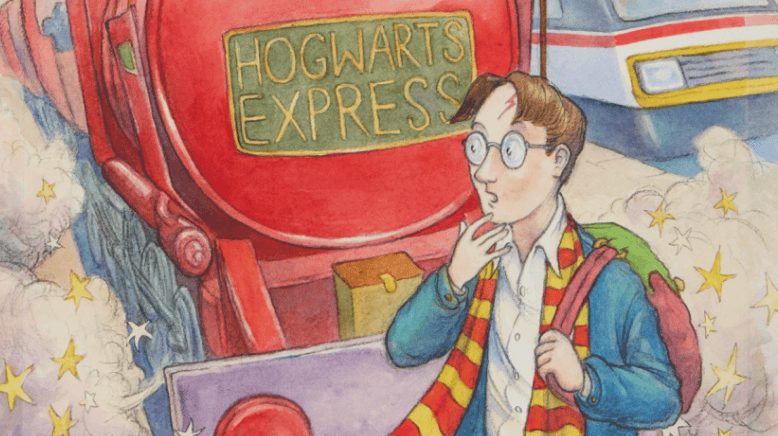
The first print run was 500 hardbacks. Three hundred of them went directly to libraries, which means only about 200 ever reached shop shelves as true retail first editions. The cover was a watercolour by Thomas Taylor, a 23-year-old illustrator fresh out of art school who was paid roughly 650 pounds and given two days to paint Harry standing beside the scarlet Hogwarts Express.
Those first copies carry quirks that collectors now hunt obsessively: a print line reading “10 9 8 7 6 5 4 3 2 1,” the word “Philosopher’s” misspelled as “Philospher’s” on the back cover, and the phrase “1 wand” listed twice in Harry’s school supplies on page 53. Find a hardback with all of those, and you are holding a small fortune. In a 2021 Heritage auction, one sold for 471,000 US dollars.
Why the Americans Changed the Title
Scholastic snapped up the US rights at the Bologna Book Fair in April 1997 for about 105,000 dollars, a startling sum for a children’s book by an unknown author. Editor Arthur Levine worried that American kids would be put off by the word “philosopher,” which he felt sounded dusty and academic. After some back and forth, the book crossed the Atlantic in September 1998 as Harry Potter and the Sorcerer’s Stone, a title Rowling later said she regretted agreeing to.
It’s a small change that drives purists up the wall to this day. The Philosopher’s Stone is a real piece of alchemical legend, tied to Nicolas Flamel, an actual historical figure. The Sorcerer’s Stone is just a vaguely magical rock. Score one for the original.
How Harry Potter and the Philosopher’s Stone Became a Tidal Wave
The slow burn caught fire fast. The first review ran in The Scotsman on June 28, 1997, calling it “a hugely entertaining thriller” and Rowling “a first-rate writer for children.” Within months the book took the Nestle Smarties Book Prize, an award voted on by actual kids, and that word-of-mouth engine never stopped. By March 1999 the UK edition had sold past 300,000 copies, and the American edition climbed to the top of the New York Times bestseller list, where the Potter books eventually forced the paper to split its fiction list into separate adult and children’s categories.
For Gen X parents and the millennial kids who grew up alongside Harry, the timing was perfect. The series gave a generation raised on Nintendo and Saturday-morning cartoons a reason to read 700-page books for fun, and to line up at midnight to do it. If you remember bookstores throwing pajama parties for a hardcover release, you remember a cultural moment that simply did not happen for novels before this one.
The Edinburgh Trail and the Cafe Myth
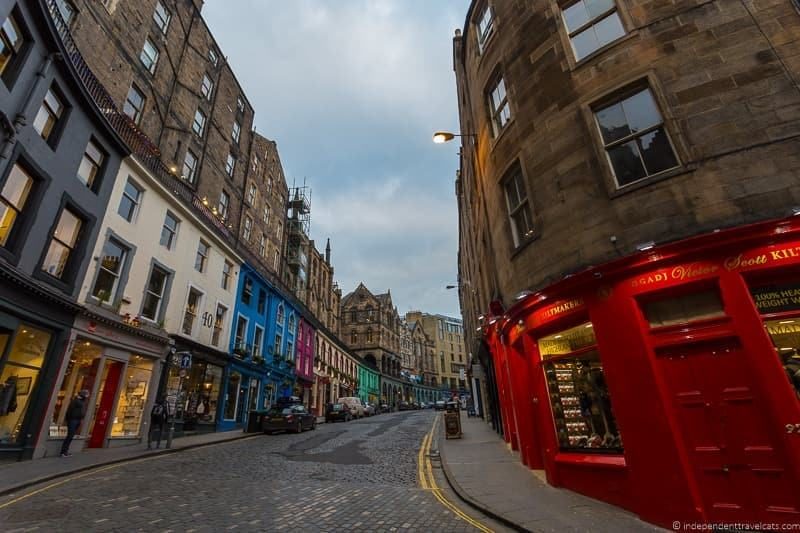
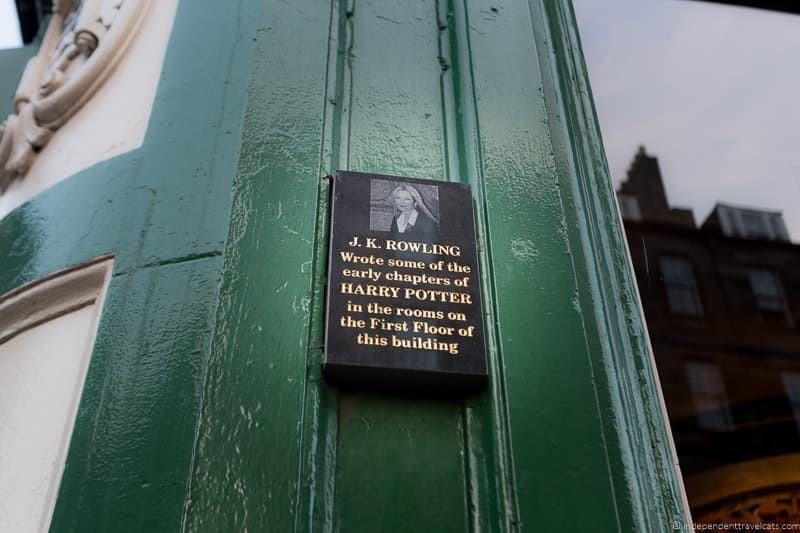
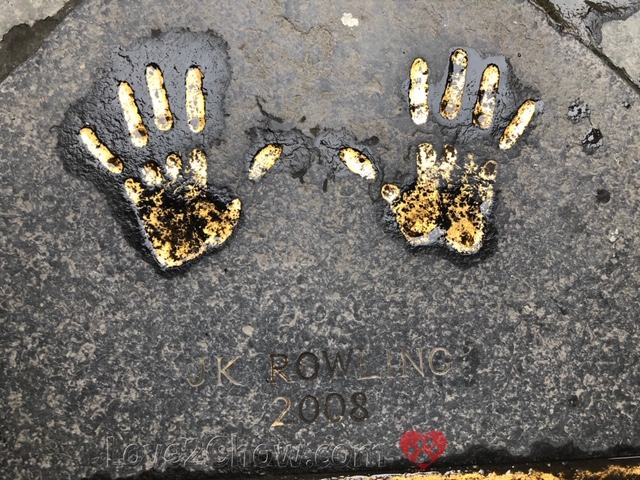
Edinburgh has fully embraced its role as Harry Potter’s birthplace, even if the most famous claim is a bit shaky. The Elephant House cafe on George IV Bridge proudly bills itself as the “birthplace of Harry Potter,” though Rowling has said she actually wrote in plenty of cafes around the city, and a fair amount of the very first book predates her Edinburgh years entirely. Still, the legend draws fans by the thousands, and the city is dotted with real markers, including a plaque noting where she drafted early chapters and her gold handprints in the courtyard of the City Chambers.
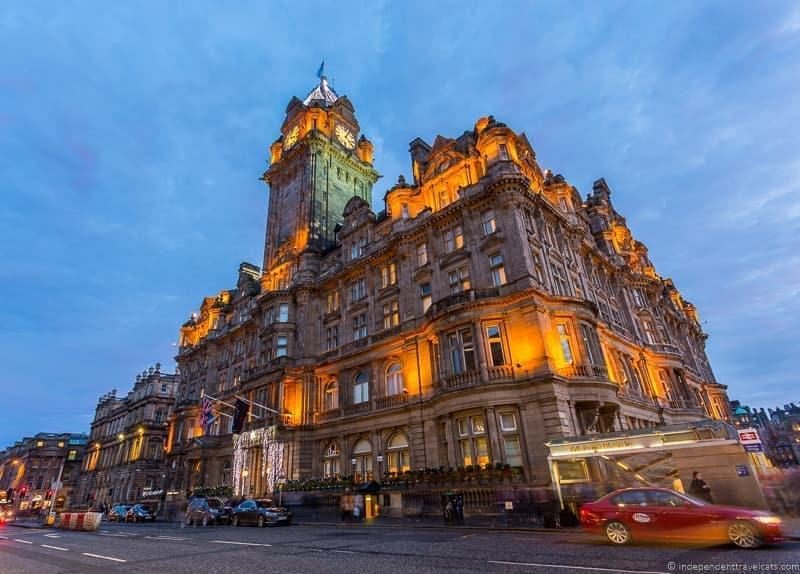
She finished the saga where her fame was cemented, too: Rowling has said she wrote the final chapters of the last book, Deathly Hallows, in a suite at the grand Balmoral Hotel in 2007, where she signed a marble bust in the room to mark the occasion.
The Cover That Sold for $1.9 Million
The afterlife of that 1997 launch keeps getting stranger and more expensive. On June 26, 2024, exactly 27 years to the day after the book first went on sale, Thomas Taylor’s original watercolour cover art, the one he knocked out in two days for a few hundred pounds, sold at Sotheby’s for 1.92 million dollars. It became the most valuable piece of Harry Potter memorabilia ever sold at auction. Not bad for a job a young illustrator nearly treated as routine freelance work.
What June 26, 1997 Really Started
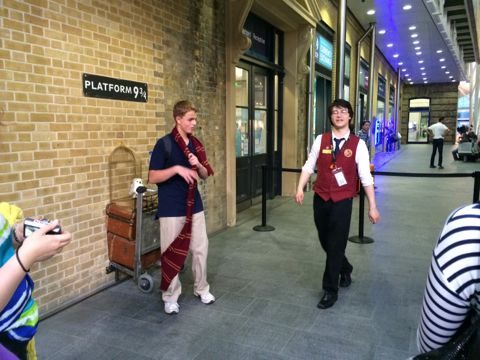
The films, the theme parks, the platform 9 3/4 trolley bolted into a wall at King’s Cross, the billion-dollar franchise machine: all of it traces back to 500 quiet hardbacks released on a Thursday in June with nobody watching. The lesson buried in this anniversary isn’t really about wizards. It’s that twelve experts can be confidently, completely wrong, and that the gatekeepers don’t always get the last word. Sometimes an eight-year-old does. If you grew up loving the Batman blockbusters of the era, revisit our look back at Batman Forever’s 1995 premiere, or rewind to the decade’s other defining moments in our pieces on the O.J. Simpson Bronco chase and the best Seinfeld episodes. The 1990s really were a wild place to grow up.
Sources
- Harry Potter and the Philosopher’s Stone — Wikipedia — publication details, print run, and reception.
- A Guide to Identifying Harry Potter First Editions — Sotheby’s — first-edition points and collector values.
- Original Harry Potter Cover Art Sets Record — Antique Trader — the $1.92M Thomas Taylor cover sale on June 26, 2024.
- Harry Potter and the Philosopher’s Stone — Britannica — background on Rowling and the book’s rise.
Get a Geek Crate
Shop Geek Crate →
We may earn a commission when you shop through our Geek Crate link.
The Retro Almanac
A monthly roundup of "on this day" highlights from that month, decades back — plus first dibs on new retro merch drops. No spam, just the good stuff.