On This Day: July 1, 1984 — The PG-13 Rating Is Born
For 16 years, American parents had exactly four letters to guide them at the box office: G, PG, R, and X. Nothing in between PG and R. That gap swallowed a lot of childhood nightmares in the summer of 1984 — and on July 1 of that year, the movie industry finally patched it. The PG-13 rating didn’t come out of a committee brainstorm or a focus group. It came out of angry phone calls from parents whose kids had just watched a man’s heart get ripped out while the whole theater was still eating popcorn.
Why the PG-13 rating was created
The PG-13 rating was created because the existing system had a hole in the middle wide enough to drive a war movie through. Before 1984, a film was either safe enough for the whole family (G or PG) or restricted to adults (R or X). There was no honest way to flag a movie that was too intense for an eight-year-old but nowhere near adults-only. Two Steven Spielberg productions exposed that flaw in the same eight-week stretch, and the complaints got loud enough that the Motion Picture Association had to act.
The Retro Almanac
A monthly roundup of "on this day" highlights from that month, decades back — plus first dibs on new retro merch drops. No spam, just the good stuff.
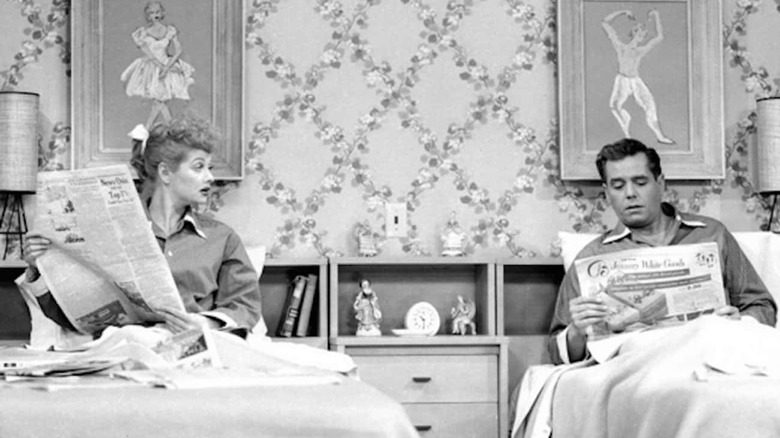
Jack Valenti, who ran the MPAA from 1966 all the way to 2004, had built the original voluntary ratings system in 1968 to replace the old moral straitjacket of the Hays Code. That code — the reason married couples on 1950s TV slept in separate beds — dictated what filmmakers could and couldn’t show, line by line. Valenti’s ratings swapped rules for guidance: the studios would label the content, and parents would decide. It worked for a decade and a half. Then it met a killer Mogwai.
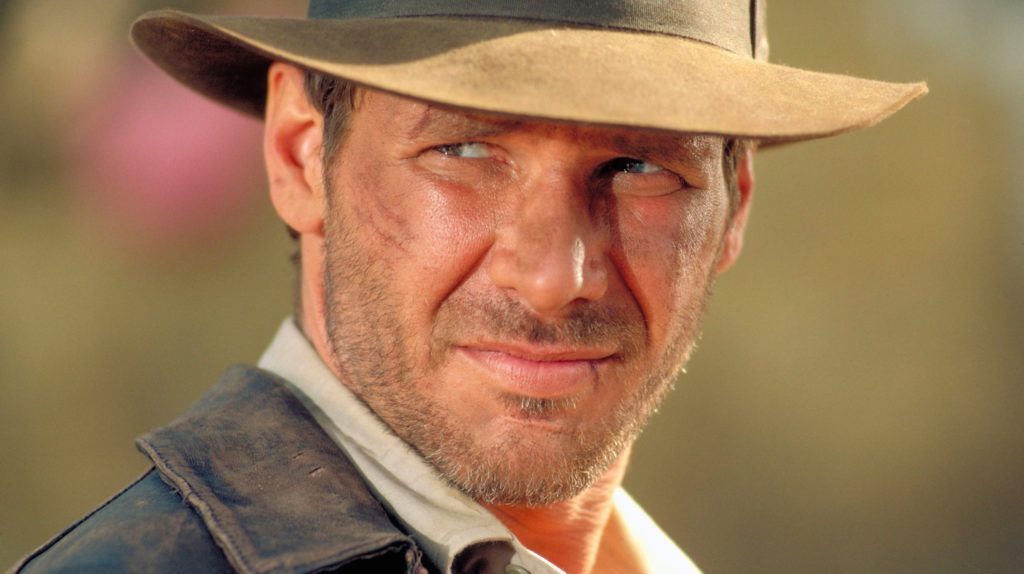
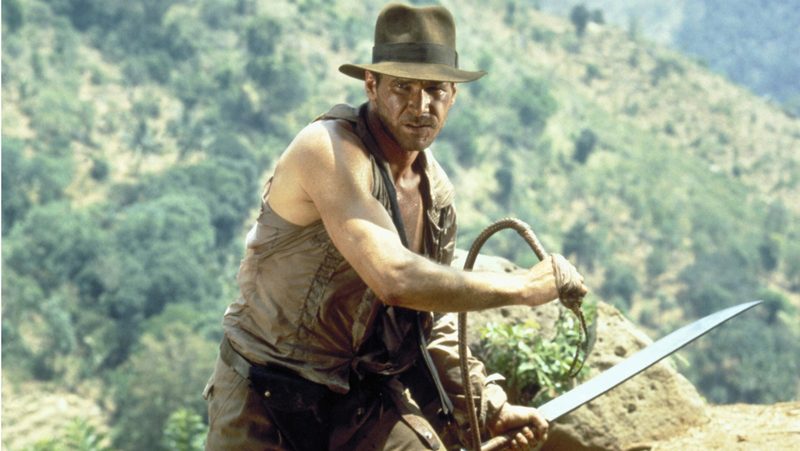
Temple of Doom and that heart-ripping scene

Indiana Jones and the Temple of Doom opened in May 1984 with a PG rating and a body count. The scene that broke the system runs more than two minutes: the Thuggee high priest Mola Ram plunges his hand into a sacrificial victim’s chest, pulls out the still-beating heart, and holds it aloft while the man is lowered into a lava pit. Kids across America saw it. So did their parents, who had reasonably assumed that “PG” on an Indiana Jones sequel meant roughly the same thing it meant on the first film.
George Lucas and Spielberg had made a darker, meaner movie than Raiders of the Lost Ark on purpose, and the tone caught families off guard. The film was a monster hit — it trailed only Ghostbusters and Gremlins at the 1984 box office — but the letters from parents piled up. Here’s the thing: the ratings board wasn’t wrong that Temple of Doom didn’t deserve an R. It just didn’t have a truthful label to put on it. The movie lived in a netherworld the system refused to acknowledge.
Gremlins pulled a bait-and-switch on parents
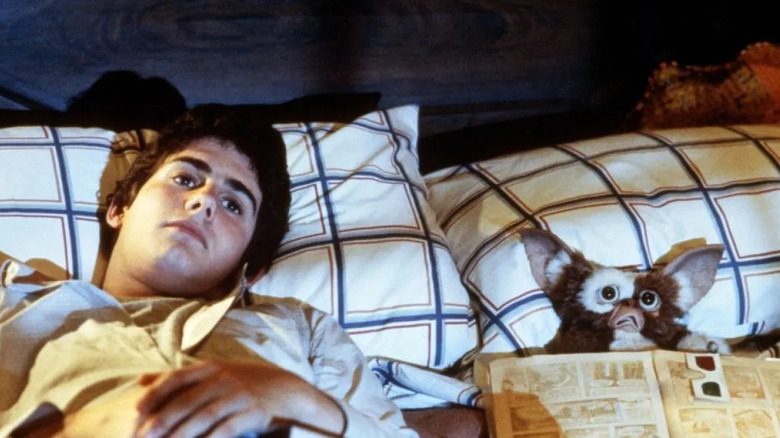
If Temple of Doom loaded the gun, Gremlins pulled the trigger. Released in June 1984 and produced by Spielberg, the film was marketed as a cuddly creature comedy — the trailers leaned hard on Gizmo, the wide-eyed Mogwai who looked destined to sell a million plush toys. Parents expecting another E.T. brought their small children. What those children got was a different film entirely.
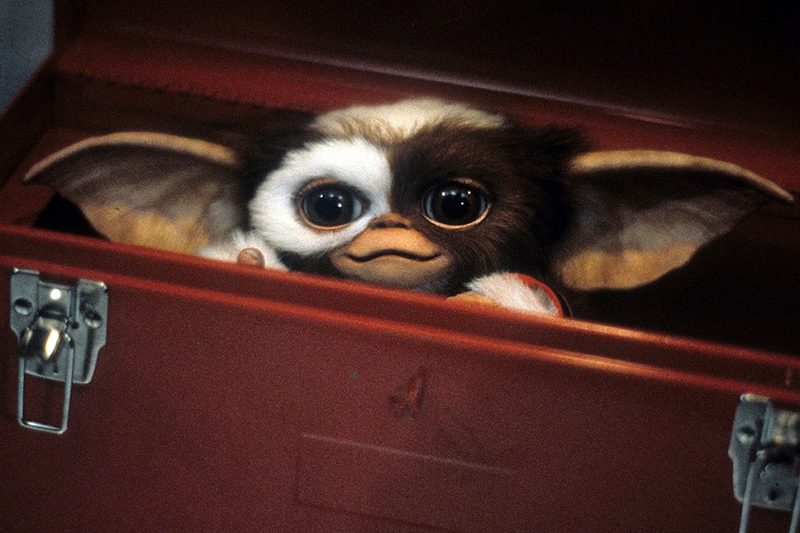
Once the Mogwai transform, Gremlins turns vicious and gleeful about it. A gremlin is liquefied in a kitchen blender. Another gets detonated in a microwave. Mrs. Deagle, the town’s resident villain, is launched out of a second-story window on a rigged stairlift. The little monsters stab, cackle, and swarm a movie theater. It’s a great film — director Joe Dante was smuggling a horror movie inside a Christmas comedy — but “family-friendly” it was not, and the PG rating on the poster told parents nothing about the tonal whiplash waiting inside.

Two hits, one month apart, both technically “PG,” both generating headlines about traumatized kids. The pressure on Valenti became impossible to wave off. This is the same era that gave us the “Parental Advisory” sticker fight over music and the darker, more adult blockbusters that would define the late 80s — the culture was renegotiating what mainstream entertainment was allowed to show, and the old labels couldn’t keep up.
Spielberg’s phone call to Jack Valenti
Spielberg, catching heat as the common thread behind both movies, agreed with the critics — but he thought slapping an R on either film would have been just as dishonest as the PG. So he called Valenti directly. His pitch, as he later recounted it, was blunt: create a rating “somewhere in between PG and R.” Give the borderline films a home of their own instead of forcing them to pretend to be something they weren’t.
Valenti was reluctant. He’d spent years defending a clean, simple system and didn’t love adding complexity to it. But the parent backlash gave him little room, and he came around fast. On July 1, 1984, he announced the new category: PG-13, carrying the advisory “Parents Are Strongly Cautioned to Give Special Guidance for Attendance of Children Under 13.” In 1985 the wording was trimmed to the version we still see today — “Parents Strongly Cautioned.” The green card had arrived, and Hollywood suddenly had a rating that admitted the obvious: some movies live in the gray zone.
Red Dawn beat everyone to theaters
Here’s a trivia detail that trips up almost everyone. The first film assigned a PG-13 was Garry Marshall’s coming-of-age comedy The Flamingo Kid — but it didn’t hit theaters until December. So the first movie released to the public wearing the new rating was John Milius’s Cold War fever dream Red Dawn, which opened on August 10, 1984.
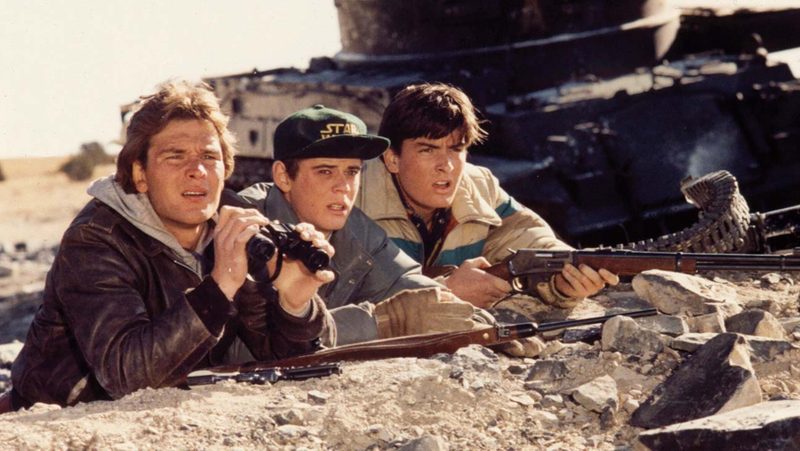
Red Dawn was a fitting standard-bearer. It starred a murderers’ row of young talent — Patrick Swayze, Charlie Sheen, C. Thomas Howell, Lea Thompson, and Jennifer Grey — as teenage guerrillas fighting Soviet and Cuban paratroopers who invade a small Colorado town. It was violent, paranoid, and drenched in Reagan-era anxiety. The Guinness Book of World Records once listed it as the most violent film ever made by number of acts of violence. A movie about high-schoolers gunning down invaders was exactly the kind of film the old four-letter system had no good answer for. Now it did.
The legacy of the PG-13 rating
What started as a patch became the most valuable real estate in Hollywood. Within a couple of decades, PG-13 turned into the single most common — and most lucrative — rating in American film. Studios learned that the sweet spot for a mass-market blockbuster is a movie edgy enough to feel grown-up but open enough to sell a ticket to a 13-year-old. Nearly every superhero tentpole, action franchise, and summer event movie now aims straight for it.
Look at the all-time box office chart and the pattern is impossible to miss: the top earners — the Avengers films, the Star Wars sequels, Avatar, the Jurassic World pictures — are almost uniformly PG-13. That’s not an accident of taste; it’s the business model. A hard R caps your audience and an R-rated marketing campaign fights the algorithm, while a G or PG can read as too juvenile for teenagers, the demographic that actually buys repeat tickets. PG-13 threads that needle. Whole scripts now get engineered around it — a single extra swear word or one gory beat too many can bump a film into R territory and cost it tens of millions in ticket sales, so editors trim to the line. The rating Spielberg dreamed up as a fairness fix quietly became the most powerful commercial filter in the industry.
That’s a double-edged legacy. The rating gave filmmakers room to make smarter, tougher popcorn movies than a strict PG would allow — the kind of ambitious, slightly dangerous blockbusters that the early 80s had already started experimenting with. But it also created a commercial gravity well, where R-rated scripts get sanded down to reach the PG-13 audience and the money that comes with it. Either way, the rating that Gizmo and Mola Ram accidentally invented reshaped how movies get made. Not bad for a label born out of complaint letters.
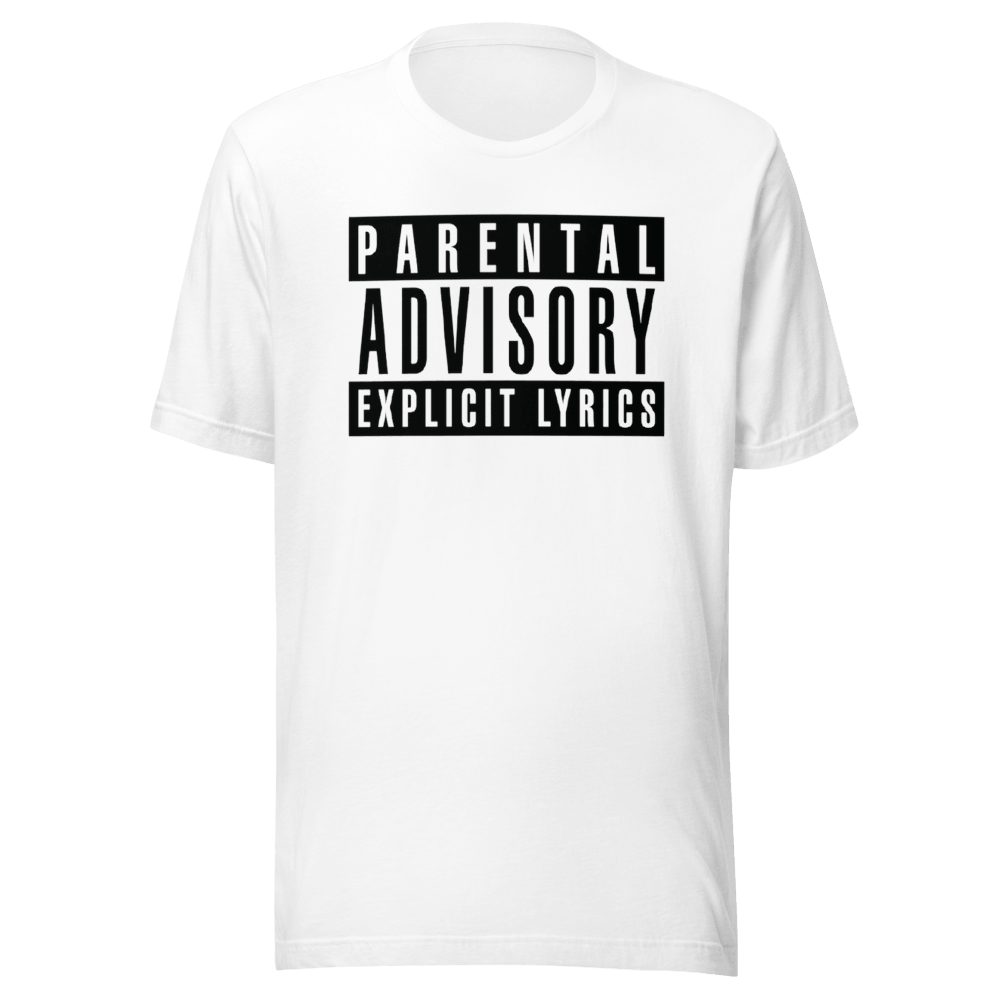
The movies weren’t the only medium getting a warning label in this era. Just one year later, in 1985, the PMRC hearings gave music its own version of PG-13 — the black-and-white “Parental Advisory: Explicit Lyrics” sticker that would end up plastered on hip-hop and metal records for the next two decades. Same instinct, same decade, same fight over what kids should be allowed to consume. If PG-13 is the movie theater’s cautionary flag, that sticker is its record-store cousin, and both are pure mid-80s time capsules.
The rating that outlived its cause
The wild part isn’t that PG-13 exists. It’s that two goofy 1984 monster movies — one about a whip-cracking archaeologist, one about gremlins throwing a bar fight — permanently rewired an entire industry’s rulebook, and most people who use the rating today have no idea why. Next time you see that green box flash before a trailer, remember it started with a beating heart and a blender. If you grew up ducking behind the seat during either film, you were part of the test audience that forced Hollywood to grow up a little. For more 80s milestones worth revisiting, dig through the era’s other defining premieres — the decade was inventing the modern blockbuster in real time.
Sources
- The Hollywood Reporter — How Indiana Jones and the Temple of Doom changed the MPAA ratings system.
- HISTORY — Red Dawn, the first PG-13 movie, is released.
- JSTOR Daily — PG-13: Some Material May Be Inappropriate.
- SlashFilm — The classic movies that led to the creation of the PG-13 rating.
- The Hollywood Reporter — Red Dawn ushered in the PG-13 era in 1984.
Browse retro and vintage-inspired apparel at the RetroRadical shop →
The Retro Almanac
A monthly roundup of "on this day" highlights from that month, decades back — plus first dibs on new retro merch drops. No spam, just the good stuff.