How 1994 Became the Greatest Year in Hip-Hop History
Every genre has its miracle year, the twelve months when the talent, the technology, and the culture all peak at once and refuse to leave a bad record behind. For hip-hop, that year was 1994. If you were a teenager with a Walkman and a stack of blank cassettes back then, you already know this in your bones. The rest of us can just look at the release calendar and marvel. In the span of a single year, a handful of debut albums arrived so fully formed that critics are still arguing about which one is the best, and the answer changes depending on the day.
This is the story of how one year became the high-water mark of Golden Age hip-hop, and why nearly every list of the genre’s greatest albums still leans so heavily on those twelve months.
When Everything Aligned
By 1994, hip-hop had spent a decade and a half building up to this moment. The sampling techniques pioneered in the late 80s had matured. The SP-1200 and the Akai MPC had turned bedrooms and basements into laboratories where producers chopped dusty jazz and soul records into something brand new. Rappers who grew up on Rakim and KRS-One were now old enough to make their own statements. And the CD had arrived, giving artists room to stretch an album past the 45-minute limits of vinyl and cassette.
The Retro Almanac
A monthly roundup of "on this day" highlights from that month, decades back — plus first dibs on new retro merch drops. No spam, just the good stuff.
Just as importantly, the money was flowing. Def Jam, Bad Boy, Loud, Death Row, and a dozen smaller labels were signing MCs at a furious pace, all of them chasing the next platinum plaque. Competition was ferocious, and in hip-hop, competition has always been rocket fuel. Nobody wanted to be the rapper who dropped a weak verse in the year everyone else was releasing their masterpiece.
Illmatic and the Perfect Debut
On April 19, 1994, a 20-year-old from the Queensbridge housing projects named Nasir Jones released Illmatic. Ten tracks. No filler. Just under 40 minutes. Nearly three decades later, it is still the album that other rappers point to when they want to describe perfection.
What made Illmatic so startling was the writing. Nas painted his corner of Queens with the eye of a novelist, cramming impossible amounts of imagery into every bar while an all-star team of producers, DJ Premier, Pete Rock, Large Professor, Q-Tip, and L.E.S., built beats that felt like the neighborhood itself. “N.Y. State of Mind” alone could have carried a lesser album. Nas dropped it and then did it nine more times.
The album barely cracked the Top 20 at first. Sales came slowly. But the respect was instant and permanent, and it set a bar so high that the rest of 1994 spent the year trying to clear it.
Ready to Die and Brooklyn’s Answer
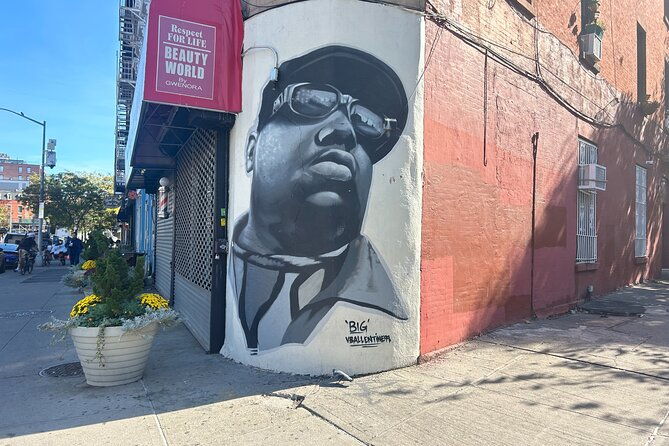
If Nas was the poet, Christopher Wallace was the storyteller with the once-in-a-generation voice. That September, The Notorious B.I.G. released Ready to Die, and it did something Illmatic hadn’t: it went multi-platinum and turned an underground art form into mainstream event music without sanding off a single rough edge.
Biggie could make you laugh, break your heart, and scare you half to death across three consecutive verses. “Juicy” was the rags-to-riches anthem that got played at every cookout for the next 20 years. “Big Poppa” ruled the clubs. And then the title track dragged you into the darkness the party songs were built to escape. Puff Daddy’s polished, sample-heavy production made the whole thing sound expensive, and it announced Bad Boy as the label that would define the back half of the decade.
The West Coast Kept Its Foot on the Gas
Out in California, Dr. Dre’s G-Funk sound was still dominating radio, and 1994 gave the West Coast its own pile of classics. Warren G and Nate Dogg’s “Regulate” became one of the defining singles of the year, a smooth, story-driven hit that lived on every summer mixtape. Warren G’s debut album Regulate…G Funk Era went multi-platinum. Meanwhile the soundtrack to the basketball film Above the Rim spawned massive hits and kept Death Row’s momentum rolling straight toward its own blockbuster year.
The East Coast versus West Coast conversation would eventually curdle into something tragic. But in 1994, before the tabloid feuds took over, it mostly meant two coasts pushing each other to release better and better music. Everybody won.
Wu-Tang’s Long Game Pays Off
The Wu-Tang Clan had dropped Enter the Wu-Tang (36 Chambers) in November of 1993, but 1994 was the year the plan detonated. RZA’s genius had been to sign the group to a deal that let each member release solo albums on whatever label they chose. In 1994, the first of those solo bombs landed: Method Man’s Tical arrived that November, and Ol’ Dirty Bastard was already recording the gloriously unhinged album that would follow in early 1995.
Nine rappers from Staten Island had turned themselves into a franchise, and the grimy, kung-fu-obsessed, piano-loop sound RZA built out of pawnshop equipment became one of the most influential blueprints in the genre. Half of underground hip-hop for the next decade was, in one way or another, chasing the Wu.
The South Clears Its Throat
Amid all the coastal noise, two teenagers from Atlanta quietly released a debut that would matter more than almost anyone realized at the time. OutKast’s Southernplayalisticadillacmuzik came out in April 1994 and served notice that hip-hop’s future would not be decided entirely in New York and Los Angeles.
André 3000 and Big Boi, backed by the Organized Noize production team, brought live instrumentation, funk, and a distinctly Southern drawl into a genre that had spent years dismissing the region. When André grabbed the mic at that year’s Source Awards and told a booing crowd that “the South got something to say,” he was announcing a shift that would define the next two decades of rap.
The Source, Five Mics, and the Culture of Craft
None of this happened in a vacuum. The engine underneath it all was a culture obsessed with craft. The Source magazine’s five-mic rating was hip-hop’s Michelin star, and a perfect score could make a career. Producers like DJ Premier, Pete Rock, and Q-Tip were treated as auteurs, their fingerprints on a beat as recognizable as a rapper’s voice.
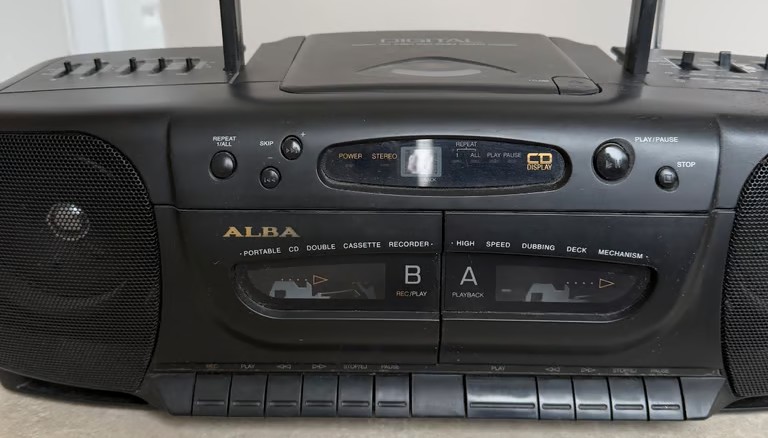
Sampling was still an art form rather than a legal headache, and crate-digging producers treated old jazz and soul records like buried treasure. The result was an album era, not a singles era. Fans bought the whole record, read the liner notes, memorized the skits, and argued about track sequencing. That devotion is a big part of why these albums have aged the way fine things do.
Why It Still Sounds Untouchable
Hip-hop kept getting bigger after 1994. It got richer, slicker, and eventually swallowed pop music whole. But ask the people who lived through it, and they will tell you that something specific happened in that one year that has never quite repeated. The genre was mature enough to make masterpieces and still young enough to be hungry. The commercial machine had money but hadn’t yet flattened everything into a formula.
Put on Illmatic or Ready to Die today and there is nothing dated about them. The production still knocks, the writing still stuns, and the confidence radiating off every track is the sound of artists who knew they were making history. If you want to understand why Golden Age hip-hop still casts such a long shadow, you can start almost anywhere in 1994 and you will not go wrong. It really was that good, and it really did all happen at once.
Sources
- Illmatic — Wikipedia
- Ready to Die — Wikipedia
- Wu-Tang Clan — Wikipedia
- Southernplayalisticadillacmuzik — Wikipedia
- Shop classic 90s hip-hop albums on vinyl →
The Retro Almanac
A monthly roundup of "on this day" highlights from that month, decades back — plus first dibs on new retro merch drops. No spam, just the good stuff.