How the ’90s Turned the Rap Album Into a Masterpiece
Somewhere between 1990 and 1999, the rap album quietly grew up. It walked into the decade as a loose stack of singles with filler wedged in between, and it walked out as a sequenced, front-to-back statement you were expected to sit with — headphones on, liner notes open, skipping nothing. If you were a teenager taping songs off the radio in 1989, you probably didn’t think of a rap tape as art. By 1996 you did, and you’d fight anyone who said otherwise.
That shift is the real legacy of Golden Age hip-hop. Everyone remembers the fashion, the sampling, the beef, the videos on Yo! MTV Raps. But underneath all of it was a quieter revolution: the moment the genre decided the album — not the 12-inch, not the hit single — was the unit that mattered. This is the story of how that happened, and why the records made in those ten years still sound like the blueprint.

Before the Album, There Was the Single
To understand what changed, you have to remember where hip-hop came from. It was born in park jams and block parties, a DJ’s art before it was a rapper’s. The first records that mattered were 12-inch singles built for the club and the radio — “Rapper’s Delight,” “The Message,” “Sucker M.C.’s.” You bought the song. The album, if there even was one, was where the song lived alongside a bunch of stuff nobody talked about.
The Retro Almanac
A monthly roundup of "on this day" highlights from that month, decades back — plus first dibs on new retro merch drops. No spam, just the good stuff.
Even into the late ’80s, when Run-DMC and LL Cool J and Public Enemy were selling real numbers, the format still leaned single-first. There were exceptions — Public Enemy’s It Takes a Nation of Millions to Hold Us Back played like a barrage with a point of view — but the industry logic hadn’t changed. Rap was a singles business dressed in an album’s clothing.
What the Golden Age did was flip that logic. The kids making records in the early ’90s had grown up loving those albums the way their older siblings loved What’s Going On or Songs in the Key of Life. They wanted the whole thing to count.
Illmatic and the Ten Perfect Tracks
If you want a single moment where the rap album crossed over into pure art, it’s April 1994, when a 20-year-old from the Queensbridge projects named Nasir Jones released Illmatic. Ten tracks. No filler. No wasted breath. It clocked in under 40 minutes and never once reached for a radio bribe.
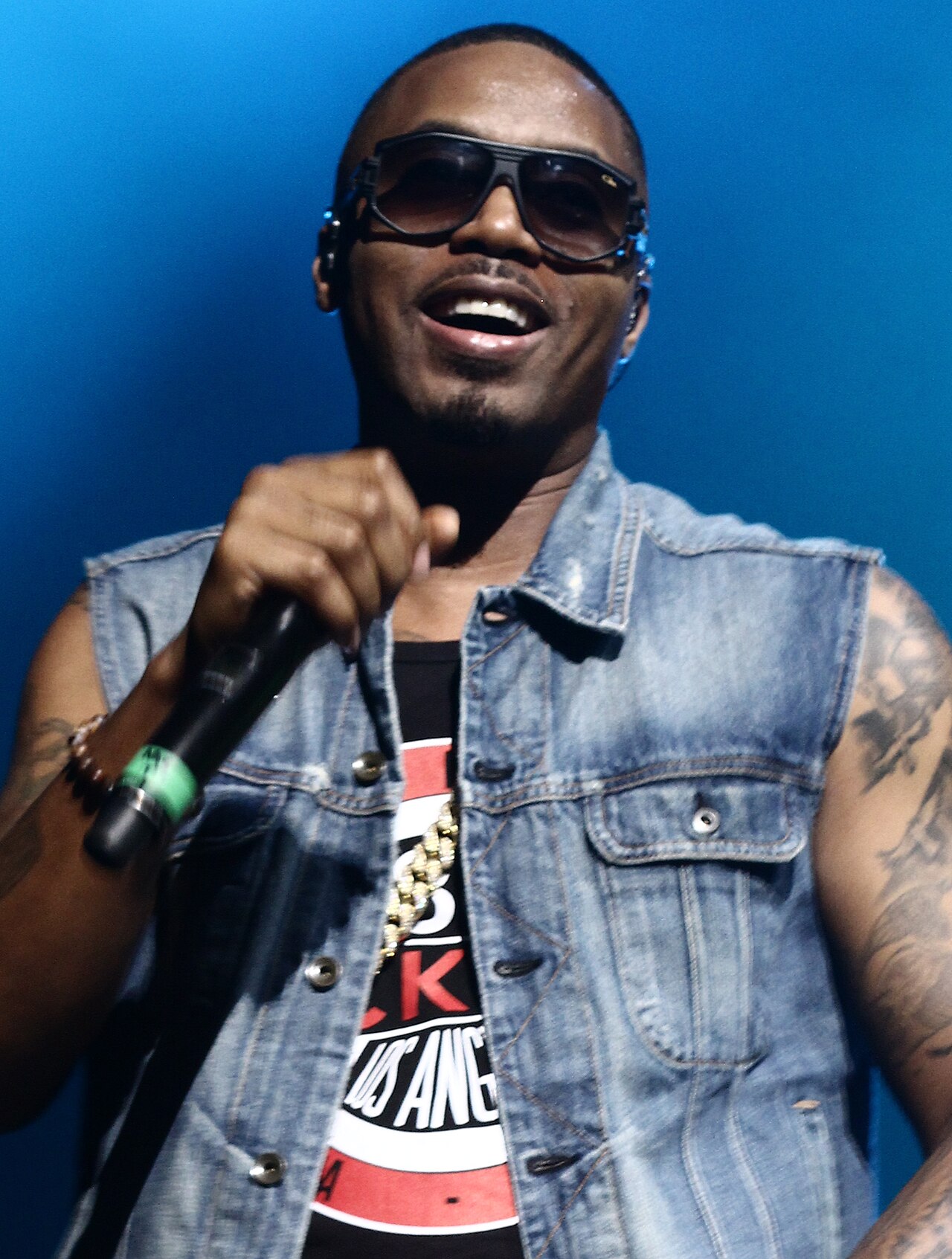
What made Illmatic feel like a masterpiece wasn’t just the writing, though the writing was absurd for a kid that age. It was the way the whole thing hung together — a specific place (the Queensbridge Houses), a specific mood (cold, watchful, a little tired), and a murderer’s row of producers (DJ Premier, Pete Rock, Q-Tip, Large Professor, L.E.S.) all serving one vision instead of chasing one hit. It was a novel about a corner, told in ten chapters.
Nas didn’t invent the cohesive rap album. But Illmatic became the standard everyone secretly measured themselves against. “No skips” wasn’t a meme yet — but that’s exactly what people meant when they talked about it. The record proved that a rap album could be short, dense, unglamorous, and still land like scripture.
Wu-Tang Built a Whole World
Six months before Illmatic, a group of nine rappers from Staten Island had already blown the doors off the concept from the opposite direction. Where Nas made the album feel intimate, the Wu-Tang Clan made it feel like a universe.
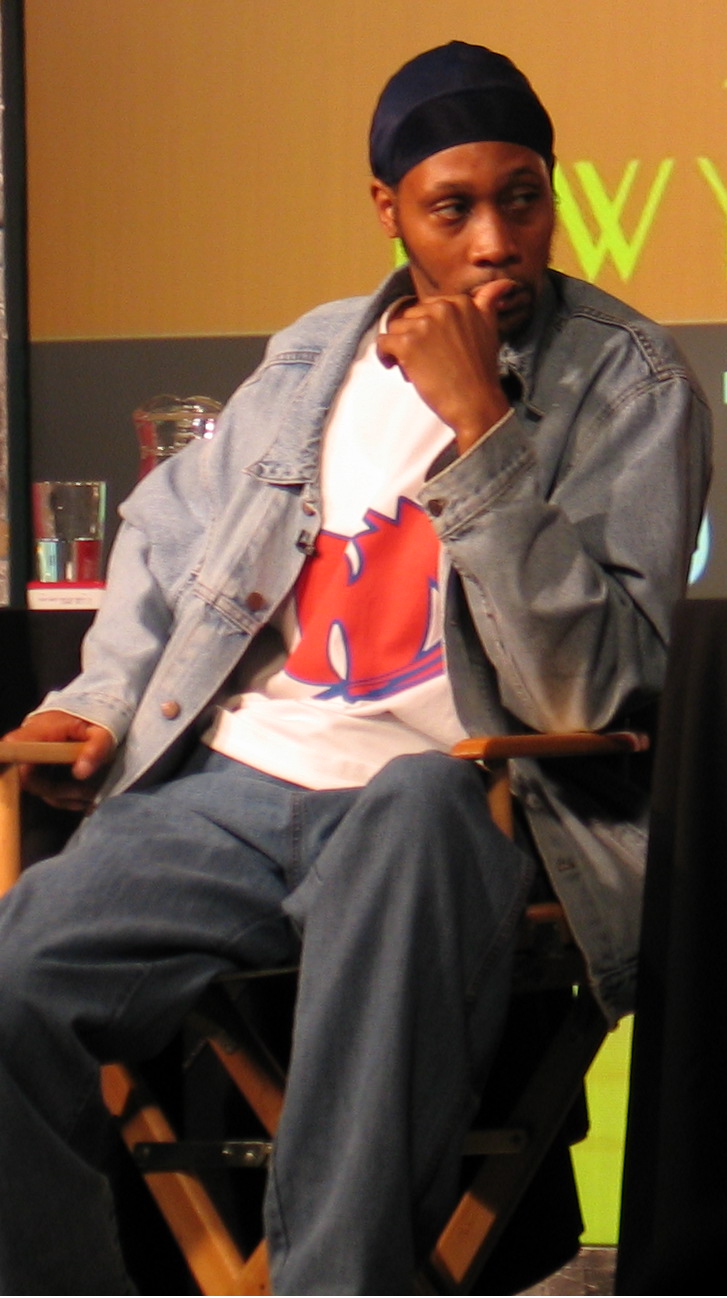
Enter the Wu-Tang (36 Chambers), released in November 1993, wasn’t just a collection of songs — it was a piece of mythology with its own slang, its own kung-fu-movie skits, its own economy of aliases. RZA’s production was deliberately raw, dusty, and a little broken, like a tape you found in a basement. The album taught listeners a whole vocabulary and dared them to keep up.
More than that, Wu-Tang treated the album as world-building. The skits weren’t filler; they were connective tissue. By the time you reached the end, you didn’t feel like you’d heard nine guys rap — you felt like you’d visited somewhere. That idea, that a hip-hop record could be an immersive place rather than a playlist, rippled out across the entire decade.
Biggie and the Art of the Sequence
Then there was the storytelling. In September 1994, Brooklyn’s Notorious B.I.G. released Ready to Die, and it did something the others hadn’t quite tried: it used the album’s running order as a narrative arc. It opens with the sound of a baby being born and moves, track by track, through a life — hustling, dreaming, celebrating, unraveling — before arriving at an ending so bleak it still stops you cold.
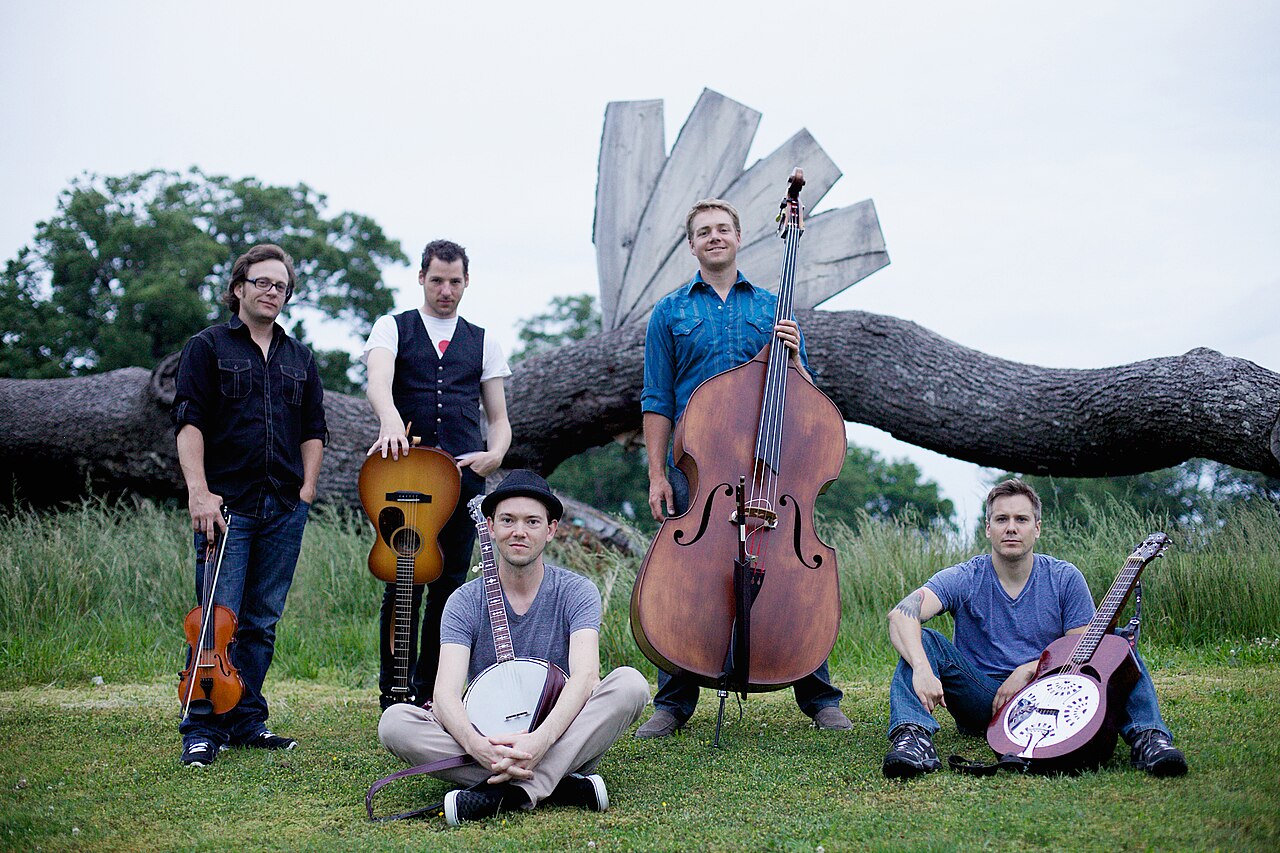
Biggie could do the radio thing — “Juicy” and “Big Poppa” were monsters — but he refused to let the singles define the record. He wrapped the crossover hits inside a story with a beginning and a devastating end, so that even the party songs meant something different in context. He proved you could sell a million copies and make an album that rewarded people who listened straight through.
Tribe, De La, and the Album as a Vibe
Not every masterpiece was gritty. Over in the Native Tongues corner, groups like A Tribe Called Quest and De La Soul treated the album as a mood you could live inside for 50 minutes. Tribe’s The Low End Theory (1991) and Midnight Marauders (1993) flowed like great jazz records — warm bass, loose drums, conversations between friends that happened to rhyme.
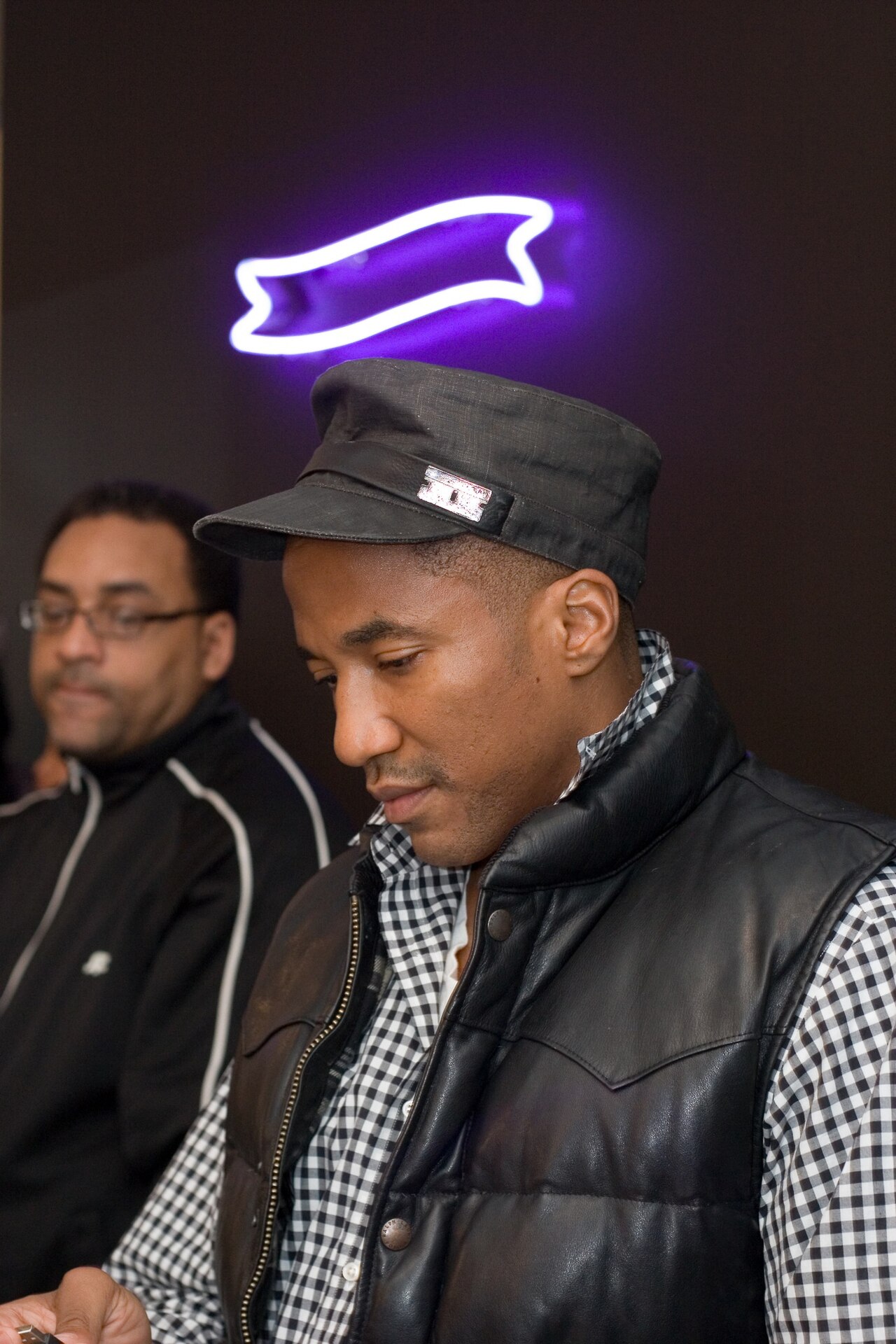
These records made the case that a rap album didn’t need a single villain or a single hit to feel complete. It needed cohesion — a sound, a temperature, a personality that carried from the first track to the last. You didn’t cue up Midnight Marauders for one song. You put it on and let it run because the whole thing felt like a place you wanted to be.
Meanwhile, Mobb Deep’s The Infamous (1995) did the same trick in a much darker key — a grimy, claustrophobic winter of an album where the atmosphere was the point. Different mood, same lesson: build a world, sequence it right, and let people live in it.
Why It Had to Happen in the ’90s
A few things collided at once to make the album era possible. The CD was taking over from the cassette, which meant longer running times and easier track-skipping — but also, paradoxically, a listener who’d paid $15 and wanted the whole disc to be worth it. Sampling technology had matured, so producers could build rich, layered soundscapes that felt composed rather than looped.
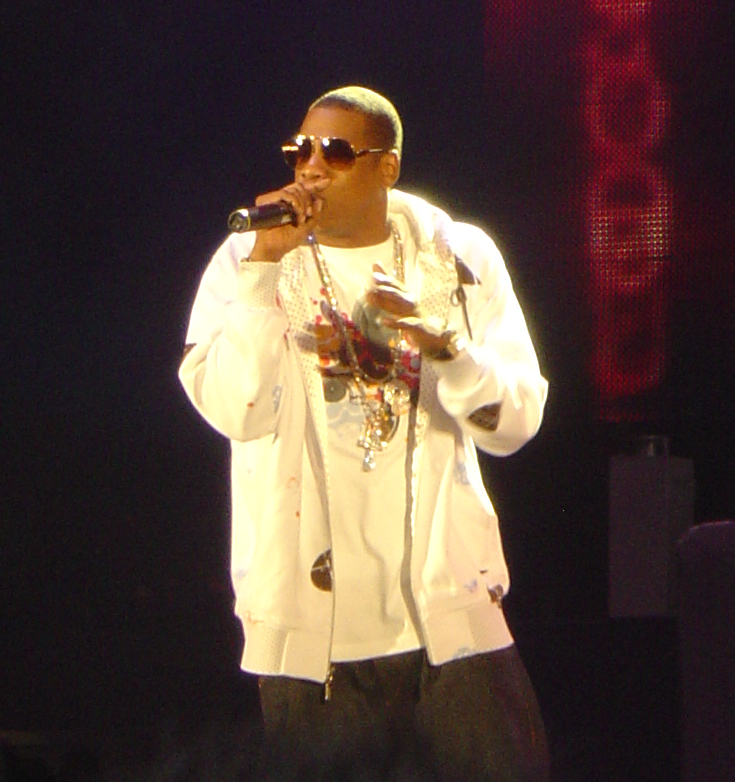
And crucially, hip-hop had earned enough respect — and enough budget — that artists could think bigger than a single. Labels were suddenly willing to bankroll a 60-minute vision. Critics who’d dismissed rap as a novelty were now reviewing these records in the same breath as classic rock and soul. The stakes went up, and the artists rose to meet them.
There was also a generational hunger to prove something. This was the music of kids who’d been told their whole lives that what they loved wasn’t real art. Making an album that no one could wave away — that you could hand to a skeptic and say “listen to all of it” — was its own kind of statement. You can hear that ambition in the liner notes of the era, where artists thanked their DJs and producers like collaborators on a film. Every skit, every interlude, every carefully chosen sample was a small argument that this music deserved to be studied the way people studied jazz or soul. The album wasn’t just a product anymore; it was a portfolio, a mission statement, and a dare to anyone still pretending the culture was a passing fad.
The Blueprint That Never Went Away
Here’s the part that makes this more than nostalgia. The album-as-art idea the Golden Age perfected became the permanent template for everything that followed. Every “instant classic,” every “no-skips” debate, every concept record and career-defining LP that came after — Jay-Z, OutKast, Kanye, Kendrick — is playing a game whose rules were written between 1990 and 1999.
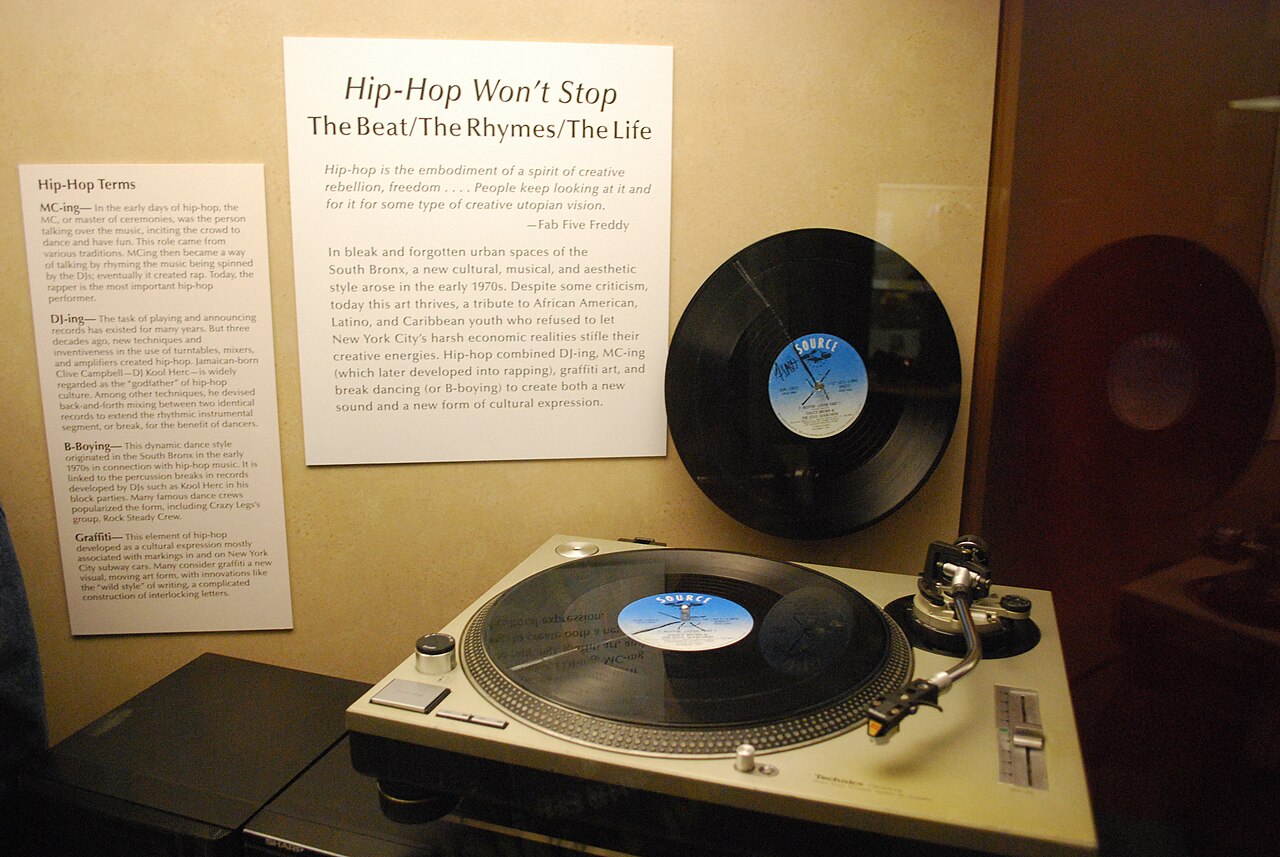
When people say a modern rapper “made an album, not just a bunch of songs,” they’re paying a compliment invented in this decade. When a critic praises a record’s “cohesion” or “sequencing,” they’re using a standard set by Illmatic and 36 Chambers. The Golden Age didn’t just produce great records. It taught the entire genre what a great record was supposed to be.
So if you’ve got a crate of those old CDs and cassettes gathering dust in a closet, dig them out. Put one on and don’t touch the skip button. That was the whole idea — and it still holds up thirty years later. You can still find most of these classics pressed on fresh vinyl if you want to hear them the way they were meant to be heard: golden age hip-hop on vinyl.
Sources
The Retro Almanac
A monthly roundup of "on this day" highlights from that month, decades back — plus first dibs on new retro merch drops. No spam, just the good stuff.