On This Day: July 9, 1982 — Michael Fagan Breaks Into the Queen’s Bedroom
For about ten minutes on a July morning in 1982, the most protected woman in the world was alone in her bedroom with a stranger who had climbed the palace wall. No alarm brought help. No guard burst through the door. The Queen of England handled it herself, with a telephone that nobody answered and a nerve that later became legend. This is the story of Michael Fagan, the drifter who exposed the softest underbelly of the British monarchy — twice in five weeks — and walked away without a single criminal conviction for it.
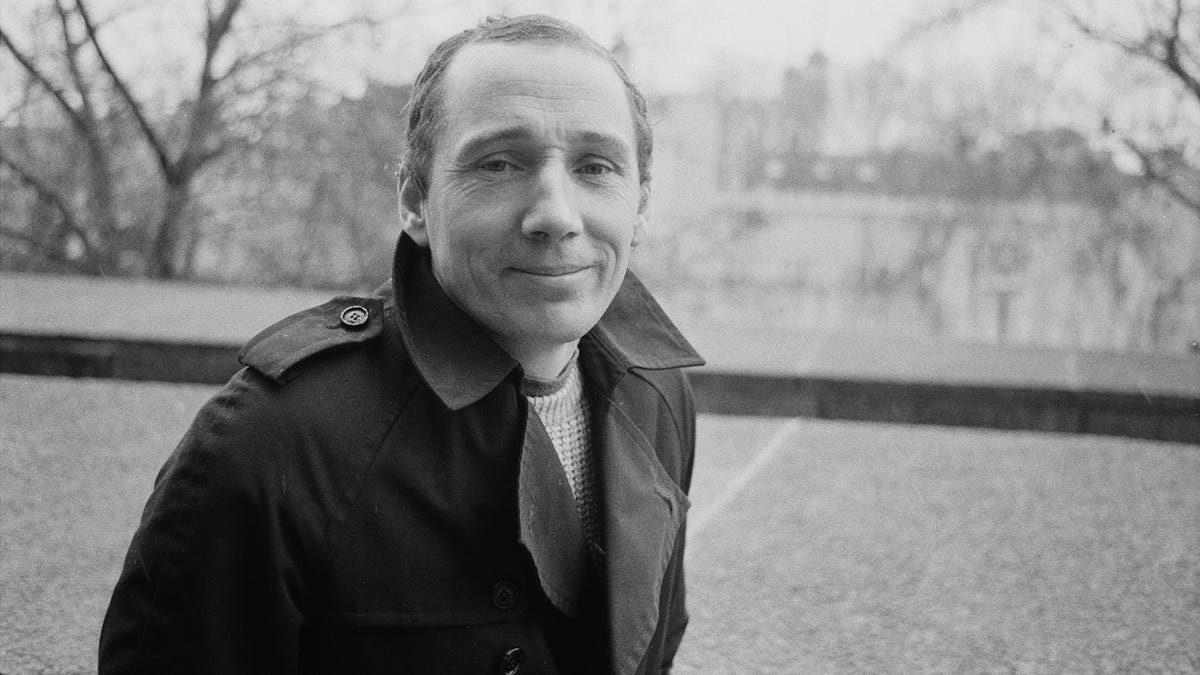
Michael Fagan, whose July 9, 1982 break-in embarrassed Scotland Yard and the Palace.
The Retro Almanac
A monthly roundup of "on this day" highlights from that month, decades back — plus first dibs on new retro merch drops. No spam, just the good stuff.
Who Was Michael Fagan?
Fagan was 30 years old in the summer of 1982, an out-of-work painter and decorator from north London whose marriage had recently fallen apart. He was not a trained cat burglar or a political zealot. By his own account he was a man adrift, and the Palace was less a target than a fixation. That ordinariness is what still unsettles people about the case: the breach that humiliated an entire security apparatus was pulled off by someone with no plan more sophisticated than “climb up and see what happens.”
The truth is, the monarchy has survived assassination plots and abdication crises, but nothing dented its aura of untouchability quite like being outfoxed by a bloke with a bad week and a good head for heights.
The First Break-In: June 7, 1982
Most people forget that July 9 was the second time Fagan got in. A month earlier, on June 7, he shinned up a drainpipe to a third-floor window and startled a housemaid, who raised the alarm. Security dismissed it. Fagan then spent roughly half an hour touring the building unescorted — he looked at the royal portraits, sat on a throne, ate cheese and crackers, and drank half a bottle of wine before letting himself out.
Three separate alarm sensors were tripped during that first visit. Police wrote all three off as faulty. That decision matters, because it set the pattern: the technology worked, and the humans kept overriding it. When Fagan came back five weeks later, the machines flagged him again — and again, someone silenced the warning.
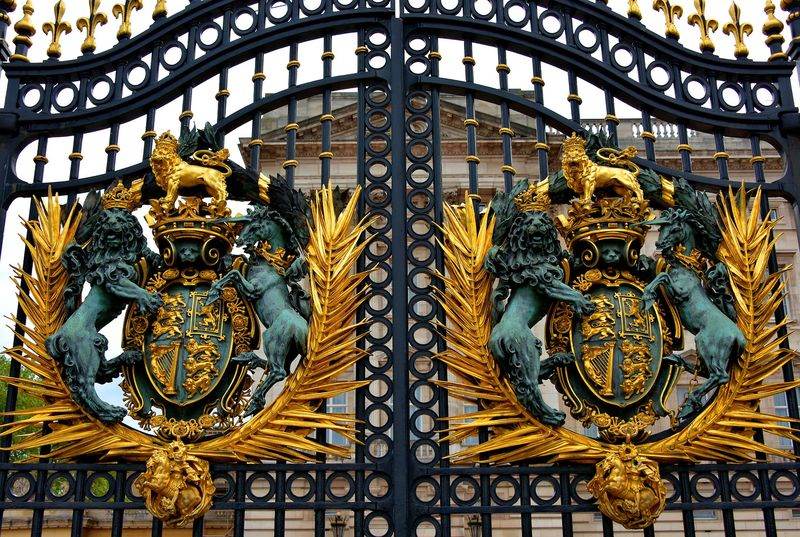
The gilded gates and railings of Buckingham Palace — Fagan went over a 14-foot wall topped with spikes and barbed wire.
July 9, 1982: Into the Queen’s Bedroom
Around 6:00 a.m., Fagan climbed the palace’s 14-foot perimeter wall — the one topped with revolving spikes and barbed wire — and scaled a drainpipe to get inside. A sensor caught the movement. A police officer on the grounds actually spotted him climbing the railings and passed the message along. Nobody acted on it. The alarm was silenced once more.
He wandered the corridors for several minutes. In an anteroom he picked up a glass ashtray, and at some point it broke, cutting his hand. Still holding a shard of glass, he pushed through into the royal apartments and, at roughly 7:15 a.m., stepped into the bedroom of Queen Elizabeth II. She woke when he disturbed a curtain.
Prince Philip was not there — the royal couple kept separate bedrooms, and the armed police officer who normally sat outside the Queen’s door had already come off his overnight shift. His replacement had not yet arrived. For those few minutes, the single most heavily guarded bedroom in Britain had no guard at all.
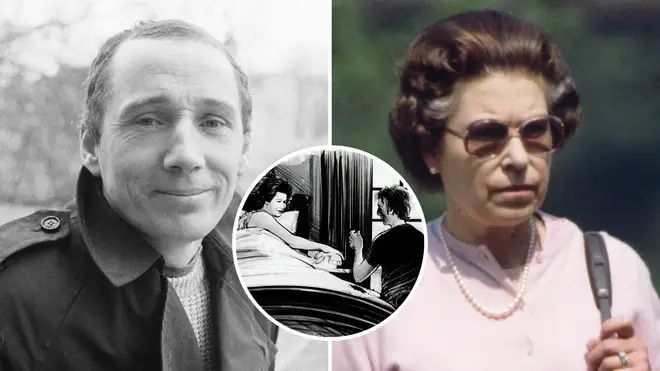
Did Michael Fagan Really Chat With the Queen?
Here is where legend and fact drift apart. Early press reports painted a cozy scene: Fagan perched on the edge of the royal bed, the Queen making polite conversation for several minutes, the two discussing family troubles until help arrived. It is the version that made the story irresistible — the monarch and the intruder, trading small talk at dawn.
Fagan himself later punctured it. In a 2012 interview with The Independent, he said the Queen did not linger for a heart-to-heart at all. “Her nightie was one of those Liberty prints, down to her knees,” he recalled — and then she “went out of the door, and she never came back.” By his telling, she left the room barefoot and fast to summon help. Whichever account you trust, the outcome was the same: she stayed composed while the people paid to protect her did not.
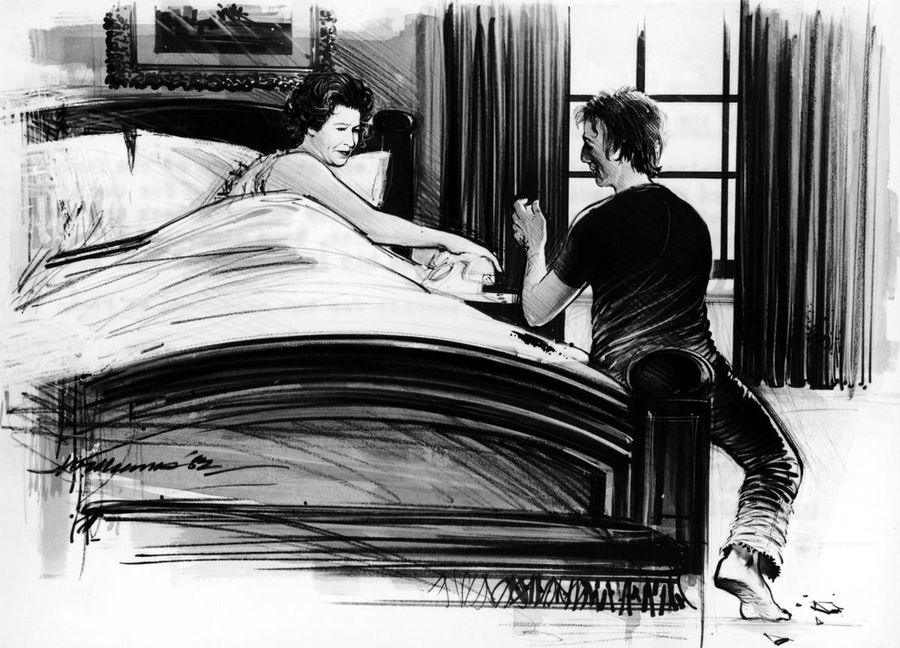
A widely reproduced artist’s impression of the bedroom encounter, drawn in 1982.
What is not in dispute is how she got help. The Queen picked up her bedside telephone and rang the palace switchboard, asking for police. Nobody came. She rang a second time. Still nothing. She then pressed the night alarm bell — and finally caught the attention of a chambermaid who entered the room. Together they kept Fagan talking. A footman, Paul Whybrew, arrived and coolly offered the intruder a cigarette, steering him into a nearby pantry until two officers finally showed up and led him away.
Fagan, in a 1983 ITN interview, describing how he got in.
How Did Palace Security Fail So Badly?
The short answer: at nearly every step, a human being decided the warning did not count. A later Scotland Yard report was blunt about it, criticising both the competence of individual officers and the confusion in the chain of command. The alarms fired. The sightings happened. The Queen’s own phone calls to the switchboard went unanswered. It was that last failure — the inadequate response to a direct call for help from the monarch herself — that the report singled out as the gravest risk of the whole morning.
Consider the sequence. An officer saw a man climbing the railings and reported it. A first-floor alarm in a stamp room went off and was ignored. The bedroom sensor was overridden. The switchboard fielded two calls from the Queen and dispatched no one. Any one of those signals, acted on, ends the incident in minutes. The system did not lack information. It lacked anyone willing to believe it.
Why Wasn’t Michael Fagan Charged?
This is the detail that still makes people do a double-take. Fagan was never prosecuted for breaking into Buckingham Palace, because in 1982 trespassing was a civil matter in England, not a criminal offence. Walking uninvited into the Queen’s bedroom simply was not, on its own, a crime you could be jailed for.
The only charge police could hang on him came from the first break-in: drinking Prince Charles’s wine counted as theft. A jury heard that case in September and acquitted him in about 14 minutes. Instead of prison, Fagan was committed to a psychiatric hospital, where he spent roughly three months before his release on January 21, 1983. It would take until 2005 — more than two decades later — for trespassing on a designated royal or government site to become a criminal offence in the UK, a change the Fagan case is widely credited with eventually forcing.
The Political Fallout
A stranger reaching the sovereign’s bedside is not a minor lapse, and Westminster treated it accordingly. Home Secretary William Whitelaw, who oversaw policing, offered his resignation to Prime Minister Margaret Thatcher. She refused it — Whitelaw was one of her most trusted allies and a pillar of her War Cabinet during the Falklands conflict that same year — but the offer itself signalled how seriously the government took the humiliation.
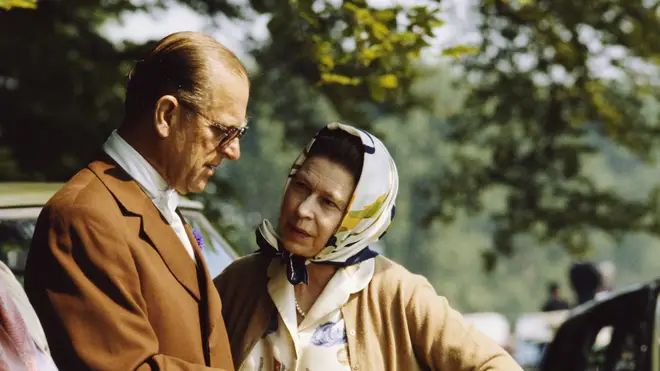
Queen Elizabeth II and Prince Philip in 1982. The two kept separate bedrooms, and Philip was not present during the break-in.
The lasting consequence was a wholesale overhaul of royal protection. Responsibility for guarding the palaces was restructured, staffing and procedures were tightened, and the casual “the alarm’s probably faulty” culture that Fagan exploited was, at least officially, put to death. If you have ever wondered why modern royal security looks so airtight, part of the answer traces straight back to July 9, 1982.
Where Is Michael Fagan Now?
Fagan never quite left the public eye, though rarely for flattering reasons. In 1983 he recorded a cover of the Sex Pistols’ “God Save the Queen” with the punk outfit the Bollock Brothers — a punchline almost too perfect to be real. He turned up in a 1984 assault case in Wales, and in 1997 was jailed on charges connected to heroin supply alongside his wife and son.
His notoriety was cemented for a new generation when Tom Brooke played him in season four of Netflix’s The Crown in 2020, dramatising the bedroom encounter for viewers who had never heard the original story. He also appeared in Banksy’s 2011 documentary The Antics Roadshow. When Queen Elizabeth II died in September 2022, Fagan — by then in his seventies — told reporters he had lit a candle in her memory. Four decades on, the man who slipped past every layer of her protection had, in his own strange way, made peace with her.
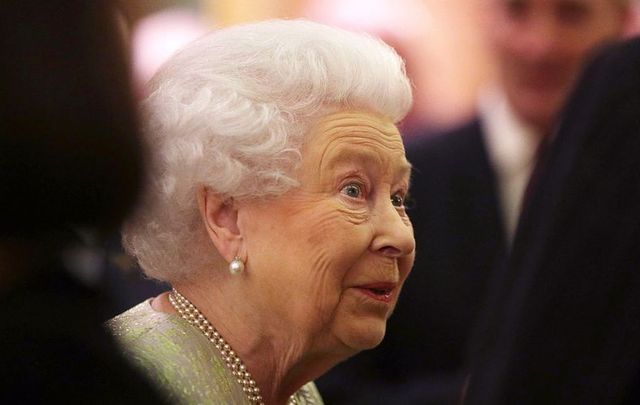
Queen Elizabeth II, remembered for her composure the morning Fagan walked in.
Elizabeth reigned for another 40 years after that morning, outlasting every officer who failed her that day.
Nostalgic for the era of Liberty-print nighties, dodgy alarms, and tabloid front pages? Retro Radical digs into the wild moments that defined the 80s and 90s.
The Morning That Changed Royal Security
Michael Fagan did not steal a crown jewel or harm anyone. What he took was the illusion that the Palace was impregnable — and that turned out to be far more valuable, and far harder to replace. The image of Queen Elizabeth II calmly ringing a bell that no one answered has outlived every official reassurance issued afterward. If you only remember one “On This Day” for July 9, make it this one: the day a decorator with a shard of glass proved that the safest room in Britain had a broken lock. For more brushes between ordinary people and history, read our take on Lawn Chair Larry’s wild 1982 flight, another summer-of-’82 story of one man doing something gloriously unauthorised.
Sources
- Michael Fagan — Wikipedia — timeline of both break-ins, security failures, and aftermath.
- Biography.com: The Intruder Who Broke Into Buckingham Palace — details of the June and July 1982 entries.
- Smooth Radio: What Happened to Michael Fagan? — his later life and 2012 recollection.
- Rick Steves’ Europe: He Came in Through the Bedroom Window — the legal quirk and legacy of the case.
More On This Day: July 7, 1985 — Boris Becker Wins Wimbledon and July 8, 1990 — West Germany Wins the World Cup.
The Retro Almanac
A monthly roundup of "on this day" highlights from that month, decades back — plus first dibs on new retro merch drops. No spam, just the good stuff.