The Lawsuit That Quietly Rewrote 90s Hip-Hop Production
On December 17, 1991, a federal judge in Manhattan opened his ruling with a line straight out of the Old Testament: “Thou shalt not steal.” He wasn’t sentencing a burglar. He was talking about a rap record, and by the time he was done, he had reordered the entire economics of Golden Age hip-hop for the rest of the decade. The case was Grand Upright Music, Ltd. v. Warner Bros. Records Inc., the record was Biz Markie’s “Alone Again,” and the ruling landed like a wrecking ball on a genre that had spent its first great decade building songs out of other people’s records without asking permission.
To understand why one lawsuit could shake an entire musical movement, you have to remember what golden age production actually sounded like before it happened — and what it was forced to become after.
The Sound Before the Lawsuit
Between roughly 1988 and 1991, hip-hop production was a collage art form, and nobody treated it like theft — they treated it like jazz. Producers dug through crates of soul, funk, and jazz records and layered the results into something new. Public Enemy’s in-house production team, the Bomb Squad, built “wall of noise” tracks out of dozens of overlapping samples on a single song, sometimes more than forty on one track. De La Soul’s 1989 debut, “3 Feet High and Rising,” sampled everything from Steely Dan to a Johnny Cash spoken-word interlude to French language records, stitching them into a psychedelic hip-hop quilt that critics still call one of the most sample-dense albums ever made.
The Retro Almanac
A monthly roundup of "on this day" highlights from that month, decades back — plus first dibs on new retro merch drops. No spam, just the good stuff.
Legally, almost none of it was cleared. The culture had grown up on the idea that sampling was a form of tribute and remix, closer to a DJ scratching a break at a park jam than to copying someone’s song outright. Marley Marl, the Queensbridge producer often credited with pioneering digital sampling in hip-hop in the mid-1980s, had built his whole reputation on chopping up drum breaks and horn stabs without a lawyer anywhere in the room. Labels rarely budgeted for sample clearance because nobody had really tested in court whether they had to. That gray area is what made the Golden Age sound so wild and unrepeatable — and it’s exactly what came crashing down in a Manhattan courtroom in the winter of 1991.
The Song That Started It
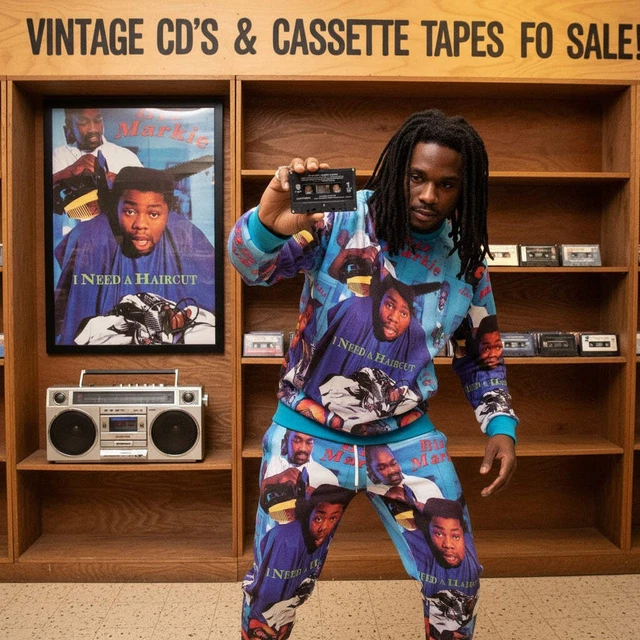
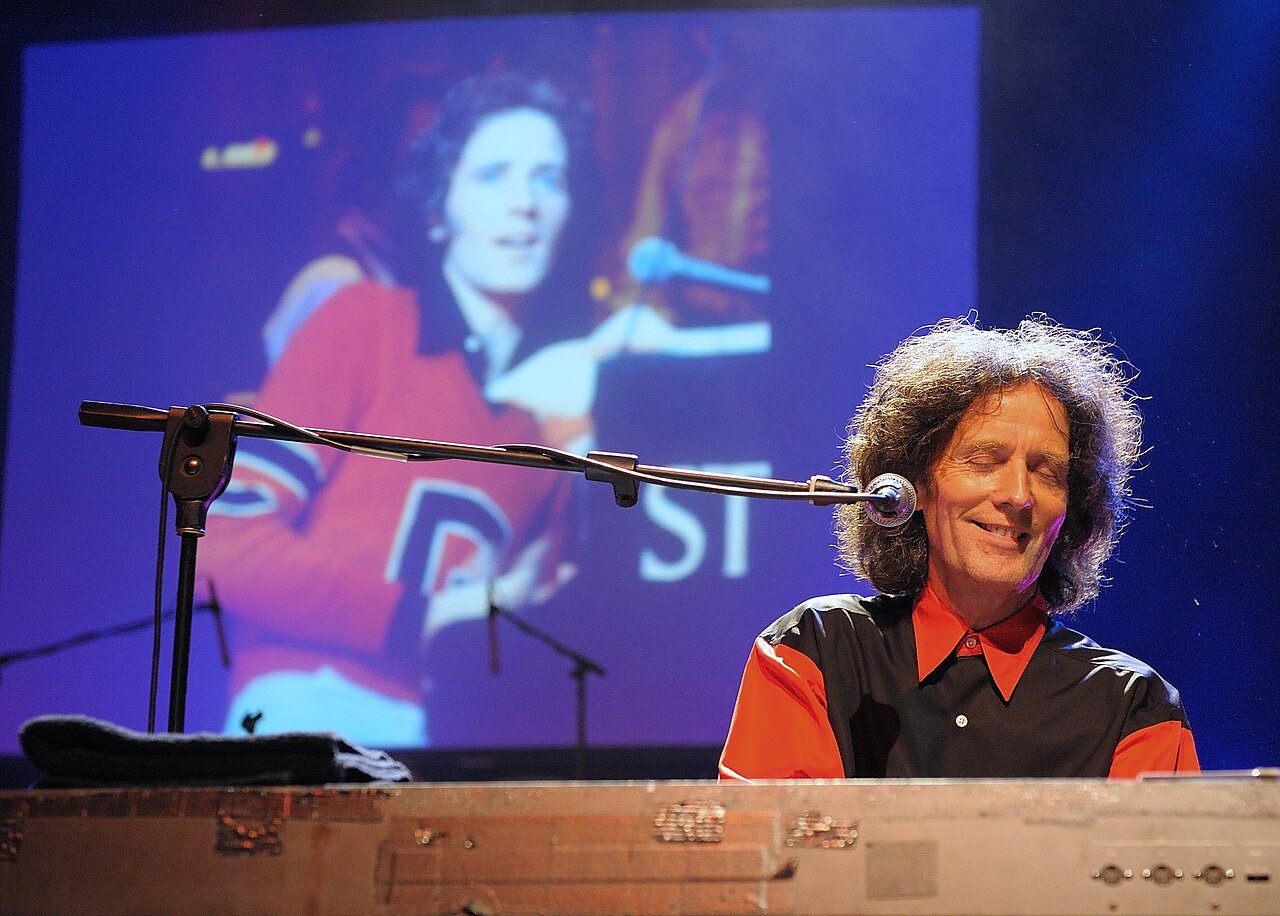
Biz Markie was hip-hop’s court jester — the beatboxing, off-key-singing Long Islander behind “Just a Friend,” a guy nobody thought of as a legal test case. On his 1991 album “I Need a Haircut,” he built a track called “Alone Again” around a piano loop and vocal snippet from Gilbert O’Sullivan’s 1972 soft-rock ballad “Alone Again (Naturally).” Biz’s camp reportedly reached out to O’Sullivan’s publisher for permission and, depending on which account you believe, either got turned down or never got a clear answer before the album shipped anyway.
Gilbert O’Sullivan sued. Judge Kevin Thomas Duffy didn’t just side with him — he referred the case for criminal prosecution under federal copyright law and ordered Warner Bros. to pull “I Need a Haircut” from stores, which they did, just before the holiday shopping season. For an industry that had never had a sampling case decided this bluntly, the message was unmistakable: uncleared sampling wasn’t a creative gray zone anymore. It was theft, full stop, and it could get your record yanked off shelves days before Christmas.
The Criminal Referral Nobody Expected
What made Judge Duffy’s ruling so alarming to the industry wasn’t just the injunction pulling the album — it was that he referred the matter to the U.S. Attorney’s office for possible criminal prosecution, treating unauthorized sampling as something closer to theft than to a civil publishing dispute. No hip-hop producer had ever faced that kind of exposure over a sample before. Nothing ultimately came of the criminal referral, but the threat alone changed how every label’s legal department looked at rap records going forward. Suddenly A&R meetings that used to be about beats and hooks were also about paperwork, and every golden age producer with a crate of records and an SP-1200 sampler had to reckon with the idea that their art form now had a courtroom attached to it.
The Ripple Effect
The fallout didn’t stay contained to one Biz Markie record. Major labels, spooked by the precedent, started requiring sample clearance documentation before a hip-hop album could even be released. Legal and clearance costs that had barely existed a year earlier became a line item every producer had to plan around. Some of that cost got passed down to the artists themselves in the form of publishing splits handed to the original songwriters, sometimes eating up the majority of an artist’s royalties on their own song.
The most famous casualty of the new rules wasn’t even a new record — it was De La Soul’s own “3 Feet High and Rising.” The album’s hundreds of uncleared or loosely cleared samples made it a legal minefield for decades. It didn’t reach streaming services until March 2023, more than thirty years after release, once the group finally settled the tangle of publishing rights sample by sample. An album widely considered one of the greatest hip-hop records ever made spent a generation locked out of the way most fans actually listen to music, a direct legacy of the post-1991 clearance era. De La Soul member David Jolicoeur, who performed as Trugoy the Dove, didn’t live to see the album finally reach streaming platforms in full — he passed away in February 2023, just weeks before the release, after decades of watching the group’s masterpiece sit locked away over a problem that barely existed when they recorded it.
The economics shifted just as sharply for the artists whose records got sampled. Musicians like James Brown, George Clinton, and the members of the Ohio Players suddenly found themselves fielding real publishing income from a genre that had spent years borrowing their grooves for free. Sample clearance became a genuine second act for soul and funk catalogs from the 1960s and ’70s, generating royalty checks their original owners had never expected two decades after the fact. It also created new middlemen — sample clearance houses and specialist entertainment lawyers — whose entire business was built on making sure a golden age rap record could legally exist.
How Golden Age Producers Adapted
Rather than kill sample-based hip-hop, the lawsuit forced it to get smarter and, in some cases, more musically interesting. Producers leaned into interpolation — re-recording a melody with live musicians instead of lifting the original recording, which sidestepped some of the master-use clearance headaches while still requiring songwriting credit. Groups like The Roots built their identity almost entirely around playing what other producers would have sampled, turning clearance anxiety into a whole musical philosophy.
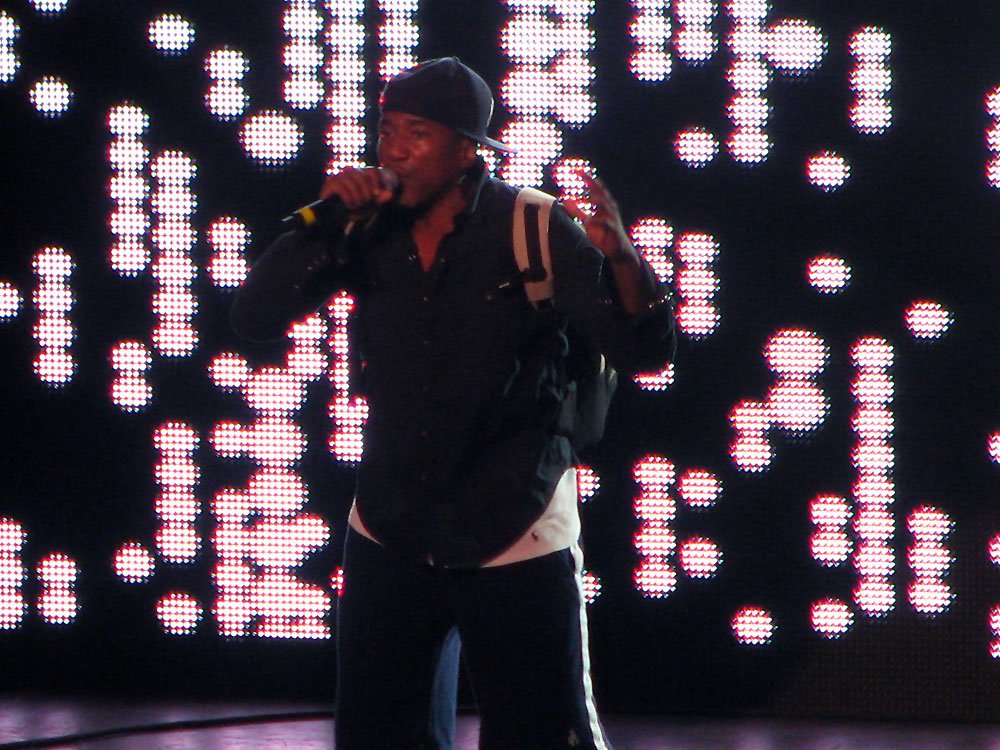
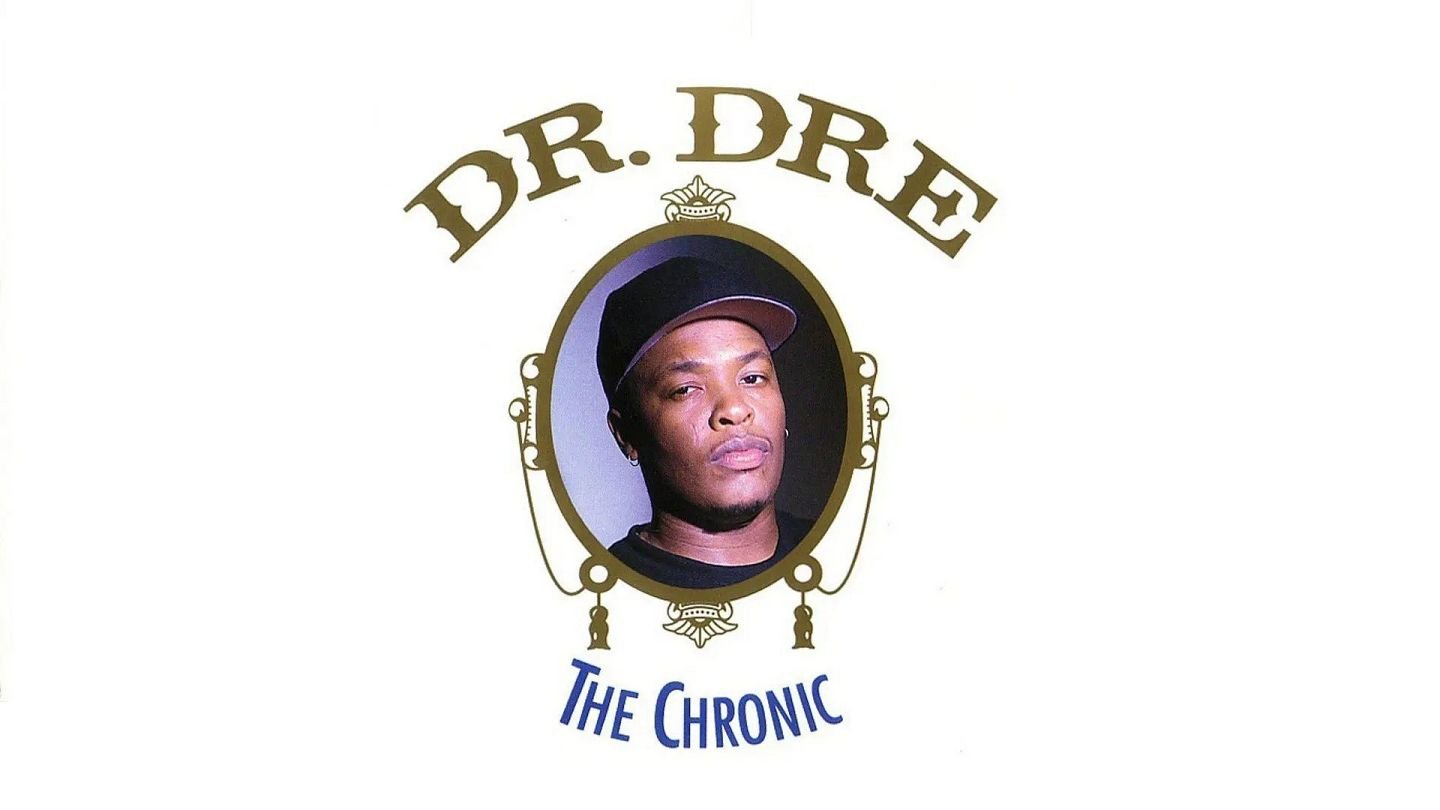
On the West Coast, Dr. Dre’s G-funk sound leaned heavily on Parliament-Funkadelic and other funk sources, but did it through pre-negotiated publishing arrangements and heavier reliance on live instrumentation replaying those iconic basslines rather than raw needle-drops. A Tribe Called Quest’s Q-Tip became known in the industry for meticulously tracking down and clearing the jazz samples that defined albums like “The Low End Theory,” turning what could have been a legal liability into some of the most celebrated crate-digging in the genre’s history. The freewheeling, forty-samples-a-song era of the Bomb Squad became functionally impossible under the new economics — a single track with that many uncleared samples would have been a legal and financial nightmare by 1993.
New York producers found their own workaround: restraint as an art form. Where the late-1980s ethic had been “more samples, more layers,” mid-decade production from RZA, Pete Rock, and DJ Premier leaned toward a single, perfectly chosen loop looped and chopped with surgical precision rather than a dozen fragments stacked on top of each other. Fewer samples meant fewer clearances, smaller legal bills, and — almost by accident — a leaner, harder-hitting sound that became just as identifiable with the mid-90s as the maximalist Bomb Squad style had been with 1990. RZA’s stripped-down, kung-fu-movie-sample-and-one-loop production on “Enter the Wu-Tang (36 Chambers)” and Premier’s boom-bap minimalism on Nas’s “Illmatic” weren’t just aesthetic choices. They were, in part, the sound of an industry doing the legal math.
A Decade Built on the Compromise
Everything fans think of as the classic Golden Age hip-hop sound of the 1990s — the tighter, single-loop production of Wu-Tang’s RZA, the live-band warmth that groups like The Roots and Digable Planets brought to the table, the meticulous jazz-loop clearance work behind A Tribe Called Quest — was shaped, at least in part, by a court case over a Gilbert O’Sullivan ballad that most casual fans have never heard of. The Grand Upright ruling didn’t end sampling. It professionalized it, forcing a scrappy, DIY collage art into an industry with contracts, publishing splits, and legal departments.
It’s easy to romanticize the pre-1991 free-for-all as the “real” Golden Age and treat everything after as compromised. But the truth is messier and more interesting: some of the most enduring albums of the decade, from “Midnight Marauders” to “Illmatic” to “Enter the Wu-Tang (36 Chambers),” were made by producers who had learned to work within the new rules, not despite them. The lawsuit that almost got a Long Island beatboxer’s album pulled from Sam Goody a week before Christmas ended up quietly writing the rulebook for one of the most celebrated musical eras in American history.
Sources
Grand Upright Music, Ltd. v. Warner Bros. Records Inc. — Wikipedia
Biz Markie — Wikipedia
3 Feet High and Rising — Wikipedia
The Low End Theory — Wikipedia
The Retro Almanac
A monthly roundup of "on this day" highlights from that month, decades back — plus first dibs on new retro merch drops. No spam, just the good stuff.