
How the Spice Girls Took Over the World
From Wannabe to global domination: the story of how five British women sparked a pop culture revolution, defined Girl Power for a generation, and became the biggest act of the 90s.

From Wannabe to global domination: the story of how five British women sparked a pop culture revolution, defined Girl Power for a generation, and became the biggest act of the 90s.

For one impossible summer in 1984, Prince owned the No. 1 movie, album, and single in America at the same time. Forty years later, Purple Rain still hasn’t loosened its grip on pop culture.
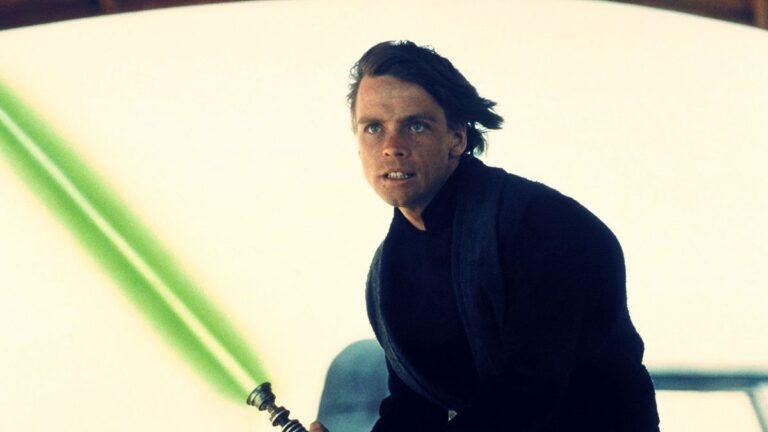
On May 25, 1983, Return of the Jedi opened in 1,002 theaters and broke every box-office record on the books. Inside the secret production, the Ewok backlash, and how George Lucas closed the original Star Wars trilogy.

From Sub Pop basements to MTV Unplugged stages, grunge was the 90s’ loudest exhale. A walking tour of the music, fashion, and culture that defined a generation.
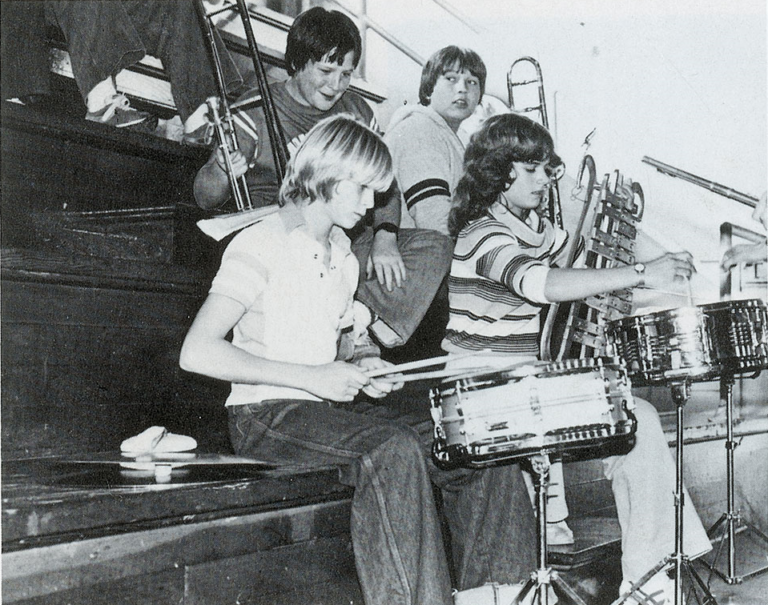
A no-BS field guide to grunge — the bands, the secondhand flannel, and the Gen X mood that rewired the 90s in about three years flat.
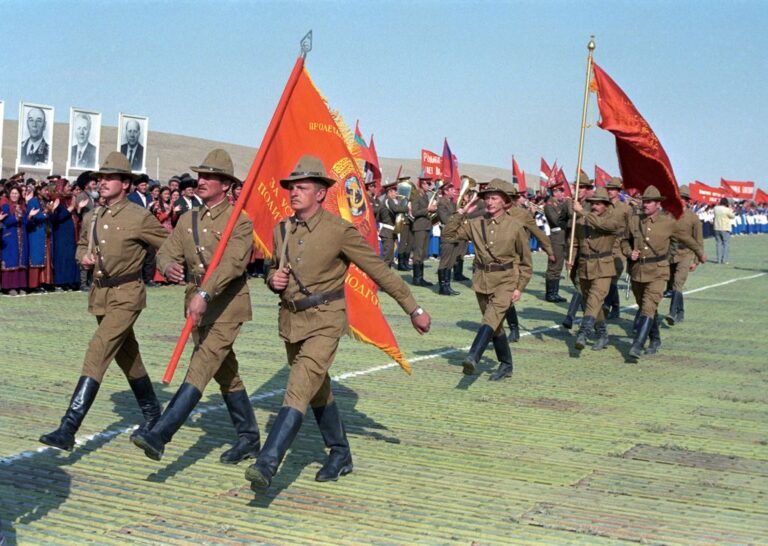
On May 15, 1988, Soviet tanks began rolling out of Afghanistan. After 9 years and 15,000 lives lost, Gorbachev called it a bleeding wound and pulled the plug. Here are 7 wild facts from the day Russia’s Vietnam finally ended.
Cameron Crowe moved to Seattle in 1991 and made a romantic comedy that accidentally became the most accurate document of grunge ever filmed.
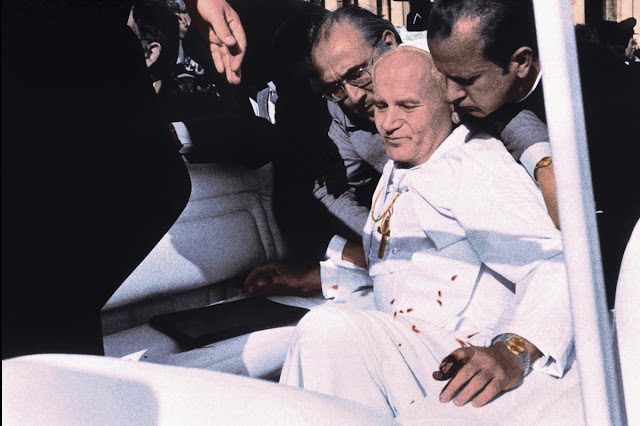
On May 13, 1981, a Turkish gunman shot Pope John Paul II in St. Peter’s Square. The bullet missed his heart by millimeters. Here are 7 shocking facts about that day.
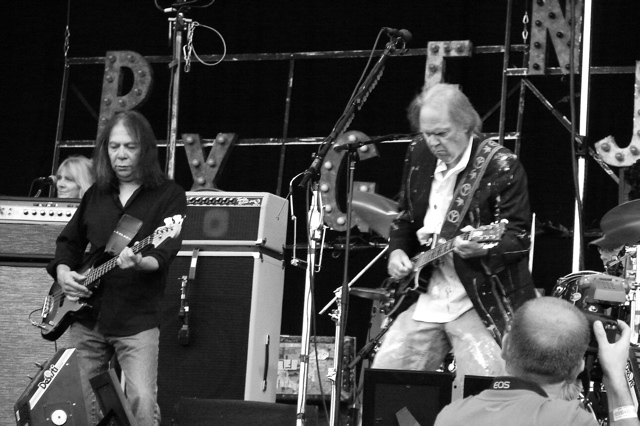
Before Nirvana broke MTV, two Seattle slackers in a cramped Belltown office turned a fanzine into Sub Pop Records and manufactured the grunge movement single by single.
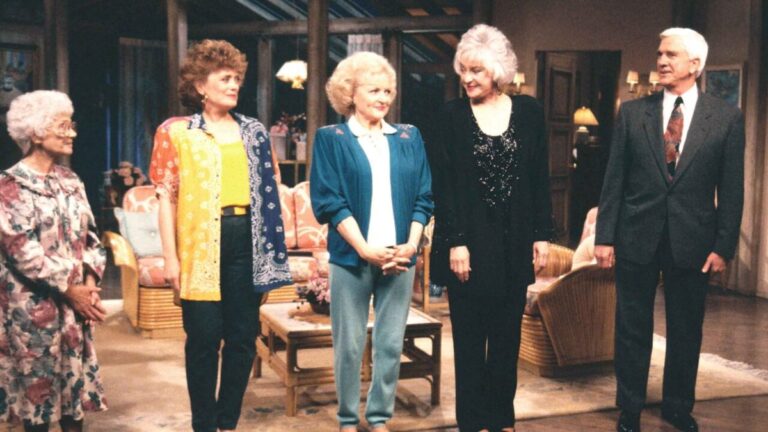
On May 9, 1992, the Golden Girls finale brought 27.2 million viewers together as Dorothy Zbornak walked out of the Miami house for good in ‘One Flew Out of the Cuckoo’s Nest.’ Here is how the goodbye played, why Bea Arthur left, and why The Golden Palace could not replace it.
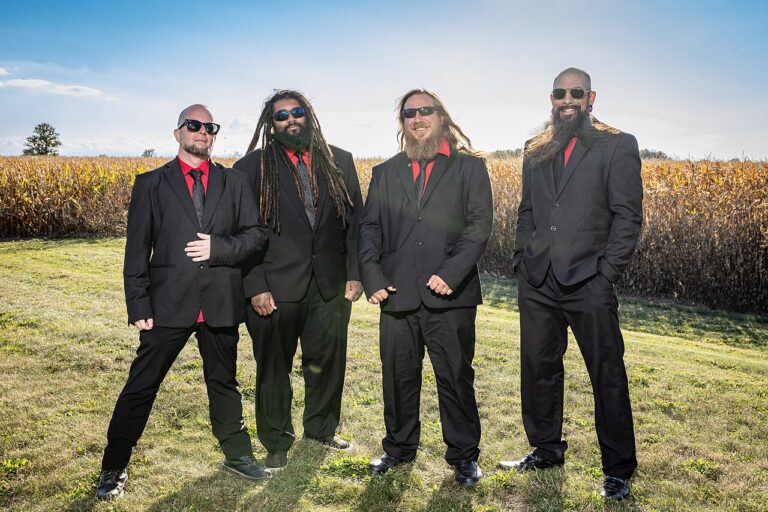
Grunge owned the early 90s — flannel, feedback, and a generation’s bad mood. Then it imploded almost as fast as it landed. Here’s how it lived and why it died.
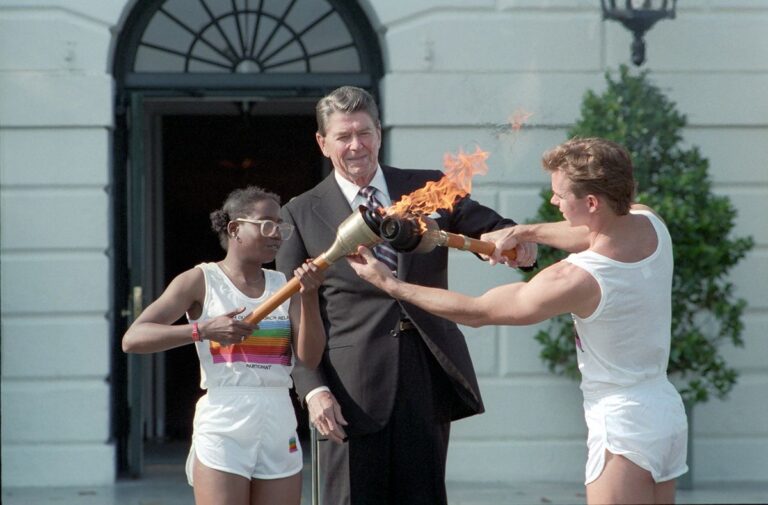
The 1984 Olympics boycott began on May 8, 1984, when the Soviet Union announced it would skip the Los Angeles Summer Games — a Cold War retaliation that pulled fifteen Eastern Bloc nations and four allies out of competition just eleven weeks before the opening ceremony. The walkout was the largest Olympic boycott since 1980,…