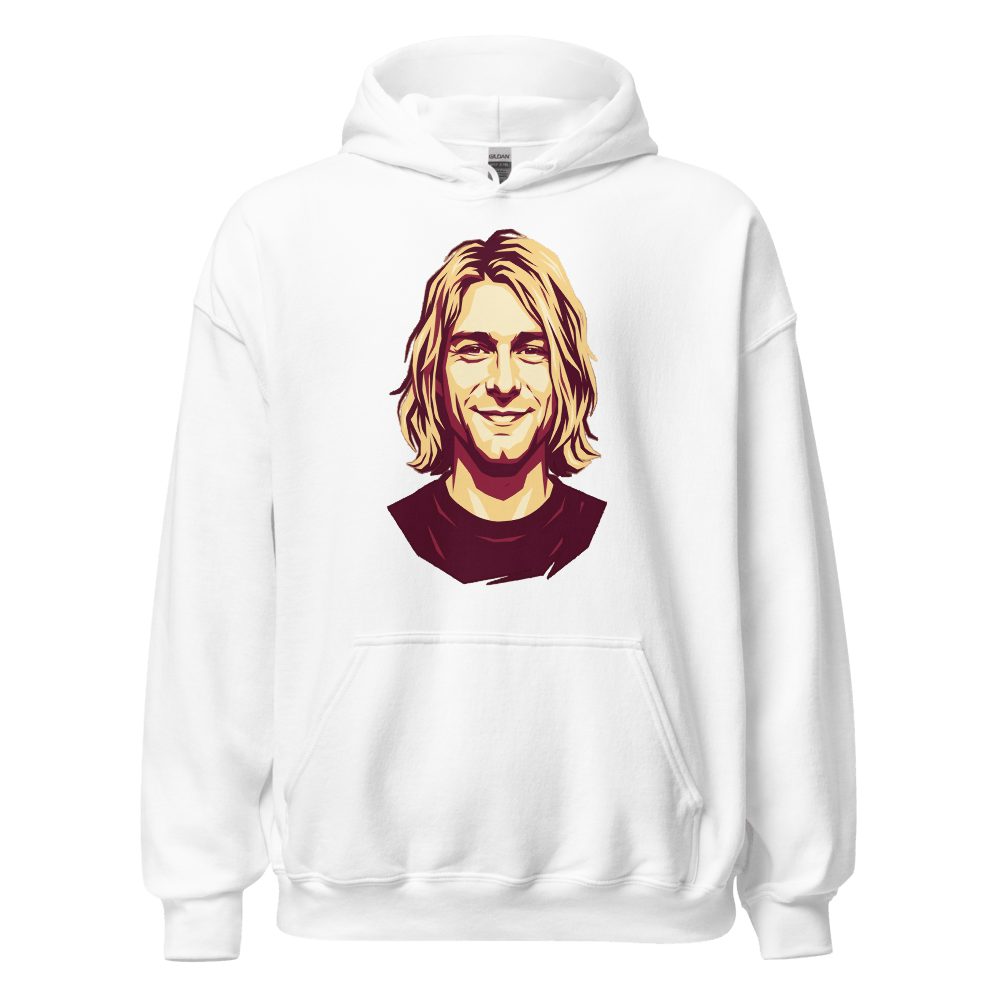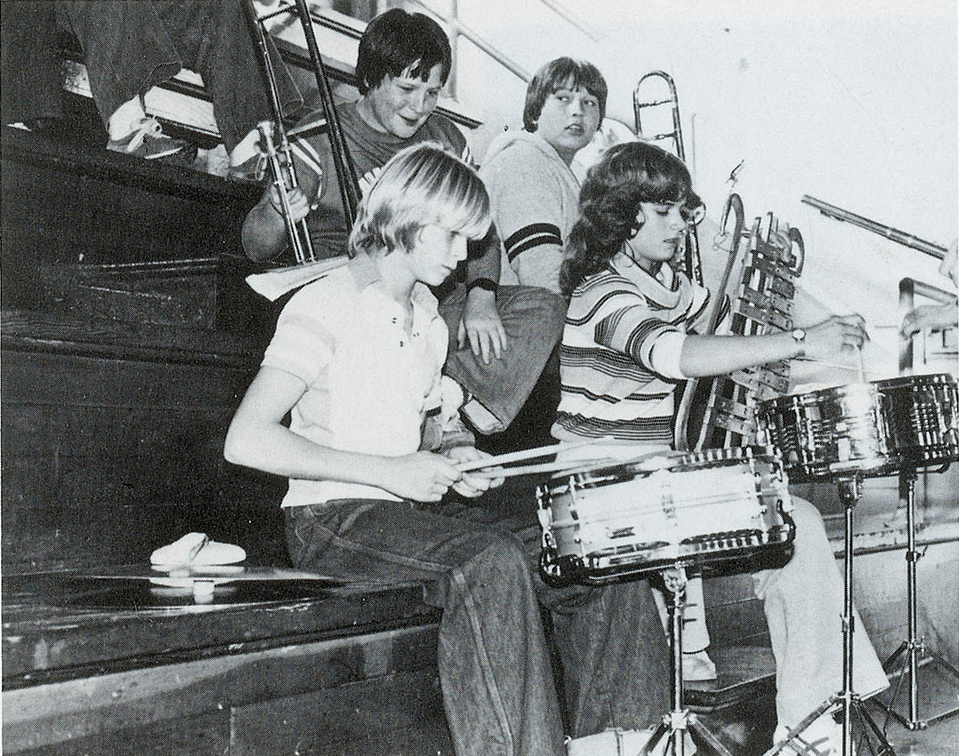
Kurt Cobain
|

The Flannel Manifesto: A Field Guide to Grunge for People Who Missed the 90s

If you blinked between 1991 and 1994, you missed the entire thing. Grunge didn’t ease into the mainstream — it kicked the door open in a pair of beat-up Doc Martens, mumbled something into a damp microphone, and by the time the suits at MTV figured out what was happening, it was already over. Three years. That’s all it took for a soggy bunch of Seattle bands to dismantle hair metal, hijack high fashion, and rewrite what a rock star was allowed to look like.

This is a field guide for anyone who slept through the 90s — kids who weren’t born yet, parents who were too busy raising kids to notice, and anyone who’s ever stared at an old photo of Kurt Cobain in a cardigan and thought, “Wait, that was the look?” Yes. That was the look. And the music. And the mood. Here’s how all three fit together.

What Grunge Actually Was (and Wasn’t)

Grunge wasn’t a uniform sound. It was a regional accent. Specifically, the accent of a handful of Pacific Northwest bands who grew up on a confusing diet of Black Sabbath, Black Flag, the Melvins, and the Pixies, then mashed those influences into something heavy, sludgy, and emotionally raw. Slow it down, add feedback, sing like you mean it, and refuse to smile — that’s the recipe. There’s no manifesto. There never was. Calling it a “movement” makes the bands themselves cringe to this day.

What it definitely wasn’t: a marketing category invented in Los Angeles. Grunge predates the major-label gold rush by years. Mudhoney, Green River, Skin Yard, and the Melvins were grinding it out in basements and union halls long before “Smells Like Teen Spirit” knocked Michael Jackson off the charts in January 1992. The label arrived after the sound did. That order matters.
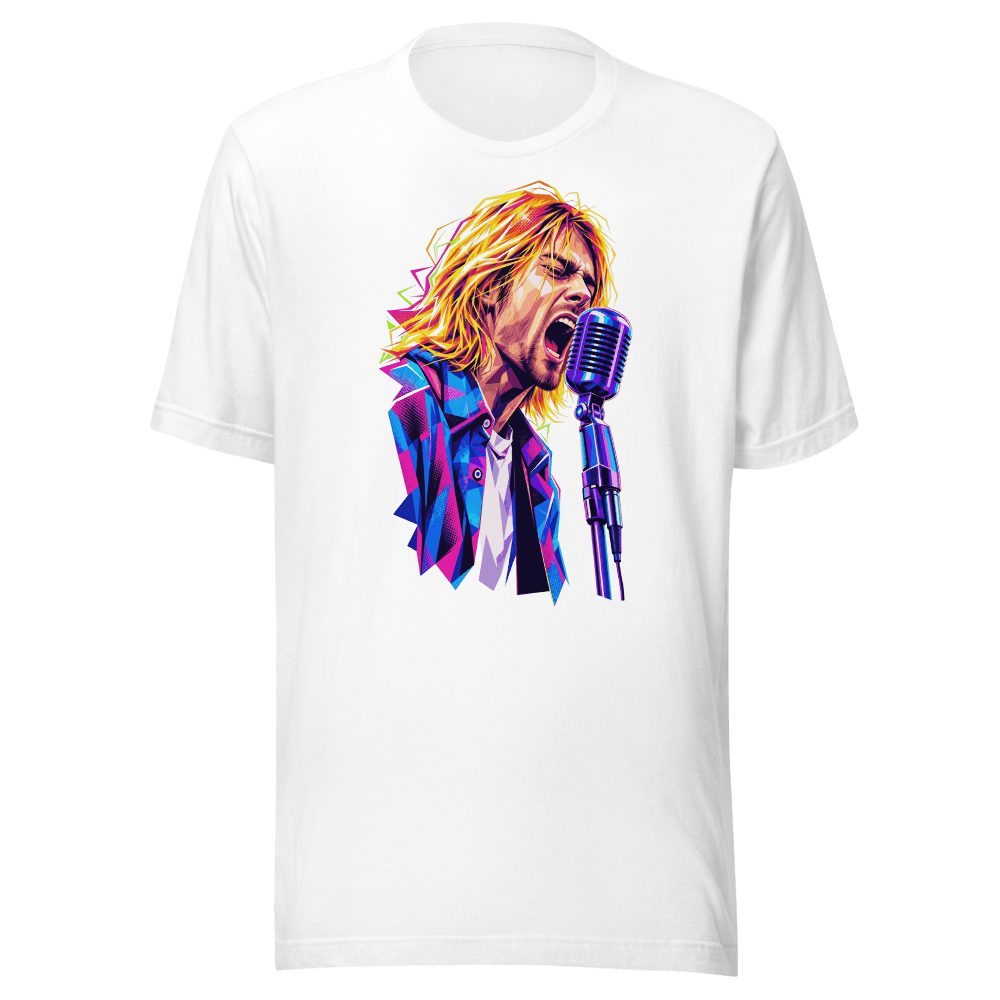
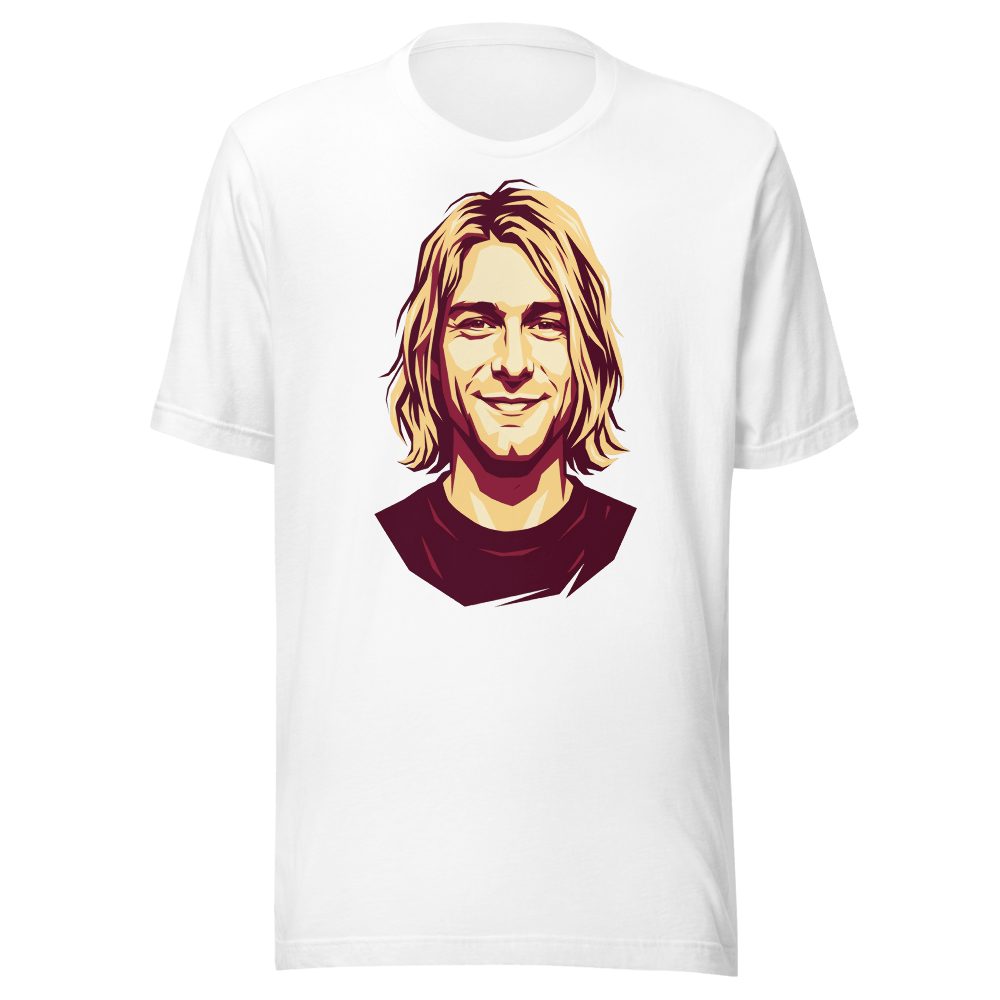
The Music: Who to Hear First

If you’re starting from zero, four bands carry most of the weight, and each one represents a different flavor of the sound. Skip them and you’re missing the whole conversation.

Kurt Cobain
Kurt Cobain

Nirvana — The Lightning Rod

Start with Nevermind (1991) because everyone else did. Then immediately listen to Bleach (1989) to understand where they came from, and In Utero (1993) to hear them try to claw their way back out of fame. Kurt Cobain wrote pop melodies and buried them under sludge and self-loathing. He was a punk who accidentally became Elvis and never forgave himself.

Pearl Jam — The Holdouts

Ten (1991) sold eclipse-darkening numbers, but the band’s real story is what came next: refusing to make music videos, suing Ticketmaster, and deliberately torpedoing their own commercial peak to stay sane. Eddie Vedder turned into the closest thing grunge had to a moral conscience, which is a strange role to play in a genre that didn’t want one.

Soundgarden — The Heavy

If Nirvana was punk that learned to write hooks, Soundgarden was metal that learned to read poetry. Chris Cornell could hit notes that physically hurt other singers to attempt. Badmotorfinger (1991) and Superunknown (1994) are the gateways. Listen on headphones. Loud.

Alice in Chains — The Darkest Corner

The acoustic Jar of Flies EP (1994) is the one that broke through to people who thought they didn’t like grunge. But the full Alice in Chains experience — Layne Staley’s voice harmonizing with Jerry Cantrell over crawling, narcotic riffs — lives on Dirt (1992). It is not a fun listen. It’s not supposed to be.

Soundgarden Chris Cornell

After those four, go sideways: Mudhoney (the actual blueprint), Screaming Trees (Mark Lanegan’s other band), Mother Love Bone (the band that became Pearl Jam after Andrew Wood died), Hole, L7, Babes in Toyland, Tad, and the Melvins. The women of the scene get systematically underrated in retrospectives — don’t make that mistake.

The Fashion: Flannel as a Refusal

Here’s the thing about grunge fashion: it wasn’t fashion. That was the whole point. Seattle is cold and wet nine months of the year. Flannel is warm and cheap. Doc Martens last forever. Thermal underwear under ripped jeans isn’t a style choice — it’s how you don’t freeze waiting for the bus to a show. The look was function. It just happened to photograph well.

Doc Martens
Doc Martens

The starter kit, if you’re cosplaying: an oversized flannel shirt (plaid, button-down, almost certainly from a thrift store or a dad’s closet), a faded band T-shirt underneath, jeans with actual wear holes (never pre-distressed — that came later, and grunge kids could spot the difference instantly), Converse Chuck Taylors or beat-up Doc Martens, and hair that hadn’t been cut on purpose in at least eight months. Optional: a cardigan, a beanie, or a pair of cat-eye sunglasses lifted from a grandmother.

The unintentional irony came in November 1992, when Marc Jacobs sent a grunge-inspired collection down the runway at Perry Ellis. Plaid shirts, slip dresses, combat boots — repackaged at four-figure prices. Perry Ellis fired him. The collection became legendary. Vogue published the spread. And the bands themselves, when sent the clothes, reportedly burned them. The point of grunge style was that it cost twelve dollars at Value Village. Charging twelve hundred for the same idea wasn’t a compliment. It was a misreading so complete it almost looped back around to being funny.

ripped jeans
ripped jeans

The Culture: A Generation’s Mood Ring

Grunge worked because it landed at exactly the right cultural moment. Generation X had grown up in the shadow of the Cold War, watched their parents get divorced en masse, inherited an economy in recession, and been told by every magazine cover that they were apathetic, slack-jawed, and doomed. Grunge said: yeah, basically. And that admission — that refusal to fake enthusiasm — felt like oxygen.

Hair metal in 1989 was about pretending to be a millionaire on a yacht. Grunge in 1991 was about admitting your part-time job at the coffee shop wasn’t going anywhere and your dad still wasn’t speaking to you. The music wasn’t depressing exactly — it was honest in a way mainstream pop hadn’t been since maybe punk in 1977. For a few years, honesty was the most marketable thing in America. Then it stopped being marketable, because honesty rarely is, but for those few years the lid came off.

Seattle Space Needle 1990s

Why It Burned Out

Grunge ended for the simplest possible reason: the people who built it didn’t want to be the thing they had built. Cobain killed himself in April 1994. Andrew Wood had already died in 1990. Layne Staley would die in 2002, Mike Starr a few years later, Chris Cornell in 2017, Mark Lanegan in 2022. The body count for a three-year cultural moment is staggering and not coincidental. The same emotional rawness that made the music resonate also made the lives behind it dangerous.

By 1995 the surviving bands had pivoted. Pearl Jam went weirder. Soundgarden broke up. Nirvana, of course, was over. Britpop arrived from England with a haircut and a smile, and pop-punk filled the radio dial with bands who looked happy to be there. The mainstream had wanted permission to feel bad for three years. After that, it wanted permission to feel good again. Grunge couldn’t deliver that. It was never the assignment.

How to Tell If Someone Was Actually There

A few tells, for the casually curious. People who were genuinely in it can name a Mudhoney song without thinking about it. They know that the Pixies are an influence, not a member of the scene. They remember exactly where they were when MTV announced Cobain’s death — most can tell you the hour. They never call it “grunge rock,” because nobody in the 90s did. They probably still own at least one flannel shirt that smells faintly of cigarette smoke from 1993 and they will not be parted from it.

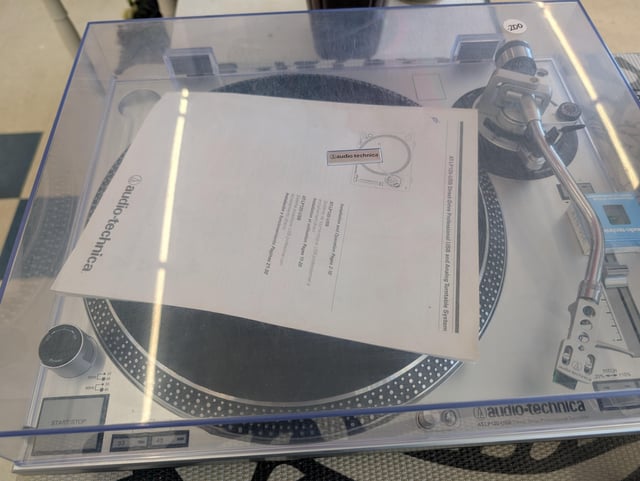
vinyl record collection

And here’s the trick most retrospectives miss: grunge wasn’t an aesthetic, a sound, or a fashion trend. It was a brief, accidental moment when the loudest voices in American pop culture were also the most uncomfortable being there. That contradiction is what made it electric. That contradiction is also what made it impossible to sustain. Three decades on, the flannel is back, the bands are streaming, and there are TikTok tutorials on how to dress like Kurt Cobain. The look survives. The discomfort that made it mean something is harder to fake.

Which is fine. Grunge wasn’t supposed to last. It was supposed to clear the room. Mission accomplished — then the band quit, walked out the back door, and lit a cigarette in the alley. If you want the field guide condensed to one sentence: play Nevermind, wear something your dad would throw out, and try to mean what you say. That’s most of it.

Hear It For Yourself: The Track That Changed Everything

If you skip the discography and only watch one music video, make it this one. The original Nirvana clip for “Smells Like Teen Spirit” — filmed on a school gym set with cheerleaders sporting anarchy A’s and a bored, smoking janitor — is the single most efficient summary of what grunge meant on impact. Watch it twice: once for the song, once for the faces in the bleachers slowly realizing something is different.

Kurt Cobain and Krist Novoselic performing Smells Like Teen Spirit live during the grunge era at Seattle's OK Hotel April 17, 1991

Pair that with anything from Ten or Badmotorfinger and you have ninety minutes of education. The records still hold up because the bands meant them — and because almost nobody since has tried to sound this uncomfortable on purpose.

Sources

Similar Posts

Leave a Reply

Your email address will not be published. Required fields are marked *