How Golden Age Hip-Hop Rewired the Way America Dressed
Before the runway noticed, the corner noticed. Somewhere between 1990 and 1999, the clothes worn on stoops in Brooklyn and Compton, in the videos on Yo! MTV Raps, and on the courthouse steps during obscenity trials became the single most copied wardrobe in America. Golden Age hip-hop did not just give the decade its soundtrack. It gave it a dress code, and everyone from suburban malls to Paris ateliers eventually fell in line.
The remarkable part is how little permission any of it asked for. This was fashion built from the bottom up, stitched together out of borrowed sportswear, workwear, prison-yard practicality, and pure Bronx-and-beyond bravado. By the time the fashion houses figured out what was happening, the culture had already written the rules and moved on to the next look.
The Look Was the Message
To understand Golden Age hip-hop style, you have to understand that the clothes were never just clothes. In an era defined by Public Enemy’s politics and the Native Tongues’ Afrocentric optimism, what you wore announced where you stood. Africa medallions carved into the shape of the continent, red-black-and-green colorways, and kente-cloth accents turned an outfit into a statement of pride before a single bar was rapped.
The Retro Almanac
A monthly roundup of "on this day" highlights from that month, decades back — plus first dibs on new retro merch drops. No spam, just the good stuff.
This was the era of the X cap after Spike Lee’s Malcolm X in 1992, of leather Africa pendants swinging over a dashiki, of a whole generation reading their history off each other’s chests. When A Tribe Called Quest and De La Soul dressed down in bright, thrift-store eclecticism, they were making a point too: that hip-hop style could be playful and bookish and free of the era’s tough-guy templates.
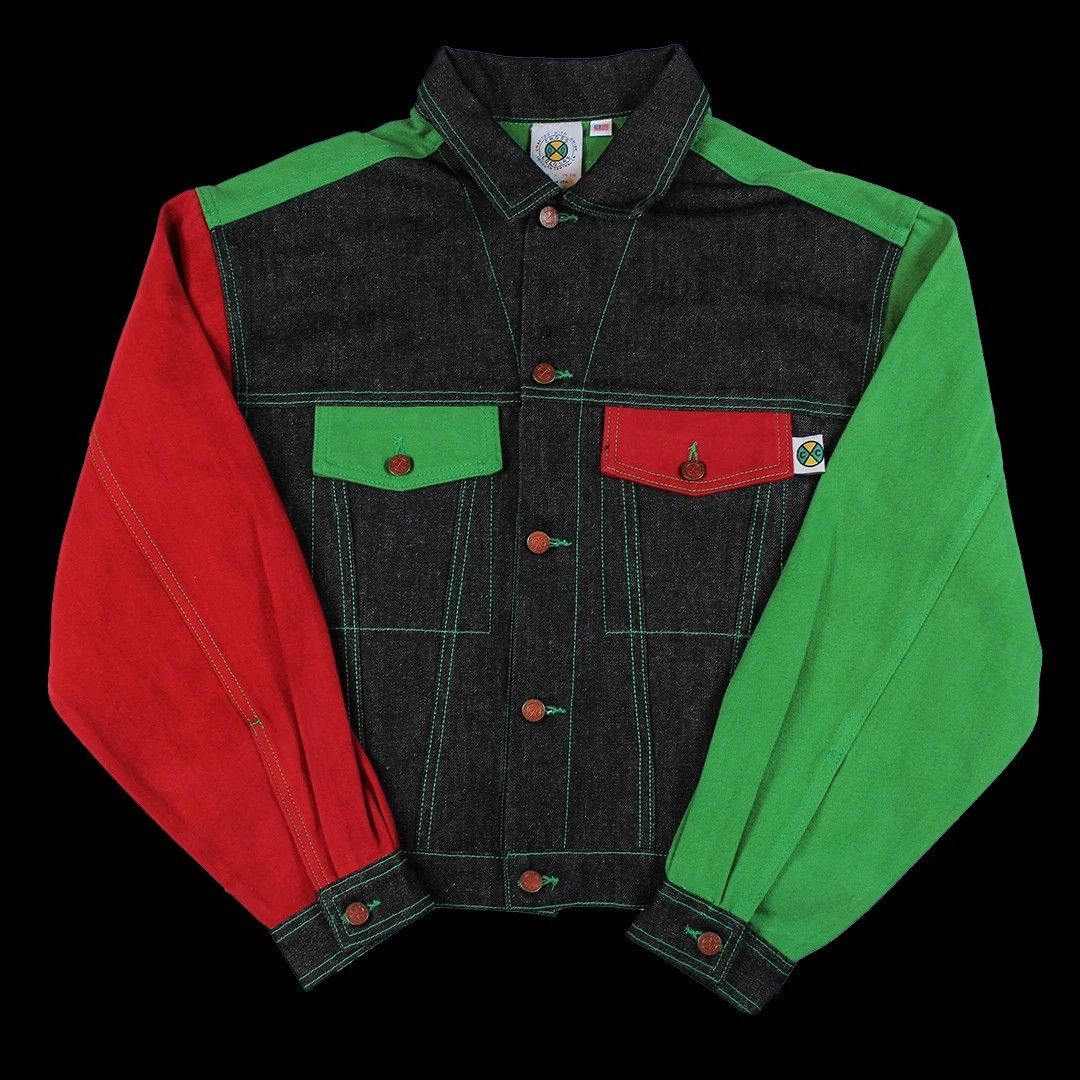
Nobody bottled that energy better than Cross Colours. Founded in Los Angeles in 1989 by Carl Jones and T.J. Walker, the brand splashed its slogan, “Clothing Without Prejudice,” across baggy, primary-colored denim and rugby shirts. When Will Smith bounced onto screens as The Fresh Prince of Bel-Air in oversized Cross Colours, the brand went from grassroots to nationwide overnight. It was loud, hopeful, and unmistakably ours.
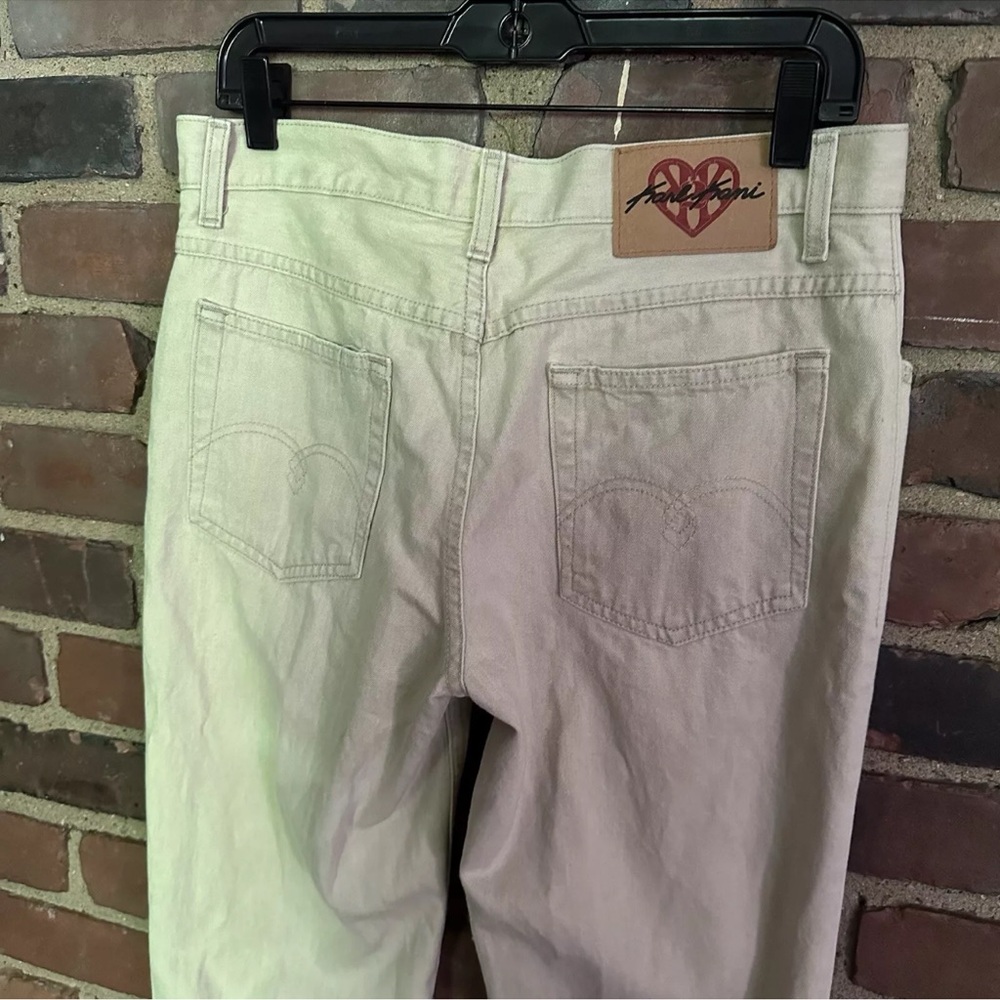
Right behind Cross Colours came Karl Kani, a designer who did something almost unheard of at the time: he put a young Black entrepreneur’s name on the label and made that the whole point. Kani’s baggy jeans, with their signature stitched logo, became the uniform of the early ’90s. “I always felt like if I could just get my name out there, the clothes would sell themselves,” Kani later said, and he was right. Tupac wore Kani. So did half the kids trying to look like Tupac.
From the B-Boys to the Sneaker Wall
The Golden Age inherited its footwear obsession from the pioneers. When Run-DMC rapped “My Adidas” in 1986 and held their shell-toes aloft at Madison Square Garden while thousands of fans hoisted theirs back, they earned a reported million-dollar endorsement deal, the first of its kind between a hip-hop act and an athletic brand. That moment rewrote the business. Sneakers were no longer just shoes; they were currency.
By the 1990s that obsession had exploded into a full-blown economy. Nike’s Air Jordan line, Air Force 1s kept box-fresh and laced just so, and the coveted colorways that sold out before dawn all owed their mystique to the culture’s blessing. A sneaker’s value was set less by the manufacturer than by which MC laced it up first. The “crispy white” aesthetic, keeping your kicks immaculate no matter the cost, became its own discipline.
Timberlands, Gold, and the Uniform of the Streets
The delivery system for all of it was the music video. Every afternoon, Yo! MTV Raps and Rap City beamed close-ups of exactly which jeans, which boots, and which chain the culture was cosigning that week, and kids across the country took notes. A look could go from a Bronx block to a mall in Ohio in the span of a single video rotation.
If there was one silhouette that screamed East Coast Golden Age, it was a pair of wheat-colored Timberland boots. Timberland built those boots for construction workers and outdoorsmen, never imagining that Wu-Tang Clan, Notorious B.I.G., and half of New York would adopt them as the winter uniform of hip-hop. Paired with baggy jeans and a hoodie, the “Butters” or “Wheats” said hard, practical, and unbothered by the cold.

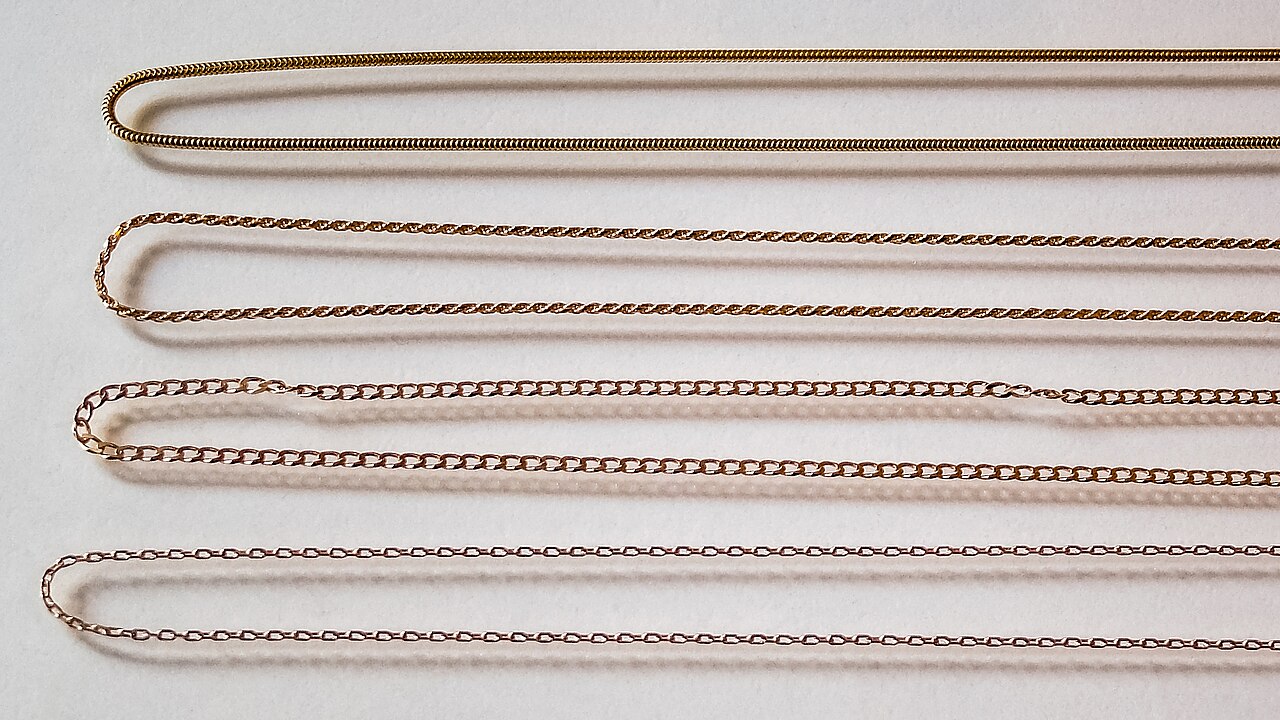
Then there was the gold. The dookie rope chain, thick, heavy, and impossible to ignore, was the jewelry of choice, a look pioneered in the ’80s by acts like Eric B. & Rakim and carried proudly into the new decade. Nameplate belts, four-finger rings, and gold fronts turned the human body into a display case. In a culture where success had to be seen to be believed, gold was the loudest possible receipt.
Nothing sold the silhouette like sheer volume of fabric. The Golden Age ran big on purpose: jeans that pooled at the boot, jerseys cut for a man twice your size, hoodies you could disappear inside. Layered over it all in colder months came the Starter jacket, a satin bomber stitched with the logo of your NFL or NBA team of choice. For a stretch of the early ’90s, a Starter jacket in Raiders silver-and-black or Bulls red was less a coat than a status symbol, and the must-have gift under more than a few Christmas trees.
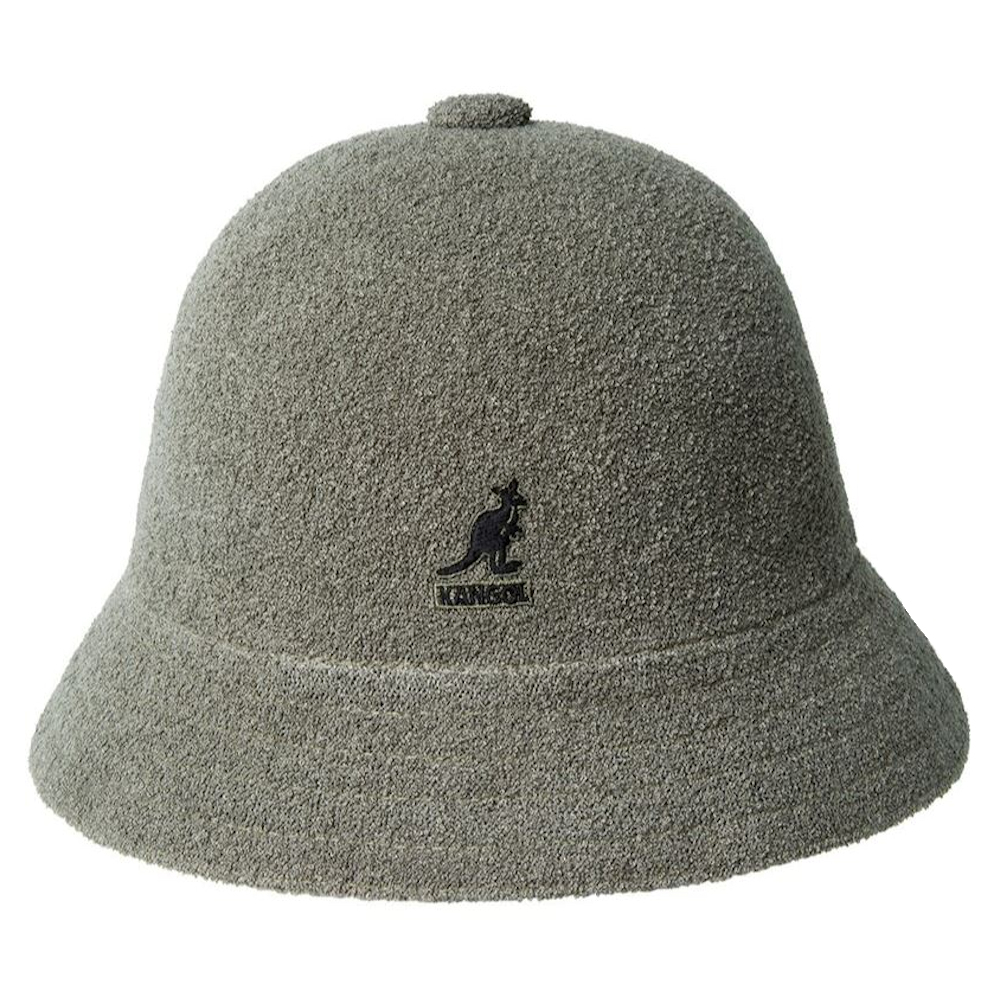
Headwear finished the look. The Kangol bucket hat, worn low and tilted, had been an LL Cool J signature since the ’80s and never lost its cool. Fitted New Era caps repping your city, backwards or dead-flat-brimmed, told everyone your zip code before you opened your mouth.
FUBU and the Rise of Owning the Label
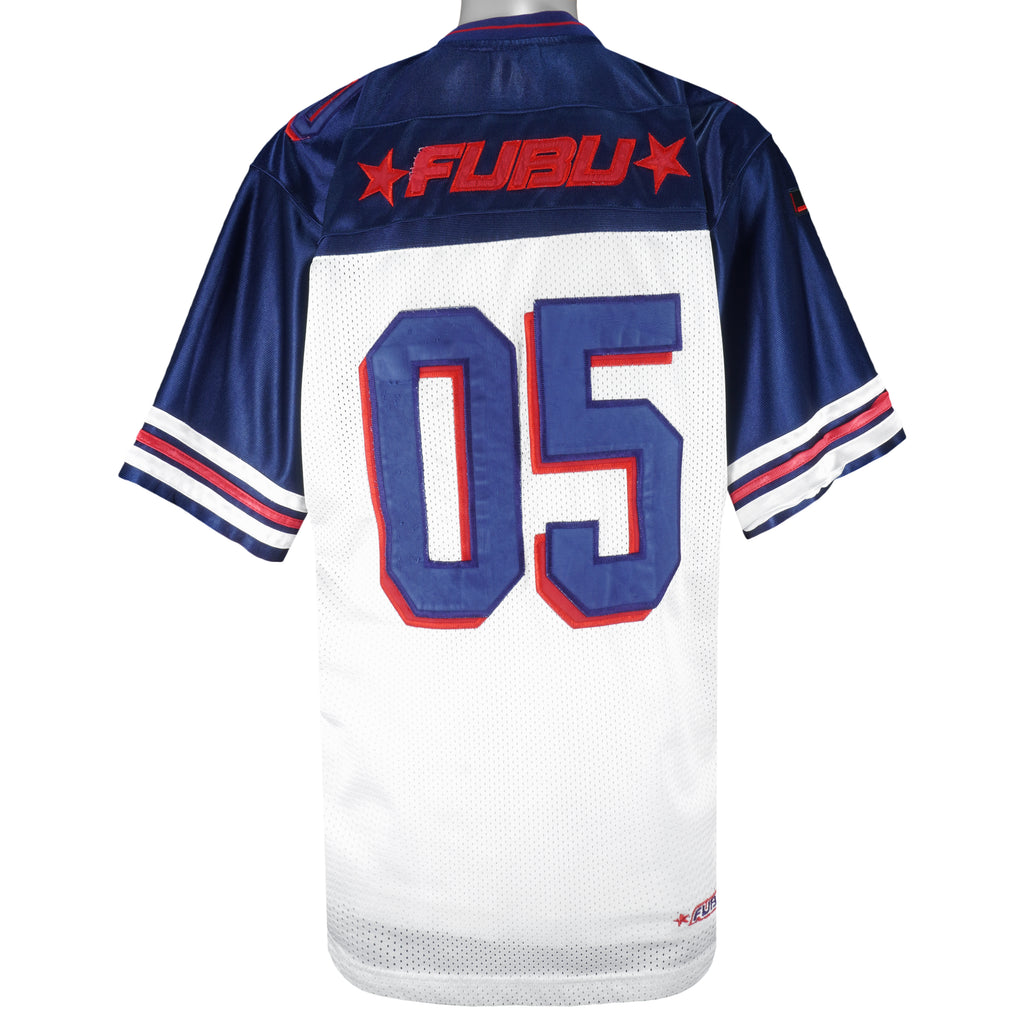
The most radical idea in Golden Age fashion wasn’t a garment. It was ownership. In 1992, Daymond John started sewing tie-top hats in his mother’s house in Hollis, Queens, the same neighborhood that produced Run-DMC. The brand he built with three friends was called FUBU, an acronym for “For Us, By Us.” It was a direct answer to a simple frustration: hip-hop was making other companies rich while getting little back.
FUBU’s breakthrough came when LL Cool J wore the brand, and famously slipped the letters “FUBU” into a 1997 Gap commercial he was paid to shoot, a bit of guerrilla marketing that reportedly cost Gap a fortune in free FUBU exposure. By the end of the decade FUBU had crossed into the hundreds of millions in sales. The message was undeniable: the culture didn’t have to wait for the establishment to cash in on itself.
When the Runway Came Knocking
The old-money brands weren’t immune, and some of them didn’t even mean to get involved. In Brooklyn, a crew known as the Lo-Lifes made a subculture out of Polo Ralph Lauren, wearing the preppy sportswear with a swagger Ralph never designed for and, according to legend, acquiring a fair amount of it through five-finger discounts. They took the aesthetic of the Hamptons and made it a badge of the boroughs.
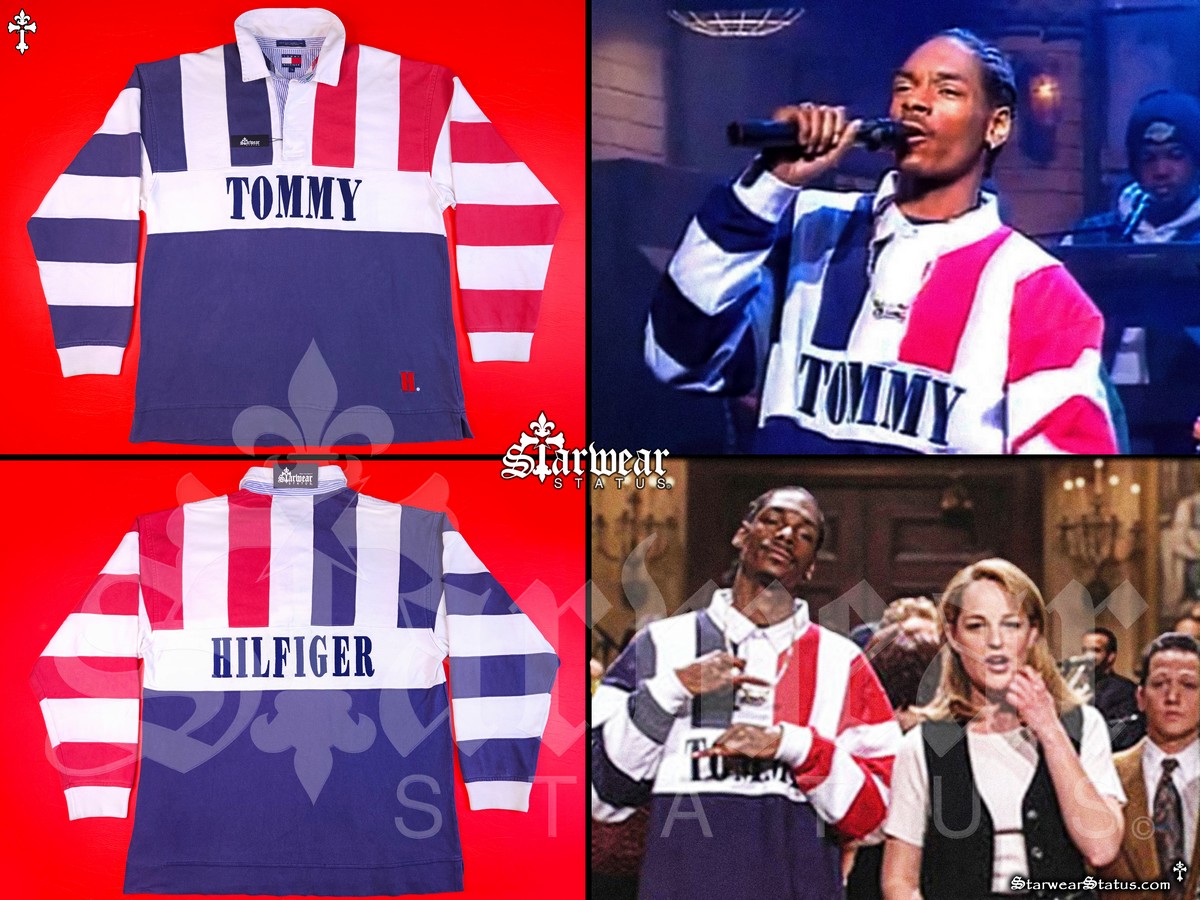
Tommy Hilfiger read the room faster than anyone. When Snoop Doggy Dogg wore a bold red-white-and-blue Tommy rugby shirt on Saturday Night Live in 1994, the item reportedly sold out in stores the next day. Hilfiger leaned in, dressing artists and flooding the culture with his flag logo, and watched his brand’s sales soar into the stratosphere. It was one of the clearest proofs that a co-sign from a rapper could outperform any ad campaign money could buy.
By decade’s end, the coasts had even developed their own dialects of style. The East Coast stayed rugged: Timbs, army fatigues, hoodies, and the Wu-Tang uniform of a man dressed for a fire escape in February. The West Coast, thanks to N.W.A and the G-funk wave, went cleaner and sunnier: crisp white tees, Dickies and khakis creased sharp, Chuck Taylors or Nike Cortez, Locs sunglasses, and a bandana. You could tell which coast a video was shot on with the sound off.
The Blueprint That Never Went Out of Style
Look at what came after and the fingerprints are everywhere. Every athletic brand now courts musicians for sneaker collaborations. Streetwear, once a corner-store hustle, became a luxury category with lines out the door. Daymond John parlayed FUBU into a seat on Shark Tank. Karl Kani got his flowers as a founding father of the whole streetwear movement, name-checked by designers who grew up idolizing his jeans.
What the Golden Age proved, between 1990 and 1999, is that culture flows upward. The fashion establishment spent the decade catching up to decisions made on stoops and in studios by people who were never invited to the party and threw a better one anyway. For a generation of Gen X kids saving up for their first pair of Timbs or a Kani logo tee, that wardrobe wasn’t just cool. It was proof that the people setting the trends looked and sounded like them, and that the rest of the world would follow.
Want to recapture the look? A search for 90s hip-hop fashion or a set of wheat Timberland boots is the fastest way back to the Golden Age, no time machine required.
Sources
- Cross Colours — Wikipedia
- Karl Kani — Wikipedia
- FUBU — Wikipedia
- “My Adidas” and the Run-DMC deal — Wikipedia
- Smithsonian Magazine
The Retro Almanac
A monthly roundup of "on this day" highlights from that month, decades back — plus first dibs on new retro merch drops. No spam, just the good stuff.