The Kinderwhore Aesthetic Is Back and Nobody Warned the Parents
There is a fifteen-year-old on TikTok right now wearing a thrifted ivory slip dress over a torn band tee, with a pink plastic baby barrette holding back her bangs and a smear of red lipstick that looks like she cried through second period on purpose. She thinks she invented this. She did not. A handful of mid-Nineties riot girls — chiefly one Courtney Michelle Love — got there first, and they got there hard. Now the look has clawed its way out of the cultural attic, dusted itself off, and landed on Vogue carousels, A24 movie posters, and the Sour-era wardrobe of every singer-songwriter under twenty-five. Welcome back, kinderwhore. You picked a strange decade to time-travel into.
What Kinderwhore Actually Was
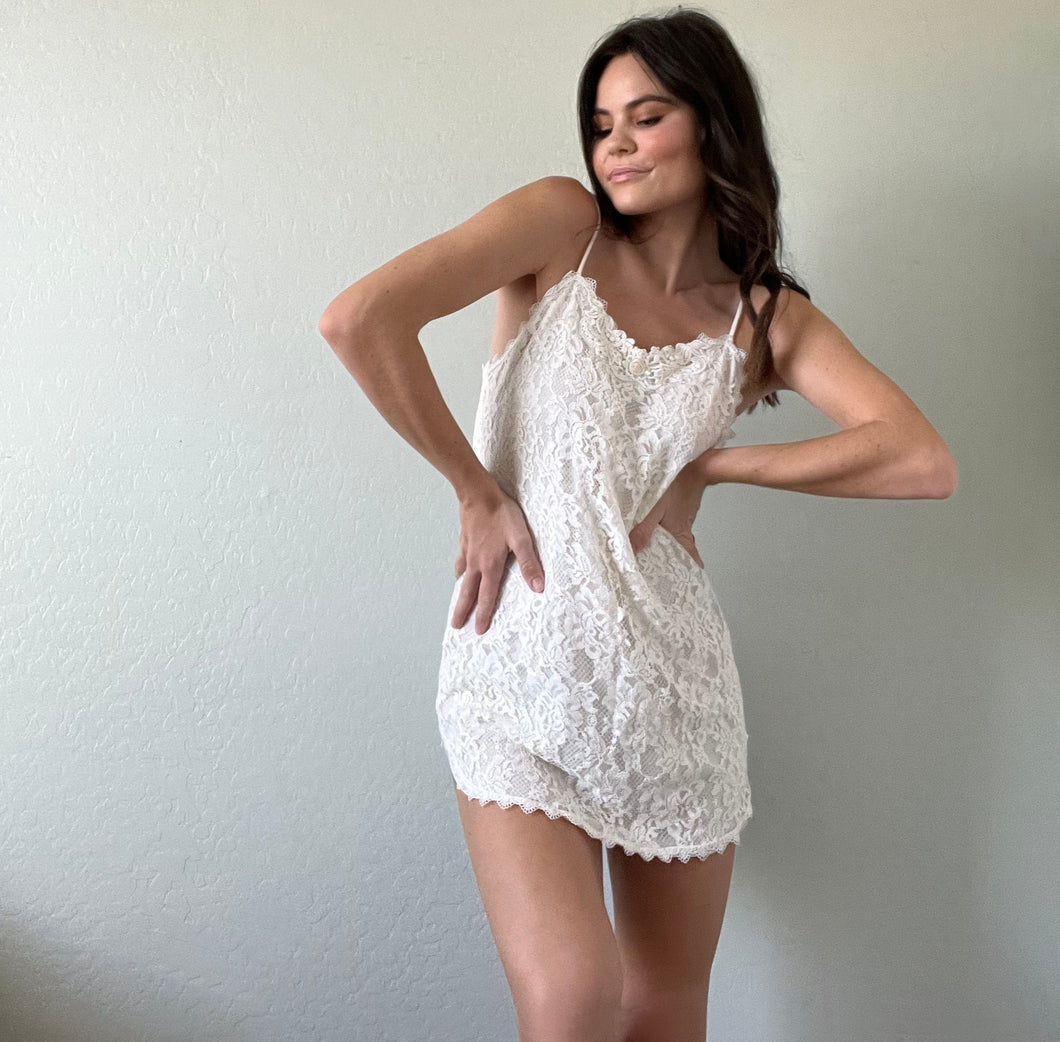
Kinderwhore was not a fashion line. It was a weapon. Between 1991 and 1994, a tight cluster of women in the American underground music scene started showing up onstage dressed like ransacked dolls — baby-blue babydoll dresses, white tights with deliberate runs, scuffed Mary Janes, costume tiaras, smudged carmine lipstick that looked applied during an earthquake. The contrast was the point. Sweet little-girl uniforms worn by women screaming into microphones about rape, anger, motherhood, and being treated as disposable. The clothes said innocence. The performance said do not test me. The look was both costume and threat, and it landed in the exact cultural moment when grunge had hollowed out the idea that women in rock had to be either Stevie Nicks or Pat Benatar.
For about thirty-six months, kinderwhore was everywhere a guitar was loud. Then it vanished so completely that an entire generation grew up assuming it was a Tumblr invention from 2013.
The Retro Almanac
A monthly roundup of "on this day" highlights from that month, decades back — plus first dibs on new retro merch drops. No spam, just the good stuff.
Courtney Love Built the Blueprint, Whether or Not She Drew It
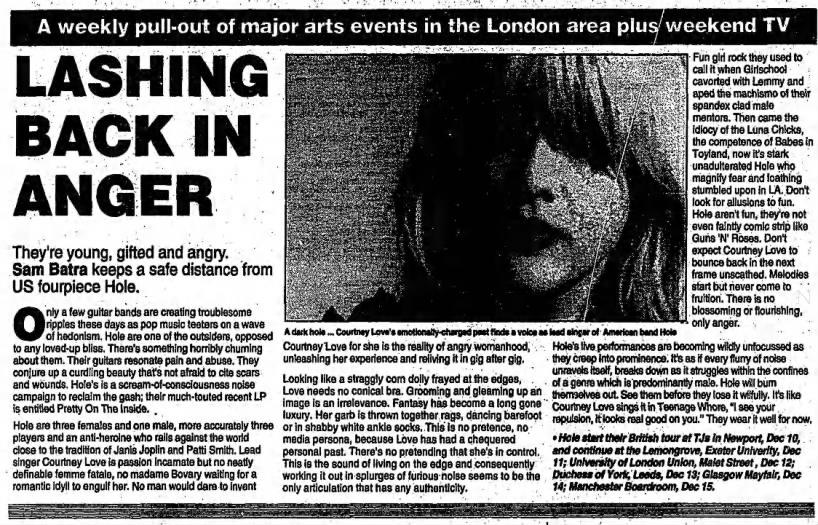
The Hole frontwoman has spent three decades arguing about who invented kinderwhore. The honest answer, which she sometimes admits in print and sometimes does not, is that she did not invent it alone. What she absolutely did do was weaponize it on a stage big enough that every teenage girl with a Tower Records card saw it. The 1994 Live Through This album cycle was the moment the look went global — torn slip dresses, smudged mascara stripes down both cheeks, Mary Janes splattered with stage beer, hair half-bleached and half-given-up-on. She wore it on Saturday Night Live. She wore it to the MTV Movie Awards. She wore it the week Kurt died, and the world photographed every frame.

The Outfit Codex
If you wanted to look like Courtney circa 1994, the recipe was specific and short:
- A vintage slip dress, ideally cream or pale pink, thrifted for under five dollars
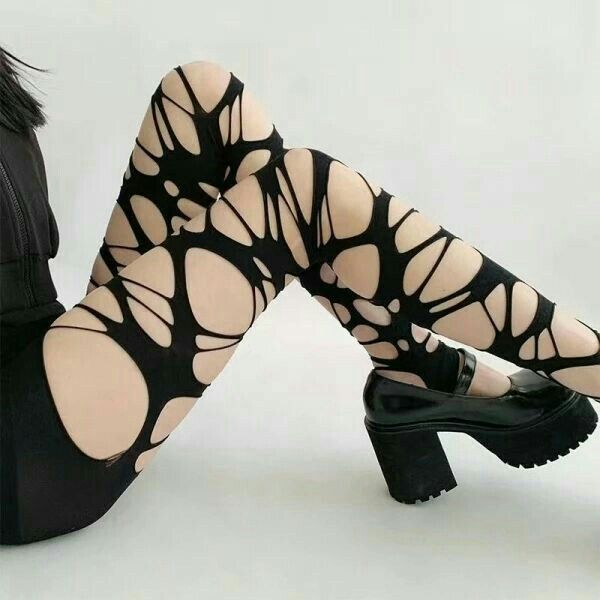
- White or pale stockings with deliberate ladders
- Mary Janes or scuffed Doc Martens, never anything in between
- A plastic barrette shaped like something a six-year-old would wear
- One swipe of vivid red lipstick, applied with the carelessness of someone running for a bus
- A leather or suede jacket two sizes too big, usually borrowed and never returned
Total cost in 1993 dollars: roughly twenty-two bucks at Salvation Army. Total cost in 2024 dollars from Realisation Par and Reformation: well north of four hundred. Capitalism eventually finds every aesthetic that started as a survival tactic.
Babes in Toyland Got There First — Yes, Really
Before Love, there was Kat Bjelland. The Minneapolis singer of Babes in Toyland had been wearing the babydoll dress and combat boot combination since at least 1987, when she and a young Courtney briefly played in a band together in San Francisco. The feud over who copied whom has outlasted the careers of approximately ninety percent of the bands either of them ever toured with. Bjelland says she was wearing thrift-store kids’ dresses years before Hole’s first single. Love says Bjelland romanticized a look they both arrived at independently from the same Minneapolis dollar bins. Both versions are probably partially true. What is not in dispute is that Babes in Toyland’s 1990 album Spanking Machine featured the prototype — vintage child slips, ripped tights, scuffed Mary Janes, hair like she had been dragged through a hedge. The visual vocabulary was set before Nirvana had a record deal.
Why the Look Got Buried Under Heroin Chic
By 1996 the cultural temperature shifted. Kate Moss for Calvin Klein had landed the heroin-chic minimalism era — slip dresses without the irony, white tank tops without the rage, a kind of expensive Manhattan emptiness that looked nothing like a Minneapolis basement show. Fashion editors who had spent two years pretending to care about Olympia, Washington abruptly remembered they preferred the Hamptons. The kinderwhore look got reclassified as embarrassing. It got coded as trying too hard, as a costume rather than a uniform, as something women over twenty-five could no longer wear without seeming desperate. Magazines stopped photographing it. The bands that built it broke up or got fired by their labels. Courtney pivoted to Versace gowns and an Oscar nomination. The dolls went back in the box.
For the better part of fifteen years, kinderwhore lived only in the back issues of Sassy magazine and the closets of women who refused to throw out their good vintage slips. Then TikTok happened.
The TikTok Resurrection Nobody Asked For (But Everyone Got)
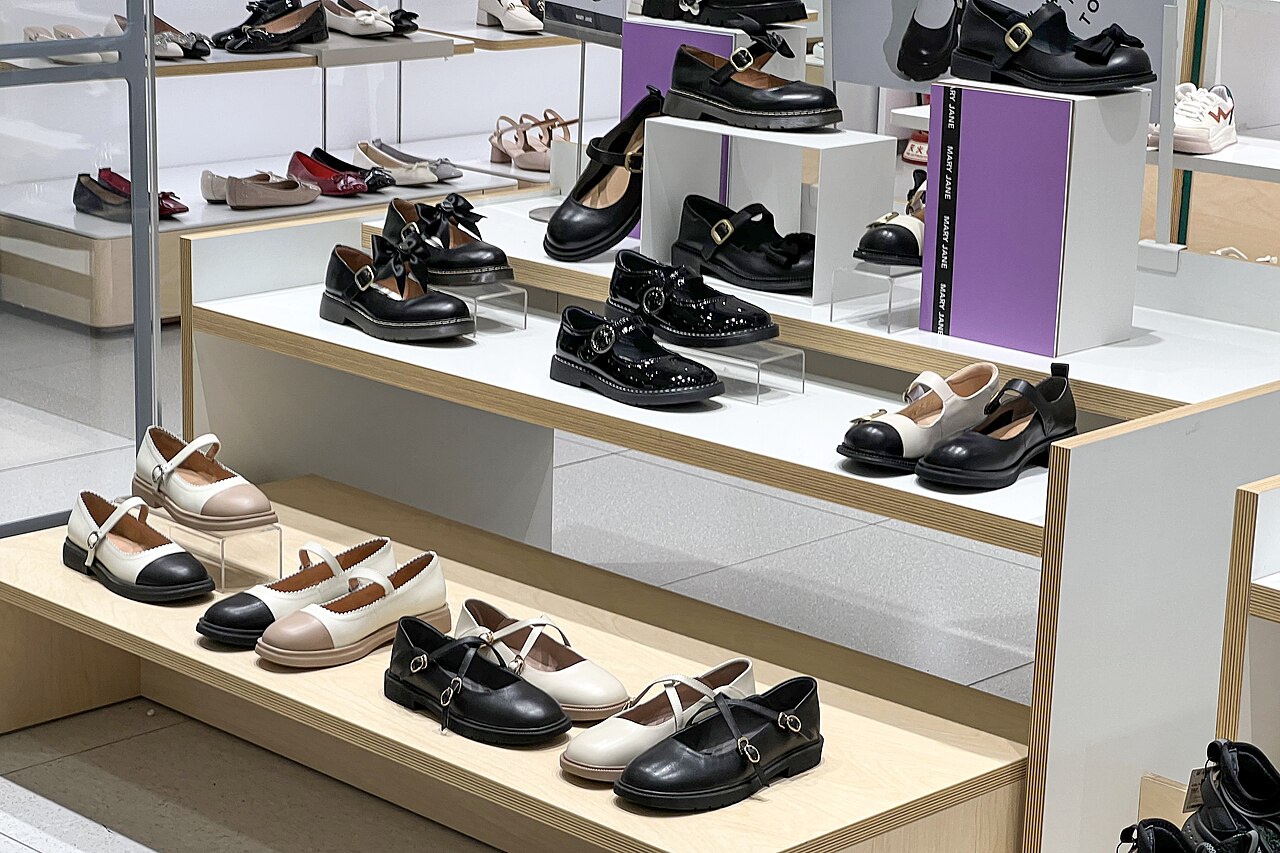
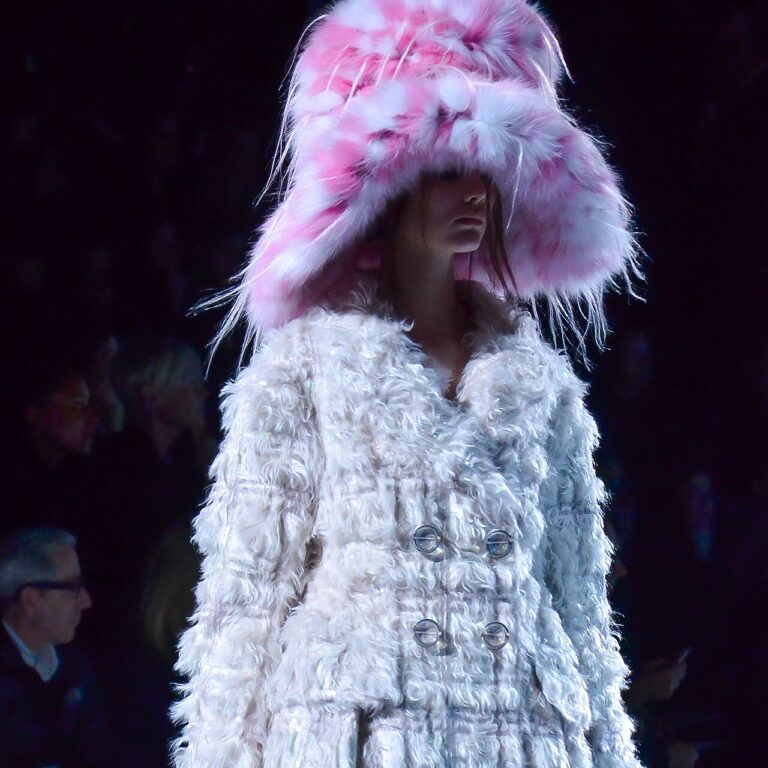
Sometime around 2021, the algorithm noticed a critical mass of teenage girls posting outfit videos to Hole songs. The hashtag #kinderwhore had been a quiet, mostly academic tag with a few thousand posts for years. By mid-2022 it had crossed twenty million views. By late 2023 it was unavoidable. The dress codes came back almost item-for-item: the cream slip dress, the visible bra strap as a feature rather than an accident, the baby barrette, the scuffed Mary Jane, the lipstick applied like a dare. Combat boots replaced Mary Janes for the more goth-adjacent wearers. Cardigans replaced jackets. Otherwise the silhouette was a frame-for-frame reconstruction of 1993.
What changed was the soundtrack. Where the original wearers were screaming over distorted guitars, the revival generation listens to Phoebe Bridgers, Mitski, boygenius, and one very specific pop star who studied the source material the hardest.
Olivia Rodrigo’s Wardrobe Department Did Their Homework
The Sour tour in 2022 and the Guts tour that followed were, costume-wise, an explicit homage. The plaid pleated skirts. The ripped tights. The slip dresses worn over band tees. The smudged eyeliner. The Mary Janes. Rodrigo namechecked Hole and the Breeders in interviews, dressed up as Courtney for Halloween, and built her entire visual identity off a look her core demographic had never personally lived through. Whether her fans clocked the references or not, the result was the same: millions of fourteen-year-olds dressed like a Babes in Toyland audience member from 1991, blissfully unaware they were cosplaying their parents’ youth.
What Is Different This Time Around
The 2020s version of kinderwhore is not a one-to-one revival. A few things have shifted, mostly for the better:
- The body politics moved. The original look was inseparable from a particular kind of starved, dissociated, heroin-shadowed thinness. The revival is being worn by women of every size and the slip dress has been recut accordingly. Reformation, House of Sunny, and a dozen indie labels now make the silhouette in genuinely inclusive ranges.
- The irony reads cleaner. Gen Z is not living the despair the original wearers were processing. They are reading it as costume, as reference, as historical sampling. The aesthetic is detached from the biography.
- The thrift-first ethic is back. Vintage slip dresses on Depop now command real money, but the cultural permission to thrift the look — rather than buy it new from a fast-fashion site — is louder than it was in either 1994 or 2014.
- It is no longer girls-only. The look has crossed gender lines in ways the original scene gestured at but never fully committed to. Slip dresses on men, baby barrettes on nonbinary kids, smeared lipstick on whoever feels like it.
How to Steal the Look in 2024 Without Looking Like a Costume
The trick to wearing kinderwhore in the 2020s without it reading as Halloween is the same trick it always was: do not match every piece. A slip dress with a cardigan and clean sneakers reads like spring. A slip dress with combat boots, ripped tights, and red lipstick reads like a music video. A slip dress with all of the above plus a plastic baby barrette, a band tee underneath, and smudged mascara reads like you have committed to a bit. Pick two anchors, let the rest stay normal. The original wearers were not in costume every day. They were assembling armor for stage. The look was strongest when it bled into the everyday — the slip dress to the grocery store, the Mary Janes to band practice, the barrette in a math class.
Thirty years on, the babydoll dress is no longer subversive. The Mary Janes do not provoke. The barrette is a TikTok prop. But the underlying message — that a woman can dress like a doll and still be the loudest, angriest, most uncontainable person in the room — is, somehow, finally getting the apology it deserved.
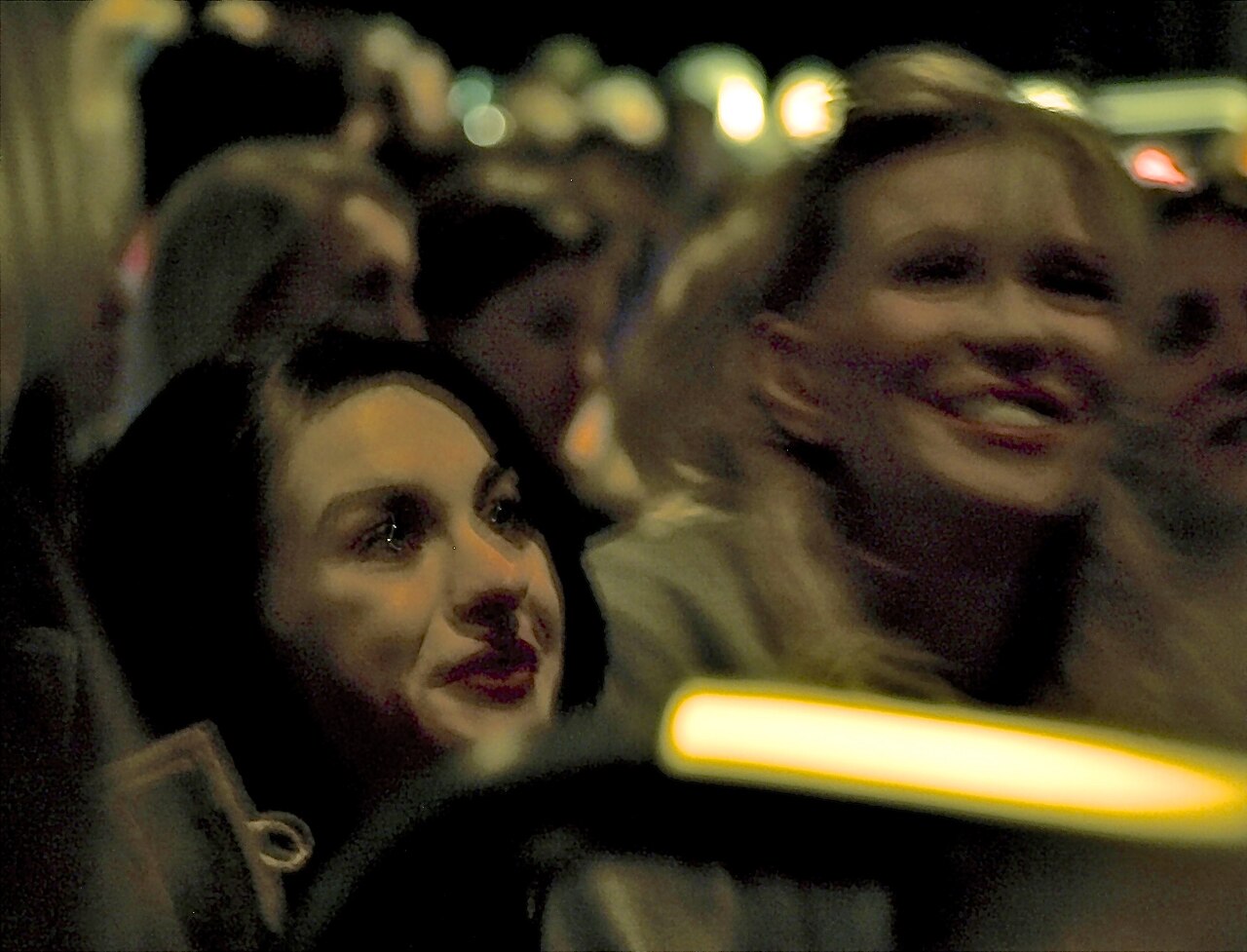
Courtney is going to hate that she was right. Kat is going to hate that nobody is sending her royalty checks. The slip dresses are going to keep moving units. And somewhere in suburban Ohio, a fifteen-year-old is going to find a torn cream slip in a thrift bin for four dollars and assume she just discovered the coolest thing anyone has ever worn. She is half right.
Sources
References and further reading on the kinderwhore aesthetic and the grunge resurgence in 2020s fashion:
- Kinderwhore — Wikipedia
- Courtney Love — Wikipedia
- Hole (band) — Wikipedia
- Babes in Toyland — Wikipedia
- Grunge — Wikipedia
- Vogue
- Rolling Stone
Browse retro and vintage-inspired apparel at the RetroRadical shop →
The Retro Almanac
A monthly roundup of "on this day" highlights from that month, decades back — plus first dibs on new retro merch drops. No spam, just the good stuff.