March 20, 1980: The Day Radio Caroline’s Mi Amigo Sank, Ending an Era of Pirate Radio
## The Ship That Rocked Goes Down
On March 20, 1980, the North Sea claimed one of its most famous residents. The Mi Amigo, legendary home of Radio Caroline, sank in gale force winds near the Thames Estuary, marking the dramatic end of one of Britain’s most beloved pirate radio stations. It was a night that would forever change the landscape of British radio broadcasting.
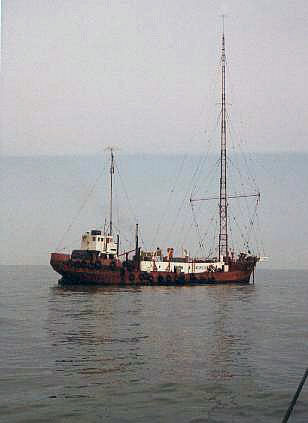
The Mi Amigo wasn’t just a ship; it was a cultural phenomenon. For over a decade, this converted former German sailing vessel had beamed rock and pop music across Britain from international waters, circumventing the BBC’s stuffy programming restrictions. When she went down that stormy March night, she took with her an era of rebellious broadcasting that had defined a generation.
## A Legacy Born from Rebellion
Radio Caroline began in 1964 as a direct challenge to the British broadcasting establishment. The BBC, which held a monopoly on radio in the UK, refused to play the rock and roll music that young people craved. Visionary Irish entrepreneur Ronan O’Rahilly saw an opportunity and seized it, launching a station that would broadcast from the high seas, beyond the reach of British law.
The Mi Amigo became Radio Caroline South in 1964, after a merger with rival pirate station Radio Atlanta. Anchored off the Essex coast at Frinton-on-Sea, the 107-foot vessel became the floating headquarters for a musical revolution. DJs like Tony Blackburn, Johnnie Walker, and Dave Lee Travis cut their teeth on the station, many later joining the BBC when it launched Radio 1 in response to the pirate radio phenomenon.
## Technology of the Times
The 1980s were a time of rapid technological change in both broadcasting and consumer electronics. While Radio Caroline was broadcasting from its aging ship, the world was embracing new forms of entertainment and communication.
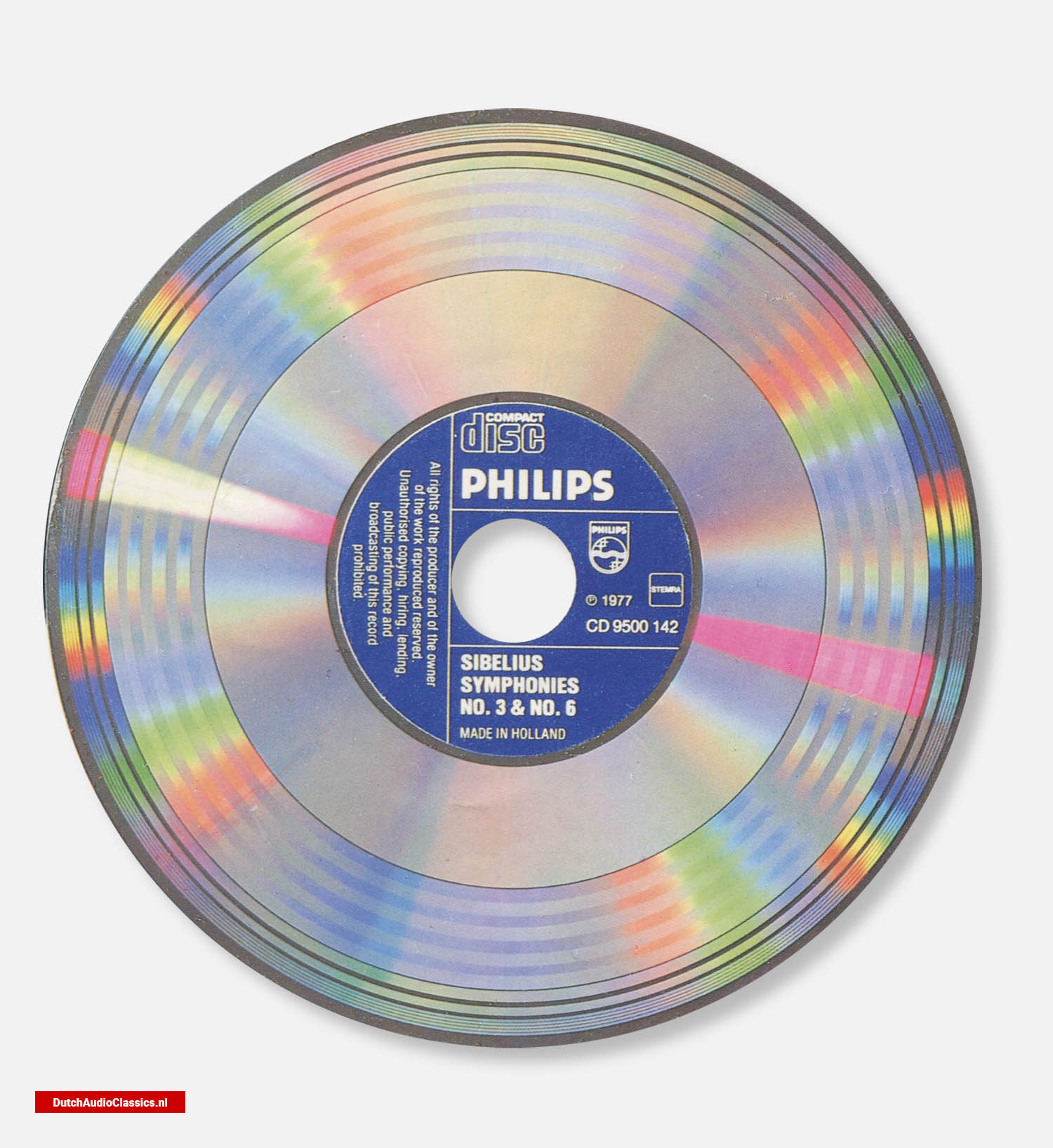
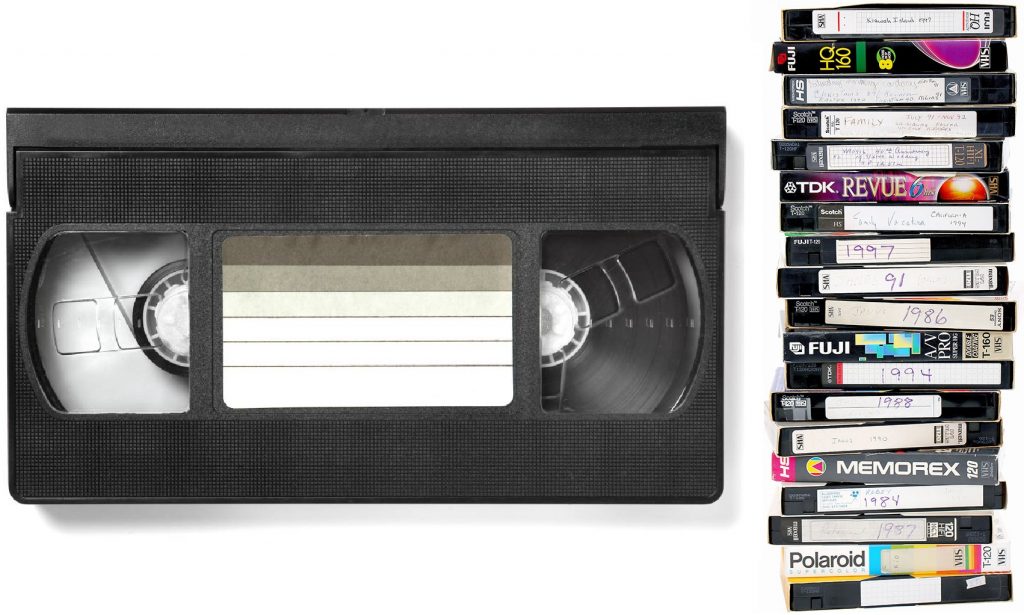
Compact discs were just beginning to appear in the early 1980s, promising perfect digital sound reproduction. Meanwhile, home video was exploding with VCR players becoming affordable for average households, giving people unprecedented control over their entertainment choices.
## The Final Broadcast
By March 1980, the Mi Amigo was showing her age. The 60-year-old vessel had been battling increasingly rough conditions, with aging equipment and structural problems. On the night of March 19-20, gale force 10 winds battered the ship, snapping her anchor chain and causing her to drift helplessly.
DJ Tom Anderson was among the last people aboard, later describing the vessel’s final hours: “The engine didn’t work properly, we had a rudder that slapped around all the time in the waves and we had no wheel to steer it with, but we had a radio station that worked.”
As water began flooding the hull, the crew made their final broadcast. In a moment of broadcasting history, DJ Stevie Gordon delivered Radio Caroline’s farewell: “We hope to be back as soon as possible, but for the moment we would like to say goodbye.” Tom Anderson added with characteristic British understatement: “It’s not a very good occasion really, we have to hurry this because the lifeboat is standing by.”

## Rescue and Legacy
The Sheerness RNLI lifeboat crew performed a dramatic rescue in the early hours of March 20, saving all four crew members and their pet budgie, Wilson (named after Prime Minister Harold Wilson, who had tried to shut down the pirates). The Mi Amigo sank in 25 feet of water on the Longsands Bank, leaving only her mast visible above the waves.
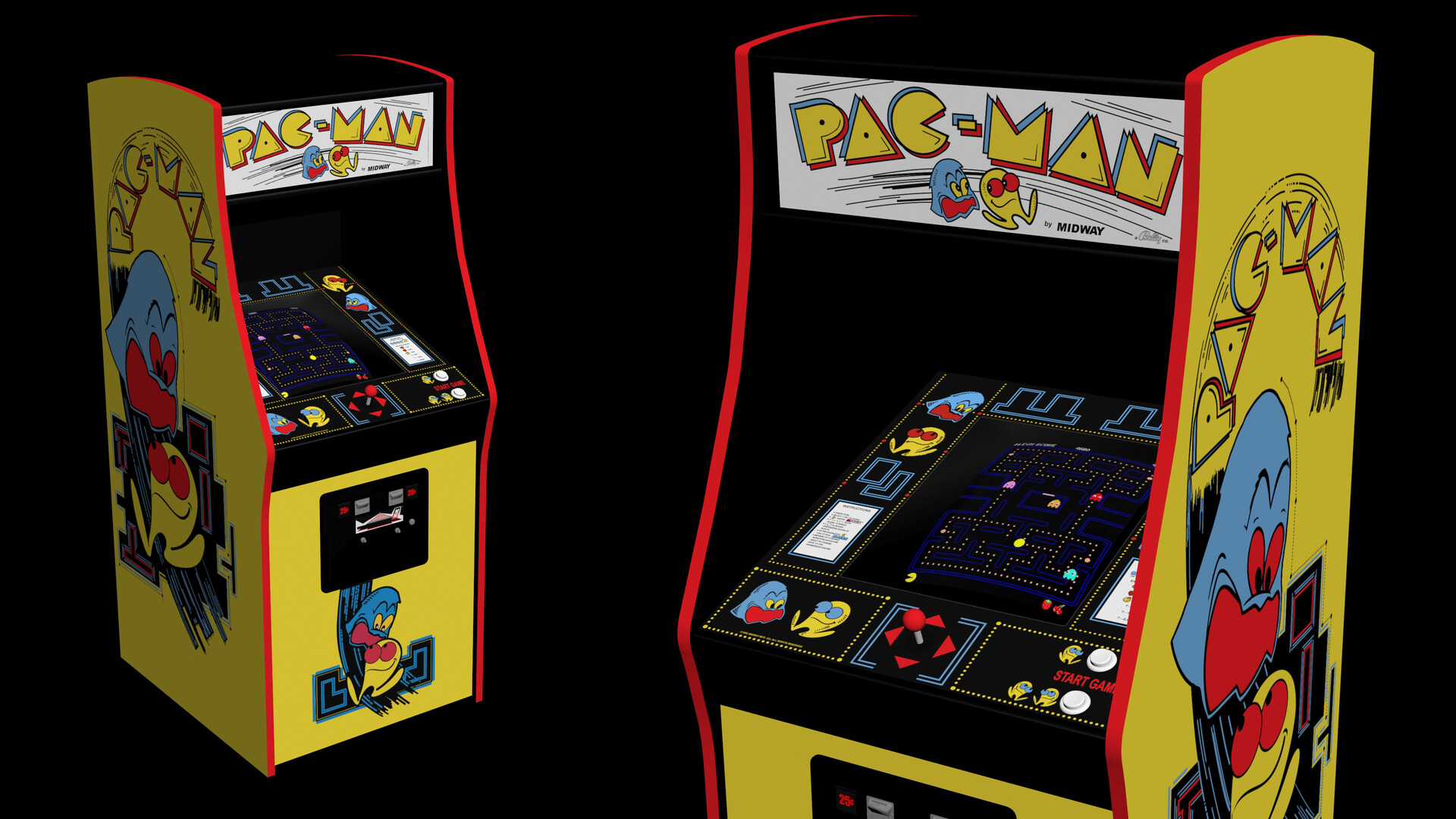
The timing was symbolic. 1980 marked a cultural shift – Pac-Man fever was sweeping the world, MTV would launch the following year, and the music industry was about to embrace the digital revolution. The sinking of the Mi Amigo represented the end of the analog, rebellious spirit of the 1960s and 70s.
## The 1980s Radio Revolution
While Radio Caroline struggled with aging ships and hostile governments, the 1980s saw an explosion in radio technology and formats. Portable radio equipment became more sophisticated, and new broadcasting techniques emerged.
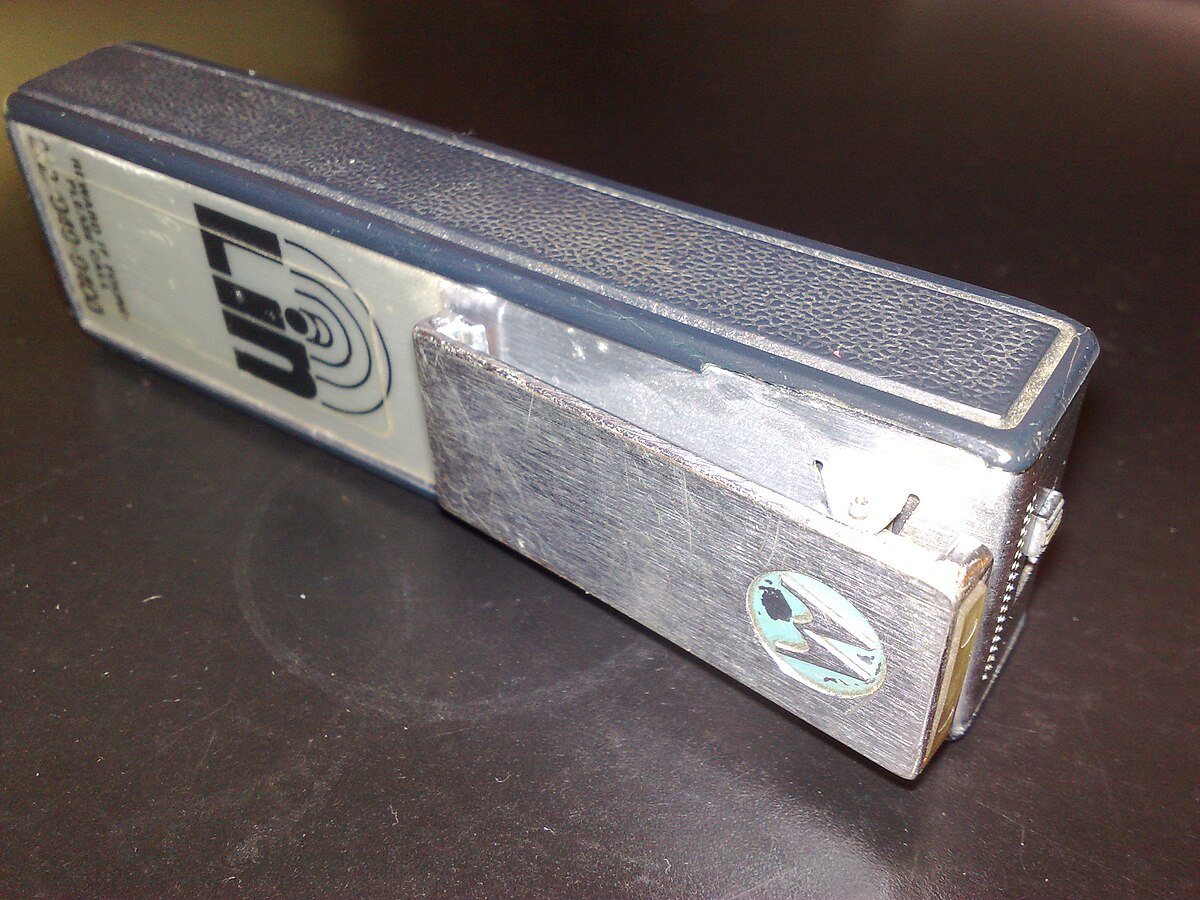
The decade brought us everything from portable pagers to early mobile phones, all relying on radio frequency technology that the pirate broadcasters had helped pioneer. The rebellious spirit of Radio Caroline lived on in new forms of communication that were democratizing access to information.
## Television Takes Center Stage
As radio evolved, television was becoming the dominant entertainment medium of the 1980s. Families gathered around their TV sets to watch everything from soap operas to music videos.

News of the Mi Amigo’s sinking spread quickly through traditional media channels, marking the end of an era that had begun with such promise and rebellion sixteen years earlier.
## The Undying Spirit
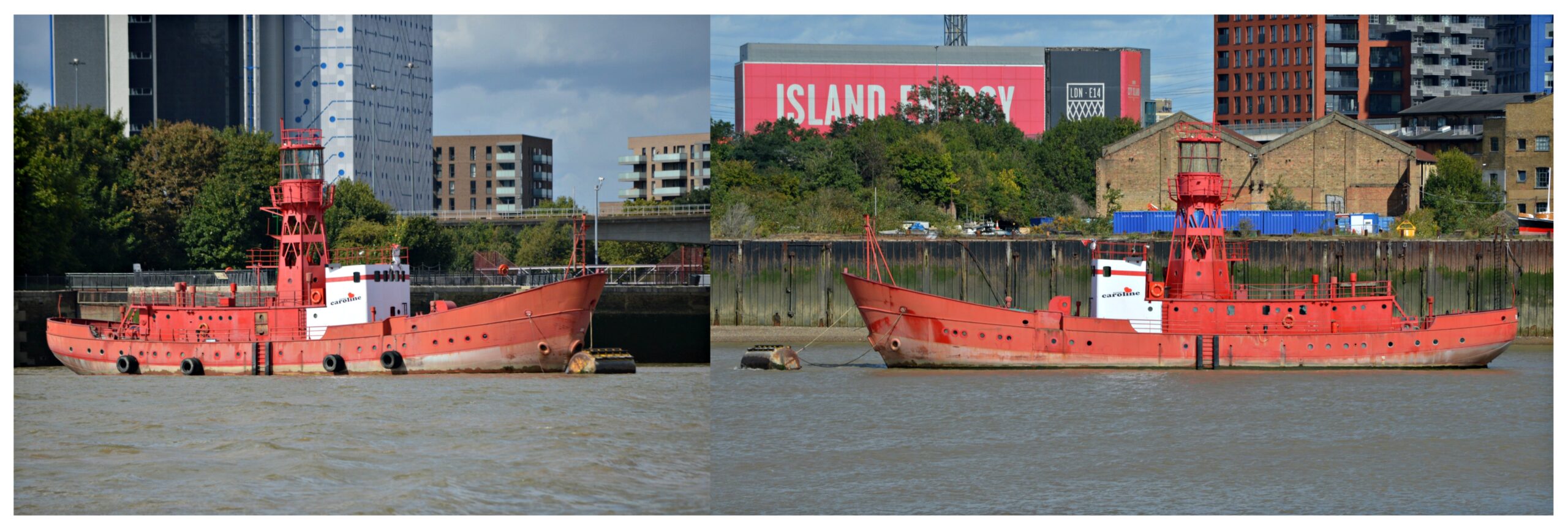
Though the Mi Amigo was gone, Radio Caroline’s story didn’t end on March 20, 1980. The station continued broadcasting from other vessels, including the Ross Revenge, which kept the pirate radio dream alive through the 1980s. Today, Radio Caroline broadcasts legally from Essex, having finally received an official license in 2017.
The sinking of the Mi Amigo on March 20, 1980, marked more than just the loss of a ship – it signaled the end of the freewheeling pirate radio era that had challenged the establishment and changed British broadcasting forever. The waves that claimed the Mi Amigo couldn’t sink the revolutionary spirit she represented, which continues to inspire broadcasters and music lovers to this day.
The ship that rocked may have gone down, but the music – and the rebellion – played on.