Michael Jackson Thriller: How a 14-Minute Video Changed Music Forever
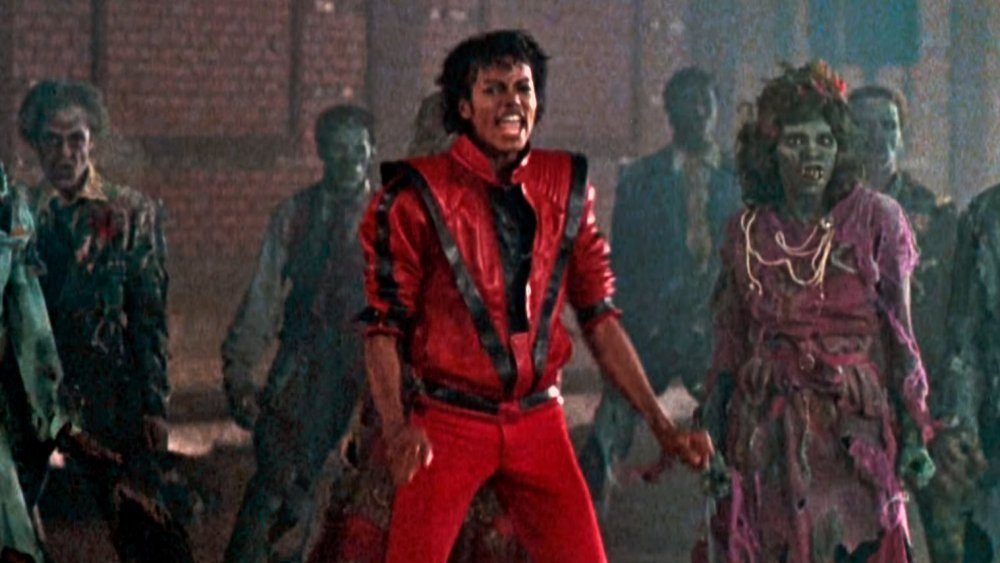
On December 2, 1983, MTV premiered a 13-minute film that the network had spent weeks agonizing over. They ran it once that evening. Then, because the phones would not stop ringing, they ran it again. “Thriller” — part horror film, part zombie musical, part showcase for the best makeup artist in Hollywood — had just permanently separated itself from everything else happening in music. More than four decades later, nothing has caught up.
The Video That Made MTV Change Its Rules
When Michael Jackson released “Billie Jean” in early 1983, MTV declined to add it to rotation. The channel’s stated reason was format: they played rock music, and R&B didn’t fit. The real problem was more visible to anyone paying attention. CBS Records president Walter Yetnikoff drew the line there. He threatened to pull the entire Columbia and Epic roster from MTV — every artist on two of the biggest labels in the world — unless the channel played “Billie Jean.” MTV folded. The song spent seven weeks at number one on the Billboard Hot 100.
But getting one song on the air was one battle. What Jackson and director John Landis built for “Thriller” was something MTV had never been asked to broadcast — a cinematic short film, nearly a quarter of an hour long, that required two commercial breaks to air like regular programming. Showtime and MTV each paid $250,000 to co-produce the video in exchange for premiere rights. That deal solved the funding problem. It also meant “Thriller” arrived with the marketing muscle of two cable networks behind it rather than just a label pressing for airtime.
The Retro Almanac
A monthly roundup of "on this day" highlights from that month, decades back — plus first dibs on new retro merch drops. No spam, just the good stuff.
The premiere changed the channel permanently. Before December 2, 1983, MTV had an unspoken ceiling on non-rock content. After “Thriller,” that ceiling was gone. The network that had stonewalled Black artists for two years spent the following decade becoming the launch platform for Michael Jackson, Prince, and Whitney Houston. MTV had only been on air for two years when Thriller premiered — the network was still figuring out what it was.
Landis, Baker, and a Budget Nobody at CBS Would Approve
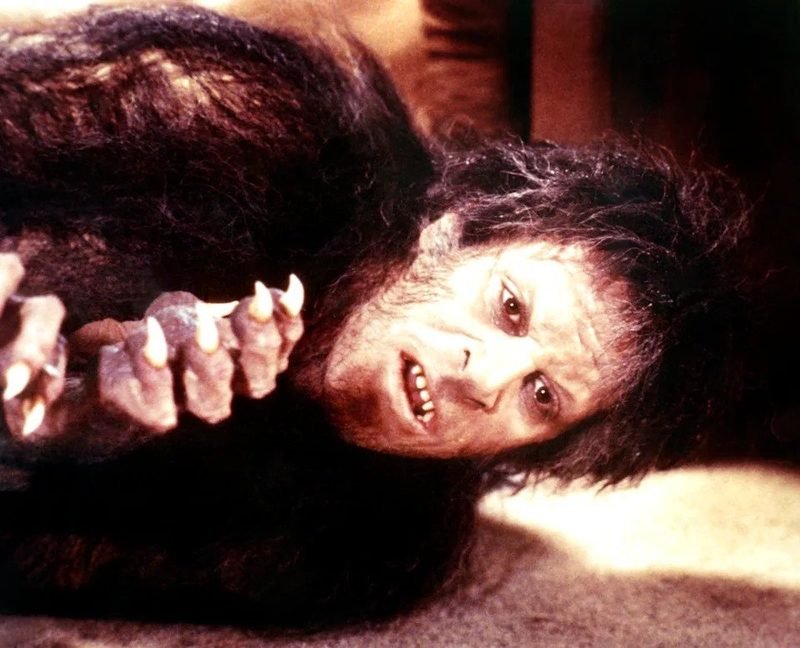
John Landis came to the project with one specific credit: An American Werewolf in London (1981). That film’s transformation sequence — a man converting into a wolf over several agonizing minutes — had won Rick Baker the first Academy Award ever given for makeup. Jackson had seen the film and knew exactly who he wanted behind the camera and in the makeup trailer.
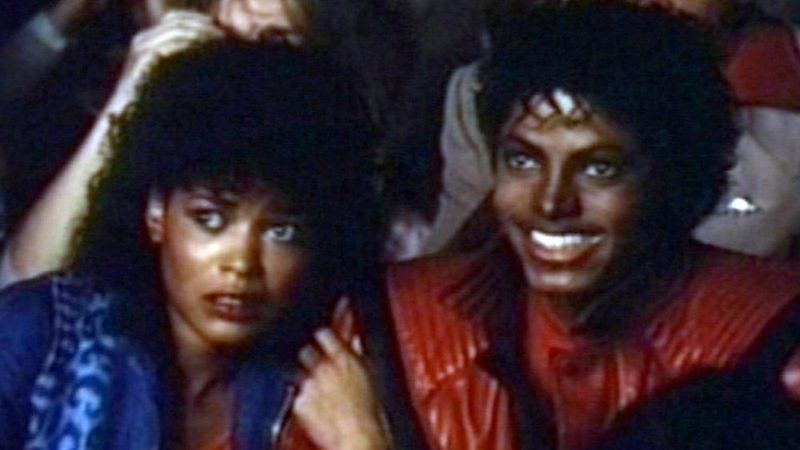
The budget request — $500,000, five to ten times what a standard music video cost in 1983 — was a problem. CBS refused to fund it. Jackson initially paid out of pocket, and it was only the MTV/Showtime co-production deal that brought the short film to full scale. For that money they got: 200 zombie extras, three days of location shooting across Los Angeles, original werewolf and zombie prosthetics designed by Baker, and a Vincent Price spoken-word cameo recorded in a proper vocal booth.
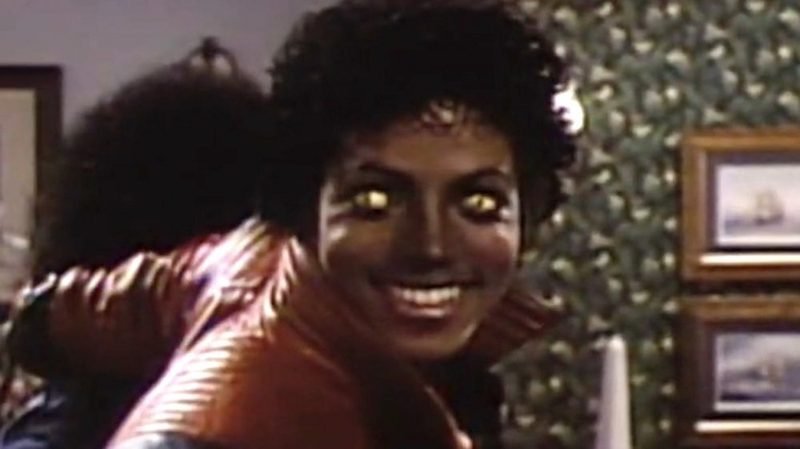
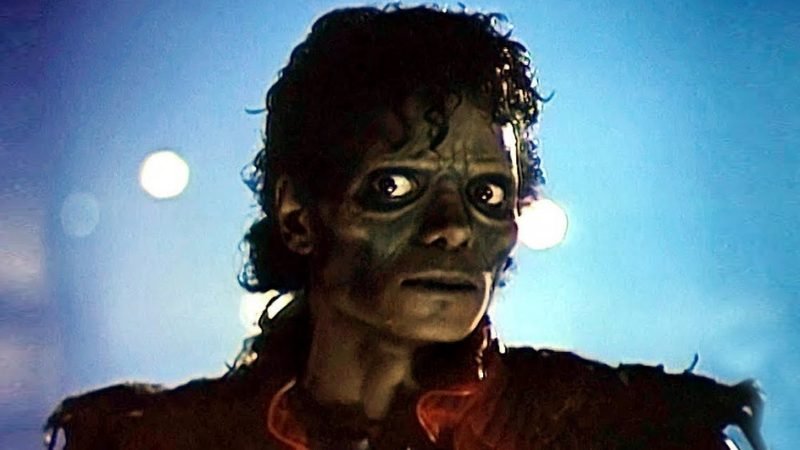
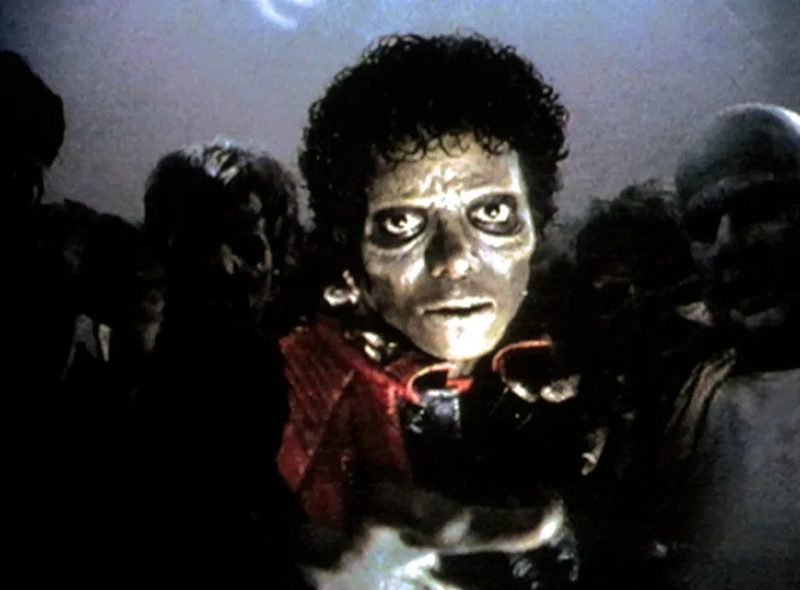
Baker’s transformation work on Jackson holds up by current standards. Getting MJ into full zombie makeup required more than five hours in the chair each day. The werewolf transformation that opens the video — Jackson hunching and growing fur as Ola Ray watches in horror — used the same foam latex prosthetics Baker had developed for An American Werewolf in London, modified for Jackson’s face structure. Baker later said the “Thriller” zombie design was intentionally built to anchor a real horror film, not just a promotional clip.
Vincent Price Did It in Two Takes. He Was 72 Years Old.
Rod Temperton wrote the song “Thriller,” and he also wrote the spoken-word section that Price delivers over a descending minor-chord groove in the final three minutes. The verse is essentially a Vincent Price impression of Vincent Price — theatrical dread, deliberate pacing, and the kind of practiced menace he had been building through forty years of horror films. Price completed the recording session in roughly two takes and was paid $20,000 for the afternoon.
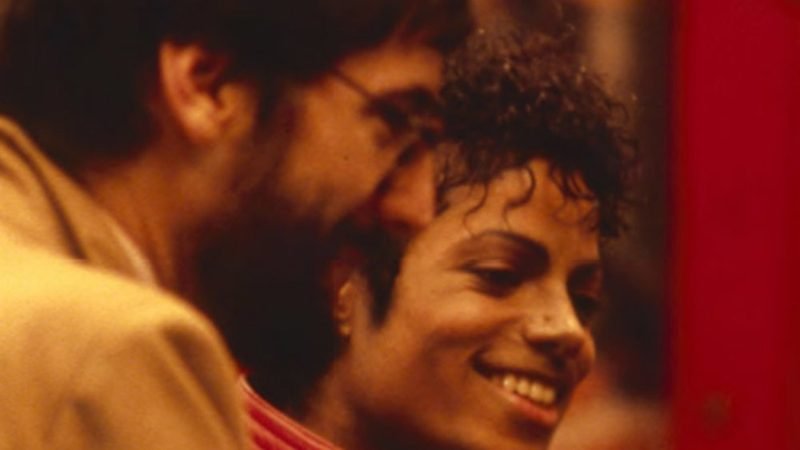
The laugh that closes his segment became a sample and a cultural touchstone on its own. Price later described the Thriller session as one of the most enjoyable afternoons of his career. He died in 1993, but the cameo keeps his voice in annual rotation in a way that his decades of film work — from House of Wax to The Fly to Edward Scissorhands — has never quite matched in isolation. Thirteen minutes of “Thriller” have given him more plays per year than most of his films.
The Choreographer Nobody Mentions
Michael Jackson gets credited for the Thriller dance, and that credit is deserved — he co-developed it. But the person who designed the zombie sequence and spent three days teaching it to over 200 extras in full prosthetics was Michael Peters. Peters had just finished choreographing A Chorus Line on Broadway. He also choreographed the “Beat It” video earlier in 1983. For “Thriller,” Peters built the signature lurch-and-drag zombie walk and expanded it into a synchronized group sequence executable by a large cast with restricted mobility and limited vision from their makeup.
The specific challenge was making the dancing look both dead and deliberate — as if zombies had learned choreography without appearing to have learned choreography. Peters worked from slow-motion footage of classic zombie films and built the group counts around that baseline. It took three full days of rehearsal. He won both an MTV Video Music Award and an Emmy Award for the work. Peters died in 1994 at 39, largely uncredited in popular retellings of the Thriller story.
Jackson Was a Jehovah’s Witness. He Almost Backed Out.
In 1983, Michael Jackson was an active Jehovah’s Witness. The denomination’s doctrine is unambiguous about occult themes: participation is prohibited. Making a horror-themed short film featuring zombies, a werewolf transformation, and explicit supernatural imagery put Jackson in direct conflict with his congregation, and by multiple accounts he nearly withdrew from the project before filming began.
The compromise was the disclaimer that appears at the video’s opening: “Due to my strong personal convictions, I wish to stress that this film in no way endorses a belief in the occult. — Michael Jackson.” That statement was Jackson’s condition for proceeding. It was not a PR hedge or a legal formality. He meant it. His congregation remained unsatisfied, and the friction contributed to a longer series of conflicts with the denomination. He was eventually disfellowshipped in the years that followed. The opening title card on the greatest music video ever made is, in the end, a sincere religious statement from a man who was genuinely uncertain whether making it was the right decision.
The Making-Of VHS Changed What Home Video Could Sell
“The Making of Michael Jackson’s Thriller” — the 58-minute documentary directed by Jerry Kramer and released by Vestron Video in late 1983 — became the first music home video to go platinum. It sold 350,000 copies in the United States alone in its first week on shelves. Before “Thriller,” nobody had proven that consumers would pay for a documentary about the making of a music video. After it, every major label started packaging behind-the-scenes content for VHS release as a standalone commercial product. The category that now includes DVD extras, director’s cuts, and streaming bonus content traces directly back to Vestron’s bet on this 58-minute documentary.
The documentary’s extended footage of Jackson in the makeup chair — more than five hours, broken across two shooting days — is candid in a way his public persona almost never was. He chatted with Baker about the prosthetics process, laughed with Landis between setups, and appeared visibly invested in every technical decision. It remains the most sustained look at Jackson as a collaborator and craftsman rather than a finished performance.
Why 40 Years of Competitors Haven’t Closed the Gap
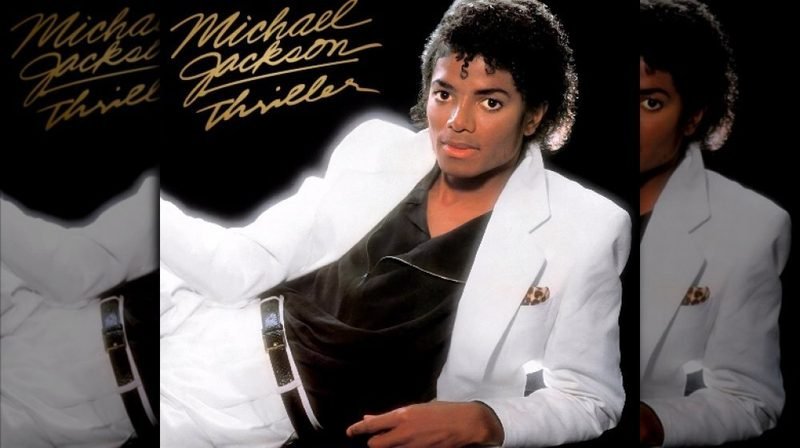
“Thriller” holds the Guinness World Record as the best-selling music video of all time. The zombie dance has been replicated in prison yards in the Philippines, in flash mobs across dozens of countries, and in Halloween performances that span three generations of participants every October. Michael Peters’ zombie walk — built for 200 extras in heavy prosthetics on a three-day shoot — became so embedded in popular culture that most people who replicate it today don’t register they’re imitating “Thriller” specifically. The gesture has escaped its source.
The reason the video has aged when most 1983 production hasn’t is structural. Landis built it around a real screenplay with a genuine third act: the horror reveal, the full zombie dance sequence, and a punchline final shot that recontextualizes the entire film. Most music videos of the era were performance clips or loosely connected concept pieces. “Thriller” had a beginning, a middle, and an ending that changed the meaning of what came before it. That’s a filmmaking technique, and it has held across four decades in a way that production value alone never could have.
The nearest competitors — Peter Gabriel’s “Sledgehammer,” A-ha’s “Take On Me,” Madonna’s “Like a Prayer” — are extraordinary pieces of work. None of them run 13 minutes. None required an Oscar-winning makeup artist, a co-production deal with two cable networks, and a religious disclaimer from the artist. “Thriller” was the one time in music video history when resources, talent, and cultural stakes all aligned at the same moment. Prince pushed the visual language of music even further the following year — the story of Purple Rain is a natural companion piece if you want to trace that arc. And for how MTV continued to evolve as a platform, how Yo! MTV Raps reshaped the channel picks up where this story ends.
Sources
- Biography.com — Michael Jackson: Behind the Scenes of His Iconic Thriller Music Video — production background, Rick Baker makeup details, budget context
- AllMusic — Fun Facts About Michael Jackson’s Thriller — Vincent Price session details, production timeline
- IMDb — Michael Jackson’s Thriller (1983 short film) — full production credits, cast, runtime
- Wikipedia — Michael Peters (choreographer) — career credits, Thriller and Beat It choreography, Emmy Award
- Guinness World Records — Best-Selling Music Video — VHS sales documentation
The Retro Almanac
A monthly roundup of "on this day" highlights from that month, decades back — plus first dibs on new retro merch drops. No spam, just the good stuff.