How Yo! MTV Raps Beamed Rap Into Every Living Room
Picture a weekday afternoon somewhere in the early 90s. The school bus has dropped you off, the backpack hits the floor, and before homework there is one sacred ritual: flipping to MTV and waiting for that unmistakable graffiti logo to explode across the screen. For millions of Gen X kids — in Ohio cul-de-sacs, Texas trailer parks, and California apartment blocks a thousand miles from the Bronx — Yo! MTV Raps was the front door to Golden Age hip-hop. It didn’t just play the music. It made the whole thing feel like it was happening in your living room.
When people talk about Golden Age hip-hop — that roughly 1990–1999 stretch when the art form exploded in ambition, style, and sales — they usually credit the producers, the DJs, and the coasts. All of that is true. But there is a quieter engine behind the takeover, and it had a channel number. Cable television, and one show in particular, is how a genre born on Bronx street corners became the soundtrack of an entire generation that had never set foot in New York.
The Show That Almost Never Aired
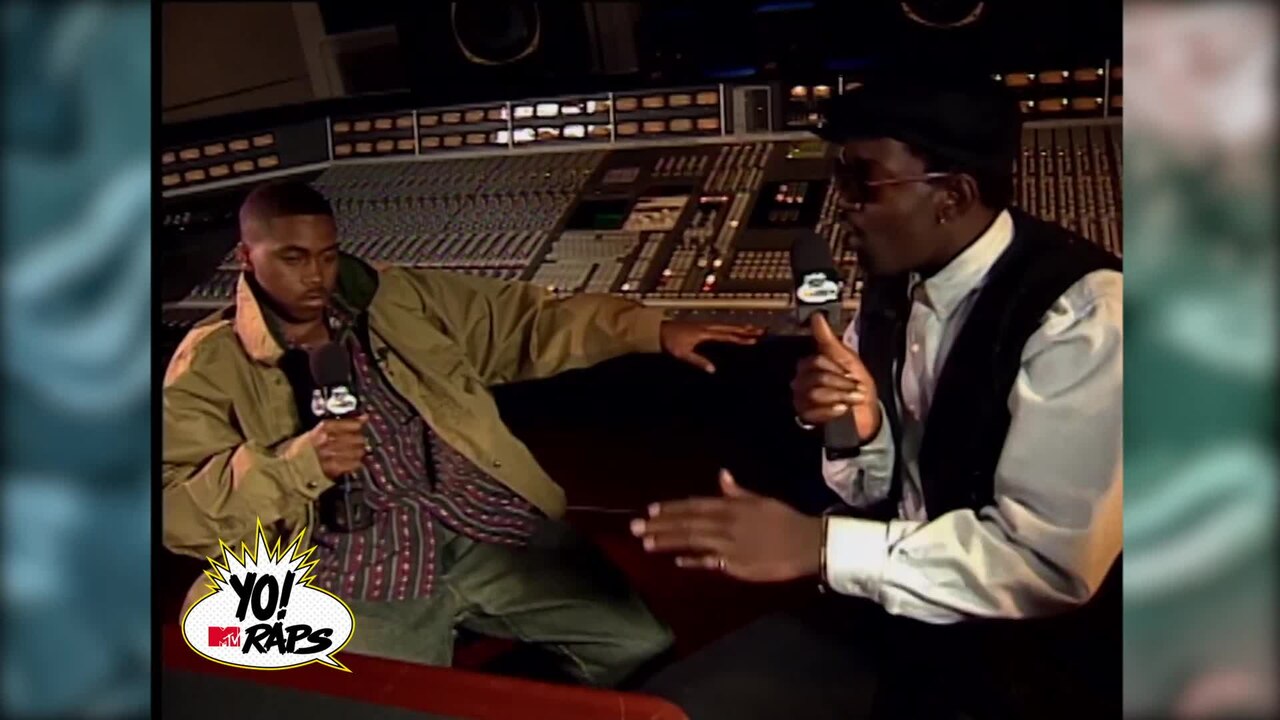
In 1988, MTV was a rock-and-pop machine. Executives were nervous about rap — worried it was too niche, too regional, maybe too risky for advertisers. When Yo! MTV Raps premiered that August as a weekend pilot, hosted by artist and Brooklyn scene-connector Fab 5 Freddy, nobody expected much. Instead, it posted some of the highest ratings in the network’s short history. Within a year it had a daily weekday slot, and the face of the franchise became a comedy duo: Ed Lover and Doctor Dré, whose goofball chemistry made the show feel less like a broadcast and more like hanging out with the cool older cousins who knew everybody.
The Retro Almanac
A monthly roundup of "on this day" highlights from that month, decades back — plus first dibs on new retro merch drops. No spam, just the good stuff.
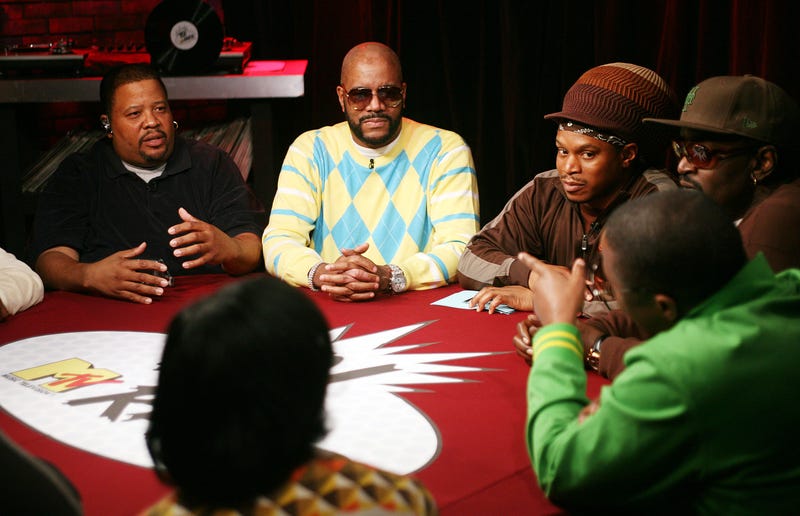
That casual energy mattered more than the ratings numbers ever captured. Fab 5 Freddy would jump in a car and cruise Compton with N.W.A, ride through Long Island with Public Enemy, or sit courtside with a rapper nobody outside the boroughs had heard of yet. For a kid in the suburbs, this was anthropology and entertainment at once. You weren’t just hearing the record — you were seeing the neighborhood, the sneakers, the slang, the jokes between takes. Hip-hop stopped being an abstract sound coming out of a boombox and became people you felt like you knew.
Distribution Was the Superpower
It’s easy to forget how hard music was to find in 1990. No streaming, no YouTube, no Shazam. If your local radio station wouldn’t touch rap — and in huge swaths of the country, it wouldn’t — you were out of luck. Record stores in small towns stocked whatever the distributor sent. A kid in Nebraska who wanted to hear the new Big Daddy Kane single had almost no legal way to do it on demand.

Cable erased that geography overnight. MTV reached tens of millions of homes, and once Yo! MTV Raps had a daily slot, a video shot on a shoestring budget in Queens could land in front of the same eyeballs as a Michael Jackson clip. Run-DMC had already kicked the door open in the mid-80s with rock crossovers, but the Golden Age acts walked through it en masse. Suddenly a label could break a record nationally without a single friendly radio programmer. The math of the music business changed, and the change flowed straight through a television set.
A Golden Age, Seen and Not Just Heard
The years the show dominated line up almost perfectly with hip-hop’s most creatively fearless run. This was the era of Public Enemy turning the sampler into a wall of controlled chaos, of A Tribe Called Quest folding jazz records into something warm and philosophical, of De La Soul painting in bright colors that nobody expected. Every one of those breakthroughs arrived in living rooms as a video — a look, a mood, a set of images stapled to the sound.

That visual layer shaped the culture as much as the beats did. Kids didn’t just memorize verses; they clocked the gear. The Africa medallions and daps of the Native Tongues crews. The all-black paramilitary look of Public Enemy’s S1W dancers. The Cross Colours and Karl Kani that would soon hang in every mall. When Wu-Tang Clan finally broke through in 1993 looking like nine dusty comic-book villains from Shaolin by way of Staten Island, half the appeal was that you could see how different they were from everything else on the channel.
There was a warmth to it, too, that gets lost in the later mythology of 90s rap as a series of beefs and tragedies. Ed Lover had a dance — a loose-limbed shuffle set to a specific Marley Marl beat — that became a nationwide inside joke. Artists showed up to freestyle, to clown around, to plug a tour. The show treated the biggest names and the brand-new signees with the same easy familiarity, and that democratic spirit told a generation of viewers that this world had a door, and the door was open.
The Suburban Audience Nobody Planned For
Here is the twist that reshaped the entire industry: a huge share of the audience watching Yo! MTV Raps looked nothing like the artists on screen. By the mid-90s, surveys consistently found that the majority of rap records were being bought in the suburbs, by white teenagers who had discovered the music through television. That crossover was double-edged — it fueled endless debates about authenticity, appropriation, and who the music was really for — but the commercial reality was undeniable. Cable had built a bridge, and traffic was pouring across it in both directions.
Record labels noticed. Budgets for videos ballooned. Artists started being marketed as personalities, not just voices, because the show had proven that charisma on camera translated directly into units sold. The whole apparatus of the modern music star — the interview circuit, the branded look, the crossover endorsement — got a dry run in that MTV studio. When Puff Daddy and Bad Boy turned the shiny-suit, big-budget video into an art form later in the decade, they were building on a lesson the golden age had already taught: if people can see you, people will follow you.
Why the Party Ended
The daily version of Yo! MTV Raps wrapped in 1995, with a legendary finale that packed the studio with what felt like the entire hip-hop world at once. The genre didn’t need the training wheels anymore. By then rap was topping the Billboard charts on its own steam, radio formats had flipped to embrace it, and MTV was spinning up new shows to keep pace with a culture it had helped set loose. The bridge had done its job so well that the bridge itself became optional.
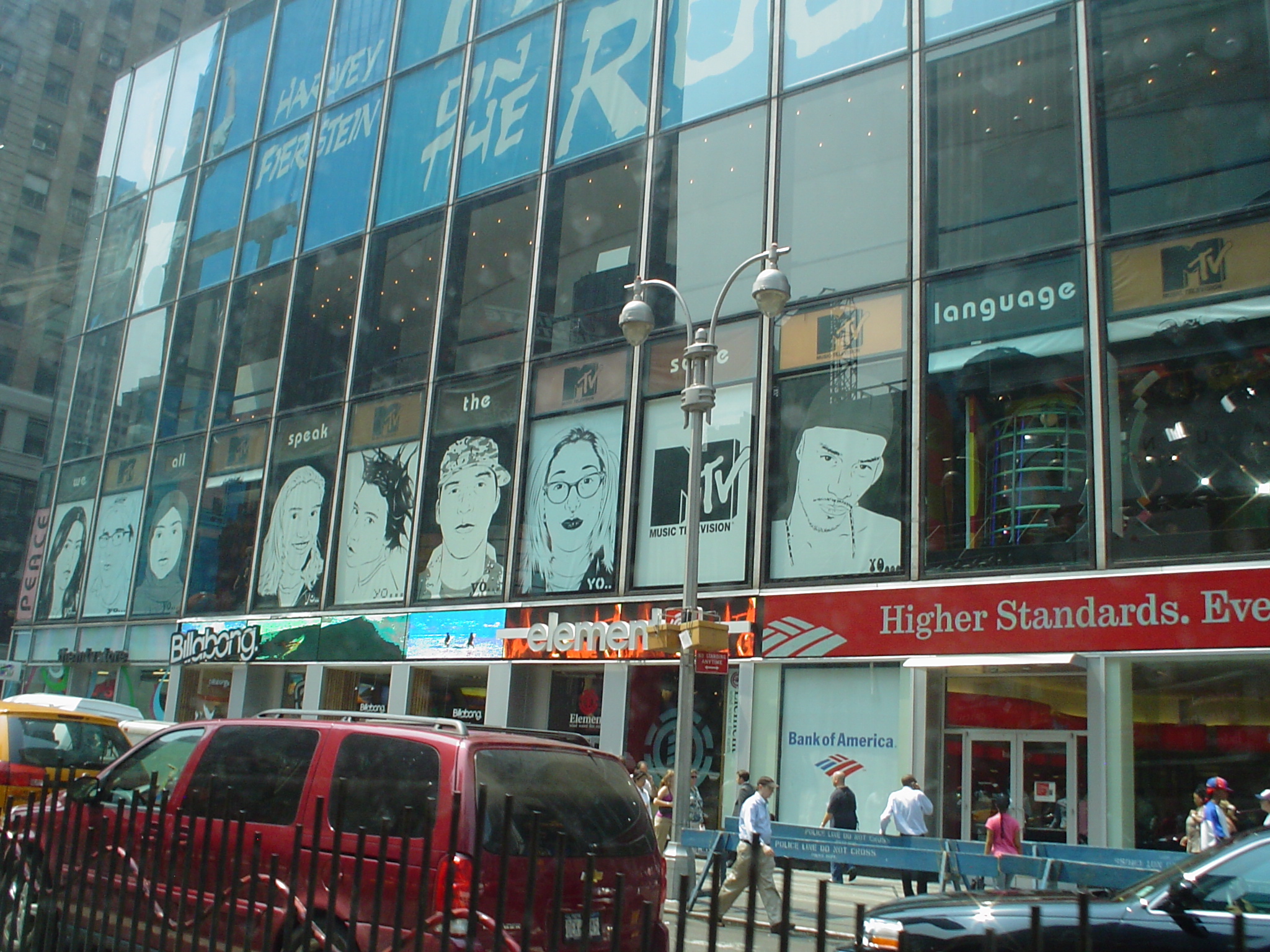
Look back now and the whole thing feels almost impossibly analog — a couple of hosts, a stack of videos, a graffiti backdrop, and a cable box wired into millions of homes. But that’s exactly why it worked. For a few golden years, before the internet flattened distance into nothing, one afternoon TV show carried the boldest music in America out of a handful of neighborhoods and into everybody’s living room. If you were a Gen X kid who learned every word to a Rakim verse without ever meeting a single person from the block that made it, you already know who to thank. You caught it on channel after channel, right after the bus dropped you off, back when the coolest thing in the world was just a flip of the dial away.
Sources
Browse retro and vintage-inspired apparel at the RetroRadical shop →
The Retro Almanac
A monthly roundup of "on this day" highlights from that month, decades back — plus first dibs on new retro merch drops. No spam, just the good stuff.