New Kids on the Block: The Boy Band That Invented 90s Fandom
In 1991, Forbes magazine published its annual ranking of the highest-paid entertainers in America. The list included Michael Jackson, Madonna, Prince, and Bill Cosby — and sitting above all four was a group of five guys from Boston who’d been nobodies seven years earlier. New Kids on the Block didn’t just have hit records. They built a fan infrastructure so large it functioned like its own industry, and every boy band that came after — Backstreet Boys, NSYNC, One Direction — owes its business model to what these five kids and one producer figured out first.
From Nynuk to New Kids on the Block: Boston’s Teen Idol Experiment
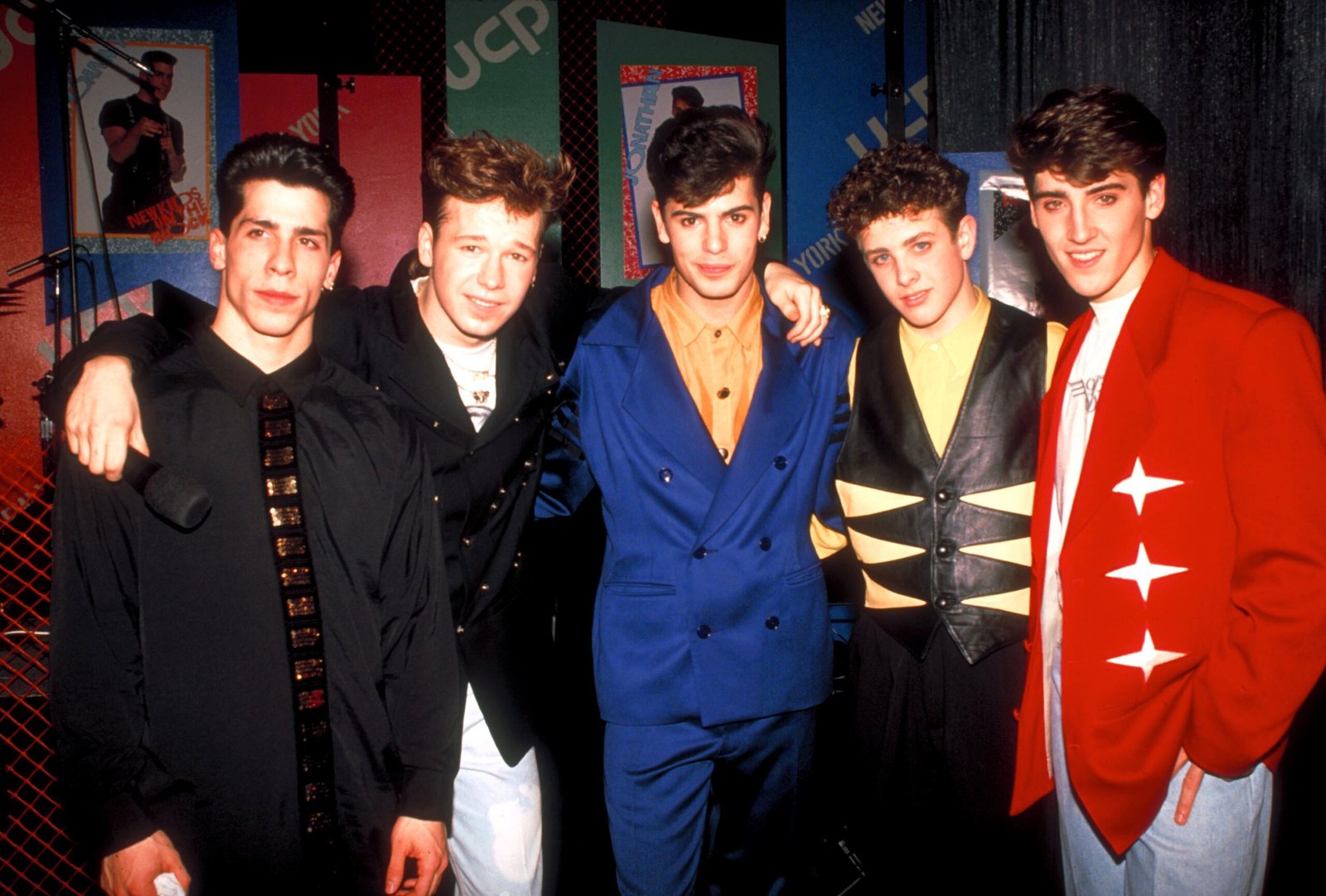
In 1984, producer Maurice Starr went looking for a white version of New Edition, the Boston R&B group he’d already built into stars. He picked five teenagers from Dorchester and South Boston and called the group Nynuk. One of the original five was 13-year-old Mark Wahlberg, younger brother of another member, Donnie Wahlberg — Mark quit after a few months, years before “Marky Mark” and his movie career existed, and never performed under the New Kids name. Starr filled the gap with Joey McIntyre, then 12, rounding out a final lineup of Donnie Wahlberg, Danny Wood, brothers Jonathan and Jordan Knight, and McIntyre. The group renamed itself New Kids on the Block, borrowing the title of a Donnie Wahlberg rap he’d written for their first album.
The Retro Almanac
A monthly roundup of "on this day" highlights from that month, decades back — plus first dibs on new retro merch drops. No spam, just the good stuff.
Hangin’ Tough Turns Five Unknowns Into a Phenomenon
Their self-titled 1986 debut flopped so badly that Columbia Records nearly dropped the group. Maurice Starr had originally aimed the music at Black audiences — the video for lead single “Please Don’t Go Girl” went to BET, and promotion focused on Black radio — before a pop station in Florida started playing it on its own and the song found a much wider, mostly white teen audience than Starr had planned for. That accidental crossover set up everything that followed. Everything changed with the second album, Hangin’ Tough, released August 12, 1988. By the end of 1989 it had gone eight-times platinum, and it eventually sold more than 15 million copies worldwide. Five singles from that one album reached the top ten — the first time a teen act had ever pulled that off. “I’ll Be Loving You (Forever)” hit No. 1 in June 1989, and the title track “Hangin’ Tough” followed it to No. 1 that October, by which point the band’s name alone could trigger screaming in a mall food court.
200,000 Members and 30,000 Letters a Day
What made New Kids different from earlier teen idols wasn’t just the music — it was the fan-club machinery built around it. By 1990, the official fan club had signed up more than 200,000 paying members, making it one of the largest in the country at the time. The club’s mailroom was processing roughly 30,000 letters a day, and the official NKOTB hotline — a dial-in line fans called for tour news and pre-recorded messages from the band — was fielding about 100,000 calls a week. No prior teen-pop act had operationalized its fandom at that scale; New Kids on the Block treated fan engagement like a call center, years before the internet made that normal.
A $400 Million Toy Aisle
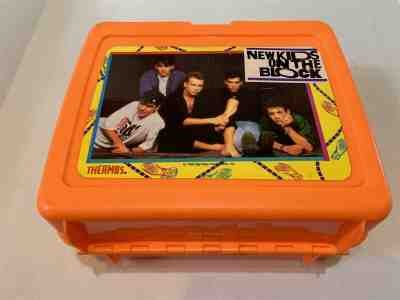
The fan-club numbers were just the subscription layer. In 1990 alone, New Kids on the Block got a 13-episode Saturday morning cartoon on ABC (produced by animation studio DiC, airing September 8 through December 14, 1990), two separate lines of dolls from toy maker Hasbro — “Hangin’ Loose” and “In Concert,” five dolls per set, some packaged with cassette tapes of the band’s songs — plus Thermos lunchboxes, trading cards, and comic books. By 1991, licensed New Kids merchandise alone was estimated at $400 million in sales. That’s the figure that pushed them past Michael Jackson, Madonna, Prince, and Bill Cosby on Forbes’ 1991 list of the country’s highest-paid entertainers.
The Magic Summer Tour Outsold the Rolling Stones
Backing their 1990 album Step by Step — which went triple platinum and sold close to 20 million copies worldwide — New Kids launched the Magic Summer Tour, sponsored by Coca-Cola. Running from April 1990 through February 1992 across roughly 100 cities in North America and Europe, the tour pulled in 3,291,987 in attendance during 1990 alone, narrowly edging out the Rolling Stones’ 1989 Steel Wheels Tour and making it the second-highest-grossing tour in North American history up to that point. Five kids from Boston were, briefly, a bigger concert draw than the Rolling Stones.
The Backlash: Lip-Sync Accusations and Rolling Stone’s Worst Band Vote
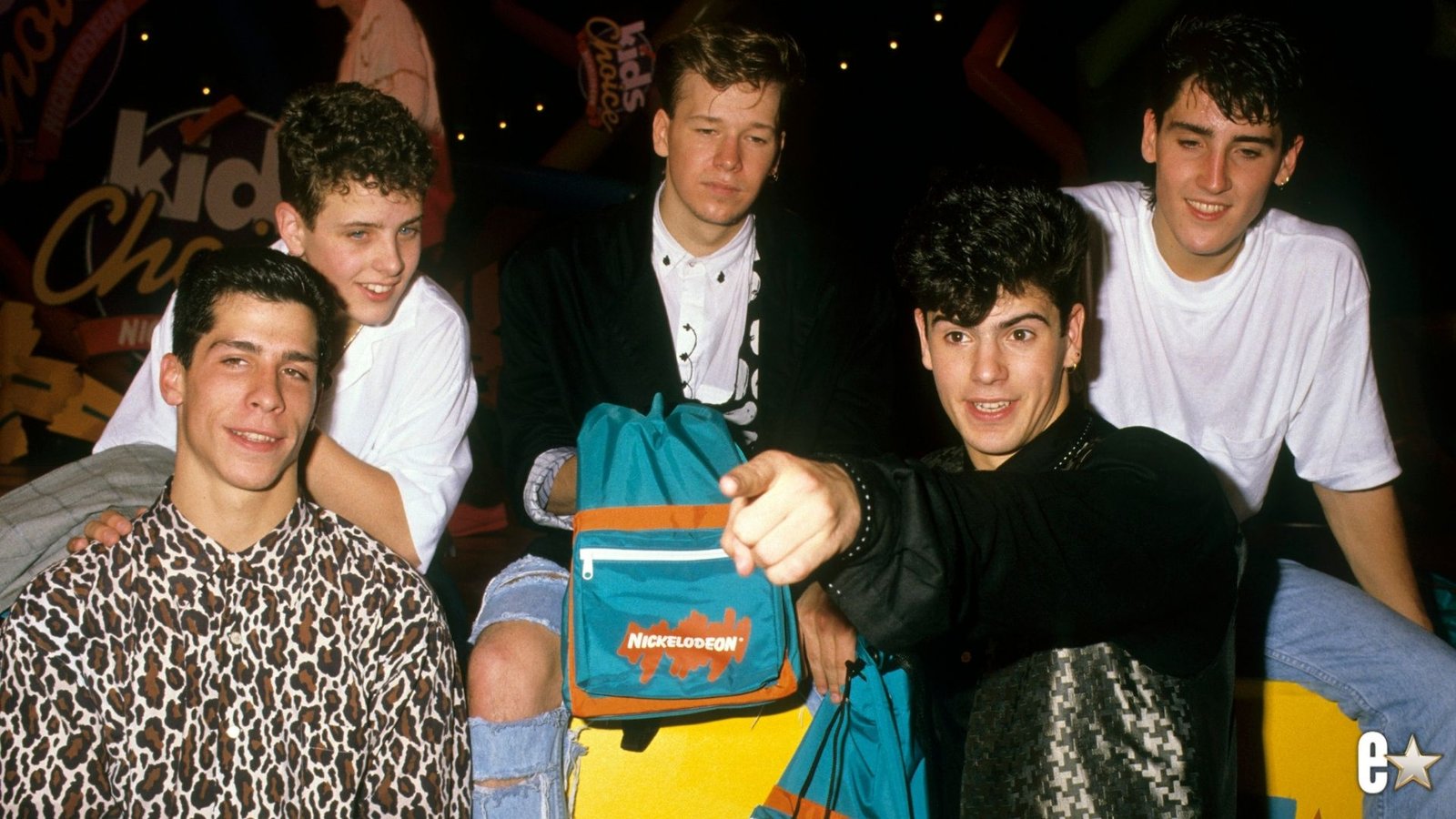
Fame that fast draws a correction. In March 1990, Rolling Stone’s own readers voted New Kids on the Block worst band and worst tour of the year, and named Hangin’ Tough worst album and its title track worst single. Then came a more serious hit: Gregory McPherson, a Berklee College of Music teacher who’d worked as associate producer on Step by Step, publicly alleged that Maurice Starr sang the group’s vocals and the band lip-synced them live. New Kids denied it, filed a countersuit against McPherson, and canceled tour dates in Australia so they could appear live on The Arsenio Hall Show, a late-night talk show known for booking musical guests, and sing without a backing track to prove the accusation wrong.
Breakup, Reunion, and the Blueprint Every Boy Band Copied
By 1994 the group could feel the teen-idol clock running out — most of them were in their twenties, singing songs written for preteens. In January 1994 they shortened their name to NKOTB and released Face the Music, a harder, more adult R&B and new jack swing album made with producers Teddy Riley, Walter Afanasieff, and Narada Michael Walden, written largely by the group itself instead of Maurice Starr. It was a real artistic pivot, and it didn’t work commercially — Face the Music sold a fraction of what Hangin’ Tough or Step by Step had, and New Kids on the Block parted ways in June 1994.
The imitators arrived before New Kids on the Block even broke up. In 1993, while the group was still touring, a Florida talent manager named Lou Pearlman — who’d grown fascinated watching New Kids rack up hundreds of millions in record, tour, and merchandise sales — placed a newspaper ad in the Orlando Sentinel looking for singers with “the New Kids on the Block look.” That search produced the Backstreet Boys, who went on to sell more than 130 million records worldwide, and Pearlman used the same formula again to build NSYNC. By the time New Kids on the Block actually broke up that June, their own copycats were already a year into existing. The fan-club-plus-merchandise-plus-arena-tour model New Kids pioneered became the industry playbook for every boy band that followed them through the 1990s and 2000s.
Where the Five Went During the Breakup
The 13 years between the 1994 split and the 2007 reunion weren’t quiet ones for any of the five. Donnie Wahlberg moved into acting, starting with the 1996 film Bullet opposite Tupac Shakur and going on to roles in Ron Howard’s Ransom, M. Night Shyamalan’s The Sixth Sense (1999), and three installments of the Saw horror franchise. Jordan Knight went solo and scored a platinum single, “Give It to You,” in 1999, then joined the cast of VH1’s reality show The Surreal Life in 2004. Joey McIntyre released solo records, landed a recurring role on the TV series Boston Public, and in 2000 — six years after the breakup — made his Broadway debut. Jonathan Knight stepped almost entirely out of public life and went into real estate. Danny Wood moved back to Boston, started his own record label, and kept working as a singer and producer behind the scenes. When the five rejoined in 2007, none of them needed the reunion to pay rent — which is part of why it worked.
Still Touring in Their 50s
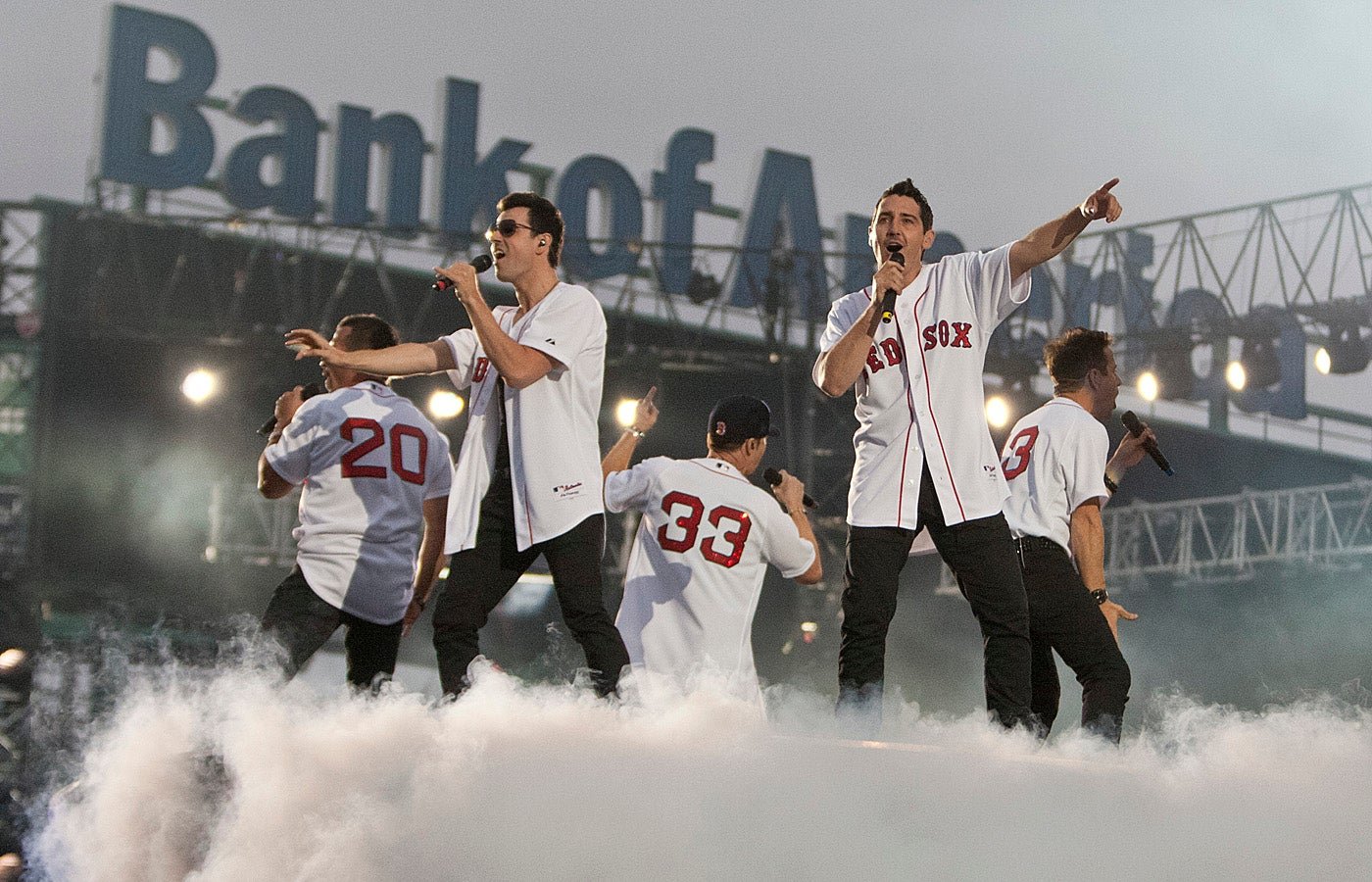
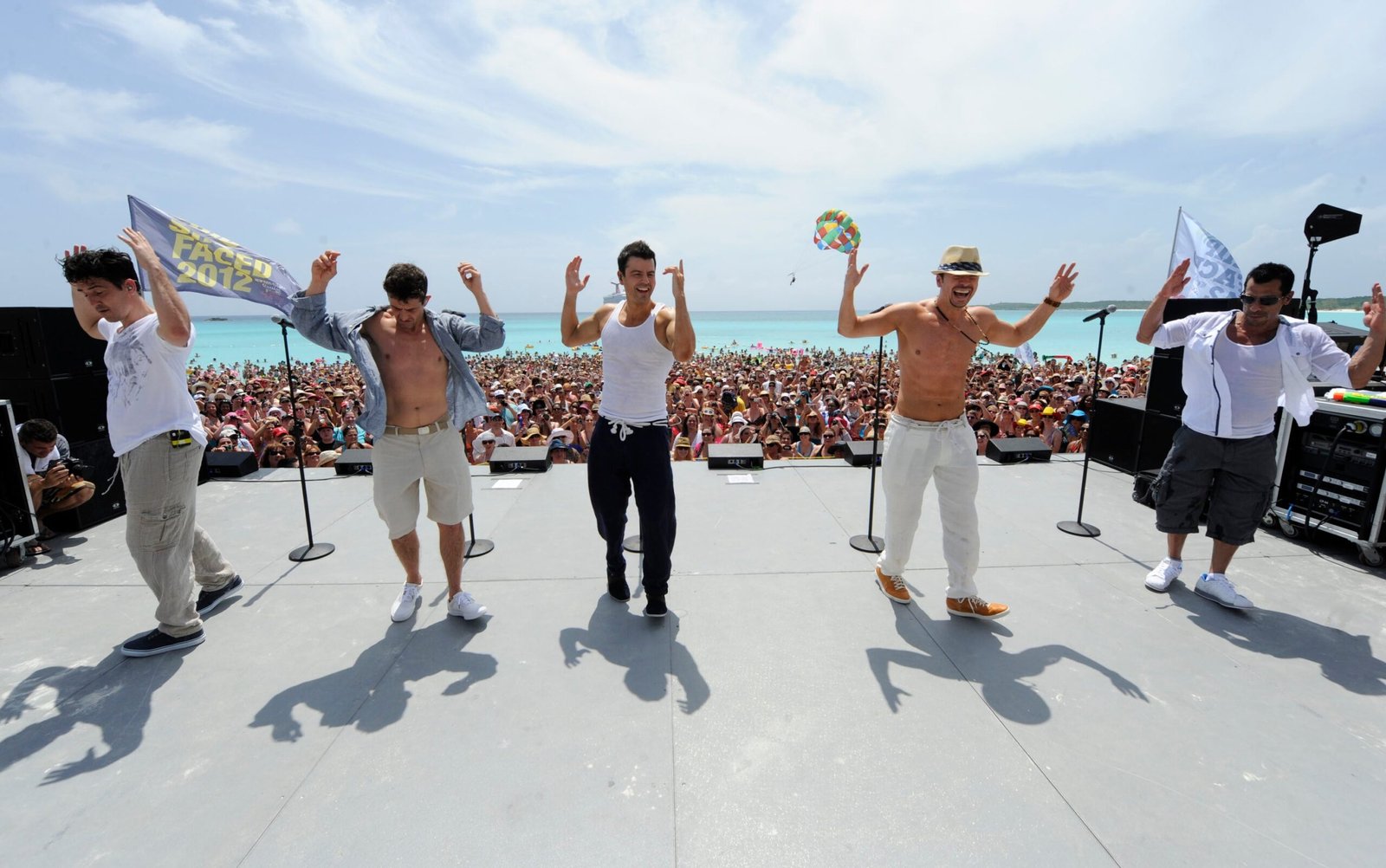
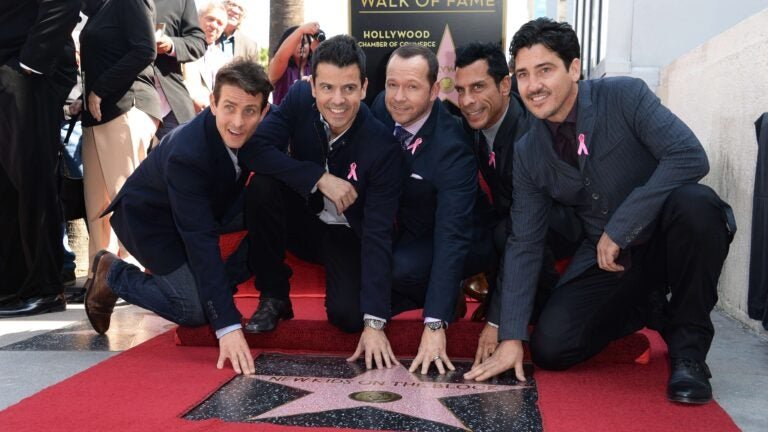
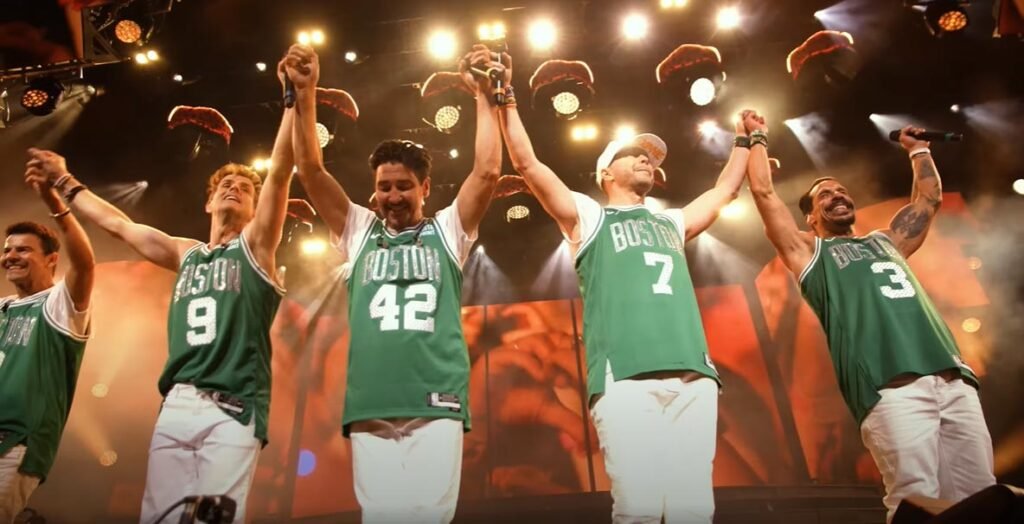
New Kids on the Block got back together to record new music in 2007 and have toured continuously since 2008. In 2011 they shared a stage with the group their own success had indirectly inspired, playing Fenway Park alongside the Backstreet Boys as NKOTBSB. In 2012 they were still packing crowds onto a beach for a Caribbean cruise show. On October 9, 2014, they received the 2,530th star on the Hollywood Walk of Fame, a campaign a fan from Leominster, Massachusetts had spent three years pushing for. In May 2024 they released Still Kids, their first full album in 11 years, toured that summer in Boston Celtics jerseys, and in June 2025 opened their first-ever Las Vegas residency, “The Right Stuff,” at Dolby Live, a concert arena inside the Park MGM casino resort.
Forty years after Maurice Starr picked five teenagers off the streets of Boston, the band he built is still selling out arenas, and the system he invented to sell them — the hotline, the dolls, the cartoon, the 200,000-member fan club — is still the template every boy band gets built on.
The Retro Almanac
A monthly roundup of "on this day" highlights from that month, decades back — plus first dibs on new retro merch drops. No spam, just the good stuff.