The Night the Source Awards Nearly Broke Hip-Hop in Two
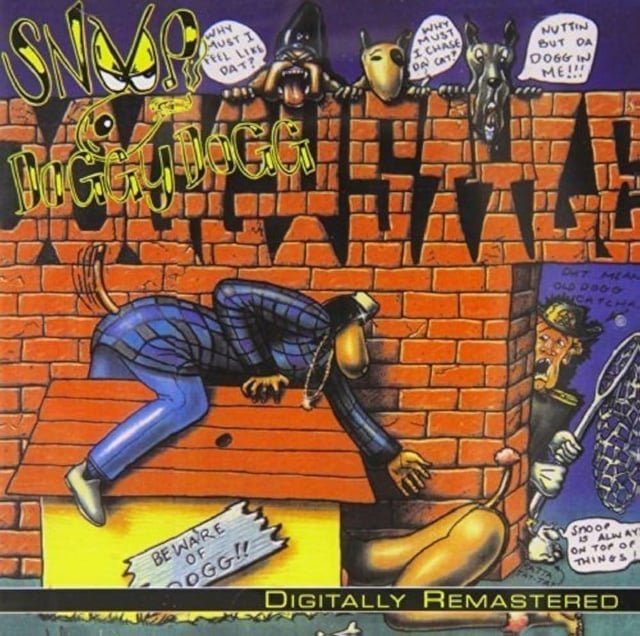
By the summer of 1995, hip-hop had officially outgrown the block parties and mixtapes that built it. Doggystyle had gone quadruple platinum, Ready to Die had turned a Brooklyn kid named Biggie Smalls into a star, and The Source magazine — the closest thing the genre had to a paper of record — decided the culture deserved its own award show. What happened on the night of August 3, 1995, at New York’s Paramount Theatre wasn’t the coronation anyone expected. It was the moment hip-hop’s simmering coastal rivalry stopped being industry gossip and became front-page news.
A Ceremony Built to Celebrate a Genre Still Fighting for Respect
The Source Awards existed because nobody else was going to do it. The Grammys had only just started acknowledging rap as a category worth televising, and mainstream award shows still treated hip-hop like a novelty act. The Source, founded by Harvard students turned tastemakers, built its award show as a statement: this music mattered, these artists mattered, and the culture was going to celebrate itself on its own terms.
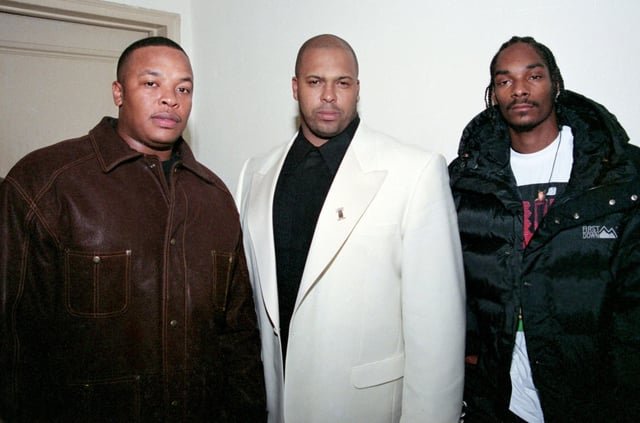
The lineup reflected just how much ground the genre had covered in a handful of years. Snoop Dogg and Dr. Dre represented a West Coast sound that had reinvented rap around slow-rolling G-funk basslines. The Notorious B.I.G. and an ascendant label called Bad Boy Records represented a New York sound clawing its way back into relevance after years of West Coast dominance on the charts. Both camps showed up that night expecting to be honored. Both camps left with a very different memory of the evening.
The Retro Almanac
A monthly roundup of "on this day" highlights from that month, decades back — plus first dibs on new retro merch drops. No spam, just the good stuff.
Suge Knight Takes the Microphone
Death Row Records co-founder Suge Knight was already one of the most feared men in the music business by 1995 — a former bodyguard and football player turned label boss whose reputation for intimidation was as well known as his artists’ record sales. When he took the stage to accept an award, he used the moment for something other than gratitude.
Knight told the crowd that if any artist wanted to be on a record where the executive producer didn’t try to be all up in the videos, all up in the music, then they should come sign with Death Row. It wasn’t a subtle line. Everyone in the room understood exactly who he meant: Bad Boy Records founder Sean “Puffy” Combs, who was well known for appearing in his artists’ videos and taking a hands-on production role across his roster.
Combs Responds From the Same Stage
Combs didn’t let the shot go unanswered. Later in the ceremony, when he took the stage himself, he addressed the room directly, saying he didn’t come to divide hip-hop, he came to unite it, and that anyone who wanted to be about that negative energy could not be down with him. The audience, split roughly down coastal lines, reacted accordingly — cheers from one side of the room, jeers from the other. What had been a subtext for months inside the industry was now something a live audience of thousands had just watched play out in real time.
Snoop Dogg Asks the Room a Question
The tension didn’t stay contained to speeches. When Snoop Dogg took the stage later that night, he was met with a chorus of boos from parts of the New York crowd — a hostile reception for one of the biggest-selling rap artists in the country. Snoop responded by asking the audience directly if they had love for Death Row in the house, a question that read less like a rhetorical flourish and more like a genuine attempt to gauge how far the room’s hostility actually went.
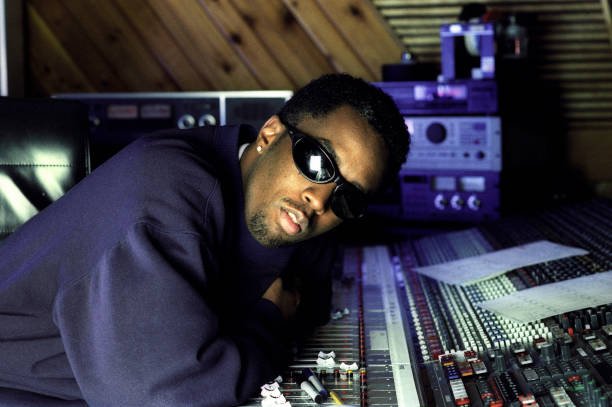
It was an uncomfortable moment captured on cable television, and it made clear that whatever was happening between Death Row and Bad Boy wasn’t limited to boardrooms and radio interviews. It had reached the fans, and the fans were choosing sides in front of the cameras.

A Rivalry That Didn’t Stay in the Room
Award show tension is nothing new — plenty of ceremonies produce an awkward speech or a booed acceptance and everyone moves on by the after-party. The 1995 Source Awards didn’t fade that way. Over the following months, the beef between Death Row and Bad Boy escalated through diss tracks, magazine interviews, and increasingly public accusations, pulling in two of the genre’s biggest stars: Tupac Shakur, who signed with Death Row that October after being bailed out of prison by Suge Knight, and The Notorious B.I.G., whose friendship with Tupac had curdled into open hostility amid suspicion over a 1994 shooting in New York.

What had started as a pointed line from a podium became a full-blown coastal rivalry that dominated hip-hop magazine covers for the rest of the decade. Radio stations picked sides. Fans picked sides. The music itself started reflecting it, with tracks from both camps carrying thinly veiled — and sometimes not veiled at all — shots at the other side.
Why One Awards Show Mattered So Much
It’s worth remembering what hip-hop looked like structurally in 1995. The genre didn’t yet have the institutional legitimacy it has today — no dedicated Grammy telecast slot, limited mainstream press coverage, and an industry still figuring out how to turn regional scenes into national empires. In that environment, an award show run by the culture’s own trade magazine carried enormous weight. It wasn’t just a party; it was one of the only stages where the genre got to define itself, on camera, for itself.
That’s part of why the Suge Knight speech landed as hard as it did. It happened at the one event built to showcase hip-hop’s unity and ambition, and instead it broadcast its deepest fracture to everyone watching. Groups like Wu-Tang Clan, who were also present that night navigating their own complicated relationship with both coasts, later spoke about how palpable the tension felt in the room — a feeling that didn’t come through in a magazine recap the way it did live.
The Aftermath Reshaped an Entire Decade of Music
The rivalry that the Source Awards exposed didn’t just generate headlines — it shaped how an entire generation of artists approached their careers. Labels became more territorial. Artists became more guarded about collaborating across coasts. And the tragedy that eventually followed, with both Tupac and The Notorious B.I.G. killed within a year of each other in 1996 and 1997, cast the entire 1995 ceremony in a different light in hindsight. What looked at the time like industry drama reads now as an early, very public warning sign of how dangerous the rivalry had actually become.
Death Row Records itself didn’t survive the decade intact either. Suge Knight’s legal troubles mounted through the late 1990s, and the label that dominated the mid-decade charts largely collapsed by the end of it. Bad Boy Records, by contrast, kept building, with Sean Combs going on to become one of the most influential executives in music history. Both outcomes trace back, in part, to a rivalry that first went fully public on a stage in New York in August 1995.
Looking Back at the Ceremony Today
Hip-hop historians and fans still debate exactly how much the 1995 Source Awards actually caused versus simply revealed. The tension between the coasts had been building for years before Suge Knight ever picked up that microphone. But there’s a reason the night keeps coming up in documentaries, oral histories, and retrospectives whenever anyone tells the story of the genre’s golden age: it was the moment the rivalry stopped being whispered about and started being watched, live, by the entire culture at once. For a genre that was still fighting for a seat at the mainstream table, it was proof of just how much was now at stake — and just how personal the competition for hip-hop’s future had become.
Sources
- Wikipedia: The Source Awards
- Wikipedia: Death Row Records
- Wikipedia: East Coast–West Coast Hip-Hop Rivalry
The Retro Almanac
A monthly roundup of "on this day" highlights from that month, decades back — plus first dibs on new retro merch drops. No spam, just the good stuff.