
How a $5,000 Sampler Built the Sound of 90s Hip-Hop
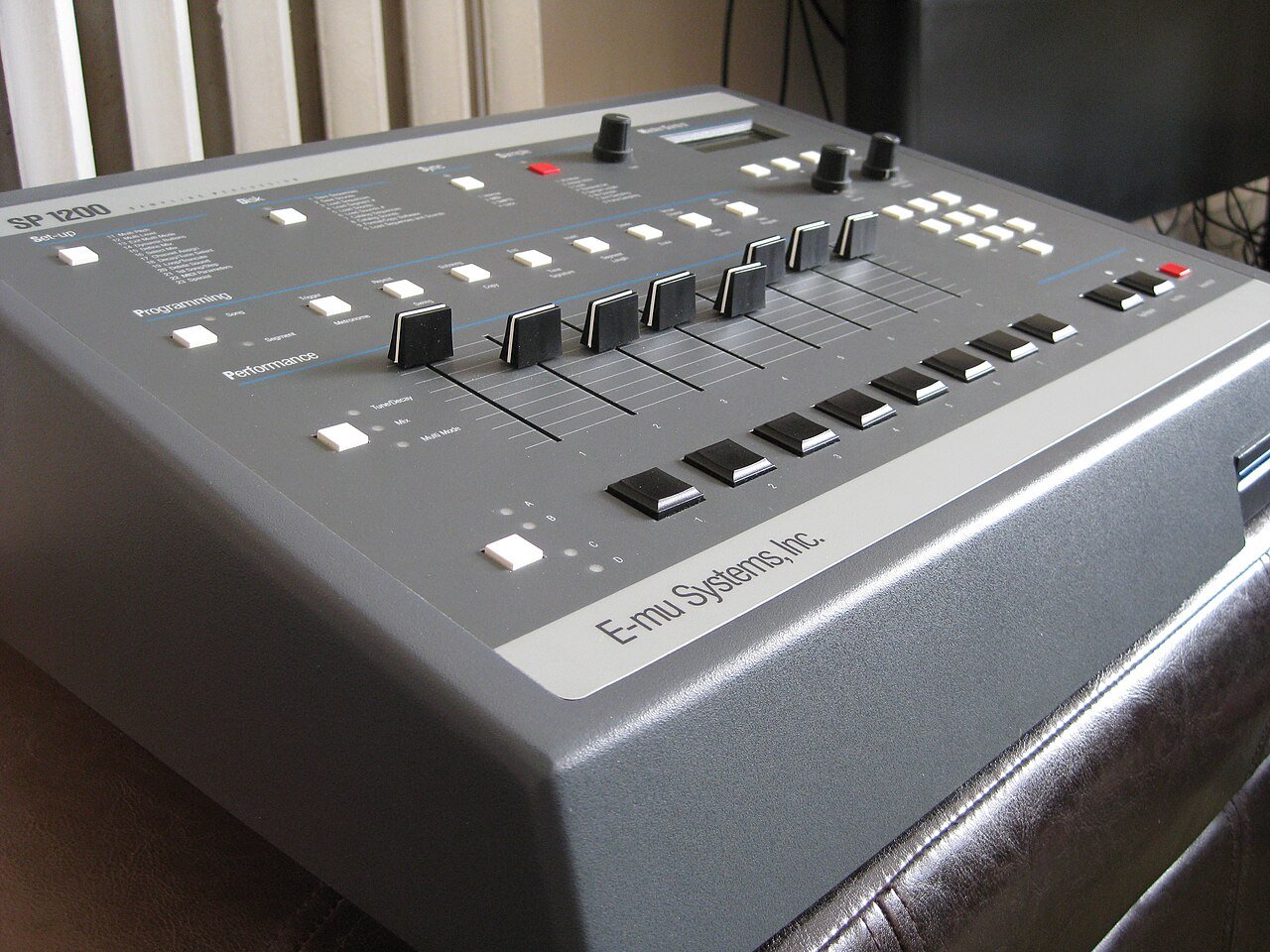
Ask any Gen X hip-hop head what made the Golden Age sound the way it did and you’ll get a dozen different answers — the rhymes, the rivalries, the vinyl crates stacked to the ceiling in a Brooklyn basement. But underneath almost every classic record from 1990 to 1999, there’s a piece of gray plastic hardware most casual fans have never heard of: the E-mu SP-1200. It couldn’t sample more than ten seconds of audio. Its sound quality was, by any technical measure, bad. And it is arguably the single most important instrument in the history of hip-hop production.
The SP-1200 wasn’t built for hip-hop. E-mu Systems designed it in 1987 as an affordable drum machine and sampler for working musicians, a cheaper alternative to studio gear that cost tens of thousands of dollars. But a generation of producers — broke, self-taught, working out of bedrooms and basements — found something in its limitations that expensive gear couldn’t give them: grit.
A Drum Machine With a Ten-Second Memory
The SP-1200’s defining trait was also its biggest handicap. It sampled at 26.04 kHz with 12-bit resolution — well below CD quality — and gave producers roughly 10 seconds of total sample time to work with, sometimes less depending on how the memory was split across pads. Compare that to a modern laptop that can hold entire albums in RAM, and the SP-1200 looks like a toy.
The Retro Almanac
A monthly roundup of "on this day" highlights from that month, decades back — plus first dibs on new retro merch drops. No spam, just the good stuff.
But those ten seconds forced a kind of discipline that shaped the entire aesthetic of the era. Producers couldn’t just loop a four-bar break and call it a day. They had to chop a record into pieces — a snare hit here, a horn stab there, a bassline sliced into two-bar fragments — and reassemble them by hand, pad by pad, into something new. The SP-1200 didn’t just play samples back. It forced producers to compose with them.
Why the Flaws Became the Sound
The 12-bit sampling rate introduced a specific kind of digital distortion — a low-fi, slightly crushed, almost gritty quality that engineers at the time considered a limitation. Producers heard something else: warmth. Paired with the natural surface noise of the vinyl records being sampled — the pops, hiss, and crackle of a record that had been played a hundred times — the SP-1200 produced a texture that no clean digital sampler could replicate. That combination of 12-bit crunch and vinyl dust is, to a huge number of hip-hop fans, simply what a beat is supposed to sound like.
There’s also the matter of swing. The SP-1200’s sequencer had a particular feel to its timing — not quite mechanical, not quite human — that producers learned to manipulate by nudging notes off the grid. That subtle imperfection in the rhythm became inseparable from the genre itself. Golden Age boom bap doesn’t sound stiff because the people programming it on SP-1200s and Akai MPCs deliberately pushed and pulled the pocket until it breathed.
The Producers Who Swore By It
DJ Premier of Gang Starr built his entire career on the SP-1200, and his fingerprints — the way he chopped vocal snippets into new hooks, the way his drums hit with a specific mid-90s snap — are all over records that defined the decade. Pete Rock, whose horn-driven, soul-sampling style on records like Mecca and the Soul Brother became a genre unto itself, worked the same machine, squeezing entire arrangements out of a handful of seconds.
Large Professor used it to build the foundation of Main Source’s sound and later handed a version of that sonic DNA to a young Nas, whose 1994 debut Illmatic — produced across sessions with Premier, Pete Rock, Large Professor, Q-Tip, and L.E.S. — is still cited as the high-water mark of SP-1200-era boom bap. Marley Marl, who’d been chopping breaks on earlier samplers since the mid-80s, helped establish the entire vocabulary the SP-1200 generation would build on.
Then there was the RZA, who took the SP-1200’s low-fi character to its logical extreme on Wu-Tang Clan’s 1993 debut, Enter the Wu-Tang (36 Chambers). RZA has talked openly about deliberately degrading his samples further, running them through cheap equipment to make them sound even dustier and more damaged — a raw, kung-fu-movie grime that became Staten Island’s signature and one of the most influential production styles of the decade.
Enter the MPC
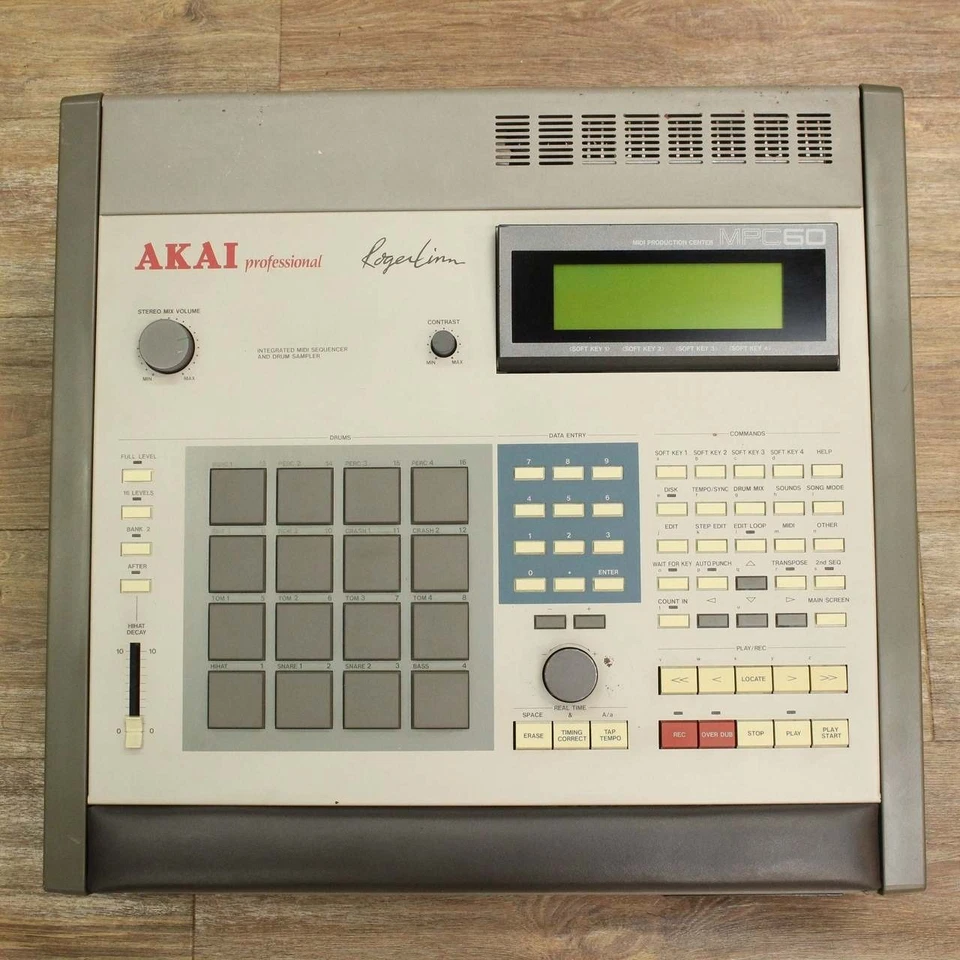
As the decade wore on, Akai’s MPC line — first the MPC60, then the MPC3000 — started to edge into SP-1200 territory. The MPC offered longer sample times, more polish, and eventually became the dominant sampler of the back half of the 90s and into the 2000s. Q-Tip of A Tribe Called Quest leaned on the MPC’s jazzier, cleaner sample manipulation to build the group’s signature sound, and plenty of SP-1200 loyalists eventually migrated over once the MPC’s own strengths — particularly its beloved swing feature — proved it wasn’t just a cleaner substitute but an instrument with its own character.
Still, plenty of purists never switched. To them, the MPC was cleaner, more capable, more professional — and that was exactly the problem. The SP-1200’s ugliness was the point.
The Crates Behind the Machine
None of this mattered without raw material, and the SP-1200 generation turned record digging into its own discipline. Producers spent weekends in dollar bins at mom-and-pop record shops, thrift stores, and estate sales, hunting for obscure jazz, funk, and soul LPs that hadn’t already been picked over by every other beatmaker in the five boroughs. A single drum break, buried four minutes into a record nobody remembered, could become the backbone of a hit nobody else would ever trace back to its source — at least not until sample-ID culture caught up decades later.

That crate-digging ethic became inseparable from the sampler itself. The SP-1200’s ten seconds of memory meant every second of vinyl a producer chose to sample was a deliberate, almost surgical decision. There was no room for waste, and that scarcity is part of why so many Golden Age beats feel so tightly constructed — every element earned its place.
Why It Still Matters
E-mu stopped making the SP-1200 in the early 90s, but the machine never really went away. Original units, many of them decades old and held together with replacement parts, now sell for thousands of dollars on the used market — more than they cost new. Boutique companies build modern clones just to chase that specific 12-bit crunch. Producers who weren’t even born when Illmatic came out still hunt down original hardware because software plugins, no matter how accurate, have never quite nailed the feel of the real thing.
That’s the strange legacy of the SP-1200: a machine built to be functional, undone by its own limitations, that ended up defining the sonic identity of an entire decade. The Golden Age of hip-hop wasn’t just about who could rhyme the hardest. It was built, quite literally, ten seconds at a time.

Sources
- E-mu SP-1200 — Wikipedia
- Akai MPC — Wikipedia
- Illmatic (Nas) — Wikipedia
- Enter the Wu-Tang (36 Chambers) — Wikipedia
- DJ Premier — Wikipedia
The Retro Almanac
A monthly roundup of "on this day" highlights from that month, decades back — plus first dibs on new retro merch drops. No spam, just the good stuff.