
How Native Tongues Turned Hip-Hop Into a Family Reunion
Before crews were rivals, they were cousins. Here’s how De La Soul, A Tribe Called Quest, the Jungle Brothers, and Queen Latifah built the most laid-back empire in Golden Age hip-hop.
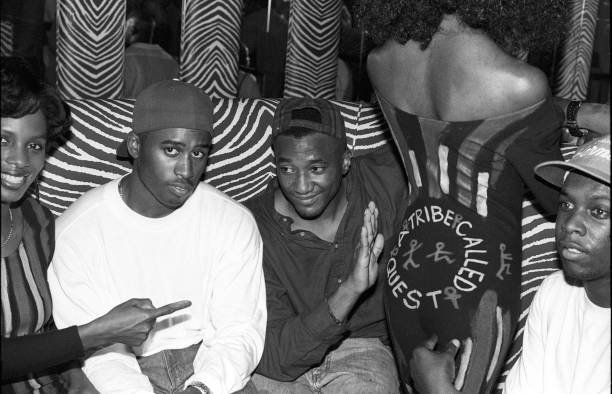
Before crews were rivals, they were cousins. Here’s how De La Soul, A Tribe Called Quest, the Jungle Brothers, and Queen Latifah built the most laid-back empire in Golden Age hip-hop.
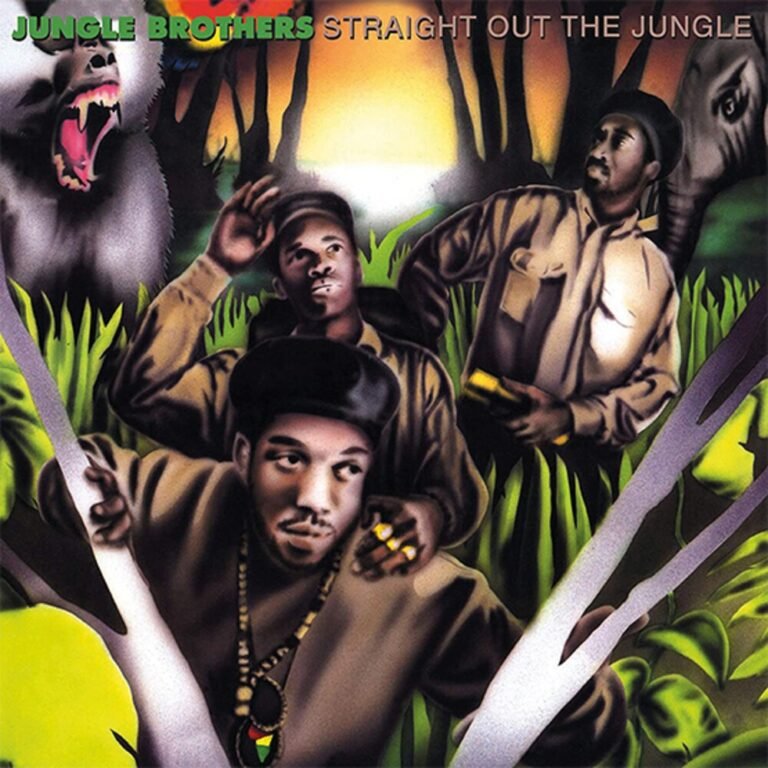
Long before hip-hop split into charts and camps, a loose family of Queens and Brooklyn rappers proved the genre could be strange, tender, and jazzy all at once. This is the story of the Native Tongues.
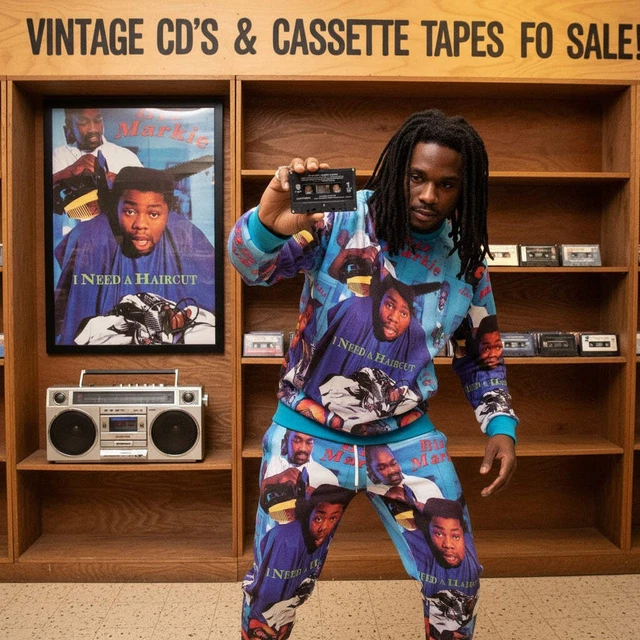
In 1991, a federal judge pulled Biz Markie’s album off shelves over an uncleared sample — a courtroom fight that quietly forced Golden Age hip-hop to change how it was made.

Before Kendrick. Before Kanye. Four kids from Queens made the Golden Age of hip-hop sound like the best afternoon of your life — and changed everything in the process.

The MCs got the credit. But before the mic, there was the beat — and the producers who built it changed American music forever.

From Public Enemy to A Tribe Called Quest, the conscious rappers of the Golden Age used the microphone to say what the nightly news wouldn’t — and built a movement that still echoes.
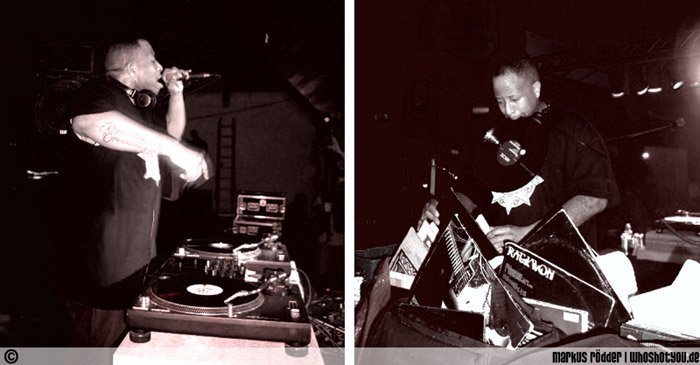
Before the MCs stepped to the mic, the producers had already built the world. DJ Premier, Pete Rock, Q-Tip, RZA, and J Dilla didn’t just make beats — they created the sonic architecture of hip-hop’s greatest decade.
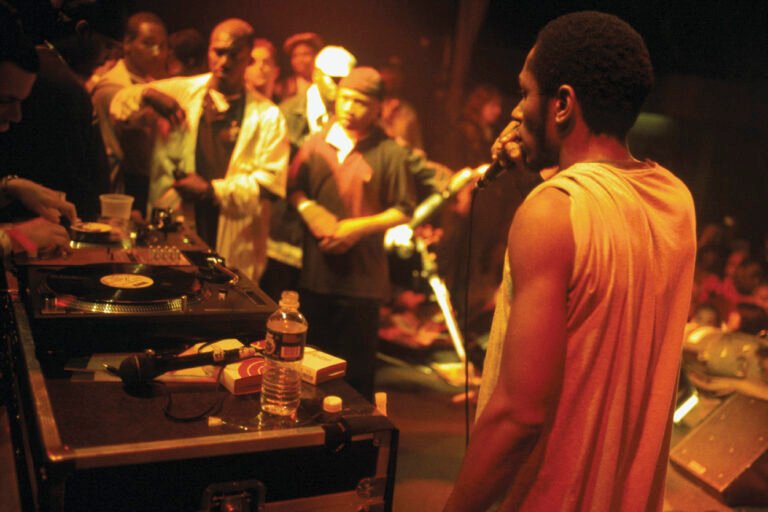
While Puff Daddy threw platinum parties, a quieter revolution was happening in record shops and late-night radio. The story of the Golden Age underground that refused to sell out.
In the Golden Age of hip-hop (1990–1999), the rap album stopped being a bag of singles and became a start-to-finish work of art — from Illmatic to 36 Chambers.
The Golden Age of hip-hop wasn’t just about the rappers. It was built by producers hunched over dusty vinyl and cheap drum machines, chopping soul records into the boom bap sound that still rules headphones today.

While the airwaves filled with hardcore posturing, a loose crew of Long Island and Bronx kids dressed in daisies and dashikis quietly rewired what Golden Age hip-hop could be about.
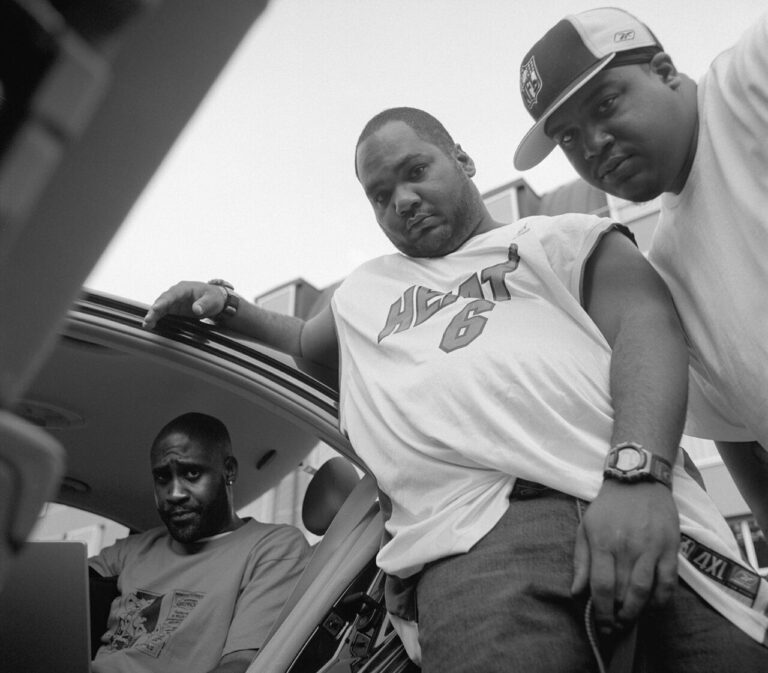
The Golden Age of hip-hop (1990–1999) wasn’t built by lone geniuses — it ran on crews. Inside the collectives, camps, and clans that turned the decade into rap’s greatest era.