How Grunge Killed Hair Metal: The 1991 Rock Revolution
How a scrappy Seattle scene in muddy flannel dethroned the most glamorous era in rock history—and why a generation raised on MTV never quite got over it.
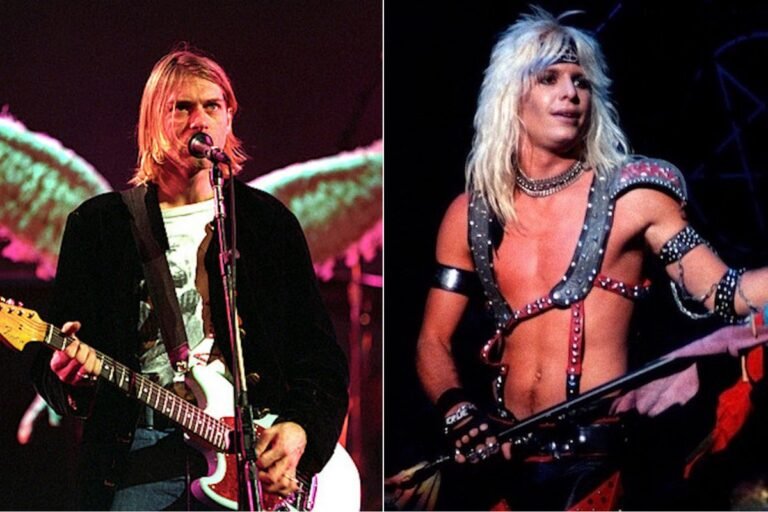
How a scrappy Seattle scene in muddy flannel dethroned the most glamorous era in rock history—and why a generation raised on MTV never quite got over it.
From Sub Pop basements to MTV domination, grunge wasn’t just a sound — it was a complete cultural reset built on three cheap ingredients.
Grunge was more than a sound. It was a thrift-store wardrobe, a slacker worldview, and a generational pivot. Here is what it actually was — music, fashion, and culture in one piece.

A no-nonsense walk through grunge — where it came from, what it sounded like, why everyone suddenly wore flannel, and why the whole thing burned itself out in about five years.
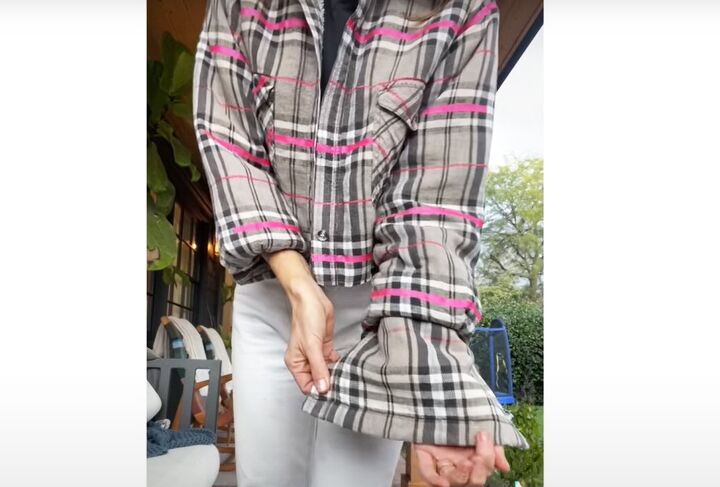
The grunge resurgence in 2020s fashion didn’t start on a runway. It started on Depop, in thrift bins, and on TikTok feeds full of Doc Martens and your dad’s old flannel.

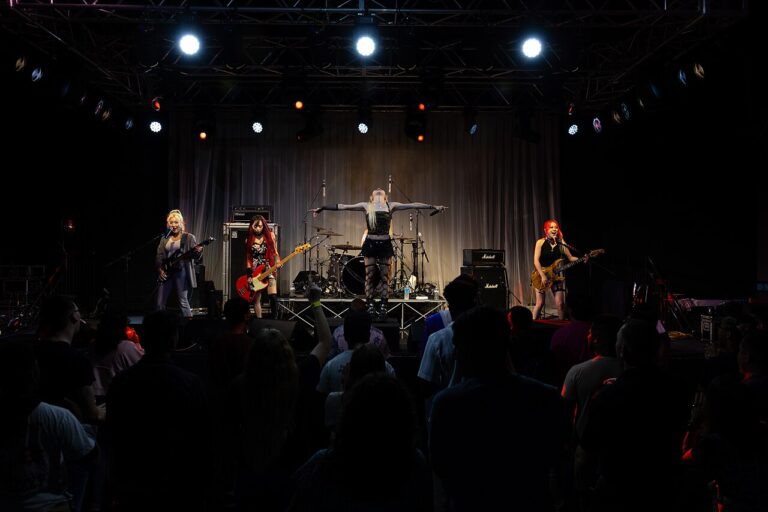
The grunge resurgence in 2020s fashion has reached photo-finish accuracy — pull up a shot from Lollapalooza 1993 and a clip from last summer’s Glastonbury and you’ll have to check the date stamp to tell which is which.
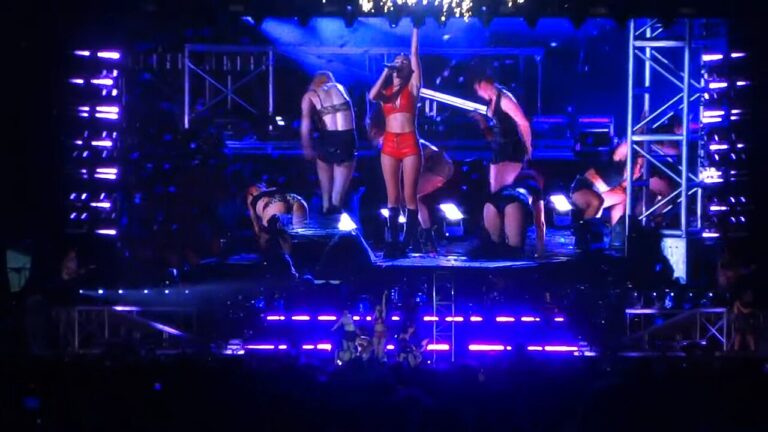
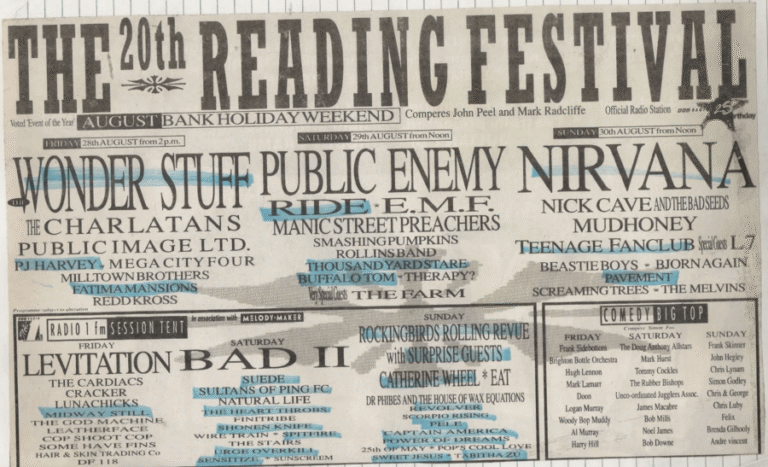
A 21-year-old pop star is dressing like Courtney Love at the Reading Festival, and the entire fashion industry is sprinting to keep up. Here’s how Olivia Rodrigo turned a thrift-store aesthetic into the dominant look of the decade.
Every time the economy cracks, grunge crawls back out. It happened in 1991. It is happening again in 2024. The flannel knows something we don’t.
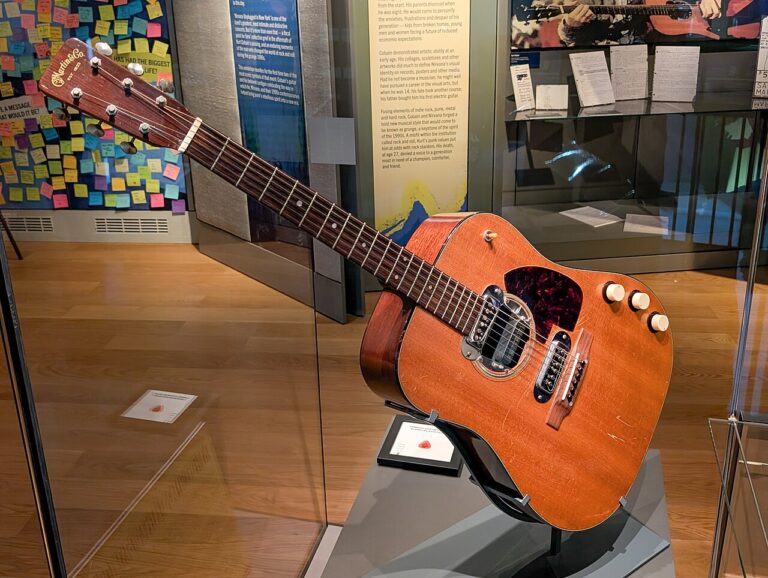
An olive-brown mohair cardigan with cigarette burns sold at auction for $334,000 in 2019. Looking back, it was the cleanest signal that grunge was about to come roaring back into fashion — and the clearest preview of how Gen Z would get it both right and wrong.
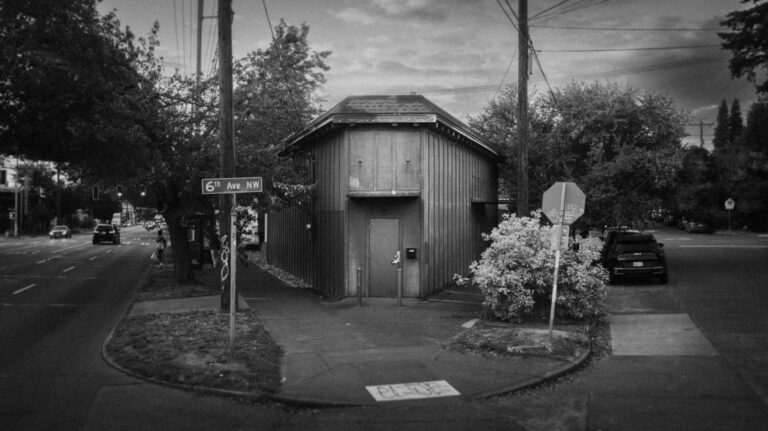
The Seattle grunge scene history did not begin in 1991 with Nirvana’s Nevermind. It began about seven years earlier in a 550-capacity Pioneer Square bar, a black-walled Belltown art club, and a triangular wooden shed in Ballard that recorded bands for under a thousand bucks an album. By the time MTV figured out what was…
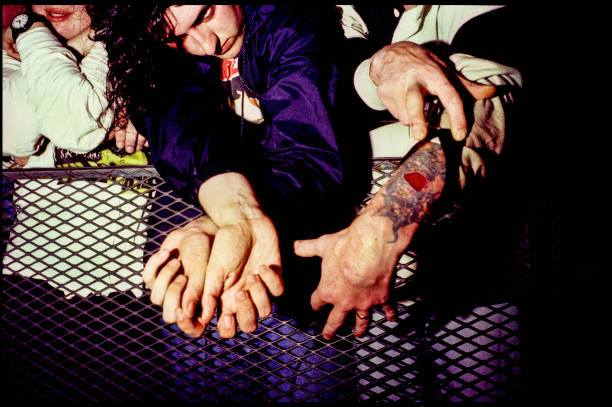
The grunge resurgence in 2020s fashion turned $5 thrift store flannel into $400 designer status symbols. Gen X watches the irony unfold with mixed feelings.
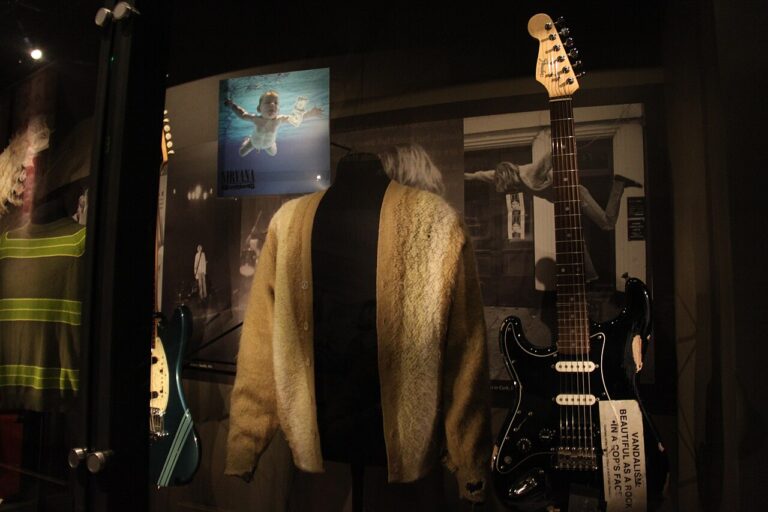
Nevermind, Ten, Dirt, Superunknown — the best grunge albums of all time, ranked and remembered by the Gen X kids who lived inside them.