Best 90s Snacks We Wish They’d Bring Back
The 90s snacks aisle ran on three rules: weirder packaging won, sugar was a personality trait, and if it couldn’t be eaten with one hand on a Game Boy it didn’t deserve shelf space. Walk through any grocery store in 1995 and you found drinks that came in faces, cookies sold with their own tub of frosting, and cereal pieces shrunk to mini sizes for no reason except that miniature things were objectively cooler.
Most of the legends are gone. Some came back in watered-down reissues. A handful never left but quietly mutated into something their original fans wouldn’t recognize. This is a tour of the snacks that made the decade feel like one long sleepover — what they were, why they vanished, and which ones still deserve a comeback tour.
The Retro Almanac
A monthly roundup of "on this day" highlights from that month, decades back — plus first dibs on new retro merch drops. No spam, just the good stuff.
The Snack Aisle Was Our Happy Place
The 90s grocery store snack aisle was a wonderland of neon packaging, impossible flavors, and sugar levels that would make a modern nutritionist weep. Every after-school ritual, every sleepover, every road trip ran on whichever box your mom let you put in the cart. The snacks were loud, the colors were louder, and the marketing told you straight to your face that adults wouldn’t understand.
Food companies in that era weren’t afraid to experiment. They made drinks that changed color, snacks that came in their own containers doubling as toys, and candy so sour it could strip paint. General Mills, Hostess, Frito-Lay, and Nabisco were locked in a permanent arms race for the lunchbox, and the only losers were our teeth. Half the items on this list felt less like food and more like a science fair project you got to eat. You can see the full chaos in our wider tour of everything we still miss from the 90s — but the snack story deserves its own corner.
Dunkaroos and the Frosting-First Lifestyle
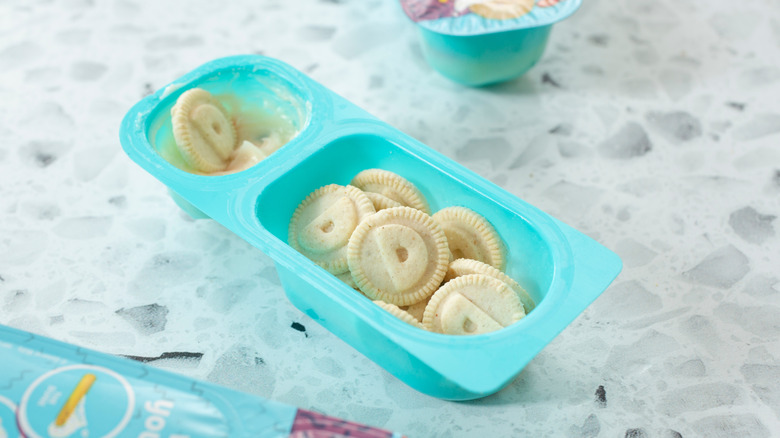
Nothing said “my parents love me” louder than pulling out a pack of Dunkaroos at the lunch table. The little kangaroo-shaped cookies paired with a tub of frosting were the ultimate 90s flex, and the rainbow sprinkle frosting variant was basically edible currency. Trading half a pack got you anything: a sticker, a Pog, a turn on someone’s Tamagotchi, peace in the cafeteria.
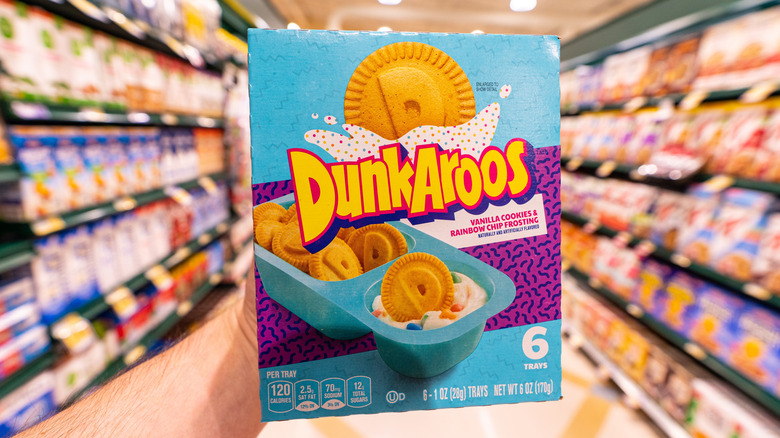
Betty Crocker quietly discontinued Dunkaroos in the United States in 2012 after years of declining sales, sending an entire generation of millennials into a period of genuine mourning. They came back in 2020 with General Mills publicly admitting on the official Dunkaroos site that fan pressure forced the revival — but the boxed version sold today is a slightly different recipe, and anyone who ate the originals knows it. The frosting is thinner. The cookies hit different. The magic of eating them at age nine while trading snacks at the lunch table can’t be re-bottled.
Squeezit Wasn’t a Drink, It Was a Performance Piece
Squeezit was the rare grocery item where the consumption ritual outshined the actual product. You unscrewed the wingnut-shaped cap, squeezed the plastic body until artificially flavored sugar water shot into your mouth, and made eye contact with the cartoon face printed on the side while you did it. Smarty Arty Orange, Silly Billy Strawberry, Grumpy Grape — these were the friends you crushed and discarded between fourth-period math and the bus ride home.
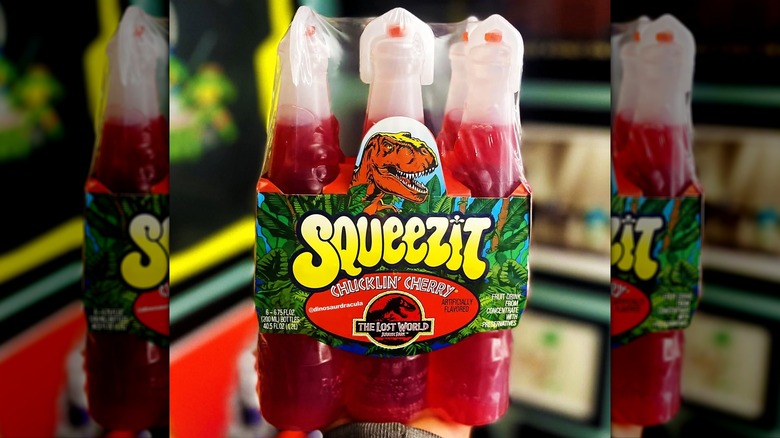
General Mills introduced Squeezit in 1985 and discontinued it in 2001 as parents got squeamish about the sugar content and the bottles started failing safety tests for choking risk on the caps. The brand had peaked in 1995 with the Mystery Flavor edition — black bottles, unidentified neon liquid inside, a free guess card on the back. That was peak 90s product design: the food was the puzzle. There has been no proper revival despite decades of online petitions, which makes Squeezit the patron saint of every snack that left and never came home.
When Surge Soda Tried to Make Sugar Cool Again
Coca-Cola launched Surge in 1997 with one stated goal: kill Mountain Dew. The can was neon green, the marketing was aggressively masculine, and the formula packed maltodextrin alongside the sugar to give it what the company called a “longer-lasting blast.” Translated: you bounced off classroom walls until fourth period and then crashed face-down on your desk by the time the bell rang. Every basement TV setup running a Nintendo 64 had at least one warm Surge can within arm’s reach.
Coke killed Surge in 2003 after sales went flat, but the brand pulled off one of the strangest comebacks in soda history. A fan group called the SURGE Movement spent eleven years lobbying Coca-Cola on social media, and in 2014 the company quietly relaunched Surge through Amazon Prime in 12-packs. It’s now a niche specialty drink — the original audience grew up, kept buying it, and turned a discontinued teen energy soda into a low-key collector’s item.
Planters Cheez Balls and the Blue Can That Wouldn’t Die
The blue can was the whole personality. Planters Cheez Balls came in a wide cylindrical tin big enough for a small child to wear as a helmet, and the orange dust that coated every sphere stained your fingers for the rest of the afternoon. They lived in pantries next to the metal lunchbox you packed your sandwich into, and the empty tins got repurposed as pencil holders, marble jars, or coin banks for the next six years.
Planters cut Cheez Balls from the lineup in 2006. A grassroots online campaign — twelve years of memes, petitions, and angry Facebook posts about “the snack we lost” — finally convinced Kraft to bring them back in 2018. The revival can looks almost identical to the 90s version, the recipe is close, and they remain available today. This is the rare 90s snack story with a happy ending: the fans won.
French Toast Crunch Got Yanked, Then Came Back Wrong
French Toast Crunch launched in 1995 as General Mills’ bid to colonize the corner of the cereal aisle that wasn’t already claimed by Cinnamon Toast Crunch. The pitch was simple: tiny pieces shaped like little slices of toast, syrup flavor baked in, your milk turned sweet and brown by the second bite. Wendell the Baker stared at you from a fiery red box. The back of the package was a chaos of mini-games, Macarena references, and ads for hair frosting kits — the same maximalist energy that powered the 80s cereal mascot era a few years earlier.
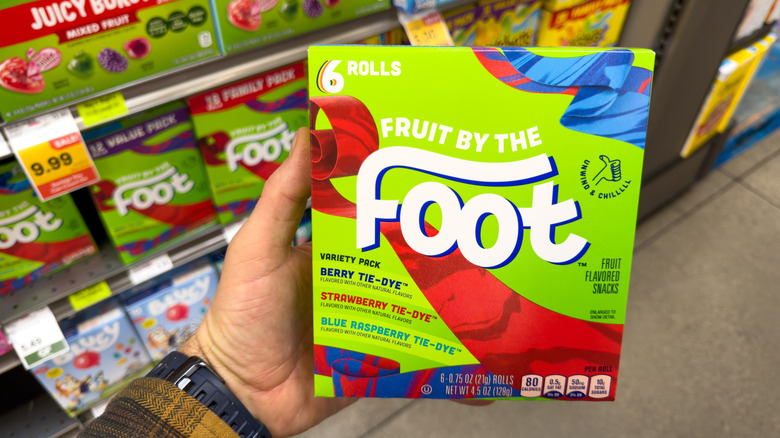
General Mills pulled French Toast Crunch from US shelves in 2006, even though it kept selling in Canada the entire time. After nine years of cross-border smuggling and Canadian friends mailing boxes to American cousins, General Mills officially relaunched the cereal in 2015 — but the pieces are a different shape now (square instead of toast-shaped), the box uses a tamer color palette, and Wendell got a corporate redesign. Technically it’s back. Functionally it’s a sequel.
Fruit Gushers, Pop Rocks, and the Era of Edible Special Effects
Fruit Gushers hit the market in 1991 and changed the rules of what counted as candy. Bite down on the small chewy ball and a payload of syrupy fruit liquid exploded into your mouth — a literal special effect, packaged six to a pouch. The commercials showed kids’ heads turning into giant strawberries, a level of visual chaos that ad agencies wouldn’t dare attempt today. Gushers survived where most of this list didn’t, and you can still buy them, though the flavors have been quietly rotated and the original Strawberry Splash hits weaker than memory says.
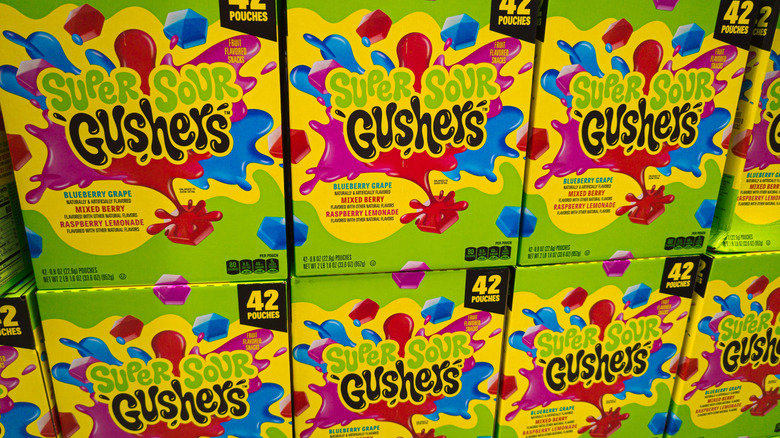
Pop Rocks did the same trick from the opposite direction — pour the sour crystals onto your tongue, feel them detonate against your gums, listen to the static crackle in your skull. Both products belonged to the same 90s design philosophy: food should do something. It wasn’t enough to taste good. It had to perform. The same logic gave us Wonder Balls (hollow chocolate spheres with toys inside, discontinued in 1997 after choking hazards), Pixy Stix (pure powdered sugar in a paper straw), and the snap-bracelet-shaped Hubba Bubba Squeeze Pops that bent around your wrist between sips.
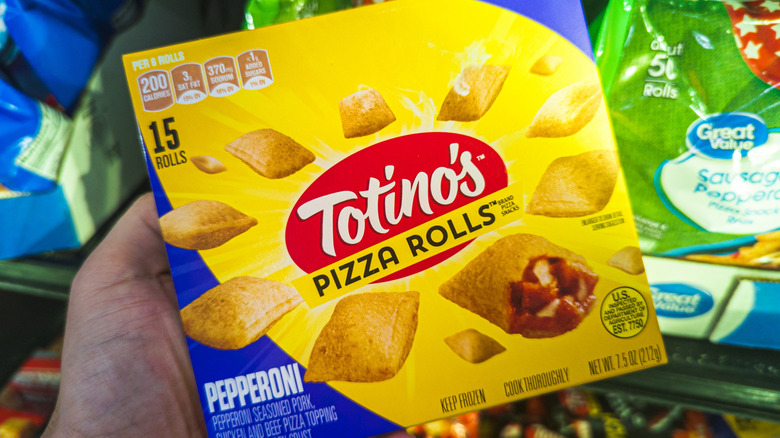
Even savory snacks got the treatment. Totino’s Pizza Rolls launched in their original form in the 70s but absolutely peaked in the 90s as the default after-school microwave food. The molten cheese trapped inside burned the roof of your mouth on first bite every single time. You knew this. You still bit in immediately. Food Republic catalogues the broader after-school snack roster, and the throughline is consistent: every single one of these items asked the kid eating it to participate physically — squeeze, snap, sprinkle, microwave, dip, dunk, gush. Nothing was passive.

Why These Snacks Stick in Our Heads Long After They Vanished
The strange thing about 90s snack nostalgia isn’t that the food was better — most of it was objectively worse than what’s on shelves today. The strange thing is how specifically it imprints. Adults in their forties can describe the exact crinkle of a Squeezit cap with more accuracy than they can describe last week’s lunch. The packaging, the ritual, and the friends you traded them with got baked into the same memory file, and pulling on one thread drags the whole sleepover with it.
Some of these snacks earned their discontinuations honestly. Dunkaroos got dropped because sales tanked. Squeezit got pulled partly over choking-hazard testing failures on the wingnut caps. Wonder Balls vanished after the FDA flagged the embedded toy as a swallowing risk for kids under three. Others — Surge, Cheez Balls, French Toast Crunch — only came back because the original fans grew up, got disposable income, and started buying nostalgia in bulk on Amazon. The bigger food companies finally noticed the pattern: the lunchbox snack you ate at nine is the impulse buy you’ll pay double for at thirty-five.
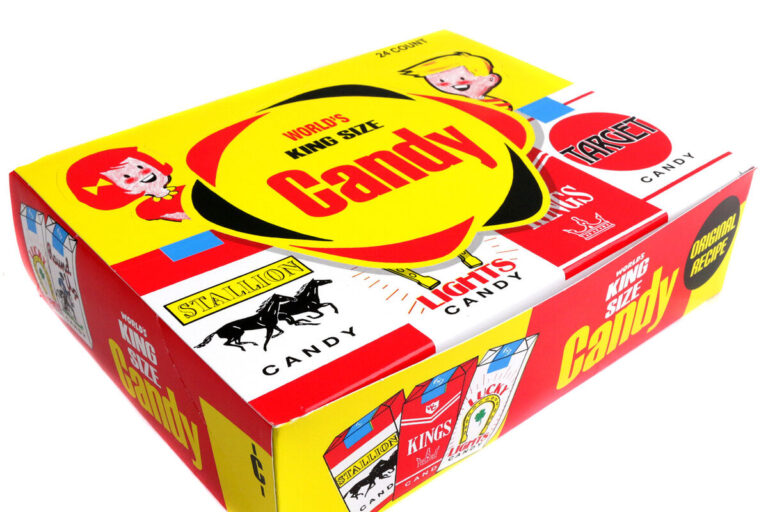
That’s why the revivals usually disappoint. The snack itself is roughly the same. The kid you were when you ate it isn’t. No relaunch can ship that. The closest you get is a sealed box of the candy cigarettes our parents pretended not to see us with, opened in your own kitchen at 11 PM, eaten alone, while the freezer hums and the dishwasher runs and the magic refuses to show up. The snack came back. The era didn’t.
If a major brand wants to actually nail a 90s revival, the playbook is right there in the Cheez Balls comeback: keep the original recipe, keep the original packaging, charge a small premium, and treat the buyers like adults who remember exactly how this used to taste. Don’t redesign the mascot. Don’t shrink the can. Don’t add a “modern twist.” We don’t want modern. We have modern. We want what we lost.
Sources
- Dunkaroos Official FAQ — History, Availability, Where to Buy
- Snack History — Dunkaroos Origin and Discontinuation Timeline
- Food Republic — 10 After-School Snacks Kids Always Ate in the 90s
- General Mills — French Toast Crunch Product Page
- Squeezit — Brand History and Discontinuation Reference
Browse retro and vintage-inspired apparel at the RetroRadical shop →
The Retro Almanac
A monthly roundup of "on this day" highlights from that month, decades back — plus first dibs on new retro merch drops. No spam, just the good stuff.