Squirm (1976): The Killer Worm Horror That Actually Got Under Your Skin
Squirm is one of those grimy 1970s drive-in horror movies that sounds ridiculous when you explain it out loud, then somehow works the minute the thunder starts and the worms begin boiling up from the Georgia mud. If you grew up renting weird VHS boxes, flipping through late-night cable, or trusting every horror recommendation from the creepiest kid in the neighborhood, this movie hits a very specific sweet spot.
Released in 1976 and directed by Jeff Lieberman, Squirm turns an ordinary nightmare, worms after rain, into a full-town panic. That premise could have landed as pure camp, but the movie commits just hard enough to become memorable. It is sleazy, stormy, regional, funny in a mean little way, and packed with the kind of practical effects that made Gen X horror fans proud to have a strong stomach.

Why Squirm still gets under your skin
The biggest reason Squirm still works is that it understands how to weaponize a normal thing. Sharks are exotic. Killer aliens are fantasy. Worms are already in your yard, under your garden, under your shoes, under the place where the rainwater collects. Jeff Lieberman took something nobody respected and made it disgusting enough to ruin an afternoon.
The setup is simple and perfect. A violent storm knocks power lines into wet ground near Fly Creek, Georgia. The worms become aggressive, the town loses power, and the people are left fumbling around in dark houses, muddy yards, and backwater roads while nature stages a gross little coup. That combination of blackout, humidity, mud, and isolation gives the film a sticky atmosphere modern horror sometimes cleans up too much.

If you liked the regional menace of movies covered in our 80s horror movies retrospective, Squirm feels like an earlier, nastier cousin. It is less polished than the classics that followed, but that roughness is part of the charm.
1. It turns the natural horror formula into pure drive-in junk food
By the mid 1970s, audiences had already seen nature strike back in Jaws, Frogs, and The Birds. Squirm takes that trend and drags it into the mud. Instead of majestic predators, you get thousands of slimy little creeps. Instead of epic set pieces, you get local panic, basement dread, and the sickening idea that the threat can come through pipes, dirt, or a crack in the wall.
That is exactly why the movie is fun. It is exploitation cinema in the best sense, built around one nasty hook and then pushed just far enough. The film never tries to become classy prestige horror. It knows its lane. It is there to make you squirm, make you laugh, and make you look at spaghetti differently for the rest of your life.

2. The storm-soaked Georgia setting gives the movie real personality
A lot of creature features could happen anywhere. Squirm feels tied to its place. Fly Creek is fictional, but the movie sells the idea of a humid Southern town where everybody knows too much about everybody else and outsiders immediately get sized up. The accents, the back roads, the clapboard houses, and the storm damage all give the film texture.
That texture matters because it makes the movie feel less like a studio product and more like a regional nightmare somebody swears happened two counties over. You can almost smell the wet wood and muddy porch steps. For horror fans, that kind of tactile setting does half the work. It gives the worms a believable world to invade.
The local ugliness also helps. The sheriff is creepy. Carl is a menace. The social atmosphere is already uncomfortable before the worms start burrowing into people. That means the movie is not only about monster attacks. It is also about being trapped in a town where the human beings are bad enough on their own.

3. Jeff Lieberman knew how to balance gross-out shocks with dark humor
One thing that keeps Squirm alive in horror memory is tone. Jeff Lieberman does not play the material as a joke, but he clearly understands the fun of it. The movie is serious enough to build tension and mischievous enough to enjoy its own bad taste. That balance is harder to pull off than people think.
There are scenes in Squirm that are nasty, scenes that are absurd, and scenes that are both at once. That is an underrated horror skill. A movie can survive cheap sets, uneven acting, and a wild premise if the filmmaker knows how to keep the audience leaning forward. Lieberman does. He knows when to let the concept breathe and when to throw another disgusting image at the screen.
If Arachnophobia perfected the horror-comedy balancing act for a later generation, Squirm feels like a dirtier ancestor. It does not have the same polish, but it has the same instinct for turning revulsion into entertainment.

4. The practical effects are exactly the kind of disgusting Gen X horror fans love
Long before digital swarms could flood a screen, movies like Squirm had to make the audience believe in tactile horror. The result is gloriously physical. Worms pour over floors, slide across bodies, spill from impossible places, and create the kind of skin-crawling discomfort that only practical effects can deliver.
Some of the effects are crude by modern standards, sure, but crude is not the same thing as ineffective. In fact, the rough edges can make them feel worse. You are not admiring clean CGI design. You are reacting to squishy movement, real textures, and the sense that everybody on set probably smelled terrible that day.
The movie also gets extra points for restraint. It does not need every scene to be bigger than the last. Instead it keeps returning to one primal idea, worms where they should not be, and finds new ways to make that disturbing. That is why people still remember specific shots decades later.

5. The characters are messy, sweaty, and just grounded enough to sell the madness
Squirm is not a character-study masterpiece, but it does have the kind of human friction that keeps the movie moving between attack scenes. Mick is an outsider who stumbles into a bad situation. Geri has more grit than the usual helpless girlfriend role. Carl is so obnoxious you almost forget the worms are supposed to be the main villains. The sheriff feels like danger in a uniform.
That roster gives the film a grubby social energy. Everyone is irritated, suspicious, or threatening before nature even fully turns hostile. It makes the whole town feel unsafe. A cleaner movie might have leaned on heroic teamwork. Squirm does not. It lets personalities clash, and that conflict makes the panic feel more believable.
It also gives the movie one of its sneakiest strengths: rewatchability. You do not come back to Squirm just for the worms. You come back for the strange chemistry, the local weirdness, and the low-budget confidence that says, yes, we are really doing a killer worm movie and we are doing it straight.

6. It belongs to that beautiful era when horror could be regional, cheap, and unforgettable
There was a period when horror did not have to feel globally focus-grouped. It could be specific, grubby, and slightly unhinged. Squirm came from that era. You can feel it in the locations, the pacing, the performances, and the total commitment to a bizarre premise. It was not designed by algorithm. It was made by people who thought, what if worms, but make it horrifying?
That freedom is part of why the movie still has a cult audience. Horror fans love polished masterpieces, but they also love movies with personality. Squirm has personality in buckets. It is weird in exactly the right way. It feels discovered rather than manufactured.
That same spirit is why movies like Tremors later became such beloved favorites. Different tone, different creature, same pleasure in taking a seemingly silly threat and proving it can carry a whole feature.

7. Squirm is a perfect reminder that not every cult classic needs to be respectable
Some retro movies survive because they were ahead of their time. Some survive because they are genuinely great. And some survive because they are too strange, gross, and committed to disappear. Squirm belongs in that third category, and there is no shame in that at all.
This is not the sort of film you defend with a straight academic face at a dinner party. This is the sort of film you put on after 11 p.m. with somebody who appreciates practical gore, regional weirdness, and the ancient drive-in art of making audiences yell at the screen. It is horror as a dare, horror as texture, horror as a cheap little miracle.
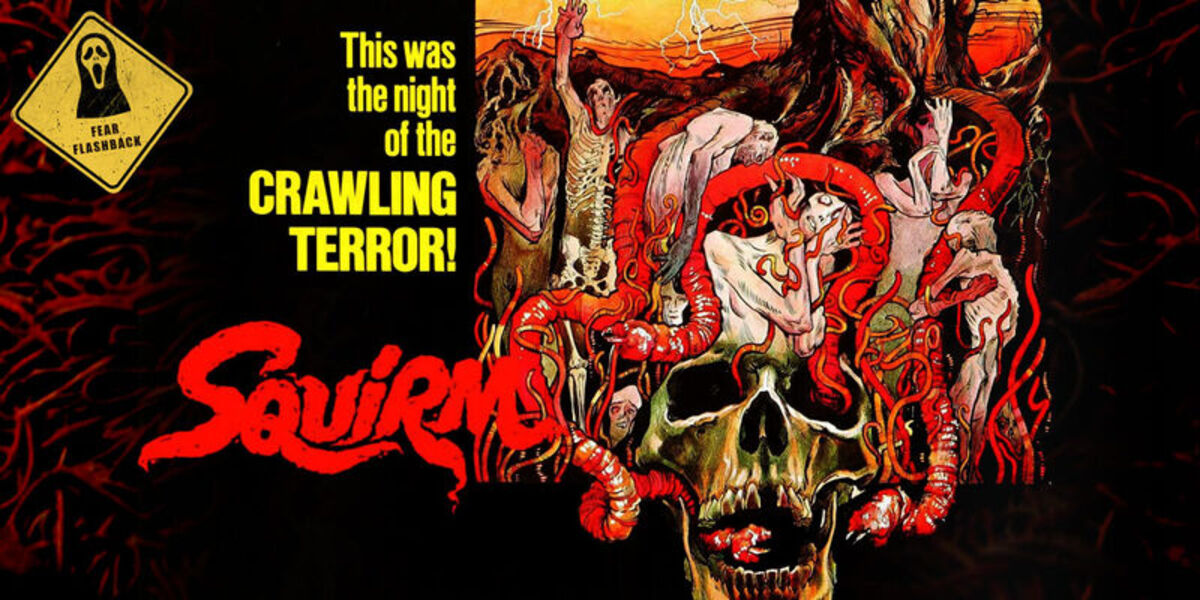
For Gen X viewers, that is part of the nostalgia. We remember when the video store shelf was full of titles that looked like a joke and turned out to be unforgettable. Squirm is one of those titles. The poster alone feels like a promise. The movie delivers enough slime, atmosphere, and bad attitude to earn its place.

The trailer still rules
If you want the full mood in under three minutes, the original trailer gets the job done. It sells the movie with exactly the right amount of lurid confidence, the kind of trailer voice that could make literally any menace sound like the end of civilization. That old-school exploitation marketing is half the fun.
Why Squirm deserves a place in retro horror history
Squirm will never be everybody’s favorite 1970s horror movie, and that is part of why people who love it tend to love it hard. It is grubby, funny, mean, and memorable. It captures a moment when low-budget horror could still feel local and dangerous, when a movie did not need polish to leave a stain on your brain.
If you have never seen it, go in ready for mud, sleaze, lightning, and a lot of very committed worms. If you have seen it, you already know the feeling: one stormy frame and suddenly your skin starts crawling all over again. That is the magic of a real cult classic. It does not need perfection. It just needs one unforgettable nightmare, and Squirm has that covered by the thousands.
Sources
- IMDb, Squirm (1976) – release date, cast, and production basics.
- Rotten Tomatoes, Squirm – critical consensus and reference listing.
- ScreenAge Wasteland review of Squirm – scene stills and discussion of the film’s tone and cult appeal.
- DVDBeaver Blu-ray review for Squirm – release history, technical details, and background notes.
- Squirm (1976) official trailer – period trailer and marketing copy.