
Ladies First: The Women Who Proved Hip-Hop Had Room for Queens
The golden age of hip-hop — that remarkable run from 1990 to 1999 — gets narrated almost exclusively through its kings. Biggie Smalls. Tupac. Nas. Jay-Z. Wu-Tang Clan. The decade’s mythology runs through men almost by reflex, as if the women who carved out space in that same era existed only in the margins. They didn’t. The women who made music during hip-hop’s golden decade didn’t just participate — they defined it, challenged it, and in some cases produced its most enduring art.
This is their story.
Before the Crown: The Foundation Was Already Laid
By the time the golden age kicked into gear around 1990, women had already established a foothold that the mainstream kept trying to dismiss. MC Lyte had dropped Lyte as a Rock in 1988 — a debut so sharp and credible that the streets couldn’t ignore it. Roxanne Shanté had dismantled grown men in battle rap, touching off the “Roxanne Wars” that became one of hip-hop’s earliest origin myths. Monie Love and Salt-N-Pepa were building audiences, all while being told — implicitly or explicitly — that hip-hop wasn’t really for them.
The Retro Almanac
A monthly roundup of "on this day" highlights from that month, decades back — plus first dibs on new retro merch drops. No spam, just the good stuff.
These women didn’t just survive in a male-dominated space. They built part of its foundation. And when the 1990s arrived and the culture exploded into its golden era, they were ready.
Queen Latifah and the Declaration of Dignity
No conversation about women in golden age hip-hop begins anywhere other than Dana Owens, who the world knew as Queen Latifah. She had already dropped All Hail the Queen in 1989, but her impact deepened through the early nineties in ways that still echo. Her 1993 single “U.N.I.T.Y.” wasn’t just a song — it was a declaration. The opening challenge — “U.N.I.T.Y., who you callin’ a b—?” — became a rallying cry. It won a Grammy. It charted on mainstream radio. It made programmers uncomfortable and listeners feel seen.
Latifah didn’t perform toughness or sexuality for anyone’s approval. She arrived in kufis and leather, spoke in complete philosophical sentences, and made being a woman in hip-hop look like the most natural thing in the world. She called herself a queen because she believed it — and eventually, an entire generation believed it with her.
Her 1993 album Black Reign found her wrestling openly with grief — her brother Lance had been killed in a motorcycle accident the previous year — and that emotional rawness elevated her beyond genre. She wasn’t just a rapper navigating a hostile industry. She was a voice that the industry hadn’t made room for and couldn’t contain once she arrived.
Salt-N-Pepa: The Crossover Nobody Could Ignore
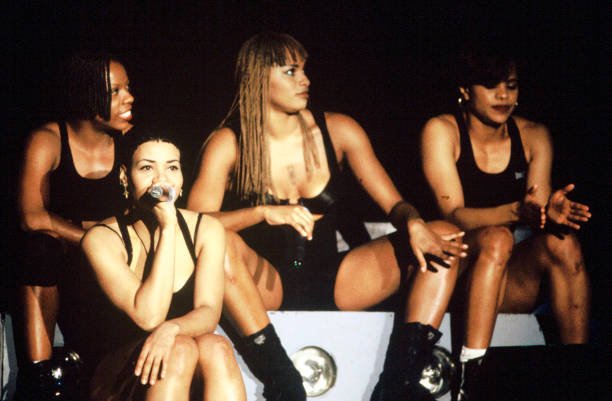
If Queen Latifah built credibility, Salt-N-Pepa built empires. Cheryl James, Sandra Denton, and DJ Spinderella had been at it since the mid-eighties, but the golden age was when they finally detonated on pop culture with full force. Very Necessary (1993) became one of the best-selling hip-hop albums of the entire decade — a record that moved over five million copies in the United States alone. “Shoop” was everywhere. “Whatta Man,” their collaboration with En Vogue, was inescapable. Even the year before, their retooled version of “Let’s Talk About Sex” had inserted hip-hop into national conversations about AIDS awareness — not exactly a lane most rappers were trying to occupy.
What made Salt-N-Pepa matter beyond the chart numbers was their specificity. They talked about desire from a woman’s perspective, about relationships without apology, about pleasure as something women were allowed to have and claim publicly. In a culture that had spent years objectifying women in videos and on records, Salt-N-Pepa turned the gaze around. They chose their own looks, wrote their own perspectives, and had fun doing it — which proved threatening to plenty of people who preferred their female artists decorative and quiet.
Salt-N-Pepa didn’t just survive the golden age. They defined its commercial peak.
Da Brat Breaks the Platinum Ceiling
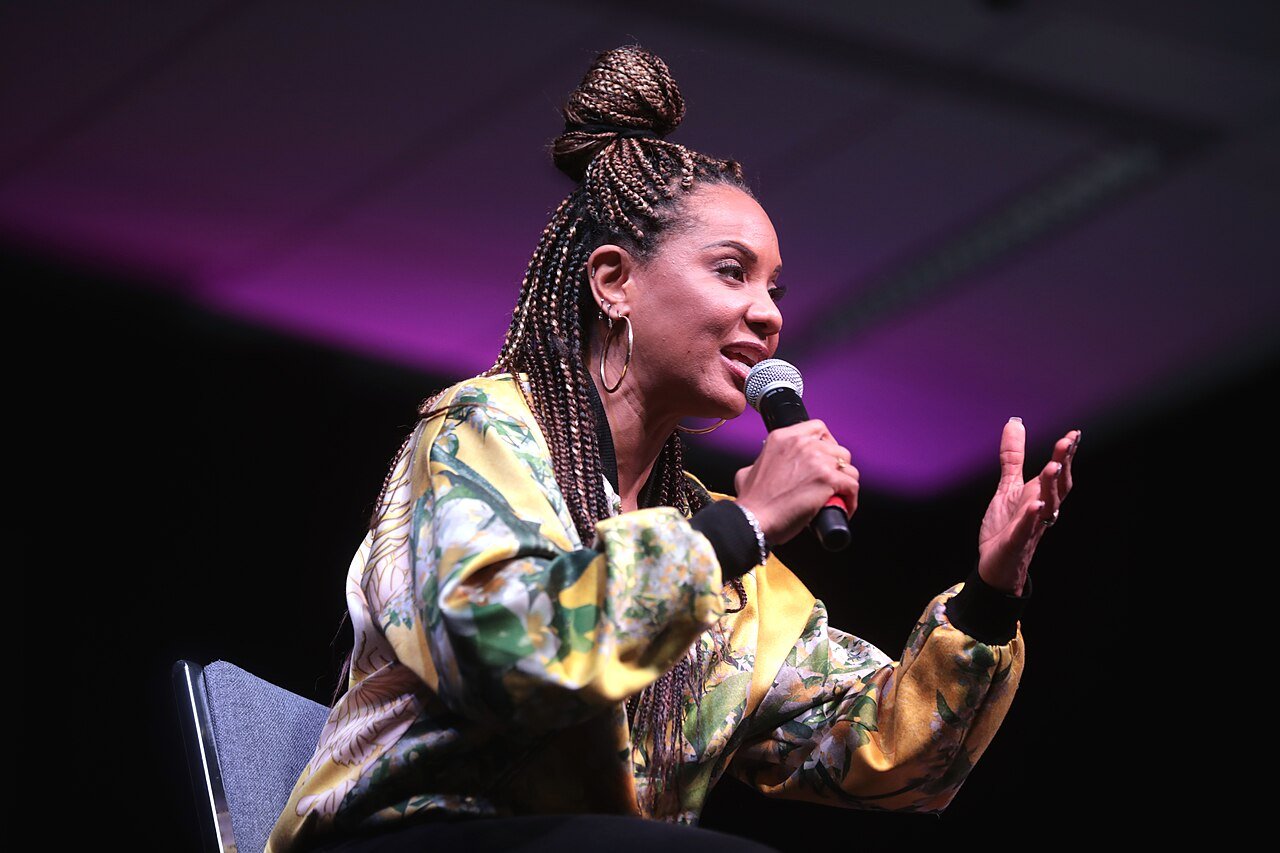
In 1994, Jermaine Dupri signed a teenage rapper from Chicago named Shawntae Harris — who the world would come to know as Da Brat — and released Funkdafied. The album went platinum. That certification made Da Brat the first female solo rap artist in history to achieve platinum status. The achievement was enormous and almost systematically underreported.
She rapped with a confidence and effortless hardness that felt earned rather than performed. She was also from the Midwest at a time when New York and Los Angeles dominated the golden age hip-hop conversation, which made her ascent all the more striking. Funkdafied belongs in the golden age canon. It doesn’t always make the standard lists. It absolutely should.
Foxy Brown and Lil’ Kim: The Explicit Truth
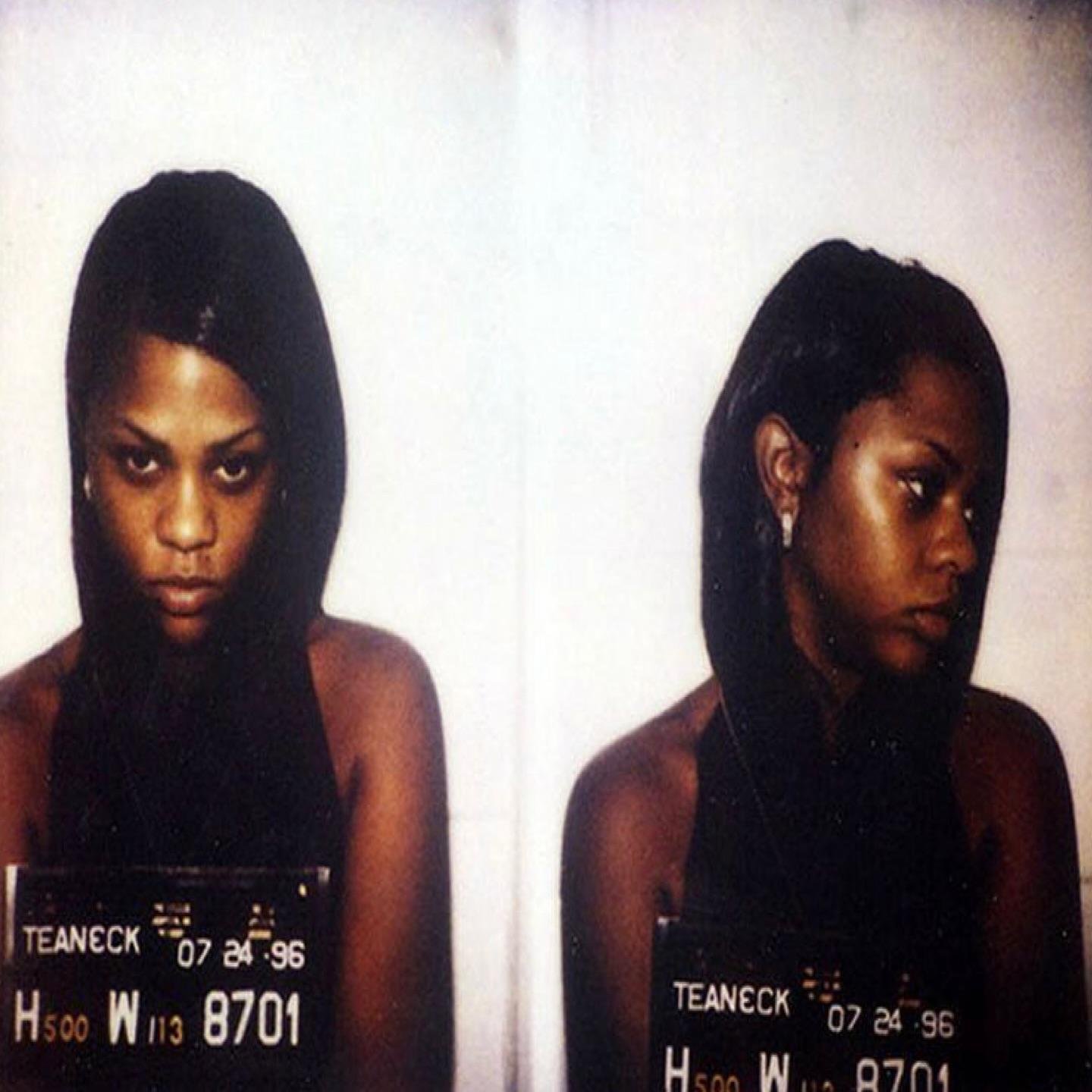
The mid-to-late golden age brought a different kind of female voice — provocative, explicit, unapologetically sexual. Lil’ Kim’s 1996 debut Hard Core and Foxy Brown’s Ill Na Na (also 1996) arrived within months of each other and ignited what the press framed as a rivalry. In reality, both women were doing something the culture found deeply uncomfortable: reclaiming the sexual language that had been weaponized against women in hip-hop and wielding it on their own terms.
Kim and Foxy were protégées of Biggie Smalls and Jay-Z respectively, which meant critics couldn’t always see past the mentors to the artists themselves. That was a mistake. Lil’ Kim’s technical ability — her breath control, her layered punchlines, her impeccable timing — was elite by any standard. “Not Tonight,” “Crush on You,” the universally quoted “Ladies Night” remix — she delivered on every single track. Foxy brought similar lyrical density wrapped in designer labels and street credibility that felt genuine rather than constructed.
Both women paid prices their male counterparts rarely did. Their explicit content was scrutinized where men’s was celebrated. Their personal relationships were routinely weaponized in the press. But the music held. Hard Core and Ill Na Na remain definitive golden age documents, whether the critics who dismissed them at the time want to admit it or not.
Missy Elliott: The Futurist Who Arrived Early
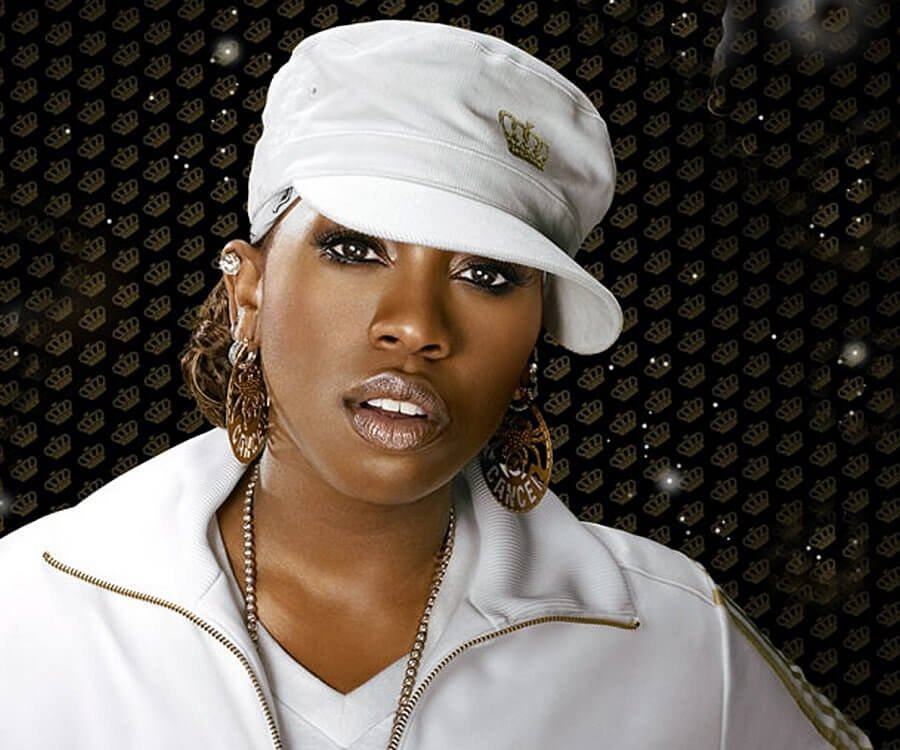
Missy Elliott’s debut Supa Dupa Fly dropped in 1997, but her impact on the golden age was immediate and total. In a period when hip-hop was becoming increasingly tied to street credibility and masculine posturing, Missy arrived in an inflatable suit in a Hype Williams-directed video and rewrote every rule simultaneously. The video for “The Rain (Supa Dupa Fly)” looked like nothing else on MTV that year. That was entirely the point.
Her creative partnership with Timbaland produced some of the most adventurous production the decade had heard — syncopated, alien, impossible to anticipate. She rapped about things no one had rapped about, with an uncanny confidence about her own body and aesthetic that the industry had no framework for. She was also producing and writing for others simultaneously: her fingerprints were all over late-nineties work by Aaliyah, SWV, and 702. Missy wasn’t a feature player in the golden age. She was one of its architects, building from a side room that only she could see.

Lauryn Hill and the Crown Jewel of the Decade
Then came 1998. Then came The Miseducation of Lauryn Hill.
The album arrived at the tail end of golden age hip-hop and functioned as both its capstone and its critique. Hill had already established her MC credentials as part of the Fugees — her verse on “Fu-Gee-La,” her reimagining of “Killing Me Softly,” the endless freestyle sessions that made her a legend before she was twenty-five. But Miseducation was something else entirely: a solo statement so complete and so fully realized that it didn’t leave room for argument.
It won five Grammy Awards. It sold over nineteen million copies worldwide. It debuted at number one. It forced critics who had spent a decade treating hip-hop as a curiosity to reckon seriously with what they’d been missing. And it remains, by any objective measure, the most acclaimed and decorated album of the entire golden age hip-hop era.
Hill rapped, sang, and channeled personal devastation into something universal. “Doo Wop (That Thing)” lectured and grooved at the same time. “Ex-Factor” rewired people emotionally. The album’s spoken-word classroom interludes gave the whole project a conceptual coherence that felt almost novelistic. She built all of it herself, on her own terms, refusing at every turn to be reduced to a voice in someone else’s story.

What the Golden Age Owed Its Queens
The standard narrative of golden age hip-hop is mostly accurate: it really was a period of unprecedented artistic density, regional diversity, and cultural force. But the standard narrative leaves the women out, and that’s not just an oversight — it’s a distortion of what actually happened.
Queen Latifah proved that authority didn’t require aggression. Salt-N-Pepa proved that crossover didn’t have to mean compromise. Da Brat proved the Midwest had bars before the Midwest was supposed to have bars. Lil’ Kim and Foxy Brown proved that explicit and excellent weren’t mutually exclusive. Missy Elliott proved that hip-hop’s future didn’t belong to anyone afraid to be genuinely strange. And Lauryn Hill proved — conclusively, standing at a Grammy podium with five awards — that the greatest record the golden age produced was made by a woman from South Orange, New Jersey who refused to ask anyone’s permission.
That’s not a footnote. That’s the story.
Sources
- Rolling Stone — Music History Archives
- NPR Music — Women in Hip-Hop
- Recording Academy / Grammy Awards
- Billboard — Chart History
- Wikipedia — The Miseducation of Lauryn Hill
The Retro Almanac
A monthly roundup of "on this day" highlights from that month, decades back — plus first dibs on new retro merch drops. No spam, just the good stuff.