Fresh 1994: The Most Acclaimed Hood Film Nobody Remembers
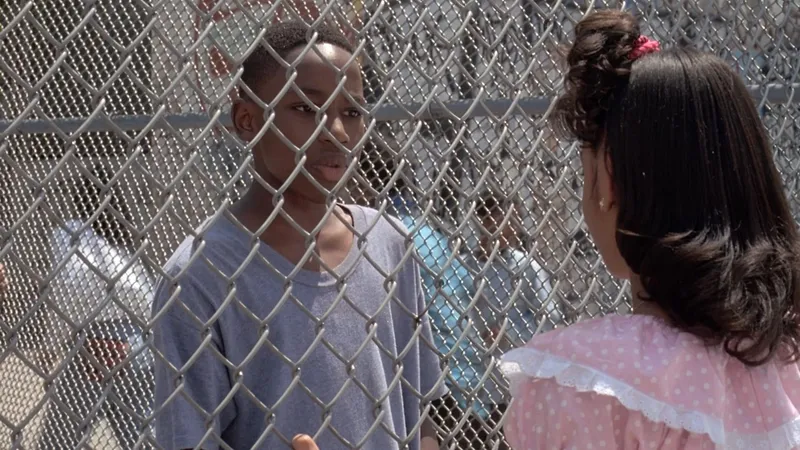
Twelve-year-old Sean Nelson had never acted in a movie before the Fresh 1994 movie went into production, and the film built its entire tension around his silence — the character says almost nothing for the first twenty minutes, watching the drug trade around him the way a chess player watches an opening unfold. That restraint is the whole point: everyone around Fresh is moving fast and talking loud, and he’s the only one playing the long game.
The film opened on four screens in August 1994, the same summer Pulp Fiction was dominating headlines from a producer who’d worked on both. It never got close to that kind of audience. But three decades later, Fresh holds up as one of the sharpest films to come out of the early-90s hood cinema wave — a movie that used a board game to explain survival better than most films manage with a gun.
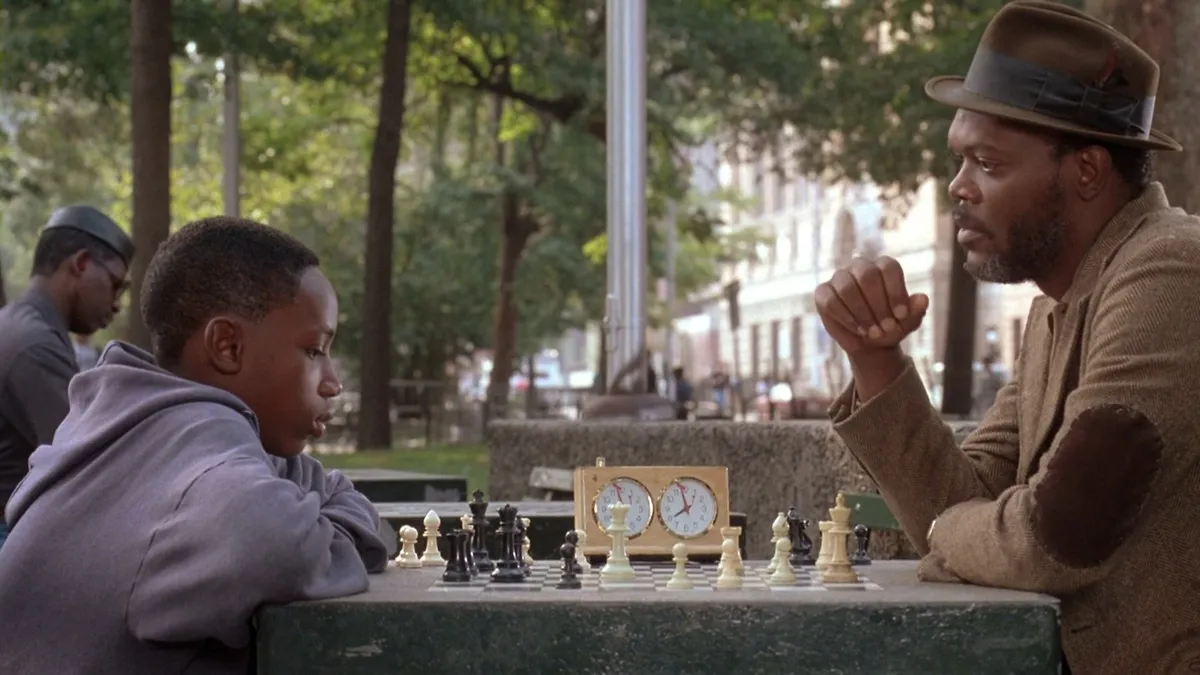
The Chess Game That Explains the Whole Fresh 1994 Movie
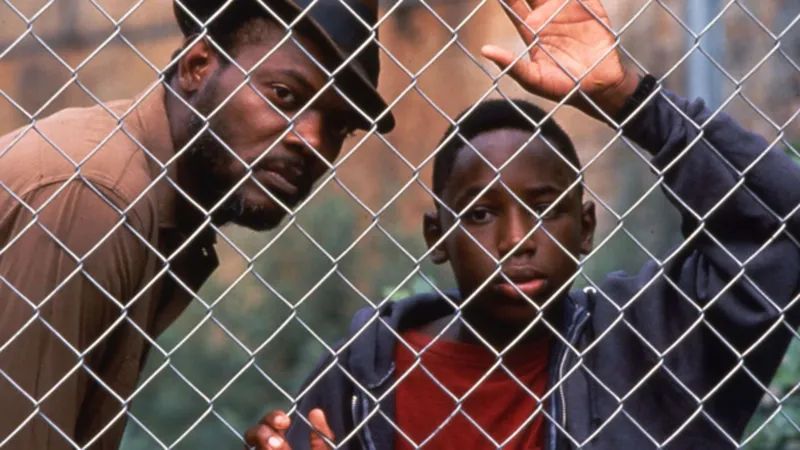
Michael, called Fresh, runs drugs between two rival dealers in a Brooklyn housing project. His only real education comes from his estranged father Sam, played by Samuel L. Jackson, who hustles speed chess for cash in Washington Square Park and feeds his son lessons disguised as small talk. Every piece of advice Sam gives — sacrifice the weaker piece to protect the stronger one, never let the other player see your actual plan — becomes the blueprint Fresh uses to turn the two dealers who control his life against each other.
The Retro Almanac
A monthly roundup of "on this day" highlights from that month, decades back — plus first dibs on new retro merch drops. No spam, just the good stuff.
Director Boaz Yakin hired chess instructor Bruce Pandolfini as a technical advisor — the same real-life coach Ben Kingsley played a fictionalized version of in Searching for Bobby Fischer, released that same year. Pandolfini made sure every move Sam and Fresh discuss in the park scenes is a legitimate speed-chess tactic, not movie dialogue dressed up to sound smart. The metaphor only works because the chess is real.

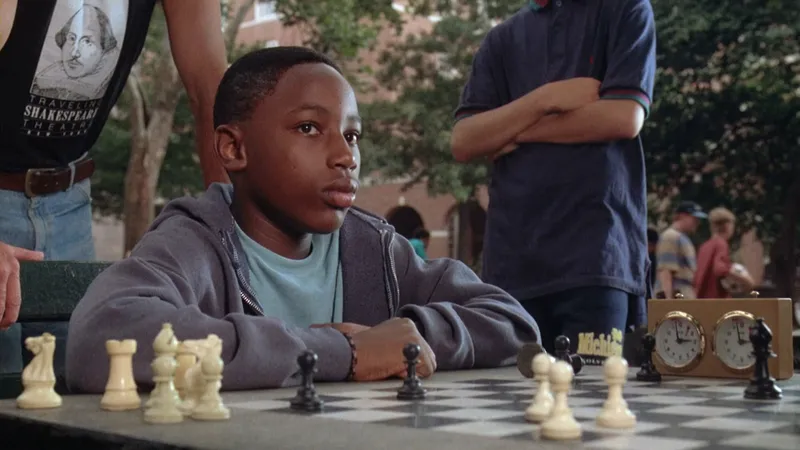
A 12-Year-Old Lead Who Had Never Acted Before
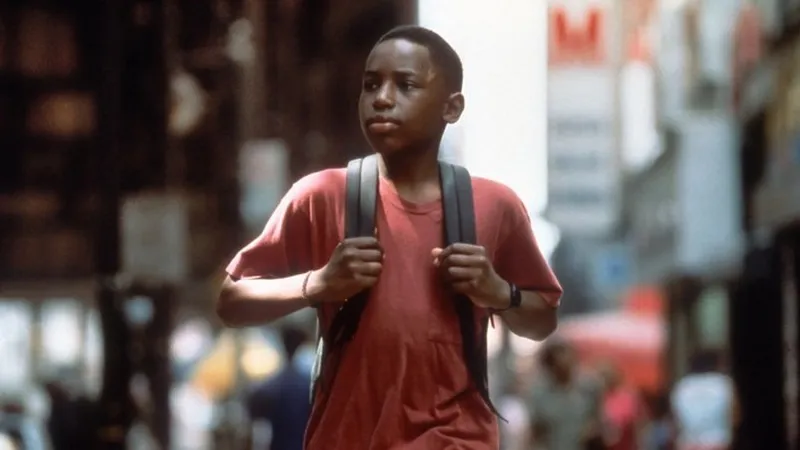
Sean Nelson carries nearly the entire film, and it was his first movie role. Yakin needed a kid who could read as watchful rather than wide-eyed — someone who could sit through a scene doing almost nothing and still hold the camera. Nelson delivered it so convincingly that the Independent Spirit Awards gave him Best Debut Performance in 1995, beating out adult actors in the same category.
What makes the performance land is how little Fresh reacts. Other hood films of the era, Boyz n the Hood included, build toward big emotional explosions. Fresh does the opposite — Nelson plays the character like someone who learned early that showing your hand gets you hurt, which is exactly the chess lesson his father keeps repeating.
Samuel L. Jackson’s Other Big Movie of 1994
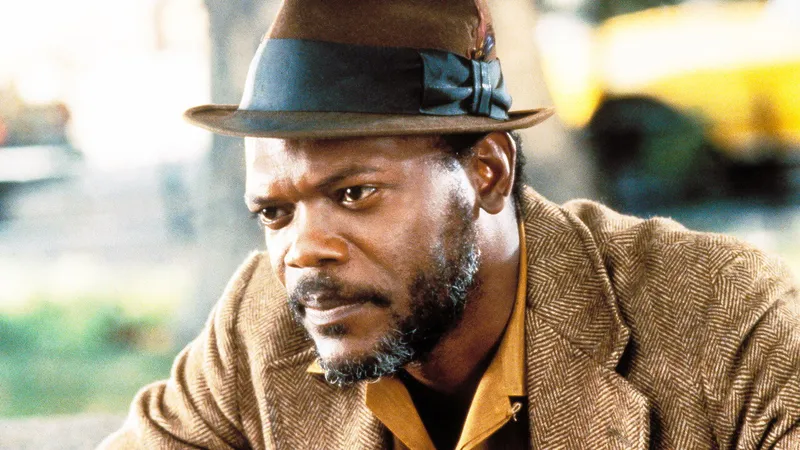
Jackson shot Fresh the same year Pulp Fiction turned him into a household name, and the two performances couldn’t be more different. Where Jules Winnfield is loud and theatrical, Sam in Fresh is a wrecked, alcoholic hustler who’s lost custody of his kids and only gets to parent in stolen minutes across a chessboard. It’s a quieter, sadder register than anything else Jackson was doing that decade, and critics at the time singled it out as proof he could do more than scene-stealing supporting work.
The two films also share a producer. Lawrence Bender, fresh off Reservoir Dogs, backed Yakin’s directorial debut around the same time he was shepherding Pulp Fiction through Miramax — meaning one producer had a hand in two of the most distinct Samuel L. Jackson performances of the decade, released months apart.
Why Critics Loved Fresh 1994 and Almost Nobody Saw It
The numbers tell an odd story. Fresh sits at 88% on Rotten Tomatoes and 81 on Metacritic — “universal acclaim” territory. Roger Ebert gave it four stars and called it a film of real depth and power. Janet Maslin praised the direction and called the cinematography extraordinarily handsome. It won the Filmmaker’s Trophy at Sundance in January 1994, the festival’s highest honor for a dramatic film that year.
And yet Miramax released it on just four screens on August 19, 1994, only expanding to 411 screens over Labor Day weekend. It finished its run with $8.1 million against a $3.5 million budget — a real profit, but a footnote next to Boyz n the Hood‘s $57 million. The honest explanation is timing: Miramax was pouring its marketing muscle into Pulp Fiction that same season, and a quiet, chess-driven drama about a preteen drug runner was never going to compete for the same billboard space.
The Real Brooklyn Behind the Story
Yakin wrote Fresh himself and shot it on location in Brooklyn’s housing projects rather than building sets, which is part of why the film still reads as grounded instead of stylized. Giancarlo Esposito plays Esteban, the dealer Fresh works most closely with, in a performance critics described as lean and genuinely threatening rather than cartoonish. N’Bushe Wright plays Nichole, Fresh’s drug-addicted older sister, whose arc gives the ending its stakes — Fresh isn’t just trying to survive, he’s trying to get her out too.
Stewart Copeland, the drummer from The Police, scored the film, giving it a tense, percussive undercurrent that owes more to his jazz background than anything resembling a pop soundtrack. That’s a deliberate contrast with other hood films of the era: where New Jack City and Juice lean on hip-hop soundtracks to set the tone, Fresh keeps the music almost entirely instrumental, which makes the handful of street scenes that do carry music hit harder.

How the Endgame Plays Out
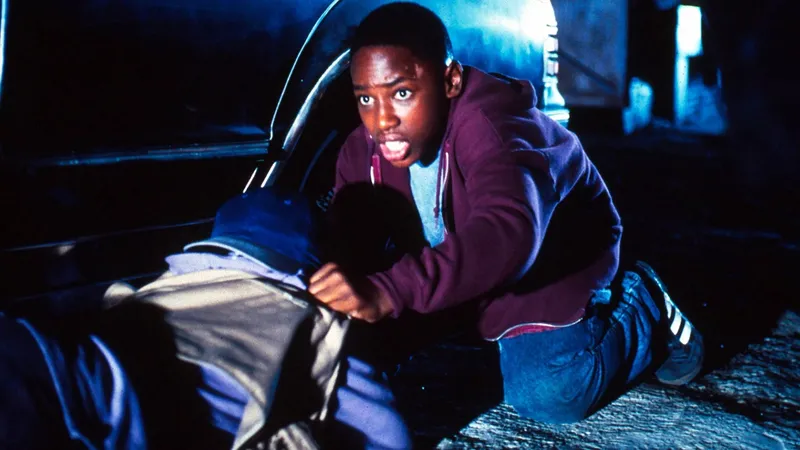
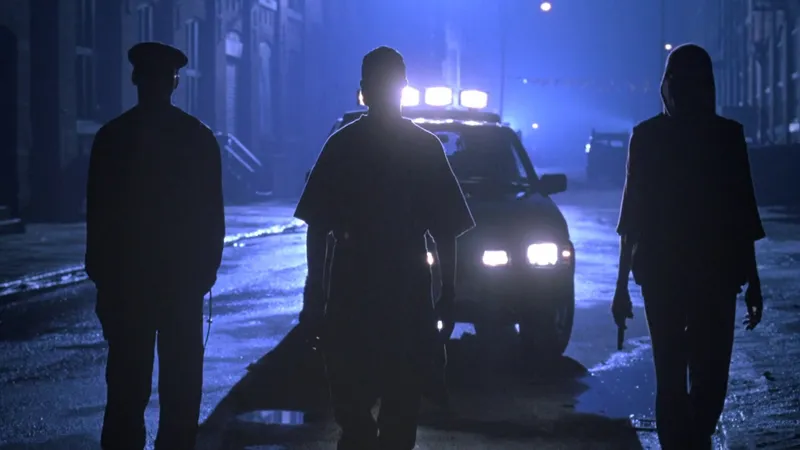
Without spoiling the specifics, the climax of Fresh is staged almost exactly like a chess combination — Fresh maneuvers the two dealers and a corrupt cop into a sequence of moves that look unconnected until the very last scene reveals they were never anything but calculated. Several critics at the time compared the structure directly to a chess problem, where you can’t see the winning line until the final piece falls into place. It’s a structure that’s been imitated since, but rarely with this much patience.
The scene where Fresh finally sits down across from his father and actually plays him, rather than just listening, is the film’s real payoff. It’s the one moment the son stops being the student and the two of them are simply, briefly, equals.
Where Fresh Fits Among the 90s Hood Films
Fresh rarely gets mentioned in the same breath as Boyz n the Hood, New Jack City, or Clockers, and that’s mostly a marketing accident rather than a quality gap. It’s a tighter, quieter film than most of its contemporaries — there’s no ensemble cast, no soundtrack built to sell records, no scene built to be the trailer moment. What it has instead is a kid who outthinks every adult in the movie, which is a harder thing to pull off on screen than a shootout.
Boaz Yakin went on to write and direct bigger studio films, including Remember the Titans six years later, but Fresh remains the sharpest thing with his name on it. If you’ve seen every major hood film from the era and somehow missed this one, it’s worth tracking down before you watch anything else from 1994.
Frequently Asked Questions About Fresh 1994
Is Fresh (1994) based on a true story?
No. Boaz Yakin wrote an original screenplay, though the Brooklyn housing project setting and drug-running plot were drawn from the kind of real conditions Yakin researched while developing the script, not one specific case.
Where was Fresh (1994) filmed?
The film was shot on location in Brooklyn, New York, including scenes in and around Washington Square Park in Manhattan for the chess sequences between Fresh and his father.
Did Fresh win any awards?
Yes. It won the Sundance Film Festival’s Filmmaker’s Trophy (Dramatic) in 1994, and lead actor Sean Nelson won Best Debut Performance at the 1995 Independent Spirit Awards.
Is Fresh connected to Pulp Fiction?
Only through personnel, not story. Both films released in 1994, both starred Samuel L. Jackson, and both were produced by Lawrence Bender — but they share no plot connection beyond that overlap.
Sources
- Fresh (1994 film) — Wikipedia
- Fresh movie review — RogerEbert.com
- Fresh (1994) — Rotten Tomatoes
- Fresh (1994) — IMDb
- Fresh — Variety (1994 review)
The Retro Almanac
A monthly roundup of "on this day" highlights from that month, decades back — plus first dibs on new retro merch drops. No spam, just the good stuff.