
Blockbuster: 9 Wild Facts About the VHS Era
By 2004, Blockbuster had more retail locations in the United States than Starbucks. That is a real count, not a metaphor. The company touched nearly every American household with a VCR, built an empire on the Friday night ritual, and then spent six years making decisions that turned a $8.4 billion brand into a Chapter 11 filing. What is left is one store in Bend, Oregon, and a long list of lessons no business school has fully absorbed.

1. Blockbuster Was Built on Oil Industry Software
David Cook did not come from retail or film. He ran a software company that built inventory databases for the Texas oil industry. When oil prices collapsed in 1983, Cook needed a new application for his technology. He chose video rental — not out of passion for movies, but because existing video stores were an organizational disaster. Most mom-and-pop rental shops had no way to tell a customer what was in stock without a physical walk of the shelves.
The Retro Almanac
A monthly roundup of "on this day" highlights from that month, decades back — plus first dibs on new retro merch drops. No spam, just the good stuff.
Cook opened the first Blockbuster on October 19, 1985, in Dallas, Texas, with 8,000 VHS and Betamax tapes on day one — more inventory than any competitor in the region. The real product was the database. A customer could search by title, genre, and availability without picking up a single box. That was the innovation. The tapes were packaging.
2. They Turned Down Netflix for $50 Million
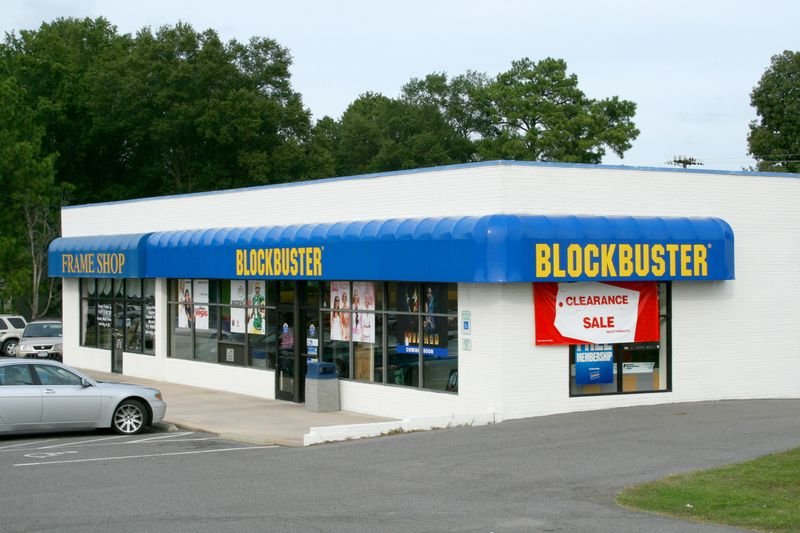
In 2000, Reed Hastings flew to Dallas with a proposal: Netflix would run Blockbuster’s online division, and Blockbuster would promote Netflix in its stores. The asking price was $50 million. CEO John Antioco reportedly laughed Hastings out of the meeting. The calculation made sense at the time. Netflix had about 300,000 subscribers and was losing money. Blockbuster was generating $6 billion a year.
Netflix’s market capitalization by 2024 was approximately $300 billion. Blockbuster’s final sale price in 2011 was $320 million — for the entire company, brand included. The $50 million ask looks different from that angle.
3. Late Fees Were an $800 Million Business
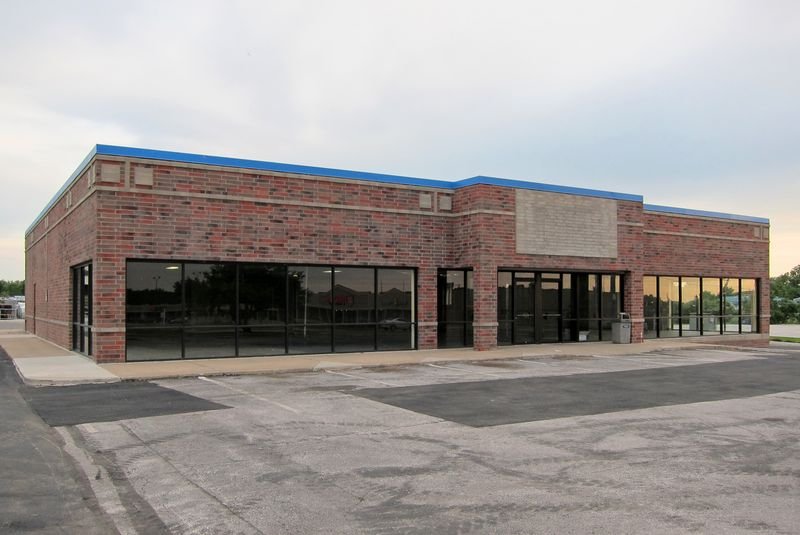
Blockbuster’s late fee structure was not accidental. By the early 2000s, late fees generated roughly $800 million annually — approximately 16 percent of total company revenue. Business Insider reported that the fee structure was intentionally confusing: a one-day late return on a new release could cost as much as the original rental. The company was operationally addicted to the income.
When CEO John Antioco finally killed late fees in January 2005, calling the “No More Late Fees” campaign the right move for customers, the policy cost $400 million in lost revenue in the first year. New Jersey Attorney General Peter Harvey sued, arguing the program was misleading — customers still owed a restocking fee after a grace period. Blockbuster settled for $630,000. The late fee era was finished, but the damage to the brand had already been done over two decades.
4. Blockbuster Online Was Actually Beating Netflix
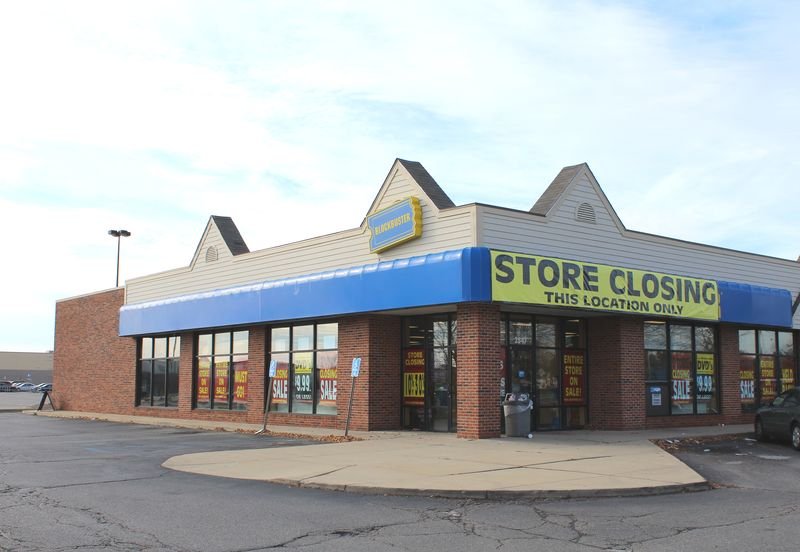
The version of Blockbuster history you hear least often: the company built a direct Netflix competitor and it was working. Launched in 2004, Blockbuster Online offered the same monthly subscription model as Netflix at the same price, with no late fees, plus the option to return DVDs to any physical store for an immediate in-store exchange. Netflix had no equivalent. By 2006, Blockbuster Online had reached two million subscribers and was growing faster than Netflix month over month.
Carl Icahn, who held a major stake in Blockbuster, opposed the strategy on cost grounds. He launched a proxy fight, replaced CEO John Antioco with Jim Keyes in 2007, and the online program was scaled back. Keyes made one of the most catastrophically wrong public predictions in corporate history: “I don’t see Netflix as a threat to the core business at all.” That quote was published in the Motley Fool in December 2008. As CNBC documented, Blockbuster filed for bankruptcy less than two years later.
5. At Peak, Blockbuster Was Bigger Than Starbucks
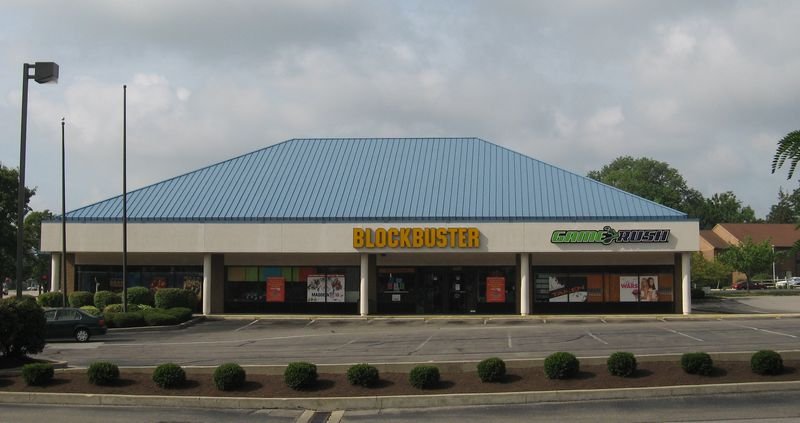
The numbers at Blockbuster’s 2004 peak: 9,094 stores across 25 countries, 60 million registered customers, 60,000 employees, and $6 billion in revenue. For comparison, Starbucks had approximately 8,500 locations that same year. The chain was not just a video store — it was one of the largest consumer retail footprints in the world, sustained entirely by the human need to watch movies at home on a Friday night.
Going to Blockbuster was a ritual. The drive over. The thirty-minute disagreement about what to rent. The wall of New Releases. The shelf-walk when the specific movie was out. The fallback to Previously Viewed. The checkout where the clerk recommended something you had no intention of watching and watched anyway. That social texture was the actual product, and no one understood how irreplaceable it was until it was gone.

6. Viacom Bought It for $8.4 Billion and Treated It as a Piggy Bank
In 1994, Viacom CEO Sumner Redstone acquired Blockbuster for $8.4 billion. The strategic goal was not to build video rental — it was to use Blockbuster’s cash flow to finance Viacom’s concurrent acquisition of Paramount Pictures. Blockbuster became the engine that paid for the movie studio that supplied the very tapes on its shelves. The money moved outward instead of back into infrastructure, technology, or the streaming transition that was coming.
By 2004, Viacom wanted out. The company spun Blockbuster off in an IPO that raised a fraction of the original $8.4 billion purchase price. Redstone publicly called it one of his biggest regrets. What he described as regret was really a ten-year extraction that left the company without the capital it would need to compete in the decade ahead.
7. The Last Blockbuster on Earth Is in Bend, Oregon
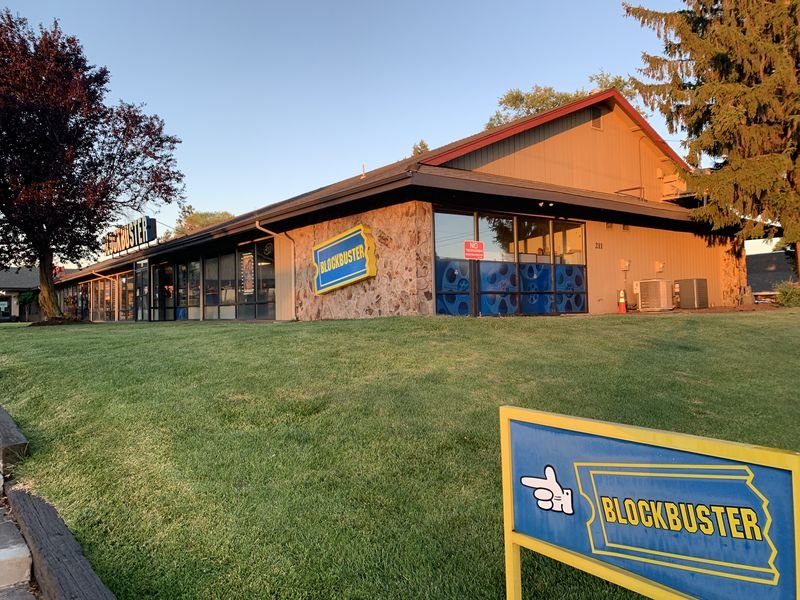
At its 2004 peak, Blockbuster ran 9,094 stores. By July 2018, four remained in the United States: three in Alaska and one in Bend, Oregon. The Alaska stores closed in July 2018 and March 2019. The Bend location — opened in 1992 as Pacific Video and converted to a Blockbuster franchise in 2000 — is now the last Blockbuster on Earth. It sits at 211 NE Revere Avenue and has become a legitimate tourist destination. People drive four hours from Portland to photograph the blue and yellow sign and walk the shelves.
General manager Sandi Harding, who has run the store since 2000, has turned down every buyout offer. She operates it as a functioning rental shop stocking around 6,000 VHS and DVD titles, still renting for $3–4 per night. Approximately 80 percent of the store’s revenue now comes from merchandise sales rather than rentals — T-shirts, hats, and tote bags printed with the Blockbuster logo. The store generates enough to stay open. Per Wikipedia’s documented record of the location, it has also appeared in a Netflix documentary, a Netflix comedy series, and a 2023 Super Bowl advertisement.
8. Airbnb Hosted a Sleepover Inside the Store
In September 2020, Airbnb listed the Bend Blockbuster as an overnight experience. For $4 per night — a direct reference to the old rental fee — two guests could book the store for an evening. They got to pick movies from the shelves, watch on a projector screen surrounded by rental cases, eat popcorn, and sleep in the middle of the store. The listing sold out in minutes and generated more media coverage than any Blockbuster marketing campaign had in fifteen years.
Airbnb and the store ran two additional one-night bookings in the months that followed. Each sold out. It was a pandemic-era pivot that worked because the nostalgia had never actually dissipated — it had just been waiting for a reason to surface. A Friday night in a Blockbuster, even a staged one, turned out to be exactly what people wanted when they couldn’t go anywhere else.
9. The Company Filed for Bankruptcy With $1 Billion in Debt
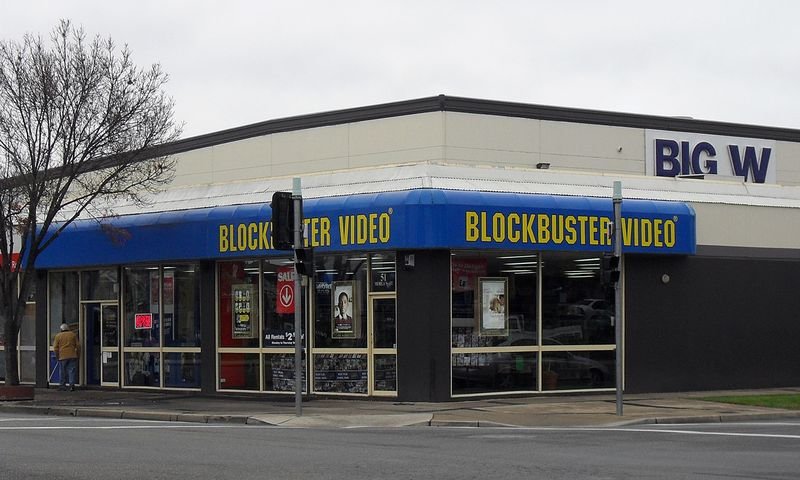
Blockbuster filed for Chapter 11 bankruptcy on September 23, 2010, listing $1.017 billion in debt. The company that Viacom had acquired for $8.4 billion sold at bankruptcy auction in April 2011 to Dish Network for $320 million. Dish had genuine ambitions for the brand. It rebranded remaining stores as Dish-enabled Blockbuster outlets and launched a streaming service called Blockbuster Movie Pass in 2012. By January 2013, the streaming service was quietly shuttered. By early 2014, the remaining physical stores — except for franchise locations — were closed.
The Bend, Oregon store survived because it had always been a franchise operation, legally separate from the corporate chain. Dish’s sale did not include franchise agreements. That technicality is the entire reason one Blockbuster still exists. Not nostalgia, not sentiment — a franchise contract that kept the Bend location independent through every corporate change above it.
Friday Night Is Still Somewhere Inside You
The last time most Gen X’ers walked out of a Blockbuster, they did not know it was the last time. That is true of most endings — you only know the final chapter in retrospect. Blockbuster did not just rent movies. It sold a version of Friday nights that did not require an algorithm to decide what you should watch next. The drive, the argument, the accidental discovery of something you would not have searched for. The Bend store is still there, still open, still charging $3 for a movie. Worth the drive, if you can make it.
For more 80s and 90s tech nostalgia, our look at the Sega Dreamcast — a console Blockbuster rented by the thousand — covers the gaming side of the era. The Fresh Prince of Bel-Air captures the same Friday night culture from the TV side. And for the other iconic technology of the rental era, pager codes hit exactly the same nerve.
Sources
- Business Insider — The Rise and Fall of Blockbuster — Timeline of Blockbuster’s founding, peak, and decline.
- CNBC — How Blockbuster Lost to Netflix — The $50 million Netflix offer, Blockbuster Online, and the Carl Icahn proxy fight.
- Wikipedia — Blockbuster LLC — Founding, Viacom acquisition, bankruptcy, and Dish sale figures.
- Wikipedia — Blockbuster (Bend, Oregon) — History and current operations of the world’s last Blockbuster.
The Retro Almanac
A monthly roundup of "on this day" highlights from that month, decades back — plus first dibs on new retro merch drops. No spam, just the good stuff.