Death of Disco: 7 Ways It Became 80s New Wave
Death of disco did not mean dance music vanished. It meant the glitter-ball mainstream cracked open, rock radio declared victory, and a bunch of artists quietly dragged the beat into stranger, cooler territory. If you ever wondered how Studio 54 excess turned into new wave, synth-pop, and early MTV style, this is the transition.
Gen X remembers the mood swing. One minute disco was everywhere, from roller rinks to mall speakers to Saturday night TV. The next minute people were wearing “Disco Sucks” shirts and acting like they had never owned a Bee Gees record in their lives. That backlash was real, but it was also messy, selective, and more than a little hypocritical. Plenty of the same people who claimed disco was dead kept dancing to songs built from the same pulse, just with skinnier ties and more synthesizers.
Death of Disco started with a bang, not a fade-out
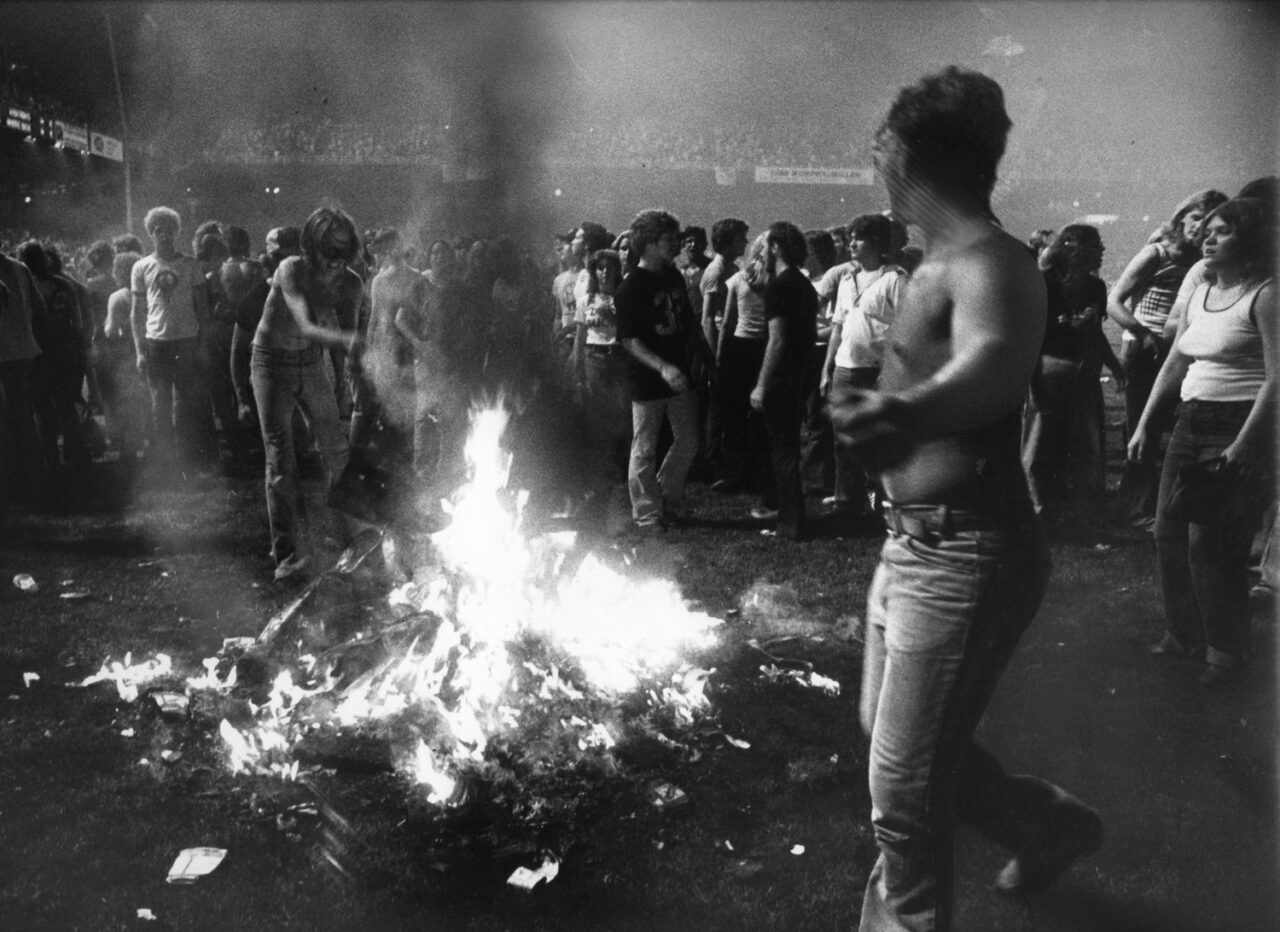
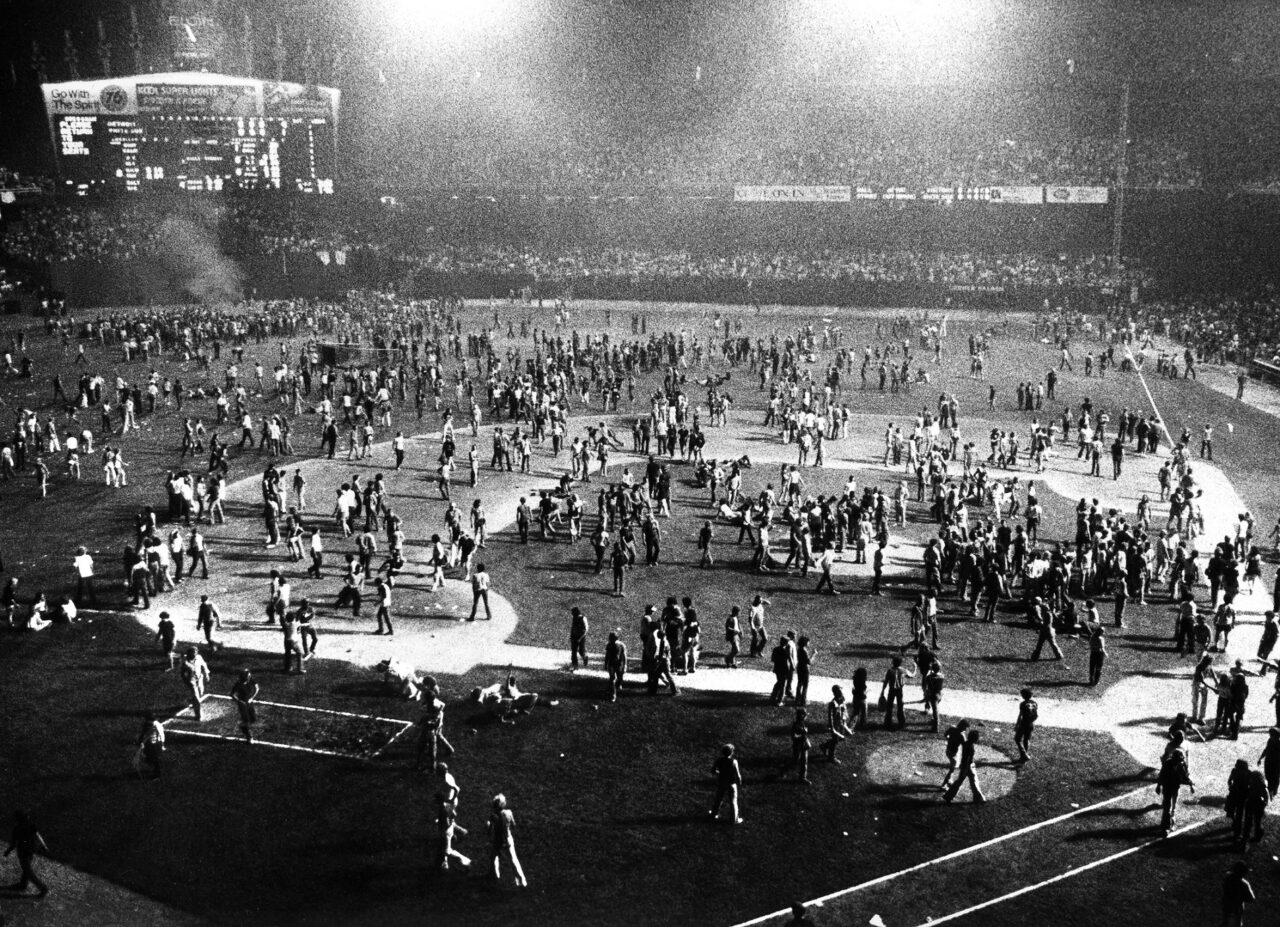
The symbolic moment was Disco Demolition Night at Comiskey Park on July 12, 1979. Chicago White Sox promoters and radio provocateur Steve Dahl told fans to bring disco records for a discounted ticket, then blew the pile up between games. The crowd stormed the field, lit fires, ripped up the turf, and forced a forfeit. What was sold as a goofy baseball stunt instantly became pop-culture mythology: the night disco died.
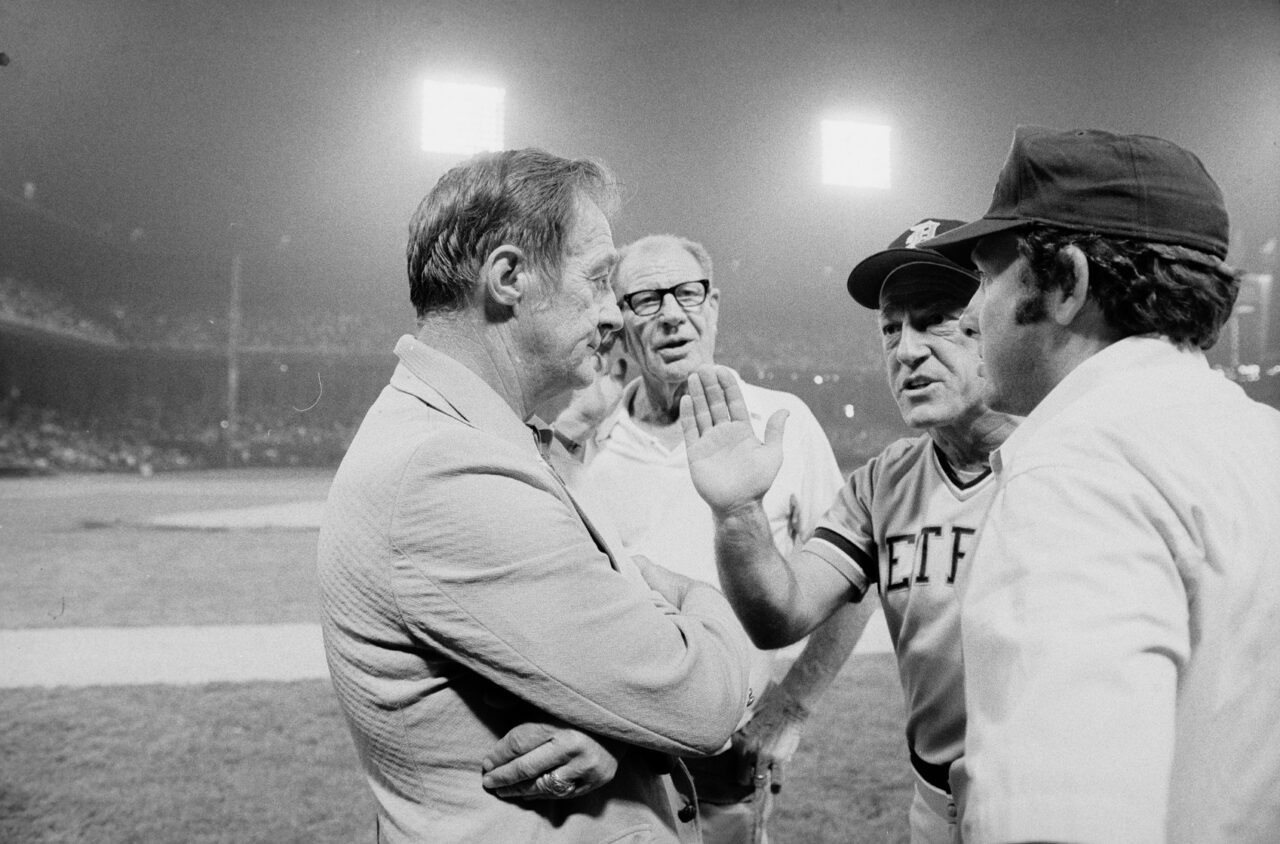
Except disco did not actually die there. What died was disco as an easy punchline-free commercial giant. By 1979, the market was already flooded with bad cash-in records, cheap imitation acts, and every possible product trying to slap a mirror-ball label on itself. The genre had become too visible, too profitable, and too easy to resent. The riot was more like a rotten cherry on top of a backlash that was already building.
The backlash was about more than music
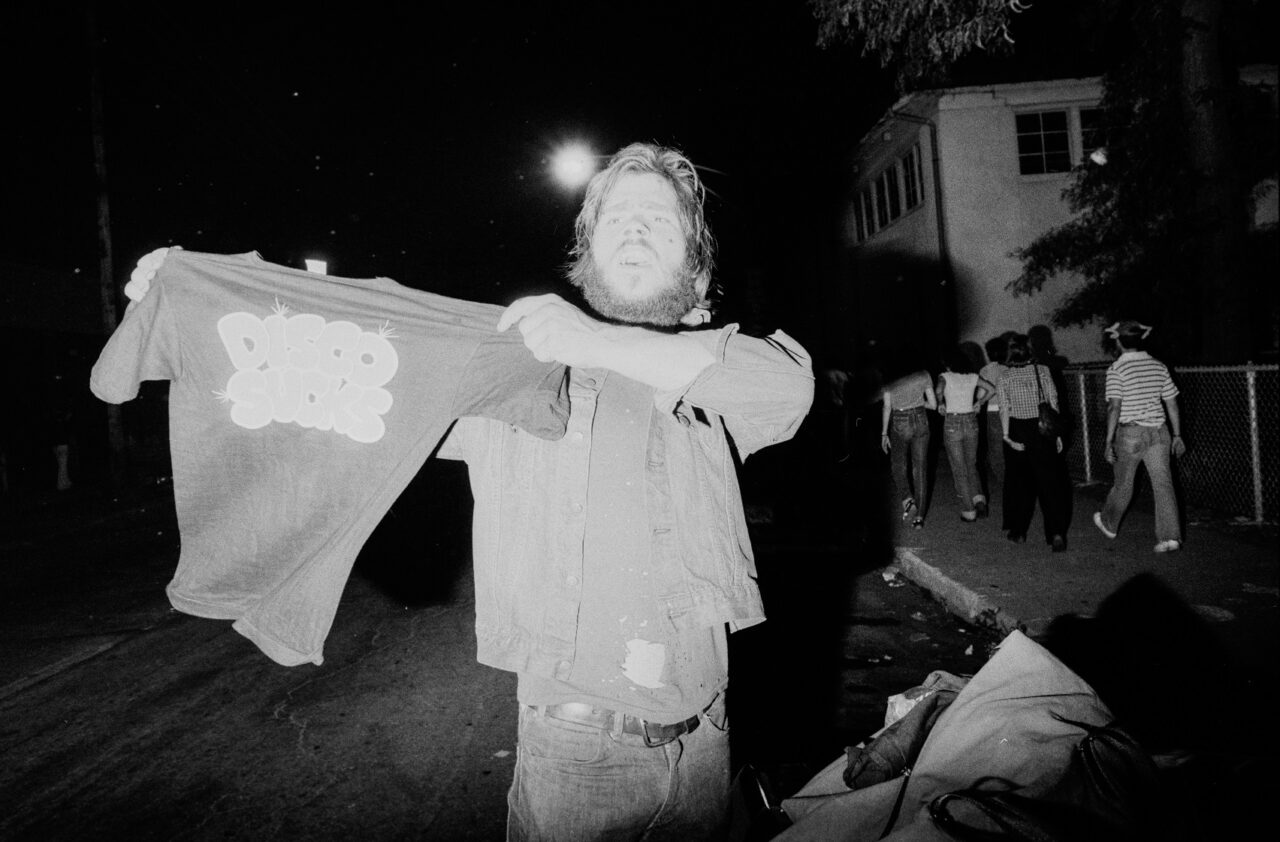
Here is the part that gets flattened in lazy nostalgia. Disco was rooted in Black, Latino, and queer club culture before the mainstream grabbed it. That meant the anti-disco backlash was never just about overplayed songs. The Chicago History Museum notes that attendees brought not just disco LPs but funk and R&B records too, and plenty of critics since have pointed out how much resentment toward disco overlapped with resentment toward the people who built it.
The “Disco Sucks” slogan let rock fans present themselves as defenders of authenticity, but a lot of that was branding. Rock radio programmers found that hating disco was marketable. It gave suburban white male listeners a tribe to join. Meanwhile, the actual dance floor kept evolving underground. That is why the story matters. The end of disco was not an extinction event. It was a hostile rebrand.
The Bee Gees problem, and why everybody suddenly pretended they never danced
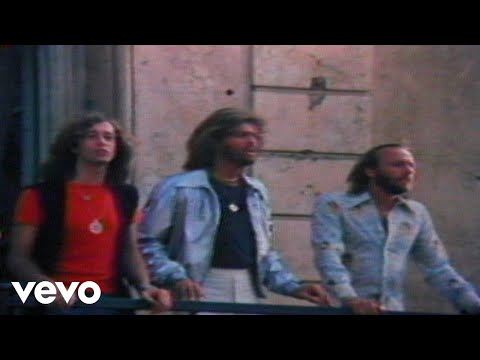
The Bee Gees became the easiest target because Saturday Night Fever had made disco so unavoidable. Once a style dominates radio, movies, clubs, and department-store speakers, it becomes fun to hate. That is how pop works. One day you are the future, the next day you are the embarrassing thing people swear their older cousin liked.
But even if listeners backed away from the white suit image, they kept plenty of the musical DNA. Four-on-the-floor rhythm did not vanish. Falsetto hooks did not vanish. Extended dance mixes did not vanish. Producers just started dressing those ingredients differently. Some tracks got moodier and more electronic. Others borrowed punk attitude or art-school weirdness. The beat survived the haircut.
Donna Summer and Chic showed the future was electronic
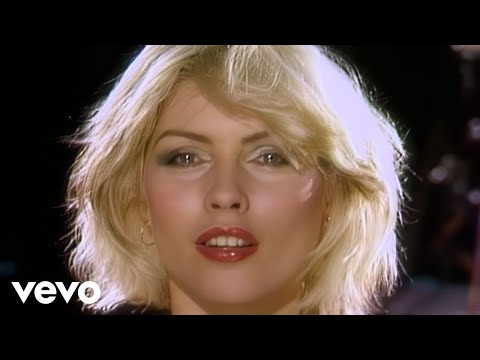
If you want the cleanest bridge from disco to the 80s, start with Donna Summer and Giorgio Moroder. “I Feel Love” sounded like tomorrow before the decade even turned. Its sequenced pulse and cool synthetic sheen pointed straight toward synth-pop, club music, and the machine-driven side of the 80s. Chic did something similar from another angle. Nile Rodgers and Bernard Edwards were making dance music so tight and rhythmic that later pop, house, and post-disco acts would keep strip-mining it for decades.
That is the real plot twist. Disco’s most durable legacy was not the camp stereotype. It was the production logic. Long grooves for DJs. Rhythm sections built for dancers. Studio craft that understood repetition as pleasure, not laziness. Those ideas flowed directly into house, electro, and most of the pop music that would dominate the next decade.
Blondie proved the crossover was already happening
Before the 80s officially arrived, some artists were already sneaking across the border. Blondie’s “Heart of Glass” is the perfect example. It had disco glide, new wave cool, punk-adjacent credibility, and enough style to survive every scene war happening around it. If you play that song now, nobody argues about genre. They just accept it as a classic. In 1979, though, it showed exactly where pop was heading.
The same thing happened across late-70s radio. You started hearing cleaner drum machines, icier synth lines, and vocals delivered with more detachment. The sweaty communal ecstasy of disco did not disappear, but it got sharpened into something leaner. The dance floor stayed central, only the fashion and emotional temperature changed.
Talking Heads and new wave made dance music safe for weird kids
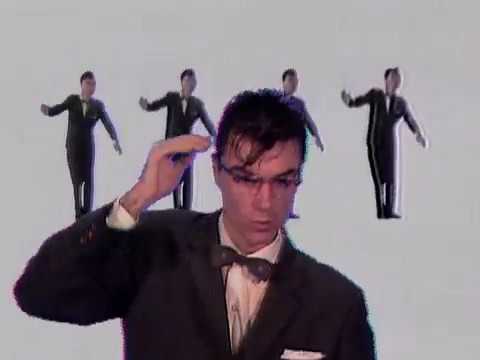
Once the 80s started, new wave gave danceable music a new cultural passport. Suddenly you could move to the beat without admitting you liked disco. Talking Heads, Blondie, The B-52s, and later acts like Depeche Mode or Duran Duran all benefited from that opening. Some leaned art-school, some leaned glam, some leaned robotic, but they shared a willingness to make dance music for people who wanted edge with their rhythm.
Talking Heads matter here because they helped turn groove into something cerebral without draining the fun out of it. By the time “Once in a Lifetime” hit, the world had already shifted. The bass still mattered. Repetition still mattered. But now the vibe was more angular, more ironic, more urban-modern. It felt like disco had put on a thrift-store suit and started reading magazines about architecture.
MTV finished the transition
When MTV launched in 1981, the visual center of pop moved again. Disco had been about clubs, community, nightlife, and physical release. Early MTV was about image, editing, attitude, and repeatable iconography. New wave and synth-pop were perfect for television because they looked good in motion. Sharp jackets, dramatic makeup, strange sets, moody lighting, memorable poses. You could package it.
That shift mattered because it changed how kids discovered music. Instead of hearing a twelve-inch mix at a club, you saw a band build a world in four minutes on television. The 80s did not reject dance culture. It translated it into a format the suburbs could consume at home after school. The clubs remained the laboratory, but MTV became the showroom.
Chicago and New York turned disco’s ashes into house and hip-hop
While the mainstream congratulated itself for killing disco, DJs in Chicago and New York kept pushing the records that still worked on a floor. Extended mixes, dub versions, stripped-down grooves, drum breaks, and synth basslines all kept circulating. As Music Origins Project points out, Chicago’s house scene and other dance forms came directly out of that supposedly dead culture.
That continuity is the piece people miss when they treat 1979 like a hard reset. House music did not appear from nowhere. Neither did the club remix culture of the 80s. Neither did the confidence producers had in the DJ as a central figure. Disco built the infrastructure, musically and socially. The name changed. The movement kept going.
You can hear a parallel story in early hip-hop too. DJs were isolating breaks, extending rhythm, and treating records as raw material. Different scene, different priorities, but the same broad idea that the groove could be engineered, repeated, and reimagined for bodies in a room.
Why this transition still feels so Gen X
Maybe that is why this whole moment still lands so hard for Gen X. It was not tidy. Nobody filled out change-of-era paperwork. You just woke up one day and the culture had new hair, colder keyboards, and less patience for open enthusiasm. The 80s rewarded style and stance. Disco had been lush, communal, sensual, and proudly excessive. New wave turned some of that energy inward and made it chic to look a little detached while dancing anyway.
That does not make one era better than the other. It just means the transition tells the truth about pop culture. Styles do not disappear because they are beaten fairly in some noble battle. They get mocked, absorbed, repackaged, and sold back under new names. The kids who trashed disco records in 1979 helped create the market for music that still borrowed its pulse. That is the funniest part of the whole story.
If you line up Donna Summer, Blondie, Talking Heads, early synth-pop, house, and even big chunks of 80s radio, the thread becomes obvious. Disco did not die. It shape-shifted. The sequencers got brighter, the outfits got stranger, and the guilt about liking dance music got hidden behind cooler branding.
So when people ask how disco became the 80s, the answer is simple. Through backlash, reinvention, and a lot of selective memory. The riot at Comiskey Park made a great headline. The real history happened afterward, in studios, clubs, and video channels where the beat kept mutating into the sound of the next decade. If you danced to new wave, synth-pop, freestyle, house, or early club mixes, you were still living in disco’s afterlife.
And honestly, that feels right. The music everyone swore they hated turned out to be too useful, too physical, and too alive to stay buried. That is not a failure. That is a takeover.
More Retro Radical rabbit holes
- Breakin’ and Breakin’ 2: Electric Boogaloo
- 1-900 Numbers and Party Lines
- 90s Internet Culture: AOL, AIM, Napster
Sources
- Britannica, Disco Demolition Night — overview of the event, the riot, and why it still matters.
- Chicago History Museum, Disco Demolition Night at Comiskey Park — detailed event history and context on the backlash.
- Music Origins Project, Old Comiskey Park and Disco Demolition Night — notes on the event’s aftermath and its link to house music.
- Bee Gees, “Stayin’ Alive” — a reminder of how dominant disco had become before the backlash.
- Donna Summer, “I Feel Love” — essential bridge from disco into electronic 80s pop.
- Blondie, “Heart of Glass” — key crossover record joining disco and new wave.
- Talking Heads, “Once in a Lifetime” — emblematic of the cooler, artier dance sound of the early 80s.