The Turntable Was the Instrument: How Old School Hip-Hop Built a World Between 1979 and 1989
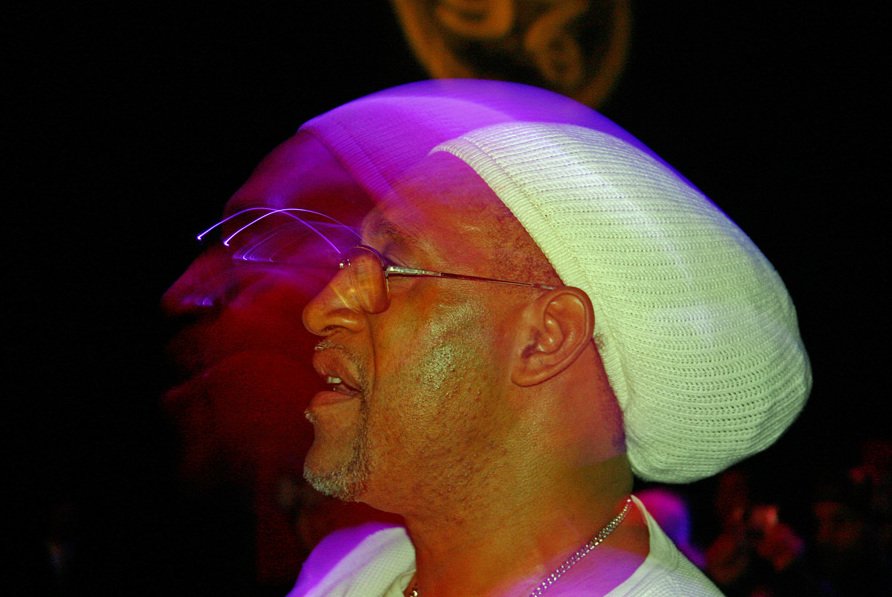
On the night of August 11, 1973, a teenager named Clive Campbell — better known as DJ Kool Herc — set up two turntables in the recreation room of 1520 Sedgwick Avenue in the South Bronx and threw a back-to-school party. He isolated the percussion breaks in funk and soul records, looping them back and forth between two copies of the same record so the beat never stopped. Nobody called what he was doing “hip-hop” that night. But what Kool Herc invented in that basement would spend the next sixteen years growing into something that would change music, culture, fashion, and language permanently. By the time 1989 gave way to 1990, hip-hop was no longer a neighborhood art form. It was the most vital creative movement in America, and its founding decade — 1979 to 1989 — had laid every brick.
The Party Before the Record Deal
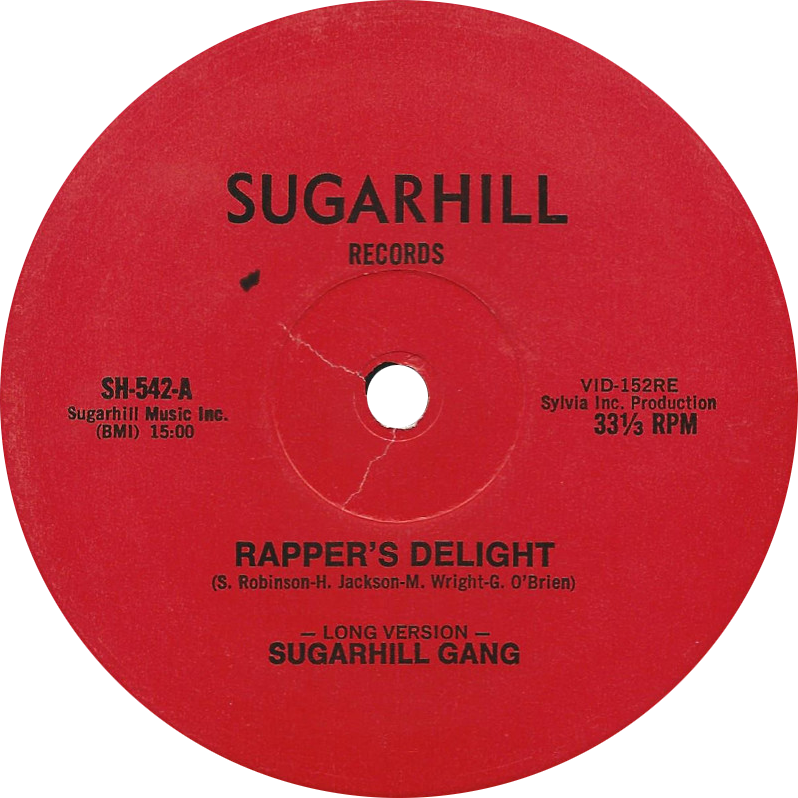
What made the old school era extraordinary was how genuinely grassroots it was. Kool Herc, Afrika Bambaataa, and Grandmaster Flash were the three founding architects of hip-hop, and none of them started with a label, a manager, or a marketing budget. Herc invented the break technique — cutting between two copies of the same record to extend the percussion section indefinitely, giving dancers what they actually came for. Bambaataa founded the Universal Zulu Nation, an organization explicitly designed to redirect gang energy into creative competition: b-boy battles, DJ battles, graffiti art, and MC battles. Four elements, one culture, built in one of the most economically devastated urban neighborhoods in America.
Grandmaster Flash perfected the technical art of DJing, developing techniques like punch phrasing, back-spinning, and scratching that turned the turntable into a virtuosic instrument capable of expressiveness no one had imagined before. These weren’t musicians in the traditional sense. They were engineers of sound, finding melody and rhythm in records that had already been made, recombining them into something new. The South Bronx in the mid-1970s was a neighborhood hemorrhaging people, resources, and hope — landlords were burning their own buildings for insurance money, the city had essentially abandoned it. What Herc, Bambaataa, and Flash built in that context was an act of cultural defiance so complete it took decades to fully understand.
The Retro Almanac
A monthly roundup of "on this day" highlights from that month, decades back — plus first dibs on new retro merch drops. No spam, just the good stuff.
Rapper’s Delight and the Record That Opened the Door
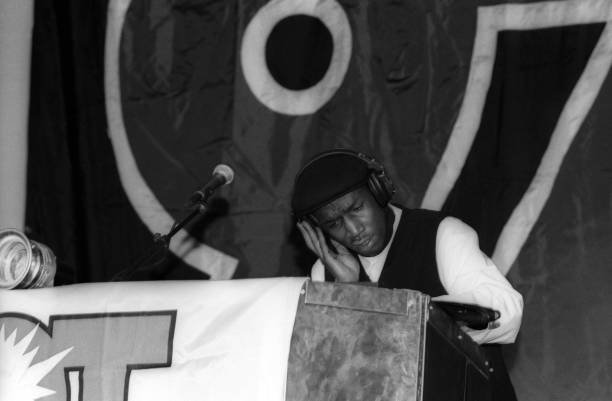
The commercial era of old school hip-hop has a clear starting gun: September 1979, when the Sugarhill Gang released “Rapper’s Delight” on Sugar Hill Records. The song was fifteen minutes long in its original form. It borrowed the bass line from Chic’s “Good Times.” And it introduced millions of people — most of whom had never set foot in the South Bronx — to this new thing called rap music. “Rapper’s Delight” reached number 36 on the Billboard Hot 100 and charted internationally in ways that shocked everyone, including the people who made it. It wasn’t the most authentic representation of what was actually happening in the Bronx — the Sugarhill Gang weren’t from the scene — but it opened a door that couldn’t be closed.
What followed was a rapid expansion built on independent labels, 12-inch singles, and a hustle-driven DIY ethic. Sugar Hill Records, founded by Sylvia Robinson, became the first significant hip-hop label, releasing records by Grandmaster Flash and the Furious Five, the Sequence, and others. Enjoy Records, run by Bobby Robinson, put out early cuts by Spoonie Gee and the Treacherous Three. This wasn’t a corporate music industry machine — it was entrepreneurs, many of them Black women and men from the community, betting everything on something they believed in before anyone on the outside did.
The Message: When Hip-Hop Refused to Just Be a Party
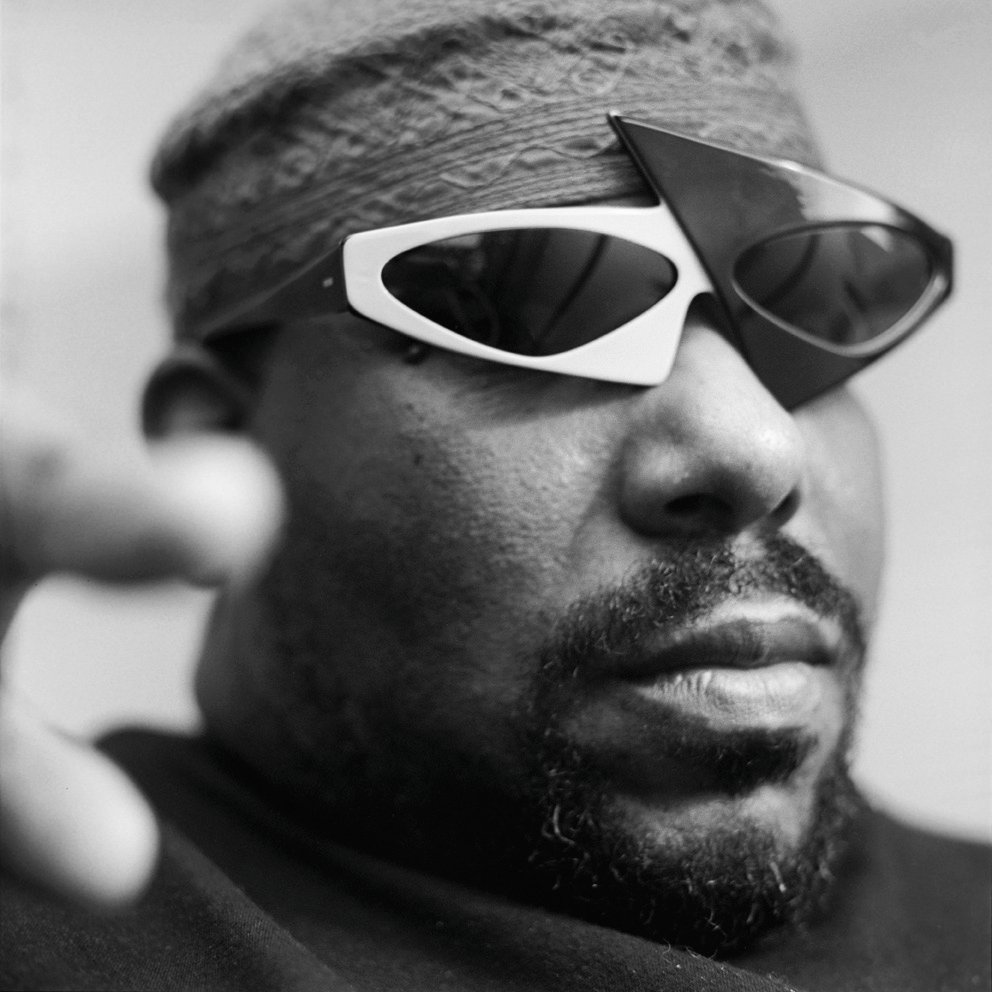
If “Rapper’s Delight” was the commercial opening act, then Grandmaster Flash and the Furious Five’s “The Message” in 1982 was the moment hip-hop announced it was here to say something real. The song depicted life in the South Bronx with unflinching specificity — broken glass, junkies, the relentless psychological pressure of poverty and violence — in a way that no mainstream pop song of the era was willing to touch. “It’s like a jungle sometimes / It makes me wonder how I keep from going under” became one of the most quoted lines in popular music history. “The Message” charted strongly on both sides of the Atlantic and was later named by Rolling Stone as one of the 500 greatest songs ever recorded. It proved that hip-hop wasn’t a novelty act. It was journalism.
That same year, Afrika Bambaataa and the Soulsonic Force released “Planet Rock,” which took Kraftwerk’s stark electronic minimalism and merged it with hip-hop rhythm to invent electro. The influence of “Planet Rock” radiated outward in every direction for decades — you can draw a direct line from that record to Detroit techno, Miami bass, Chicago house, and UK rave culture. Hip-hop was barely three years into its commercial life and it was already cross-pollinating with global music in ways that nobody had anticipated and nobody could control.
Run-DMC and the Crossing Over
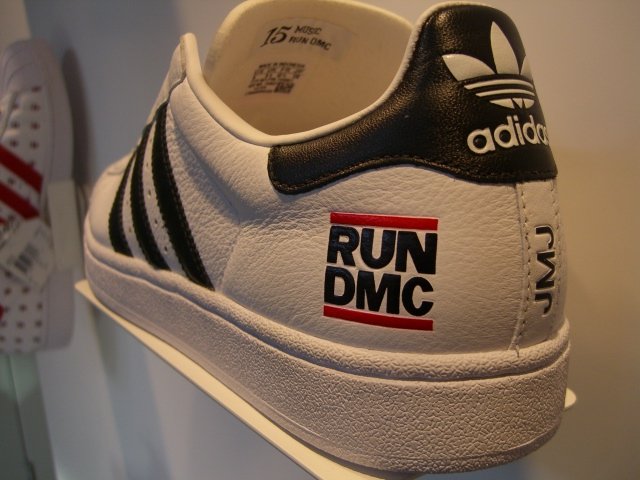
By 1983, a trio from Hollis, Queens, had signed to Profile Records and were about to change hip-hop’s aesthetic permanently. Run-DMC — Joseph Simmons, Darryl McDaniels, and Jam Master Jay — stripped hip-hop down to its most essential elements: hard drum machine beats, a heavy bottom end, and two MCs trading lines with the precision and timing of a conversation. They wore Adidas tracksuits, Kangol hats, and shell-toe Adidas sneakers with no laces, and they refused to dress like the rhinestone-and-sequins R&B artists of the era. Their look said: this is street music, and we’re not pretending otherwise. When Adidas eventually came to them with an endorsement deal — reportedly after witnessing the crowd’s reaction to the song “My Adidas” at a Madison Square Garden show — it became the first major corporate sponsorship in hip-hop history.
Their 1986 collaboration with Aerosmith on “Walk This Way” remains one of the most culturally significant moments in music history. It brought hip-hop to rock radio audiences who had never paid attention, and it brought Aerosmith back from near-irrelevance to a new generation of fans. It was also the moment hip-hop officially became a crossover commercial force. Run-DMC’s album Raising Hell became the first hip-hop album to go platinum, and “Walk This Way” cracked the top five on the Billboard Hot 100. After that, the major labels could no longer pretend they didn’t hear something happening.
LL Cool J, the Beastie Boys, and the Def Jam Years
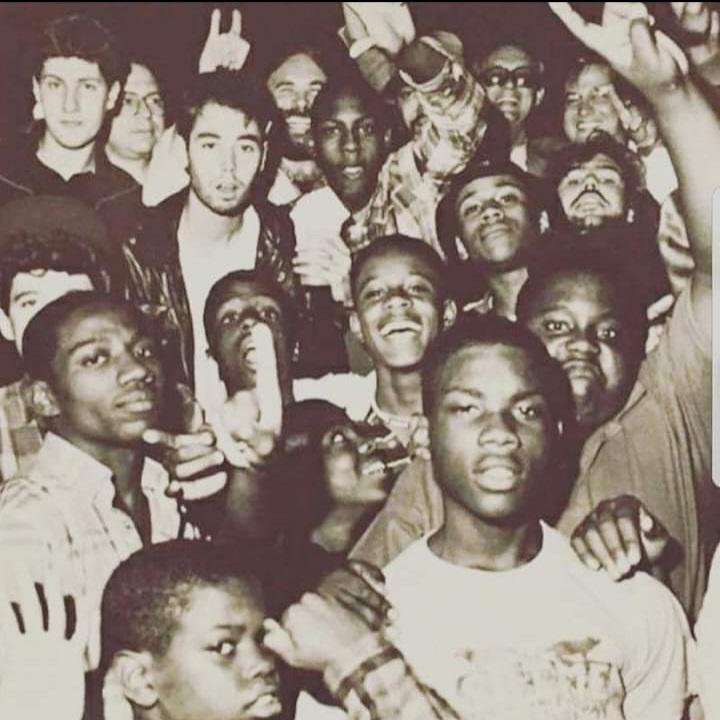
If Run-DMC crossed hip-hop over, Def Jam Recordings — founded by Rick Rubin and Russell Simmons in 1983 — industrialized the crossover and turned it into a business model. The label’s early roster reads like a founding document of old school hip-hop: LL Cool J, the Beastie Boys, Public Enemy, Slick Rick, Big Daddy Kane. LL Cool J was seventeen years old when he released “I Need a Beat” as Def Jam’s first commercially distributed single in 1984. His debut album Radio (1985), produced by Rubin, was raw, minimal, and immediately influential — just a drum machine, a turntable, and a teenager from Queens who could genuinely rap. His 1987 love rap “I Need Love” proved hip-hop could chart a ballad. He was the genre’s first genuine pop star, and he knew it.
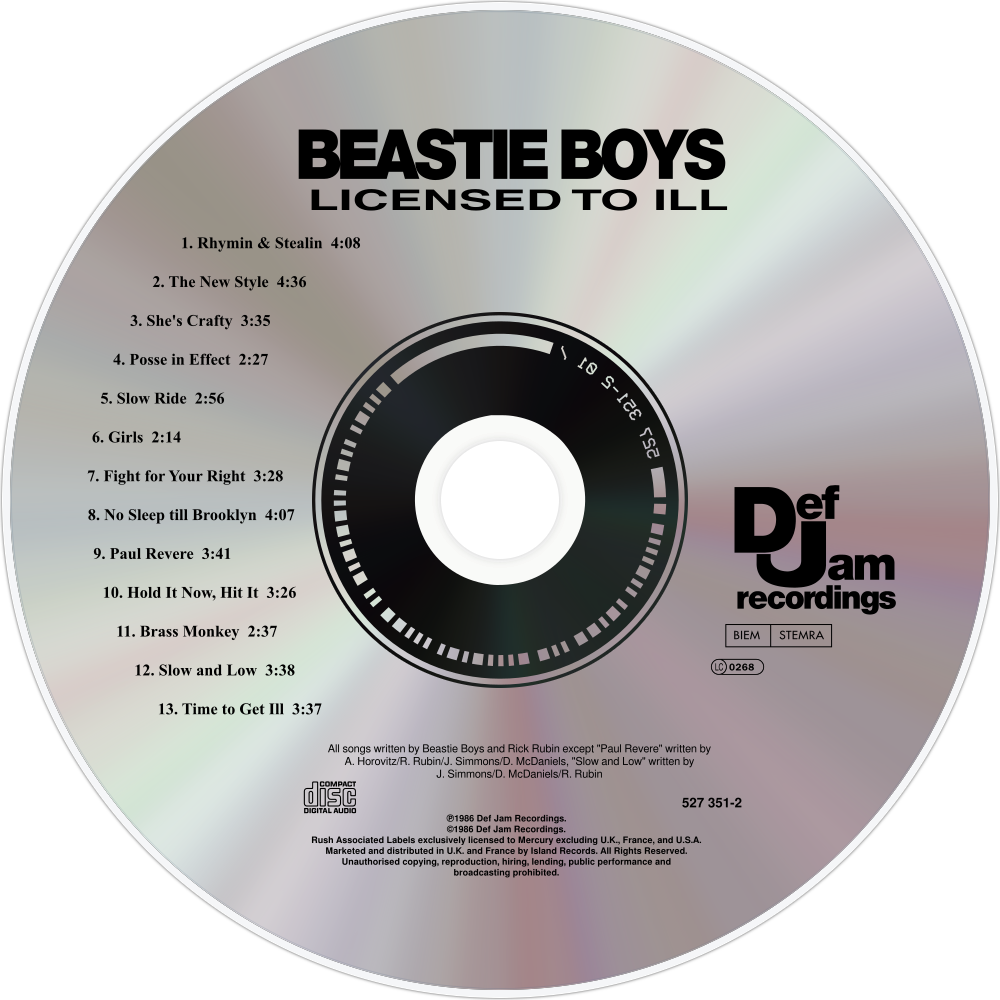
The Beastie Boys arrived from a completely different direction — three young men from Manhattan who had started as a hardcore punk band and found hip-hop through Rubin’s DJ sets and downtown New York’s cross-pollinated scene. Their 1986 debut Licensed to Ill was a spectacle: juvenile humor, sampled guitar riffs, pop culture references, and genuine MC ability wrapped in a package so audacious and funny that it was impossible to ignore. It became the first rap album to hit number one on the Billboard 200. Critics who dismissed it as a novelty missed how technically sharp the rhymes were, how precisely Rubin’s production captured the scrappy, irreverent energy of the street, and how deeply embedded in hip-hop culture the group actually was.
Public Enemy and the End of an Innocent Era
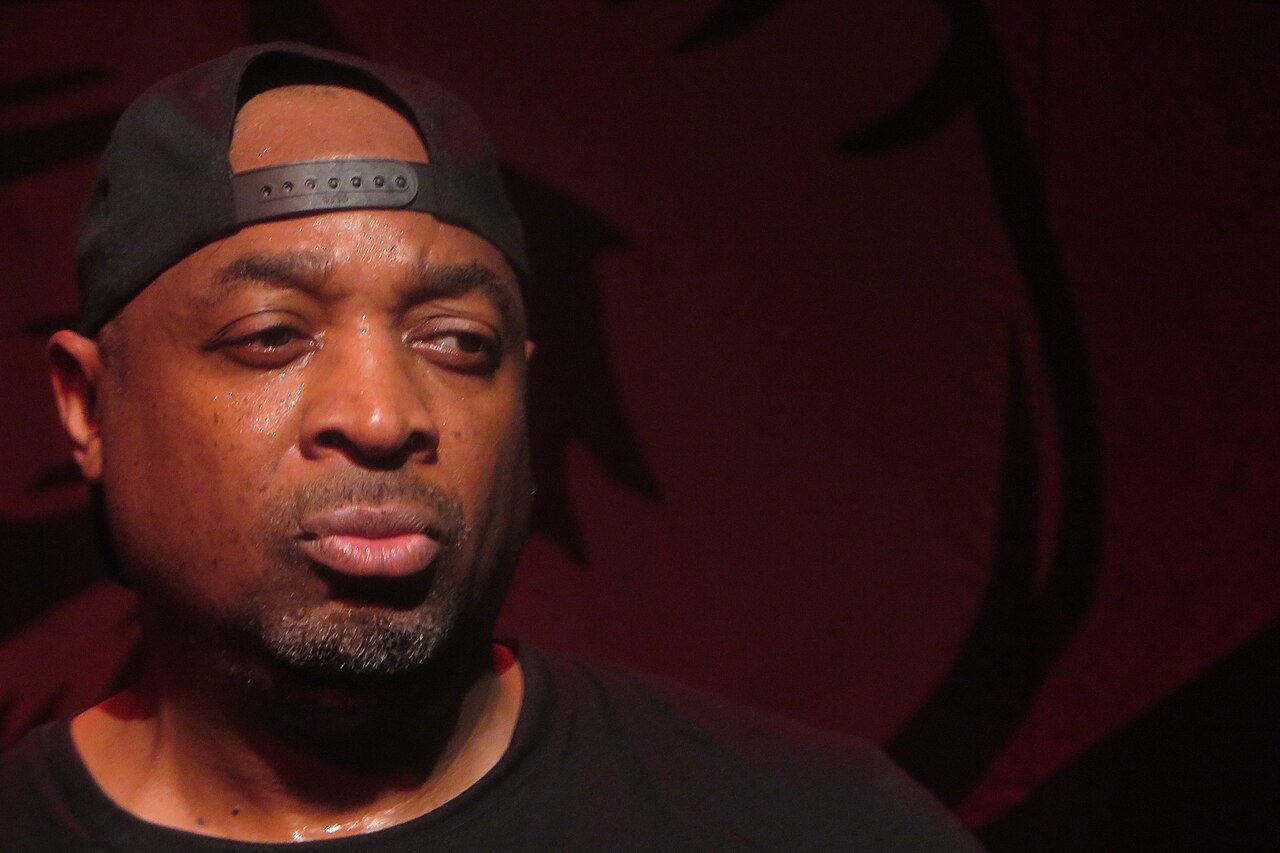
Old school hip-hop ended not with a fade-out but with a detonation. Public Enemy’s It Takes a Nation of Millions to Hold Us Back, released in 1988, was unlike anything that had come before it. Chuck D delivered lyrics with the cadence and urgency of a political speech — dense, allusion-packed, rhythmically complex verses about race, power, media, and resistance. Flavor Flav provided comedic counterweight. The Bomb Squad — Hank Shocklee, Chuck D, Eric Sadler, and Keith Shocklee — produced a wall of noise that layered dozens of samples, sirens, and fragments into a dense, overwhelming sonic argument. Critics who were still skeptical about hip-hop’s artistic validity were forced to reckon with an album that was undeniably ambitious, technically complex, and politically urgent. It Takes a Nation was widely cited as one of the greatest albums ever made, regardless of genre.
By 1989, hip-hop had completed its entire first act. It had been born in a South Bronx rec room, sold its first record on a small independent label in New Jersey, built a culture around four elements and community pride, crossed over to rock radio, gone platinum, gone political, and gone global. NWA’s Straight Outta Compton (1988) had brought West Coast gangsta rap to the mainstream, cracking hip-hop’s New York-centric geography open for the first time. The “old school” era was giving way to the Golden Age — but everything that followed was built on the foundation laid between 1979 and 1989, brick by deliberate brick.
Why It Still Echoes
Gen X grew up with old school hip-hop as the background music of adolescence — whether you were in the Bronx, in suburban New Jersey, in London, or anywhere else the signal could reach. “Rapper’s Delight” was on the radio in 1979 when we were kids. “Walk This Way” was on MTV in 1986 when we were teenagers. Public Enemy was in our tape decks in 1988 when we were starting to figure out how the world actually worked. What that decade of music gave us wasn’t just great songs. It gave us a new way of thinking about what music could do: sample everything, say something real, represent where you came from, and build your culture from the ground up with whatever tools you could find.
That ethos — scrappy, self-made, uncompromising, rooted in community — is why hip-hop became the most dominant popular music of the following three decades. It started with a turntable and two copies of the same record at a party in the South Bronx. Everything after that was just the reverb.
Sources
Wikipedia: Grandmaster Flash and the Furious Five | Wikipedia: Rapper’s Delight | Wikipedia: It Takes a Nation of Millions to Hold Us Back | Wikipedia: Licensed to Ill | Rolling Stone | Smithsonian Magazine
The Retro Almanac
A monthly roundup of "on this day" highlights from that month, decades back — plus first dibs on new retro merch drops. No spam, just the good stuff.