KISS 80s Albums Ranked: Every Record From 1981 to 1989, Worst to Best
Few bands defined the contradictions of the 1980s quite like KISS. They entered the decade as the self-proclaimed “hottest band in the world” — a pyrotechnic circus act in greasepaint and platform boots who had sold out stadiums across the globe. Then the decade got weird. The makeup came off. The hair got bigger, chasing the hair metal bands ruling the Sunset Strip. The synths crept in. Band members came and went like revolving door act replacements. And yet, through all of it, KISS somehow stayed relevant, released seven studio albums, and managed to score some of the biggest hits of their career.
The KISS 80s albums ranked debate has raged among rock fans for decades. Were they sellouts? Were they survivors? The answer, as always with KISS, is somewhere in the middle — and it depends entirely on which of the seven records you’re talking about. From prog-rock disaster to platinum comeback, here is every KISS album from the 1980s ranked from worst to best, with the full story behind each one.
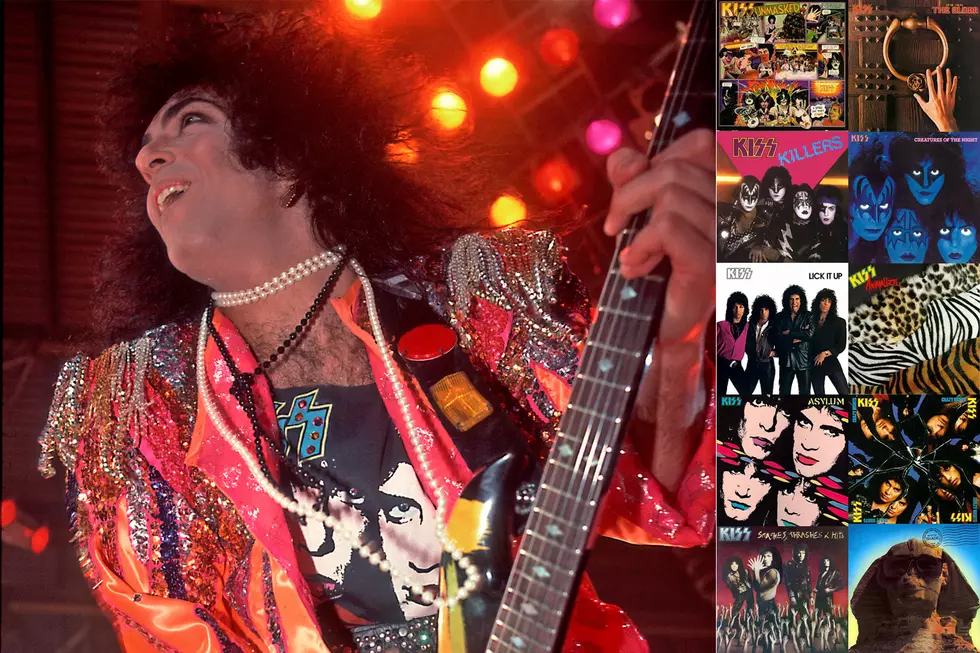
Before we dive in, here’s the full roster of albums we’re covering: Music from “The Elder” (1981), Creatures of the Night (1982), Lick It Up (1983), Animalize (1984), Asylum (1985), Crazy Nights (1987), and Hot in the Shade (1989). Seven albums across nine years, four guitarists, one drummer lost to illness, and one of rock history’s most dramatic image reinventions.
The Retro Almanac
A monthly roundup of "on this day" highlights from that month, decades back — plus first dibs on new retro merch drops. No spam, just the good stuff.
#7 (Worst): Music from “The Elder” (1981) — The Prog Rock Misfire That Almost Ended Everything
If you want to understand how KISS ended up taking off their makeup in 1983, you have to understand Music from “The Elder” first — because this album is the moment everything started to crack. Coming off the disco-tinged Dynasty (1979) and the pop experiment Unmasked (1980), the band was already adrift when Gene Simmons dreamed up a grandiose concept: a fantasy film soundtrack built around a mythological hero named “The Boy.” Producer Bob Ezrin — the man behind Pink Floyd’s The Wall — was brought in to execute the vision, and Lou Reed was even recruited to co-write the track “World Without Heroes.”
The result was, by Simmons’ own later admission, a folly. Music from “The Elder” is a ponderous, overproduced concept album that sounds nothing like KISS. There are orchestral swells, choral arrangements, and prog-rock suites that feel utterly disconnected from the band that once declared themselves “Detroit Rock City.” The intended film never materialized. The album sold so poorly that KISS didn’t even bother mounting a full supporting tour. It remains one of the most commercially catastrophic releases by any major rock band of its era, with some critics placing it among the worst albums ever released by a major act.
The fallout was severe. Ace Frehley, already disenchanted with the band’s direction, departed during the recording process. The album marked the beginning of a parade of guitarist replacements that would define the rest of the decade. Eric Carr, the replacement drummer who had joined in 1980, was one of the only bright spots — a powerhouse behind the kit who deserved far better material.
Best tracks: “The Oath,” “Dark Light,” “World Without Heroes”
Chart position: Did not chart significantly in the US; the album failed to go Gold for years
Verdict: A fascinating disaster — historically important as the bottom of the barrel that forced the band to rebuild, but essentially unlistenable as a KISS album
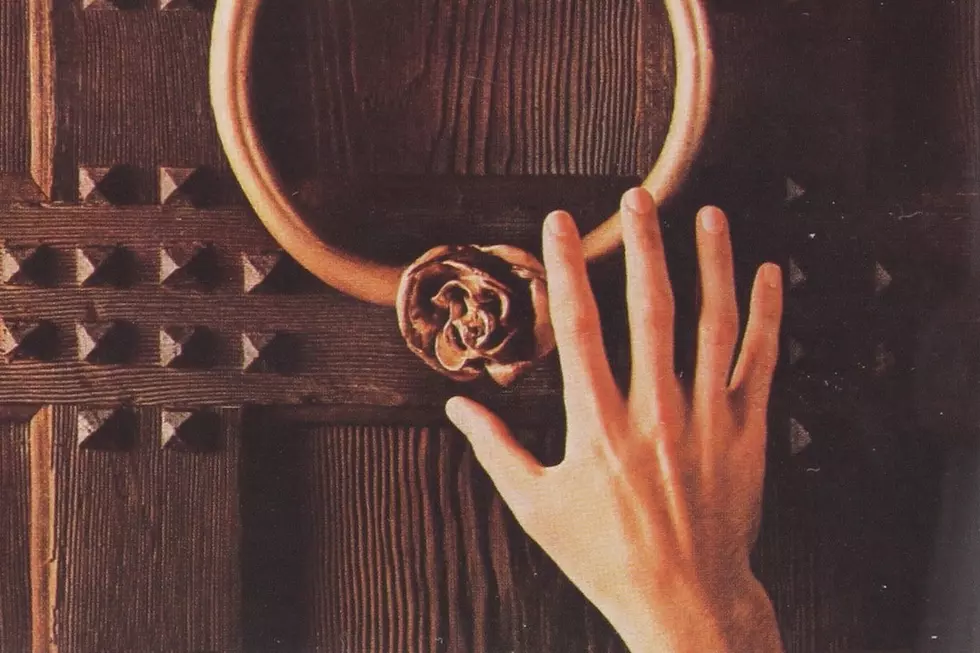
#6: Hot in the Shade (1989) — The Decade’s Exit, With One Surprise Hit
Closing out the decade with a 15-track double-album’s worth of material, Hot in the Shade is the most bloated release in the KISS 80s catalog and also the most bittersweet. It arrived in October 1989, self-produced by the band — no outside producer, no hit-chasing formula — and it largely sounds like it. There are some genuinely good hard rock tracks buried in the sprawl, particularly the opener “Rise to It” which recaptures some of the old energy, and “Betrayed” which has a satisfying crunch to it.
But the album is defined by “Forever,” an unabashedly glossy power ballad co-written by Paul Stanley and a pre-superstardom Michael Bolton. Released as the second single in early 1990, “Forever” became the biggest surprise of KISS’s unmade-up era: it peaked at #8 on the Billboard Hot 100, making it the band’s highest-charting single since “I Was Made for Lovin’ You” hit #11 back in 1979. That’s eleven years of waiting for a Top 10 hit, and it finally came from a song that sounds more like an adult contemporary radio staple than anything resembling the Demon and the Starchild at their peak.
The album was certified Gold quickly on the strength of that single, but it was the first KISS album since Creatures of the Night not to reach Platinum. The supporting tour was massive, and the set wisely mixed in classic 70s material. There is also a layer of sadness surrounding this record: Eric Carr, the beloved drummer who had been with the band since 1980, began experiencing health problems around this time. He would be diagnosed with heart cancer and pass away in November 1991. Hot in the Shade is effectively his last full album with the band.
Best tracks: “Rise to It,” “Forever,” “Betrayed,” “Boomerang”
Chart position: “Forever” peaked at #8 Billboard Hot 100 (1990); album certified Gold
Verdict: Too long, too inconsistent, but “Forever” is an undeniable moment and Eric Carr’s final full statement as a member of KISS
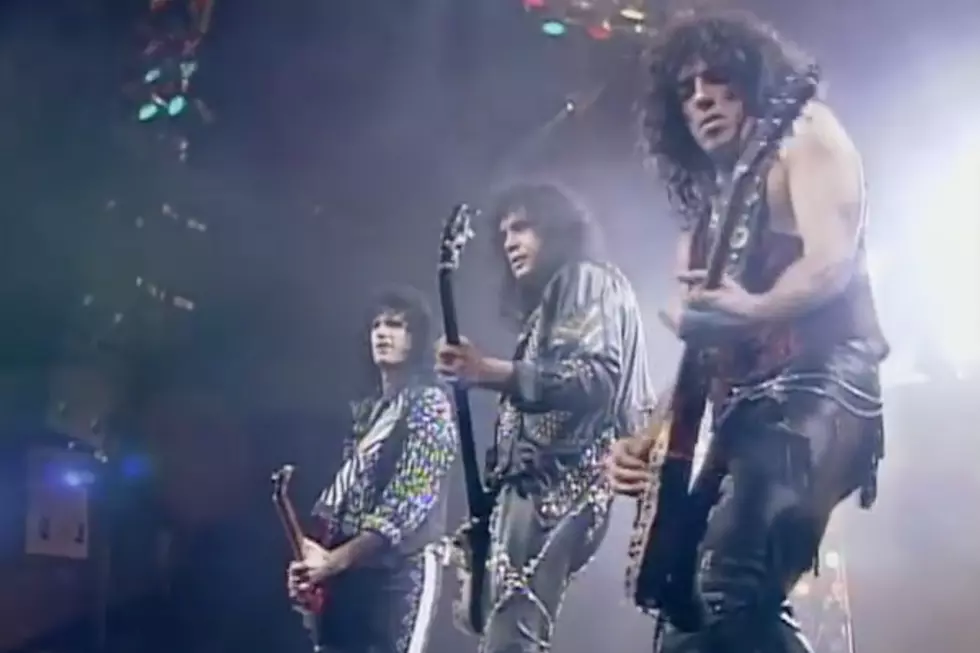
#5: Crazy Nights (1987) — The UK Triumph, The US Compromise
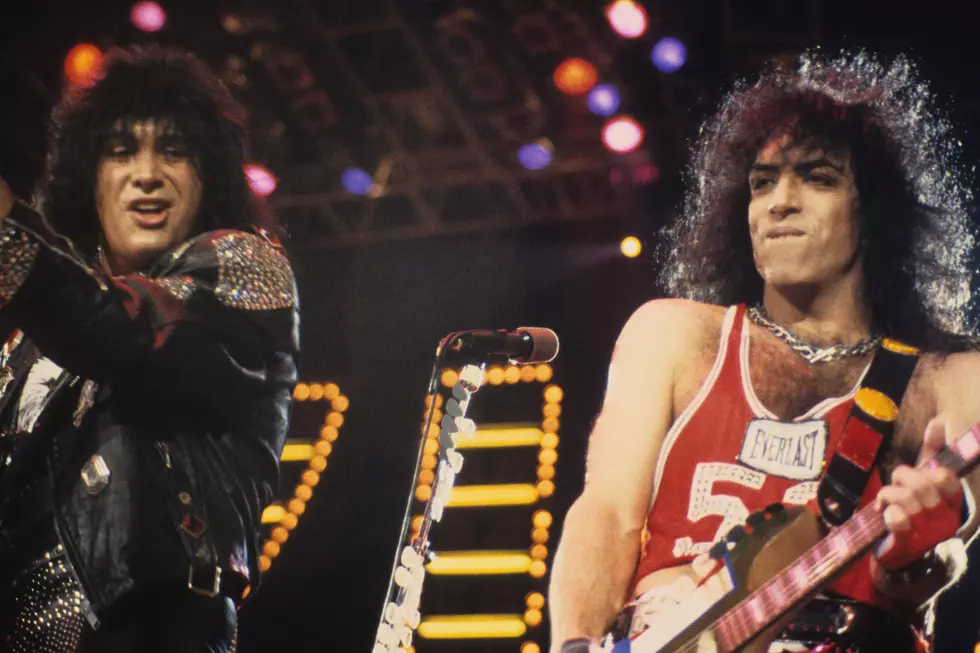
By 1987, the rock landscape had shifted dramatically. Bon Jovi had just released Slippery When Wet. Def Leppard’s Hysteria was dominating the charts. Hair metal had gone fully mainstream and polished production was the name of the game. KISS responded by hiring Ron Nevison — the man who had helmed albums by Heart, Ozzy Osbourne, and Chicago — to produce Crazy Nights, and the result is the most commercially successful KISS album of the decade.
The album peaked at #18 on the Billboard 200 in the US and performed even better in the UK, where the anthemic lead single “Crazy Crazy Nights” became a genuine Top 5 hit, reaching #4. It was the biggest UK chart position KISS had ever achieved with a single at that point, and it came from a song that sounds like stadium rock at its most polished and efficient: big crowd-participation chorus, Eric Carr’s thundering drums, Paul Stanley doing what Paul Stanley does best. It remains one of the most purely fun songs in their catalog.
The problem with Crazy Nights is that it is almost too calculated. The Contemporary Hit Radio polish that Nevison brought means that some tracks feel more like product than music — keyboards pushed to the front, edges sanded off, the danger that made early KISS exciting nowhere to be found. Gene Simmons, who had been distracted by Hollywood acting projects during this period, returned to more active songwriting participation, but the album still suffers from the compromise between artistic identity and commercial targeting. Still, as mainstream rock records of 1987 go, it holds up considerably better than most.
Best tracks: “Crazy Crazy Nights,” “Bang Bang You,” “Turn On the Night,” “My Way”
Chart position: US Billboard 200 #18; “Crazy Crazy Nights” #4 UK; album certified Platinum
Verdict: The decade’s biggest commercial success and an underrated slice of late-80s hard rock — but you can hear the compromise in every track
KISS – “Crazy Crazy Nights” (1987 Official Video) — their biggest UK hit, reaching #4 on the singles chart
#4: Asylum (1985) — Kulick Arrives, Glam Takes Hold
Asylum is the album where KISS fully committed to the glam metal aesthetic that was consuming rock radio in the mid-80s, and it is both the most visually absurd and musically uneven record in the decade’s output. This was Bruce Kulick’s debut as the band’s full-time guitarist after his ghost-work on Animalize, and his contributions elevate the album considerably — his playing on tracks like “King of the Mountain” and “Who Wants to Be Lonely” is technically accomplished in ways that earlier 80s KISS records couldn’t claim.
Desmond Child, who would become one of the most important songwriting collaborators in KISS history, co-wrote five tracks on the album, including the album’s standout hit “Tears Are Falling” — a slick, melodic rocker that got heavy MTV rotation and helped push the album to Gold certification. The production by Paul Stanley and Jean Beauvoir is brighter and glossier than anything that came before, perfectly calibrated for the neon-drenched MTV era.
But Asylum also has some of the filler problems that would plague Crazy Nights and Hot in the Shade. Tracks like “Radar for Love” and “Uh! All Night” coast on formula without delivering the hooks that the best 80s KISS material earns. The album performed solidly — Gold in the US, supported by an extensive tour — but it represents a step down from the creative momentum of Lick It Up and Animalize. It is the album where KISS stopped trying to push rock forward and started trying to keep up with everyone else.
Best tracks: “Tears Are Falling,” “King of the Mountain,” “Who Wants to Be Lonely,” “Anyway You Slice It”
Chart position: Billboard 200; album certified Gold; “Tears Are Falling” had significant MTV presence
Verdict: A solid mid-tier 80s rock record elevated by Kulick’s guitar work and Desmond Child’s songwriting — but too eager to chase trends to be truly great
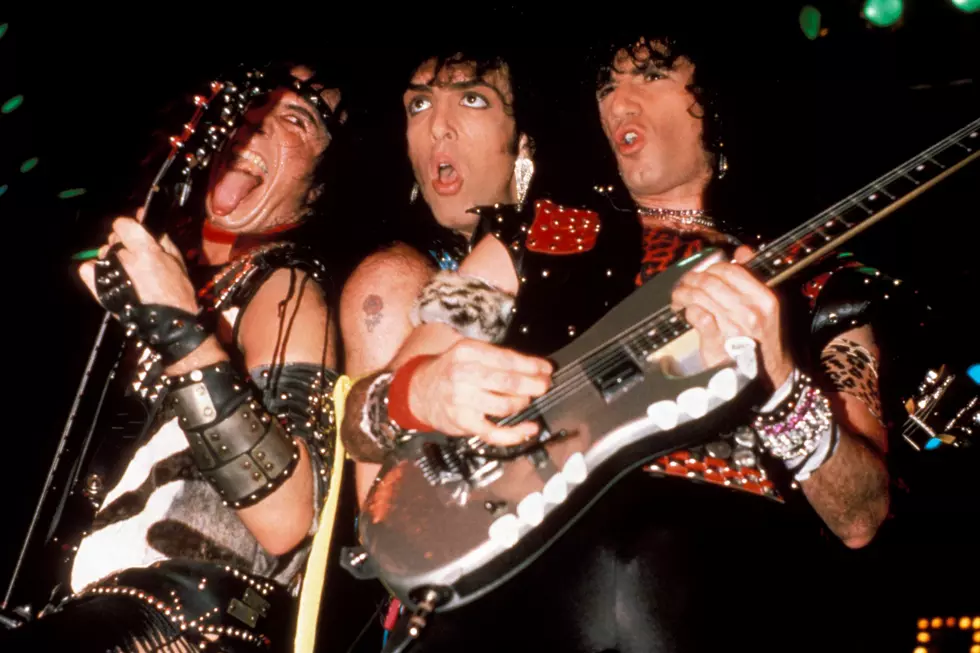
#3: Animalize (1984) — Heaven’s on Fire and the One-Man Show
KISS wasn’t the only 80s rock giant tearing itself apart from the inside — Van Halen was going through its own messy breakup around the same time.Animalize is one of the stranger stories in rock history: an album that became the band’s biggest seller since Dynasty (1979) despite being recorded largely by one person. The official lead guitarist was Mark St. John, a shredder recruited to replace Vinnie Vincent — but St. John was diagnosed with Reactive Arthritis shortly after recording began, and it was actually Bruce Kulick (working as a session musician at the time) who played most of the guitar parts on the record. Paul Stanley served as sole producer, effectively running the show while managing a revolving door of musicians behind him.
Against all odds, it worked. Animalize was certified Platinum in the US, making it the band’s commercial return to form after the struggles of the early 80s. The reason is simple: “Heaven’s on Fire.” Written by Paul Stanley and Desmond Child and driven by one of the most immediately catchy guitar riffs of the decade, it became the album’s defining moment — a genuine MTV staple with a memorable video that featured Stanley at his most charismatic. It reached #11 on Billboard’s Mainstream Rock Tracks chart and #49 on the Hot 100, solid numbers for the era.
Beyond the lead single, Animalize is leaner and more focused than anything the band had released since Lick It Up. “Under the Gun” is a hard-driving rocker with real menace. “Get All You Can Take” is effective power metal. The album does not overstay its welcome, clocking in tight enough that the weaker tracks don’t drag the whole thing down. Critics at the time complained about KISS drifting toward pop-metal, but in retrospect, Animalize is a tighter, more confident record than much of what surrounded it in 1984.
KISS – “Heaven’s on Fire” (1984 Official Music Video) — the signature hit of the unmade-up era, written with Desmond Child
Best tracks: “Heaven’s on Fire,” “Under the Gun,” “Get All You Can Take,” “Lonely Is the Hunter”
Chart position: Certified Platinum US; band’s biggest seller since Dynasty
Verdict: A platinum-selling comeback record defined by one of the decade’s great rock songs — the chaos behind the scenes makes the finished product even more impressive

#2: Lick It Up (1983) — The Reset That Saved the Band
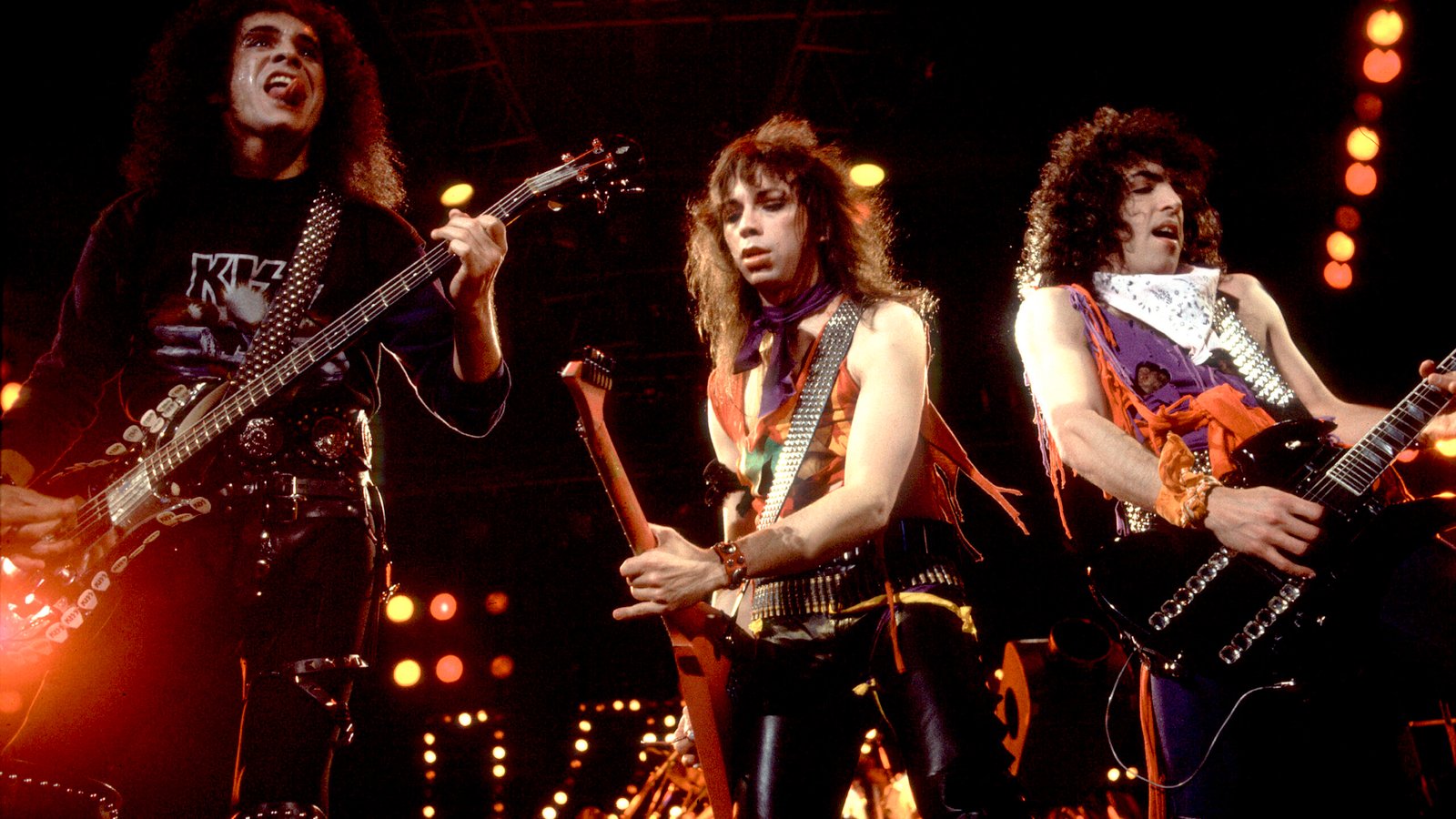
September 18, 1983. MTV. J.J. Jackson introduces a half-hour special. Four men walk out onto a stage in front of cameras, and for the first time in a decade, their faces are bare. No greasepaint. No demon, no spaceman, no starchild, no catman. Just Gene Simmons, Paul Stanley, Vinnie Vincent, and Eric Carr — four guys in the most dramatic image pivot in rock history. The “Lick It Up” video had premiered, and KISS had officially entered a new era.
What’s remarkable is that the album actually justified the gamble. Lick It Up is KISS at their hungriest in years — a lean, punchy hard rock record that sounds nothing like the bloated concept experiments or pop compromises of the preceding three years. Vinnie Vincent, who had contributed to Creatures of the Night as a ghost writer and performer, co-wrote eight of the album’s ten tracks and his guitar work gives the record a kinetic energy that had been missing since the original lineup’s peak years.
The title track remains a genuine classic — “Lick It Up” is one of those songs that still gets played in KISS setlists decades later because it simply works, an irresistible riff wrapped around a chorus that requires no subtlety whatsoever. “All Hell’s Breaking Loose” earned heavy MTV rotation, and deep cuts like “A Million to One” and “Exciter” show a band with real creative fire rather than just going through commercial motions. Lick It Up eventually went Platinum (certified by 1990) and is broadly considered the best non-makeup era KISS album by most serious fans.
The decision to remove the makeup was not purely artistic — the band was in serious commercial trouble, and the stunt was designed to generate attention. But it worked precisely because the music backed it up. KISS without makeup actually sounded more dangerous than KISS with it, at least on this record.
KISS – “Lick It Up” (1983 Official Music Video) — the first video to show the band without makeup, premiered on MTV September 18, 1983
Best tracks: “Lick It Up,” “All Hell’s Breaking Loose,” “A Million to One,” “Exciter”
Chart position: Returned KISS to Platinum status; massive MTV presence
Verdict: The album that saved KISS — a genuine hard rock masterpiece for the unmade-up era and the best argument that the 80s version of the band had real creative juice left
#1 (Best): Creatures of the Night (1982) — The Lost Masterpiece
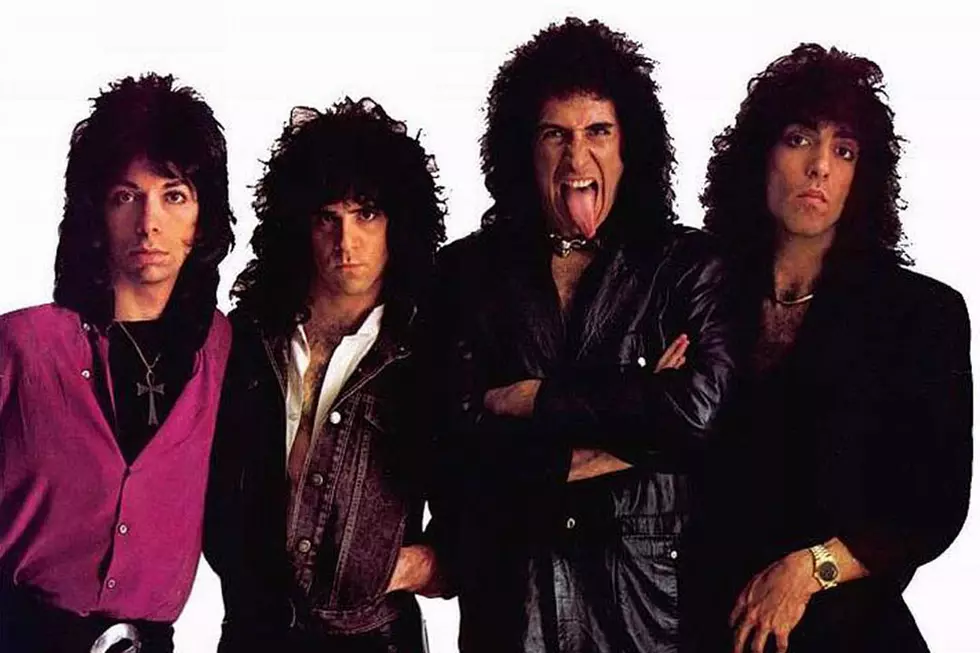
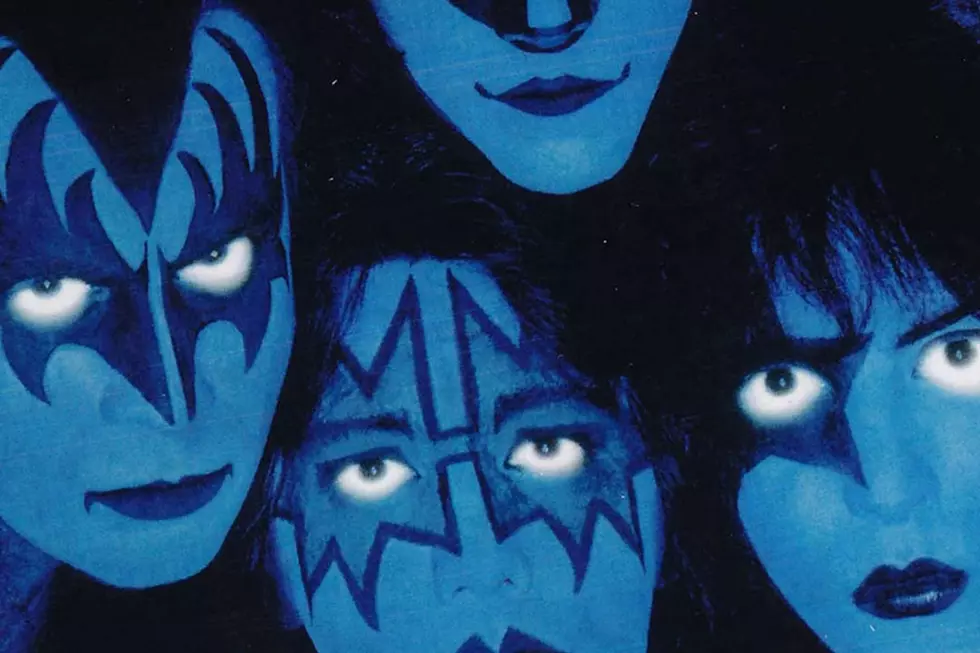
Here is the great KISS 80s paradox: their best album of the decade — arguably their best album of their entire catalog — was also their worst commercial performer of the era. Creatures of the Night didn’t go Gold in the United States until years after its release. It didn’t spawn a major hit single. The band didn’t even bother putting Ace Frehley on the cover in his actual makeup (his face appeared on the cover though he had already departed) because they needed to maintain the illusion of lineup stability.
And yet. Play Creatures of the Night today and it sounds enormous. This is the heaviest, most ferocious album KISS ever made — a slab of pure hard rock that predates the Metallica revolution but channels some of the same raw voltage. Eric Carr’s drumming is absolutely legendary here: thunderous, precisely powerful, the work of a player who was among the best heavy rock drummers of his generation. The guitar work, split between Vinnie Vincent and session contributors including Robben Ford and Steve Farris, is consistently inspired.
“I Love It Loud” is a perfect heavy metal anthem, co-written with Vinnie Vincent, that reached #22 on the rock charts and became a live staple for the rest of the band’s career. “War Machine” is a brutal, groove-locked stomper. “Killer” is propulsive and dangerous-sounding in a way that almost nothing else in the KISS catalog can match. Even the album’s ballad territory — “I Still Love You” — has a weight and sincerity that the glossier 80s records never quite achieve.
The context for the album’s initial commercial failure matters: KISS were coming off three years of declining sales, questionable musical decisions, and public perception problems. Creatures of the Night arrived with almost no goodwill in the North American market. But in Brazil, where the band had maintained a rabid following, they played to over 160,000 people across a short run of concerts — a reminder that KISS’s global footprint was still enormous even when domestic sales were struggling.
History has been enormously kind to this record. Retrospective rankings across rock journalism and fan communities consistently place it at or near the top not just of KISS’s 80s output but of their entire discography. It is the album that proves KISS were not merely a spectacle — when they focused on pure hard rock without gimmicks, they could compete with anyone.
Best tracks: “I Love It Loud,” “War Machine,” “Killer,” “Creatures of the Night,” “Keep Me Comin’”
Chart position: Failed to chart Gold in US initially; massive success in Brazil (160,000+ concert attendance)
Verdict: The greatest KISS album of the 1980s and one of the great underrated hard rock records of the era — commercial failure at the time, retrospective masterpiece
The Complete KISS 80s Albums Ranking at a Glance
To summarize the full KISS 80s albums ranked list from worst to best:
- Creatures of the Night (1982) — The lost masterpiece, the decade’s creative peak
- Lick It Up (1983) — The comeback record that saved the band
- Animalize (1984) — One great single and surprising commercial success
- Asylum (1985) — Kulick arrives, glam metal takes hold
- Crazy Nights (1987) — The UK’s favorite KISS record, the US’s commercial concession
- Hot in the Shade (1989) — Bloated but contains one Top 10 surprise
- Music from “The Elder” (1981) — The disaster that forced everything else to happen
The Decade in Perspective: What the 80s Meant for KISS
By decade’s end, a new generation of hard rock had arrived — bands like Guns N’ Roses, whose Appetite for Destruction rewrote what a hard rock debut could sound like, made KISS’s own glam-era records feel like they belonged to an older world.Looking back at the decade as a whole, the KISS 80s experience is a story of survival through reinvention. The band lost both of their original members — Peter Criss had effectively departed by 1980, Ace Frehley left during The Elder sessions in 1981 — and replaced them with genuinely talented musicians. Eric Carr was a revelation behind the drums, technically superior to Criss in almost every measurable way. Bruce Kulick, who joined for Asylum and stayed through 1996, was arguably the most complete guitarist the band ever employed in terms of sheer musicianship.
The decision to remove the makeup in 1983 was born of necessity but proved strategically sound. It allowed KISS to participate in the MTV era as a flesh-and-blood rock band rather than a theatrical novelty, and it gave them access to the mainstream rock audience that the makeup had increasingly alienated. The trade-off was an identity crisis that lasted for roughly a decade — the band were no longer the theatrical spectacle of the 70s but had not yet found a stable alternative identity.
The lineup changes were both a symptom and a cause of inconsistency. Vinnie Vincent’s aggressive, technically flashy playing defined the early unmade-up records, Mark St. John arrived and departed within a single album cycle, and Bruce Kulick’s more classically oriented approach shaped the later years. Each guitarist brought a different sound, which explains why Lick It Up and Asylum feel like albums from different bands despite being separated by only two years.
Through it all, Paul Stanley remained the engine. His voice, his melodic instincts, and his refusal to accept defeat carried the band through years when Gene Simmons was more interested in Hollywood than hard rock. Stanley produced several of these albums himself, wrote or co-wrote the decade’s best songs, and performed at a level that few contemporary hard rock vocalists could match. If KISS survived the 1980s, the credit belongs substantially to him.
Frequently Asked Questions About KISS 80s Albums
What is the best KISS album from the 1980s?
Creatures of the Night (1982) is widely considered the best KISS album of the 1980s and is frequently ranked among the best albums the band ever made. Despite being a commercial disappointment on release, it has been retroactively recognized as one of the heaviest and most focused hard rock albums of the era, featuring Eric Carr’s landmark drumming and some of the band’s strongest songwriting.
Why did KISS remove their makeup in 1983?
KISS removed their makeup primarily due to commercial necessity. After a string of underperforming albums and the disastrous reception of Music from “The Elder”, the band needed to reinvent themselves to stay relevant in the early MTV era. The makeup removal was announced as a dramatic reveal accompanying the “Lick It Up” music video, which debuted on MTV as a half-hour special on September 18, 1983. The strategy worked: Lick It Up returned the band to Platinum status.
Which KISS 80s album sold the most copies?
Crazy Nights (1987) is generally cited as the best-selling KISS album of the decade, reaching #18 on the Billboard 200 and achieving Platinum certification. Animalize (1984) was also a significant commercial success, becoming the band’s biggest seller since Dynasty in 1979. Both Lick It Up (1983) and Animalize were certified Platinum in the US.
What happened to KISS guitarist Mark St. John?
Mark St. John joined KISS as lead guitarist for the Animalize album in 1984 but was diagnosed with Reactive Arthritis (formerly called Reiter’s Syndrome) shortly after recording began, which severely limited his ability to play. Bruce Kulick performed most of the guitar work on the album, and St. John was officially replaced by Kulick for the Asylum album in 1985. St. John passed away in 2007 from a brain hemorrhage. He remains one of rock’s most poignant “what if” stories.
What is Music from “The Elder” about?
Music from “The Elder” was conceived as the soundtrack to a fantasy film centered on “The Boy,” a mythological hero who must choose between good and evil. The concept was Gene Simmons’s idea, and producer Bob Ezrin (who had worked on Pink Floyd’s The Wall) helped develop it. The intended film was never made, leaving the album as a concept without a context. Critics panned it, fans rejected it, and the band themselves have since acknowledged it was a misguided experiment.
Did KISS have any Top 10 hits in the 1980s?
Surprisingly, their only Top 10 hit of the decade — and one of their biggest ever — didn’t arrive until 1990, when “Forever” from the 1989 album Hot in the Shade peaked at #8 on the Billboard Hot 100. The song was co-written by Paul Stanley and Michael Bolton and became the band’s highest-charting US single since “I Was Made for Lovin’ You” in 1979. In the UK, “Crazy Crazy Nights” (1987) reached #4, making it one of their biggest-ever British hits.
Final Verdict: Which Era of KISS Was Truly Great?
KISS was eventually inducted into the Rock & Roll Hall of Fame in 2014, a recognition that came despite — or maybe because of — just how divisive this decade of reinvention turned out to be. For the full session-by-session discography, Wikipedia’s KISS discography and Ultimate Classic Rock’s rundown of the band’s 80s songs are worth a deeper dive.The honest answer is that the 80s produced both the worst and the most underrated music in KISS’s catalog simultaneously. Music from “The Elder” is a genuinely terrible album, arguably the low point of a band that had been capable of stadium-filling greatness. But Creatures of the Night is a masterpiece that deserved a much larger audience than it found, and Lick It Up is one of the great comeback records in rock history.
If you came to this ranking expecting to confirm that the original 70s lineup was the only great KISS, Creatures of the Night will challenge that assumption. If you came expecting the 80s to be a write-off, Lick It Up will make you reconsider. The decade was messy, inconsistent, and commercially all over the place — but it was never boring, and at its best, the post-makeup KISS lineup made music that holds up four decades later without a trace of nostalgia required.
That is more than most bands can say about any stretch of their career, let alone the decade that came after everyone had declared them finished.
The Retro Almanac
A monthly roundup of "on this day" highlights from that month, decades back — plus first dibs on new retro merch drops. No spam, just the good stuff.