
Knocking on Doors: Growing Up in the 80s Before Texting
There was no texting “u up?” in 1986. There was no Instagram DM, no FaceTime, no sending your location pin. If you wanted to see your friend, you walked to their house and knocked on their front door. That was the system. It was wildly inefficient, occasionally awkward, and absolutely perfect.
For an entire generation of kids who grew up in the ’80s, the knock on the door was the starting gun for every adventure. You didn’t need a plan. You didn’t need a reservation. You just needed a pair of sneakers and enough daylight to get home before the streetlights came on. That was the rule: when the streetlights flicker on, your butt better be heading home. Every kid in every neighborhood in America understood this unwritten curfew. No watch required. The streetlights were the boss.
The Morning Rounds: Assembling the Crew
Saturday mornings in the ’80s started with Saturday morning cartoons. That was sacred time — Smurfs, Transformers, He-Man, whatever your lineup was. But by 10 AM, the TV was off and it was time to go outside. And “going outside” didn’t mean sitting on the porch scrolling your phone. It meant physically leaving your house and walking the neighborhood to assemble your crew.
You’d start at your best friend’s house. Knock on the door. Their mom would answer, still in her bathrobe, coffee in hand. “Is Kevin home?” She’d holler up the stairs. “KEVIN! YOUR FRIEND IS HERE!” Then you’d stand on the porch for what felt like twelve minutes while Kevin found his shoes, ate the rest of his cereal, and got yelled at for not making his bed.
Then you and Kevin would walk three houses down to Mike’s place. Same routine. Knock. Wait. Mike’s mom says he can’t come out until he finishes his chores. Fine. You and Kevin keep moving. Hit up Danny’s house. Danny’s already outside, sitting on the curb with his bike, waiting. He saw you coming through the window. The crew was forming.
The Protocol Nobody Taught You
There was a whole unspoken protocol to knocking on doors that every ’80s kid understood instinctively. First: you always went to the front door. Going to the back door meant you were practically family. Second: you knocked, you didn’t ring the doorbell like some kind of animal. Three firm knocks. Not aggressive, not timid. Just… businesslike.
If nobody answered after the first knock, you waited exactly 30 seconds and knocked again. If nothing after the second knock, you peeked through the front window to see if anyone was moving around inside. And if the coast was clear? You walked around to the side of the house and checked the backyard. Maybe they were already outside. The investigation didn’t end just because nobody answered the door.
The worst-case scenario was getting to someone’s house and finding out they weren’t home. No car in the driveway. Curtains drawn. Nobody answering. That was it. No way to reach them. They were just… out there somewhere in the universe, and you had to accept that you weren’t hanging out today. There was no alternative. You moved on to the next house.
Bikes, Skateboards, and the Radius of Freedom
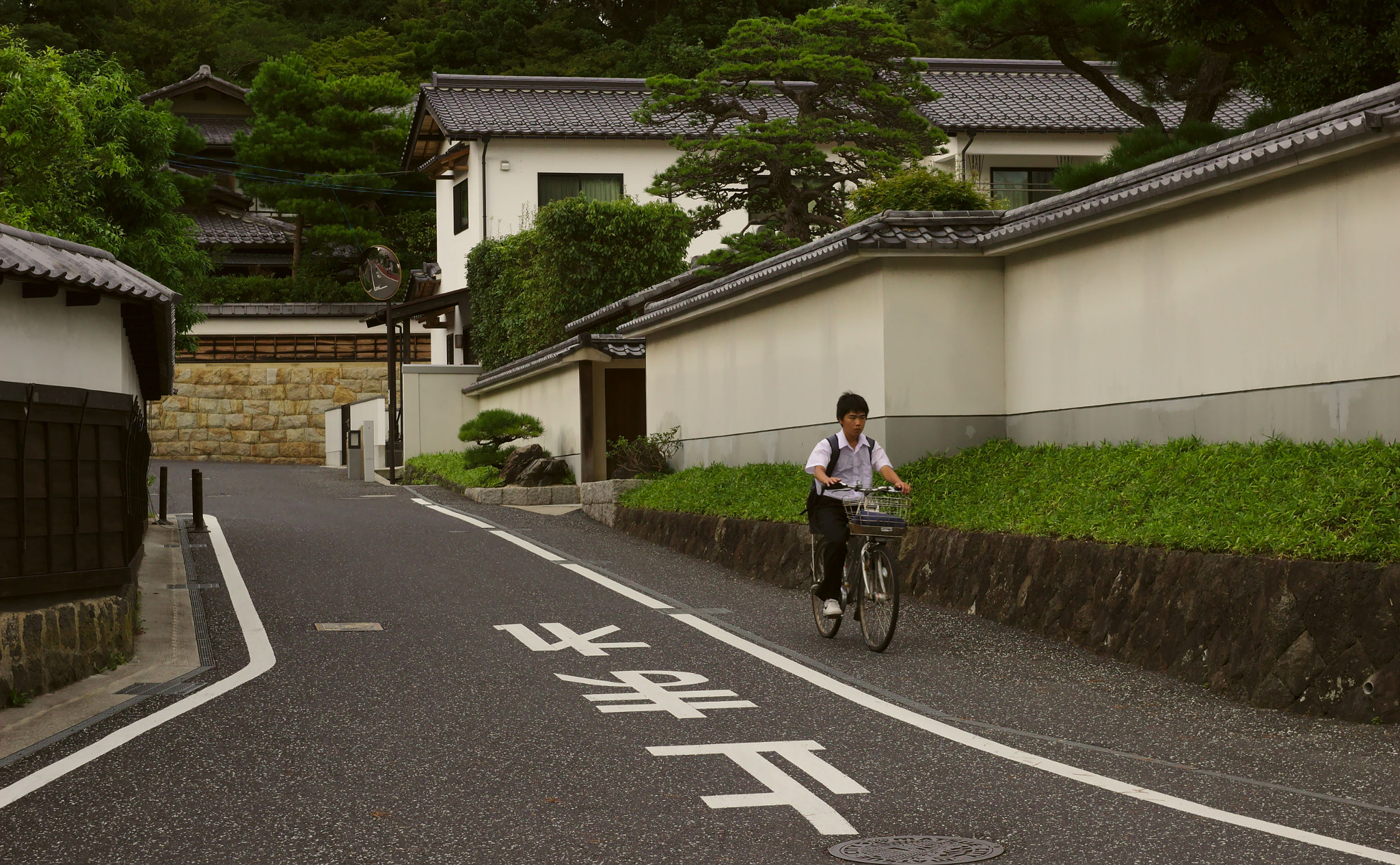
Your bike was everything. It was your car, your freedom, your ticket to the wider world beyond your block. A Huffy, a Schwinn, a Mongoose, a Diamondback — whatever you had, you rode it into the ground. Playing cards clothespinned to the spokes for that motor sound. Reflectors your dad insisted on even though you pulled them off the second he went inside. And if your bike had a banana seat and ape-hanger handlebars? You were royalty.
The range of a kid on a bike in the ’80s was enormous. You weren’t limited to your own street. You’d ride three, four, five blocks out — into neighborhoods you barely knew, past the houses of kids from school, down to the creek or the woods or the empty lot behind the grocery store. Your parents had no idea where you were, and honestly, they didn’t seem that worried about it. “Be home for dinner” was the extent of the tracking system.
Skateboards expanded the territory even further. If your neighborhood had good pavement and a few solid hills, you were set. The arcade might be six blocks away, but on a skateboard, that was nothing. You and your friends would bomb hills, scrape knees, and show up to wherever you were going with gravel embedded in your palms. Nobody wore helmets. Nobody wore pads. That’s just how it was.

The Streetlight Curfew: Nature’s Timer
Every Gen X kid knows the streetlight rule. You could be anywhere in the neighborhood — at the park, in the woods, at someone’s house, playing manhunt six blocks from home — but when those streetlights buzzed on, the clock was ticking. You had maybe 15 minutes to get home before you were in trouble.
The thing about the streetlight curfew was its beautiful simplicity. No negotiating. No “just five more minutes.” The lights came on. You went home. It was universal, non-negotiable, and understood by every kid in the zip code. And somehow, despite having no phone, no watch, and zero sense of time management, you almost always made it.
The mad dash home was its own kind of adventure. You’d hear someone yell “STREETLIGHTS!” and suddenly every kid in the vicinity was sprinting toward their house. Bikes pedaling furiously. Skateboards kicking hard. Sneakers slapping pavement. It was like the running of the bulls, except instead of bulls, it was a dozen sweaty kids terrified of being grounded.
The Front Porch: Where Everything Happened

If knocking on the door was step one, hanging out on the porch was step 1.5. Half the time, your friend couldn’t come out yet — still eating lunch, still doing homework, still in trouble for something — so you’d sit on their front steps and wait. And those waits on the porch turned into their own social events.
Other kids would wander by. “What are you doing?” “Waiting for Danny.” “Cool, I’ll wait too.” Suddenly there were four of you sitting on Danny’s porch, and Danny wasn’t even outside yet. His mom would eventually open the door, see a small crowd of children on her steps, and sigh the specific sigh of an ’80s parent who understood that resistance was futile. “Fine. Danny, go outside.”
The front porch was the staging area, the meeting point, and the social hub. Plans were made on front porches. Friendships were forged on front porches. Important decisions — like whether to go to the arcade or the creek — were debated on front porches. It was democracy in action, except louder and with more arguments about whose turn it was to decide.
Nobody’s Parents Knew Where We Were
Let’s be honest about this: our parents had no clue where we were for most of the day. They had a general idea — “somewhere in the neighborhood” — but the specifics were fuzzy at best. You’d leave the house at 10 AM, and the next time your parents saw you was when you showed up at 6 PM, sunburned and starving, with a mysterious bruise on your shin and a story you didn’t want to tell.
“Where were you?” your mom would ask.
“Out.”
“Out where?”
“Just… out.”
And that was the end of the interrogation, because “out” was a valid location in the ’80s. You were out. You were with your friends. You were fine. End of discussion. If something went wrong, you found a pay phone or you knocked on the nearest door and asked to use their phone. Adults in the neighborhood all knew each other’s kids, and the understanding was that any parent could parent any kid. If Mrs. Henderson saw you doing something dumb, she’d yell at you herself and then call your mom. It was a community-based surveillance system that actually worked.
Games That Needed No Equipment
Once the crew was assembled, the question was always: “What do you want to do?” And the answer required zero equipment, zero money, and zero adult involvement. Kick the can. Capture the flag. Ghost in the graveyard. Manhunt. Freeze tag. TV tag. Sardines. These were games that required nothing but bodies and imagination, and they could go on for hours.
The entire neighborhood was the playing field. Backyards, front yards, the alley between houses, the patch of woods behind the school — all fair game. Boundaries were established loosely and enforced even more loosely. “You can’t go past the Hendersons’ house” was the kind of rule that lasted exactly until the game demanded it be broken.
And when the 80s cartoons we loved weren’t on TV, we were outside inventing our own entertainment. Building forts out of whatever materials were available — old plywood, discarded pallets, branches, the cardboard box from your neighbor’s new refrigerator. These forts were architectural disasters that would collapse if you sneezed too hard, but in our minds, they were impregnable fortresses. We defended them with dirt clods and crabapples, and nobody thought twice about it.
The Risk Factor Nobody Talked About
Looking back, the ’80s approach to childhood outdoor freedom was spectacularly reckless by modern standards. We rode bikes without helmets. We played in construction sites. We ate snow. We drank from the garden hose. We climbed trees that were way too tall and jumped off things that were way too high. We had exactly zero supervision for entire chunks of the day, and the worst thing that usually happened was a broken arm or a trip to the ER for stitches.
Was it dangerous? Absolutely. Kids got hurt. Some got hurt badly. But the collective understanding was that a few scrapes and bruises were the price of admission for an actual childhood. Your mom put Bactine on it, maybe a Band-Aid, and sent you back outside. “Walk it off” wasn’t just a saying — it was a parenting philosophy.
What the Knock on the Door Really Meant
When you knocked on your friend’s door, you weren’t just asking them to play. You were choosing them. You biked or walked all the way to their house, stood on their porch, and said — with your presence, not a notification — “I want to hang out with you.” That meant something. It took effort. It took commitment. You couldn’t do it from bed.
Today’s kids coordinate everything through screens. And it works fine — it’s efficient, it’s instant, it’s easy. But something got lost in that transition. The walk to your friend’s house. The anticipation of whether they’d be home. The joy of hearing their mom yell up the stairs. The slow assembly of the crew, one door at a time, until you had enough people for a proper game. That whole ritual? It was the best part of growing up. And the streetlights? They never lied. When those lights came on, it was time. Every single time.