Life Before Cell Phones: Growing Up With Only a Home Phone
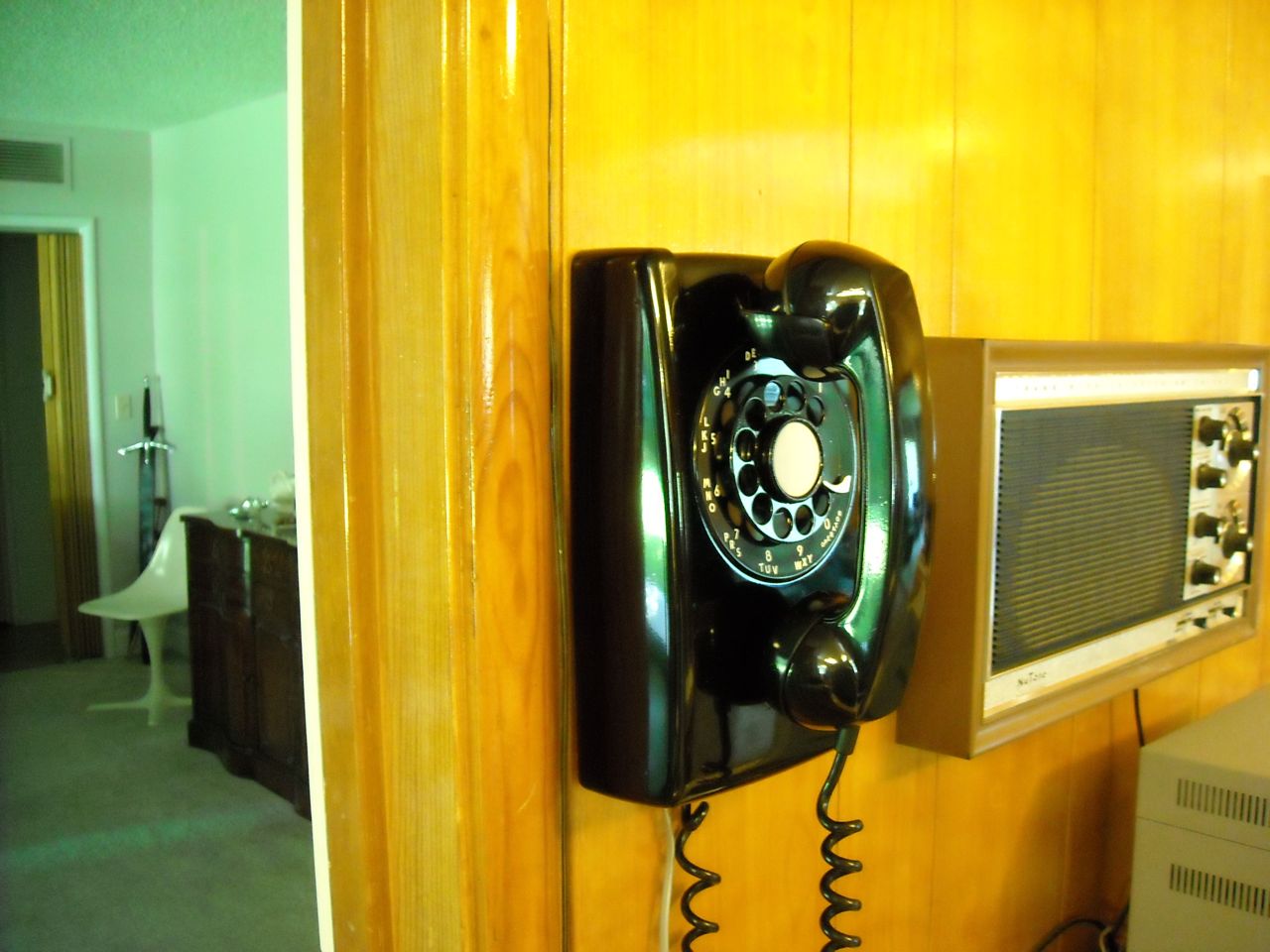
Before smartphones turned us into screen-tapping zombies available 24/7, there was a magical device bolted to your kitchen wall that weighed about six pounds and had a cord that could stretch from the counter to the bathroom if you really committed. That cord was tangled into an unholy pretzel-shaped mess within three days of installation, and nobody in the household could figure out who was responsible. Everyone pointed fingers. Nobody fixed it.
Growing up with a home phone in the ’80s wasn’t just a different way to communicate. It was a completely different way to exist. You were unreachable for large chunks of the day. You missed calls and had no idea who tried to reach you. And when the phone rang, the entire house launched into a footrace that would’ve made Carl Lewis proud. This was the deal, and honestly? It was kind of beautiful.
The Kitchen Wall Phone: Command Central
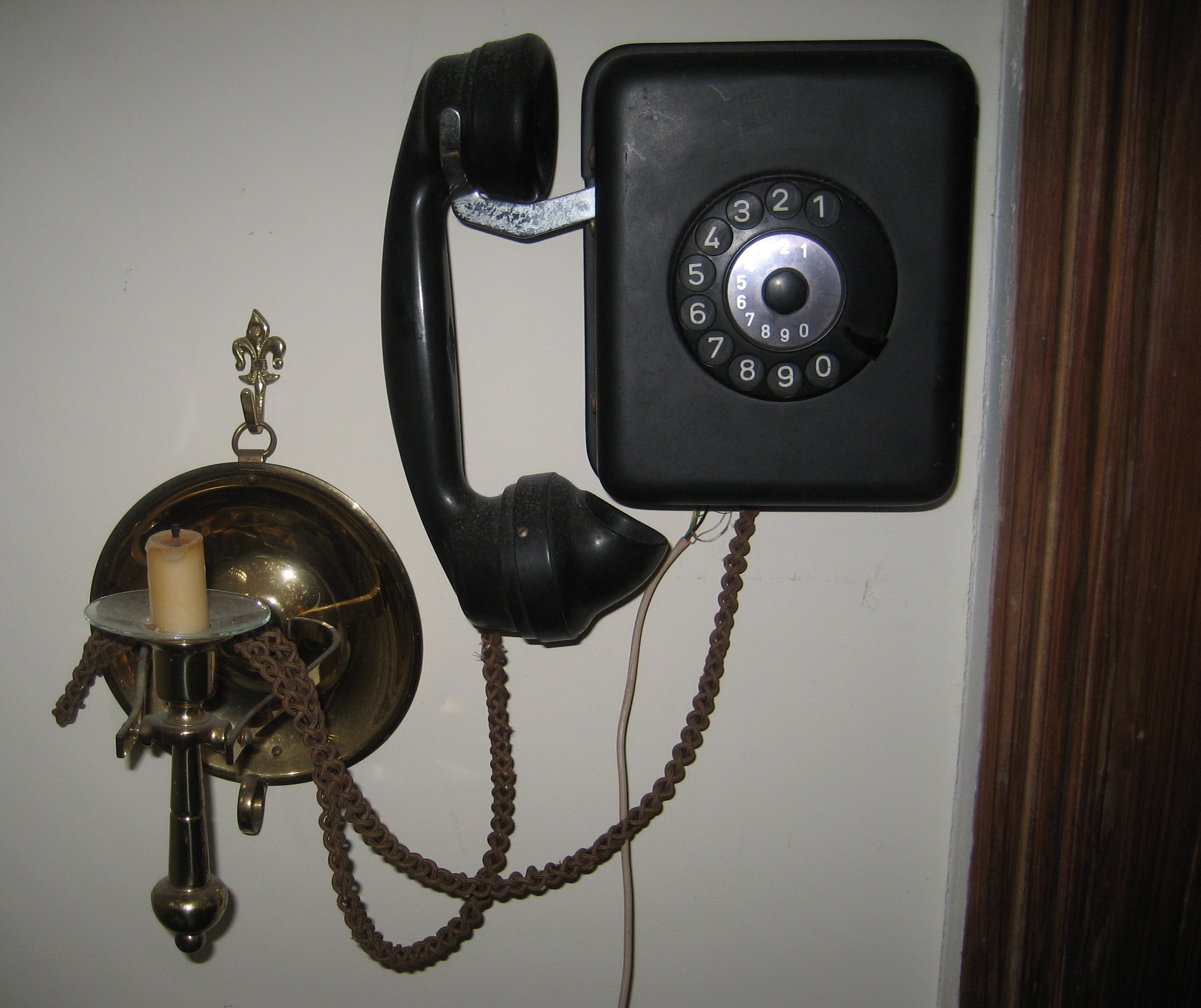
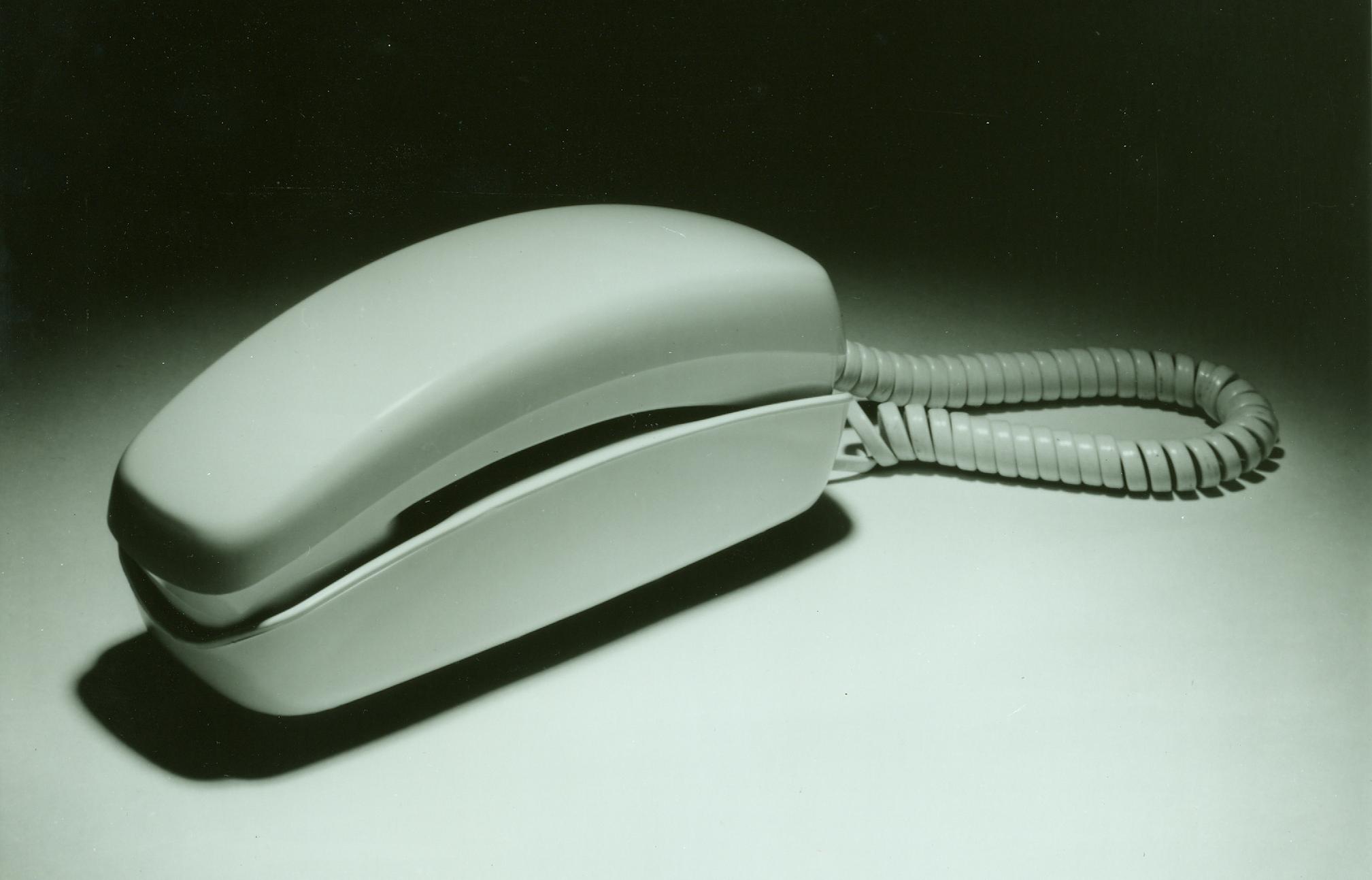
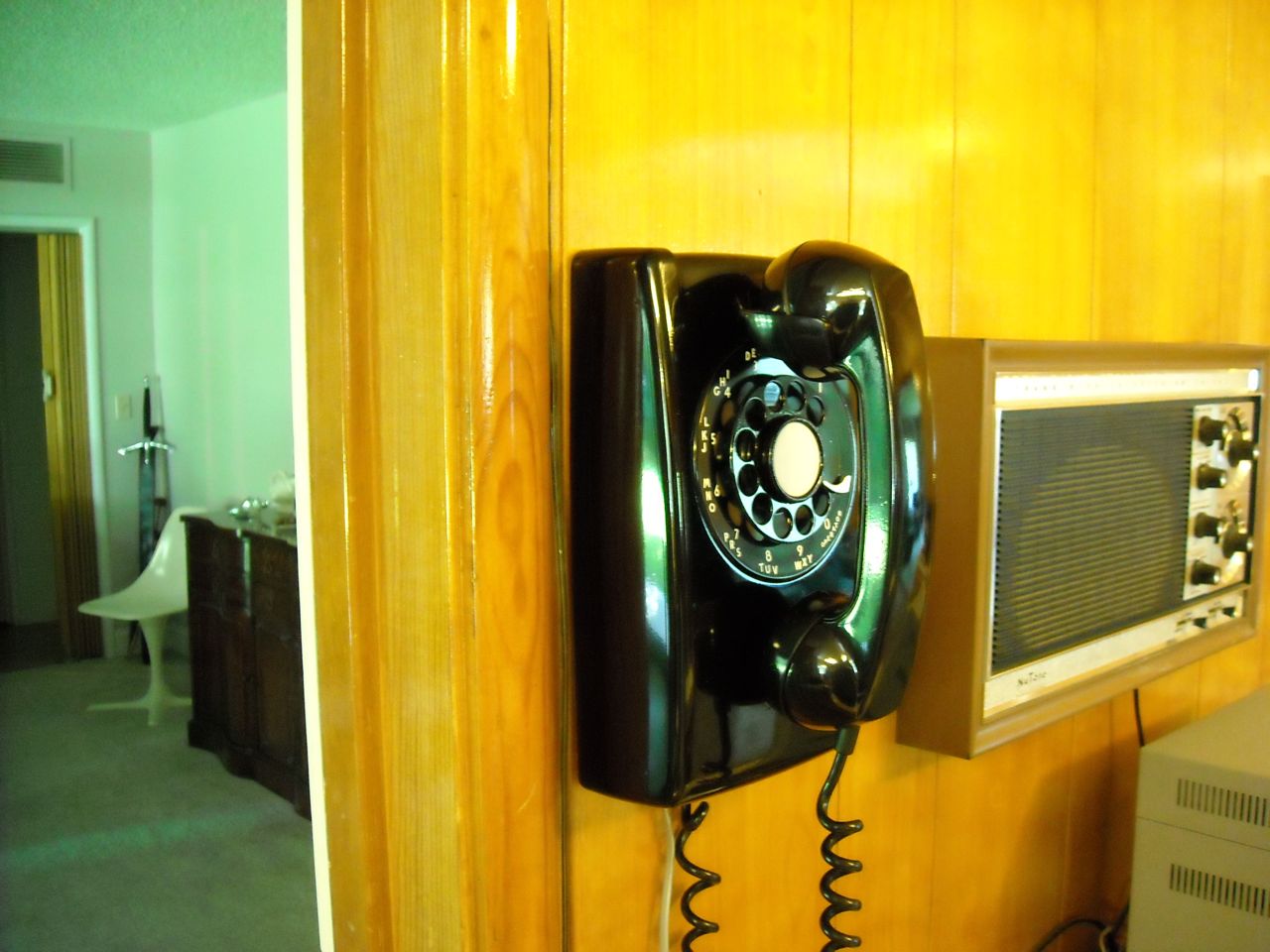
Every household had one. That boxy, harvest gold or avocado green phone mounted on the kitchen wall like a shrine. The Western Electric 554 was the workhorse of American kitchens for decades, and if your family was feeling fancy, maybe you had a Trimline or a Princess phone in the bedroom. But the kitchen wall phone was the main line, the command center, the place where all household business was conducted.
Mom would lean against the counter, phone cradled between her ear and shoulder, stirring spaghetti sauce while talking to Aunt Carol about whatever Aunt Carol needed to vent about that week. Dad would pace the three feet of slack the cord allowed, barking at someone about work. And you? You just wanted to call your friend about the math homework, but the phone was always occupied. Always.
The Curly Cord: A Physics Experiment Gone Wrong
That 80s technology that changed the world included plenty of innovations, but the curly phone cord wasn’t one of them. It was more of a torture device disguised as a convenience. Brand new out of the package, it was a gorgeous, tight spiral of order and discipline. Give it 48 hours in any American household, and it transformed into a gnarled, knotted disaster that looked like it had been through a washing machine.
The cord was never long enough. It started out at maybe four feet, but after months of stretching it around corners, into closets, and down hallways for a shred of privacy, it ended up being eight feet long and permanently deformed. There was a specific twisting motion everyone developed — spinning the handset counterclockwise while untangling the cord — that became second nature. You didn’t even think about it. Your hands just knew.
And the extra-long cords? Those were a game changer. Twenty-five feet of beautiful, curly potential. You could take that phone into the bathroom, shut the door, and have an actual private conversation for the first time in your life. Until someone picked up the extension in the other room and you heard that telltale click.
Busy Signals and the Art of Patience
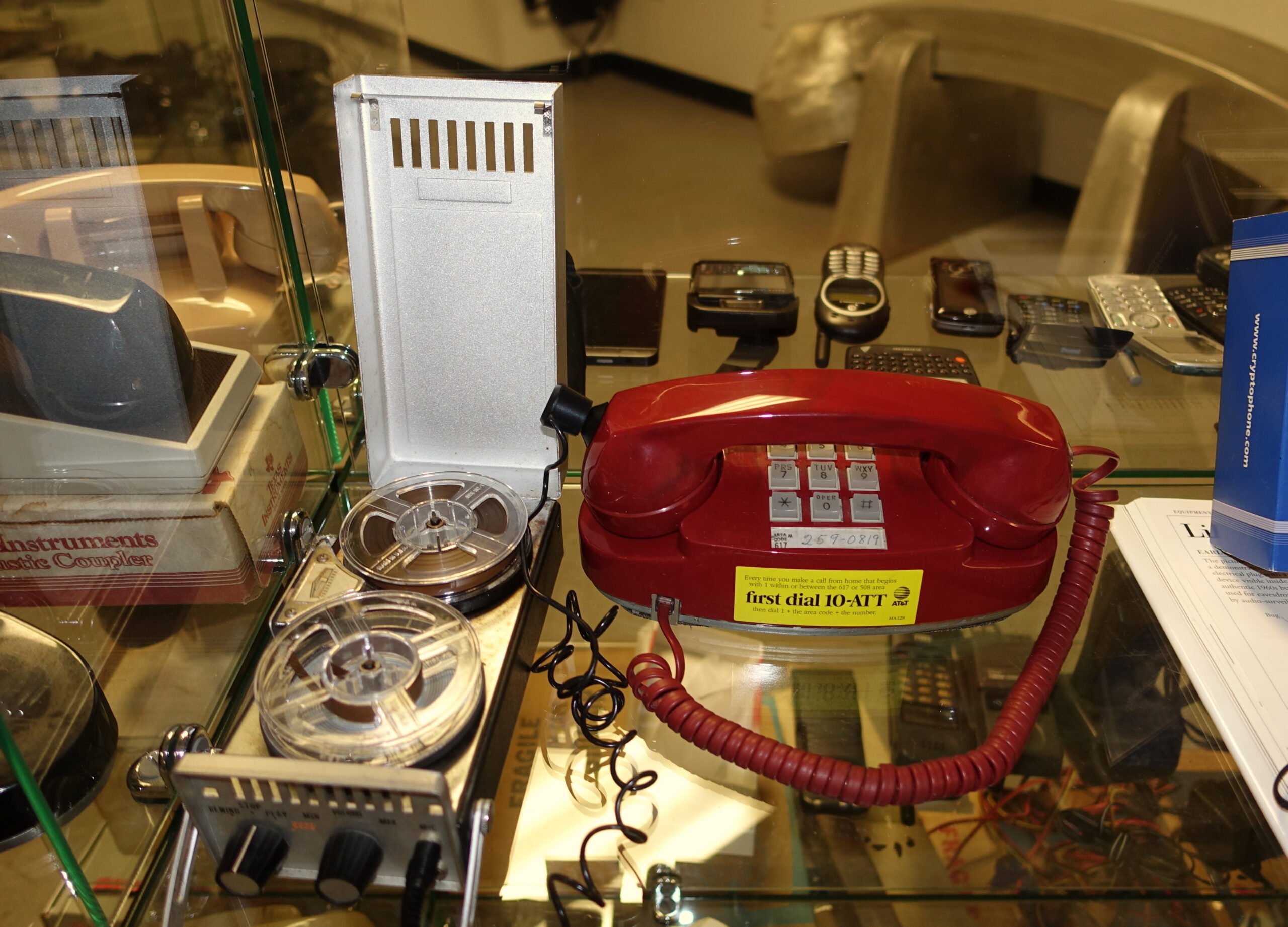
Here’s something that would absolutely break a teenager in 2026: you’d call your best friend, and instead of ringing, you’d get a busy signal. BEEP-BEEP-BEEP-BEEP. That rhythmic, electronic rejection meant someone at their house was on the phone, and there was nothing you could do about it. No texting. No calling their cell. No DM’ing them on social media. You just had to hang up and try again in ten minutes.
Sometimes you’d get a busy signal for hours. Their older sister was probably on the phone with her boyfriend, which meant the entire household was cut off from the outside world. One phone line. One conversation at a time. If your house had call waiting — that beep beep interruption that clicked in during a call — you were living large. That was a luxury feature, and not every family sprung for it.
The real power move was getting a second phone line installed. If your family had two lines, you were basically royalty. “Can I have the number for the kids’ line?” was the smoothest thing a 12-year-old could say.
The Phone Book: Your Search Engine Before Google
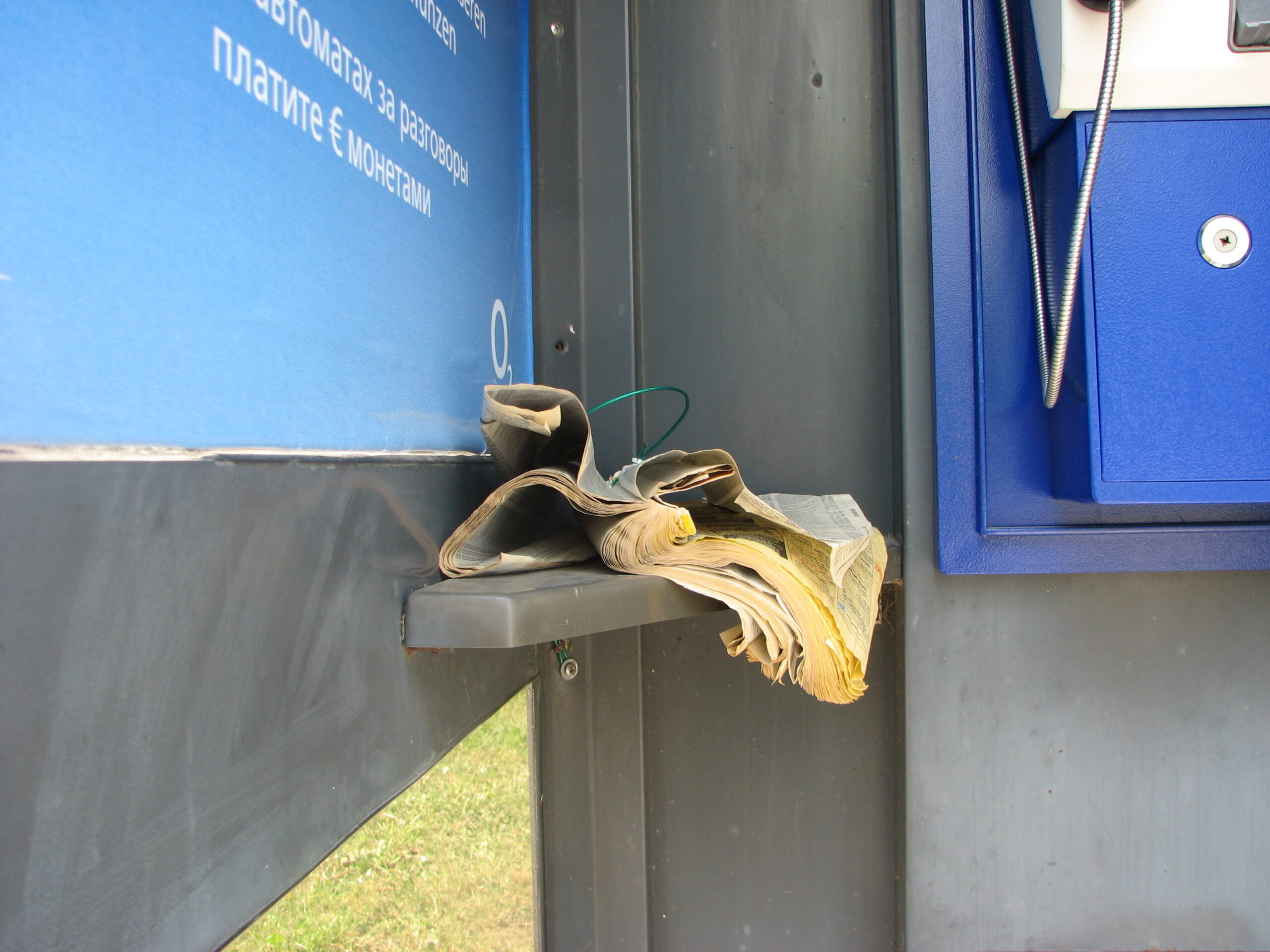
Need to find a phone number? You weren’t Googling it. You were hauling out a phone book the size of a cinder block. The White Pages had residential numbers listed alphabetically by last name. The Yellow Pages had businesses. And everyone’s phone number was just… in there. Publicly available. For free. Listed right next to their home address.
Try explaining that to a Gen Z kid. “Yeah, if you wanted to find someone’s number, you just looked it up in a giant book that was delivered to every house once a year.” Their eyes would glaze over like you were describing cave paintings.
The phone book also doubled as a booster seat for short kids at the dinner table, a doorstop, and in some creative households, a weapon during arguments. It was the most versatile piece of literature ever published, and it showed up on your porch every year whether you wanted it or not.
Being Unreachable: The Lost Art of Disappearing
This is the part that really hits different. In the ’80s, when you left your house, you were gone. Nobody could reach you. Nobody could text you to ask where you were. Nobody could track your location. You just went out into the world, and the people who wanted to talk to you had to wait until you came home.
Your mom’s only tool for finding you was walking to the porch and yelling your name at the top of her lungs. If you were within a two-block radius, you might hear it. If not? She’d have to wait. Or call your friend’s house and ask their mom if she knew where you were. That’s how parenting worked. It was a trust-based system held together by screen doors and the neighborhood grapevine.
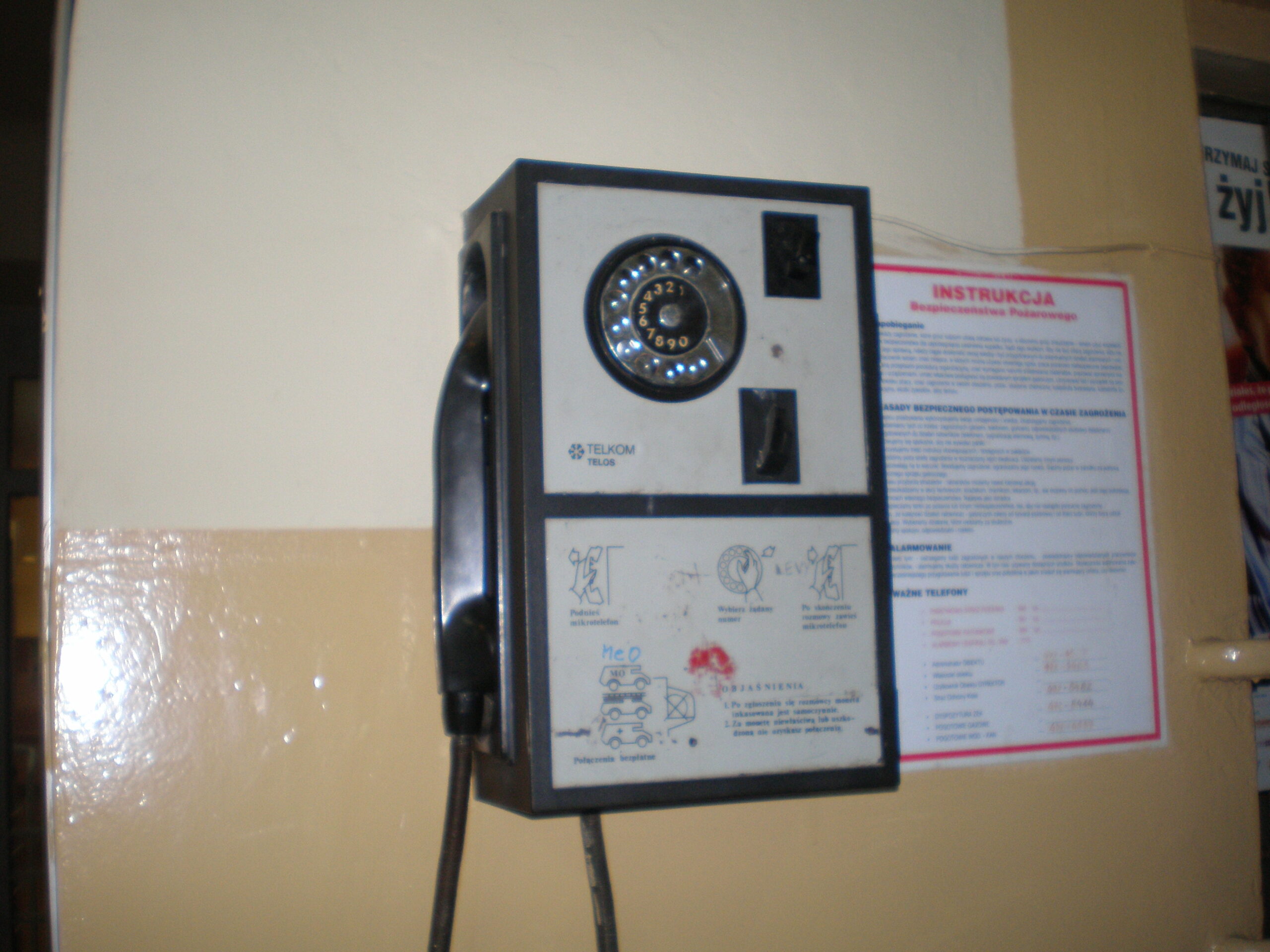
If you were expecting a call, you had to physically stay home and wait for it. There was no voicemail in the early ’80s for most people. If you missed a call, it was just… missed. The caller had no way of knowing if you weren’t home or if you just didn’t feel like answering. And frankly, nobody questioned it. “I wasn’t home” was a perfectly acceptable excuse.
Answering Machines Changed Everything
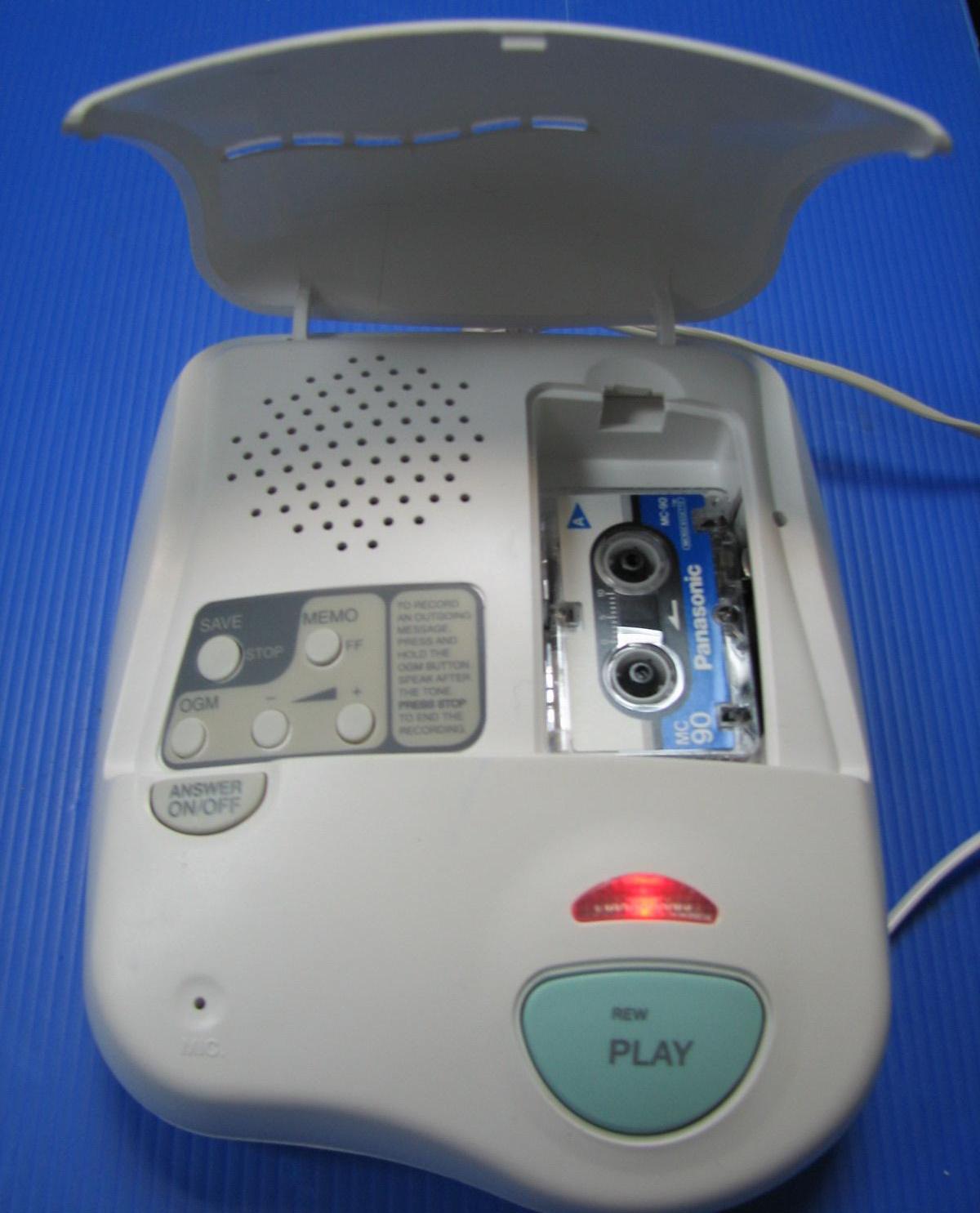
When answering machines finally became affordable in the mid-’80s, it was revolutionary. You could leave the house AND still get messages. Mind-blowing technology. The first few years of answering machine culture were wild — people recorded elaborate outgoing messages with music, sound effects, and comedic sketches. Some were genuinely funny. Most were painfully awkward.
The blinking red light on the machine when you got home was its own kind of excitement. One blink? Someone called. Five blinks? Jackpot. You’d hit play and listen to your messages like you were checking your email — except it was Grandma asking if you wanted pot roast on Sunday, your friend saying “call me back,” and three hang-ups.
Screening calls was an art form. The answering machine would pick up, you’d hear who was calling through the speaker, and then you’d decide if you wanted to grab the phone. “Oh, it’s Debbie. I’ll call her back.” But when you heard your crush’s voice come through that tiny speaker? You dove for the handset like it was a live grenade.
Memorizing Phone Numbers Was Just Normal
Your brain used to store phone numbers the way your phone does now. You knew your best friend’s number, your grandparents’ number, the pizza place, and at least a dozen others. They were burned into your memory through sheer repetition. To this day, most Gen Xers can still recite their childhood phone number from the ’80s but can’t remember their current dentist’s number without checking their contacts.
If you forgot a number, you called 411 for directory assistance. A real human being would answer, look up the number for you, and read it aloud. It cost money, though — and if your dad saw “directory assistance” charges on the phone bill, you were hearing about it at dinner. The rise of 90s internet culture eventually made that obsolete, but in the ’80s, 411 was the closest thing we had to Siri.
Party Lines and Eavesdropping
In rural areas and older neighborhoods, some families still had party lines well into the early ’80s. A party line meant you shared your phone line with one or more other households. You’d pick up the phone to make a call and hear your neighbor already talking to someone. You were supposed to hang up and try again later. You were NOT supposed to listen in. But come on. Everyone listened in at least once.
Party lines were the original social media — you knew everybody’s business because you were literally sharing a communication line with them. Privacy? Never heard of it.
The Pay Phone: Your Lifeline Away From Home
When you were out in the world and needed to call someone, you found a pay phone. They were everywhere — outside gas stations, in grocery store lobbies, at the mall, inside every restaurant. You dropped a quarter in the slot (it was a dime before 1984, because apparently phone companies needed more yacht money), dialed the number, and hoped somebody picked up.
Collect calls were the lifeline of every kid away from home. “You have a collect call from… MOM-PICK-ME-UP-AT-SEVEN. Will you accept the charges?” Everyone crammed their message into that three-second name window to avoid the charges. It was the original text message — compressed, urgent, and free if you were clever enough.
The phone company eventually caught on to this trick, but for a beautiful decade, the collect call hack was common knowledge among every kid in America.
What We Lost (And Gained)
The home phone era forced a kind of patience and presence that’s totally foreign now. You had to be where you said you’d be, when you said you’d be there. Plans were made in advance and kept, because there was no way to send a last-minute “running 20 min late” text. If you said you’d meet someone at the movie theater at 7:00, you showed up at 7:00. Or you missed them entirely.
There was also something freeing about being unreachable. Nobody expected instant responses. Nobody panicked if you didn’t answer for a few hours. The phone rang, you answered if you were there, and if you weren’t? The world kept turning. Imagine that.
We traded all of that for the convenience of smartphones, and it’s hard to argue against the upgrade. But every now and then, when your phone buzzes for the 47th time before noon and you’ve got three group chats exploding simultaneously, you can’t help but think about that old wall phone. One line. One call at a time. And a curly cord that could reach the bathroom if you really stretched it. Those were simpler times, and part of us will always miss them.