Roller Derby History: RollerGames, the Wall of Death & the 1989 TV Show
Take professional wrestling. Put everyone on roller skates. Add a figure-eight track with a 14-foot vertical wall that skaters launched over like ragdolls. Throw in an alligator pit — yes, a real, actual alligator pit — and broadcast the whole thing on network television. That was RollerGames, the beautiful fever dream of late ’80s sports entertainment that made regular roller derby look like a quilting bee.
Roller derby itself has one of the wildest origin stories in American sports. It started during the Great Depression as an endurance contest, evolved into a choreographed spectacle that filled arenas for decades, nearly died multiple times, and then came roaring back in the 2000s as a legitimate, athlete-driven sport. But the peak of pure insanity? That belonged to the televised era of the ’70s and ’80s, and specifically to RollerGames, the show that asked “what if roller derby, but with way more violence and a wall you could die on?”
Roller Derby’s Wild Origins: From Depression Dance Marathons to Full-Contact Mayhem
The sport we know as roller derby traces back to 1935, when promoter Leo Seltzer combined two American obsessions: roller skating and watching people suffer. He created the Transcontinental Roller Derby, a six-day endurance event where pairs of skaters circled a banked track trying to cover 57,000 laps — the distance from New York to Los Angeles. Audiences showed up to watch the crashes. When skaters started elbowing each other and slamming into the rails, the crowd went absolutely wild.
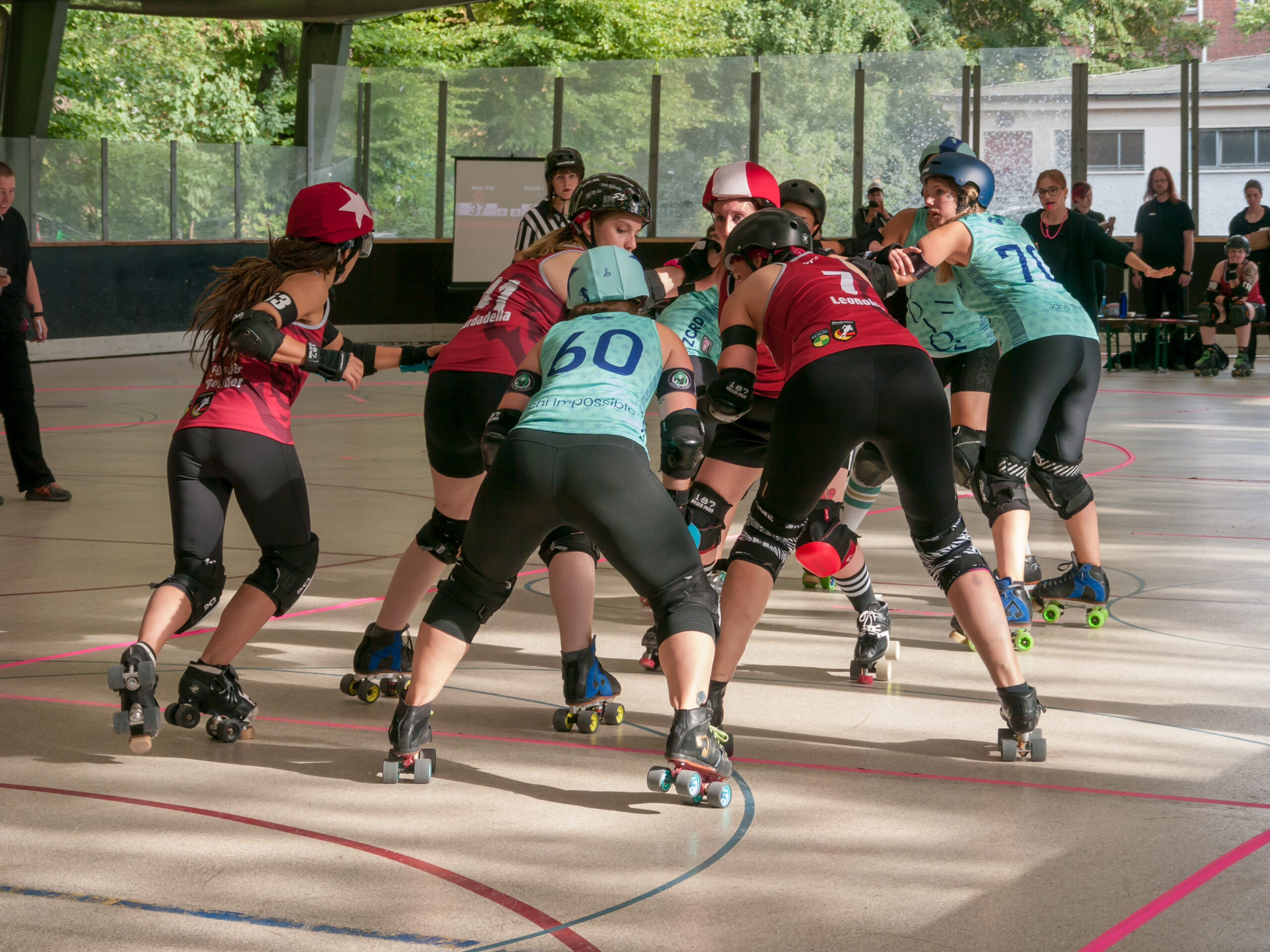
Seltzer noticed what put butts in seats: contact. So he rewrote the rules to emphasize it. By the late 1930s, roller derby had evolved from an endurance race into a team-based contact sport. Two teams. A banked oval track. “Jammers” who scored points by lapping opponents. “Blockers” who stopped them with whatever force they could muster. It was organized chaos on eight wheels, and America loved it.
Through the ’40s, ’50s, and ’60s, roller derby was massive. The sport filled Madison Square Garden. It had regular national television coverage. Stars like Joan Weston — the “Blonde Bomber” — were genuine celebrities. Weston was arguably the first female professional athlete to become a household name, pulling in fans who’d never watched any other sport. She was tough, charismatic, and could skate like she was born on wheels.
The Spectacle Era: When Roller Derby Got Weird
By the 1970s, roller derby had fully embraced its theatrical side. Like everything in 80s spectacle culture, it went big, loud, and over the top. The line between sport and entertainment got blurry, then disappeared completely. Skaters adopted personas. Rivalries were scripted. Fights were choreographed — or at least encouraged. The sport borrowed heavily from professional wrestling, which was booming on television at the same time.
The Los Angeles Thunderbirds became the sport’s flagship team, and their bouts were televised throughout Southern California. The T-Birds had heroes and villains, storylines and feuds, and a fanbase that showed up with the energy of a rock concert. On the track, the action was a mix of genuine athletic skill and hammy showmanship. A skater might execute a beautiful whip around the outside of the pack and then “accidentally” clothesline an opponent who’d insulted her in a pre-match interview. The fans ate it up.
This blend of real skill and scripted drama was a tough needle to thread. Purists hated the theatrics. Casual fans didn’t care about the skating — they wanted the fights. Television executives wanted ratings, which meant more drama, more crashes, more spectacle. The sport kept escalating, and it was only a matter of time before someone decided that a regular banked track wasn’t enough.
RollerGames: The Wall of Death and Pure Television Madness
In 1989, someone with either incredible vision or a serious head injury pitched a TV show concept: roller derby, but on a figure-eight track with a massive, nearly vertical wall on one side. Skaters would hit the Wall of Death at full speed, and the ones who made it over scored bonus points. The ones who didn’t? They slid back down to the track, sometimes gracefully, often face-first. And oh yeah — there was an alligator pit at the center of the track, because apparently the 14-foot wall wasn’t dangerous enough on its own.
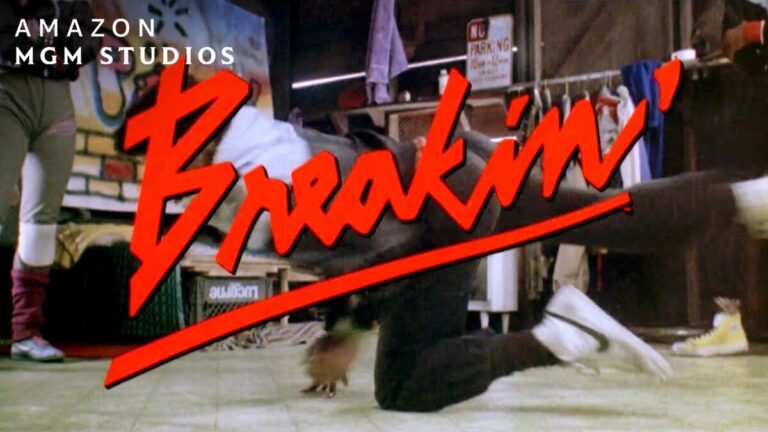
This was RollerGames, and it was the most beautifully insane thing ever broadcast on American television. The show premiered on syndicated TV in September 1989 and featured six teams: the T-Birds, the Rockers, the Violators, the Hot Flash, the Sundowners, and the Maniacs. Each team had its own color scheme, personality, and roster of characters who were part athlete, part soap opera villain.
The Wall of Death was the centerpiece of the show, and it was genuinely terrifying. Picture a 14-foot-high ramp that curved almost completely vertical at the top. Skaters would get whipped toward it by their teammates — a “triple whip” involving three skaters launching the jammer at insane speed — and the jammer had to hit the wall, ride it to the top, and launch over the edge for points. The physics of this were horrifying. Skaters who lost momentum near the top would stall, then slide backward down the wall at gravity’s mercy.
The Characters and Chaos of RollerGames
Like any good ’80s spectacle, RollerGames lived and died on its personalities. Harold “Mr. Mean” Jackson was the show’s breakout villain — a massive presence on skates who’d launch opponents over the wall and into the pit with the subtlety of a wrecking ball. There was the legendary Ralphie Valladares, Georgia Hase, and the entire cast of skaters who committed to their characters with the intensity of Shakespearean actors, if Shakespeare wrote plays about people hitting each other on roller skates.
The trackside commentary was peak late-’80s cheese. Wally George, the confrontational right-wing talk show host, served as commentator and brought his own brand of over-the-top energy to the broadcast. Shelly Jamison handled trackside reporting, and the whole production had the same frenetic energy as the WWF shows of the era — pre-match interviews, feuds that carried over week to week, and “shocking” betrayals that kept viewers tuning in.
The figure-eight track itself was a engineering puzzle. Built inside the Super Roller Dome in San Pedro, California, it was the only facility that could accommodate the track’s footprint. This meant RollerGames couldn’t tour — a significant disadvantage compared to traditional roller derby. But the TV ratings were what mattered, and for a brief, shining moment, the ratings were good enough.
Why RollerGames Only Lasted One Season
Despite the spectacle — or maybe because of it — RollerGames lasted exactly one season. The show burned bright but burned fast. The production costs were massive. The figure-eight track and Wall of Death required constant maintenance. Insurance costs for a show where skaters regularly flew 14 feet through the air were, predictably, astronomical. And the novelty of the Wall wore off faster than expected. Once you’d seen ten skaters go over it, you’d kind of seen them all.
The show also struggled with the same identity crisis that had plagued roller derby for decades: was it a sport or entertainment? RollerGames went full entertainment, and while that made for great TV clips, it alienated the athletic credibility that could have sustained a longer run. When the ratings dipped, the economics didn’t work, and RollerGames was canceled after 13 episodes.
But here’s the thing: everyone who watched it remembers it. RollerGames was the kind of fever dream that only the late ’80s could produce — an era where 80s workout culture, neon everything, and maximum excess were the default settings. It was too weird to last and too wild to forget.
The Quiet Years and the Flat Track Revolution
After RollerGames, roller derby went dark. The ’90s were brutal for the sport. No TV deals. No arenas. Most of the veteran skaters retired. Roller derby became a nostalgia punchline — something boomers remembered from the ’70s and younger people knew only as a vague reference in pop culture. “Oh, roller derby? Like with the big hair and the fighting?” Basically, yeah.
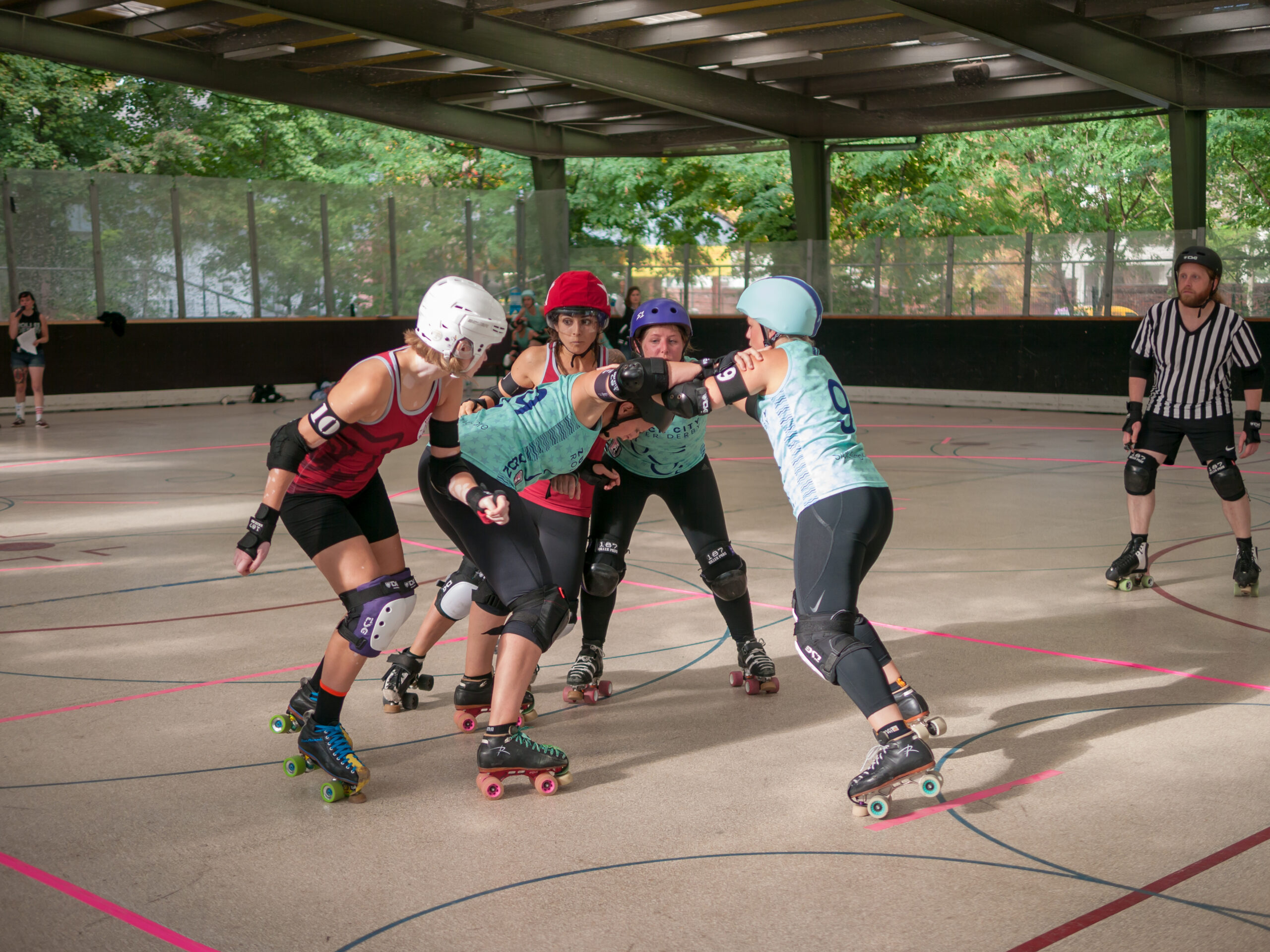
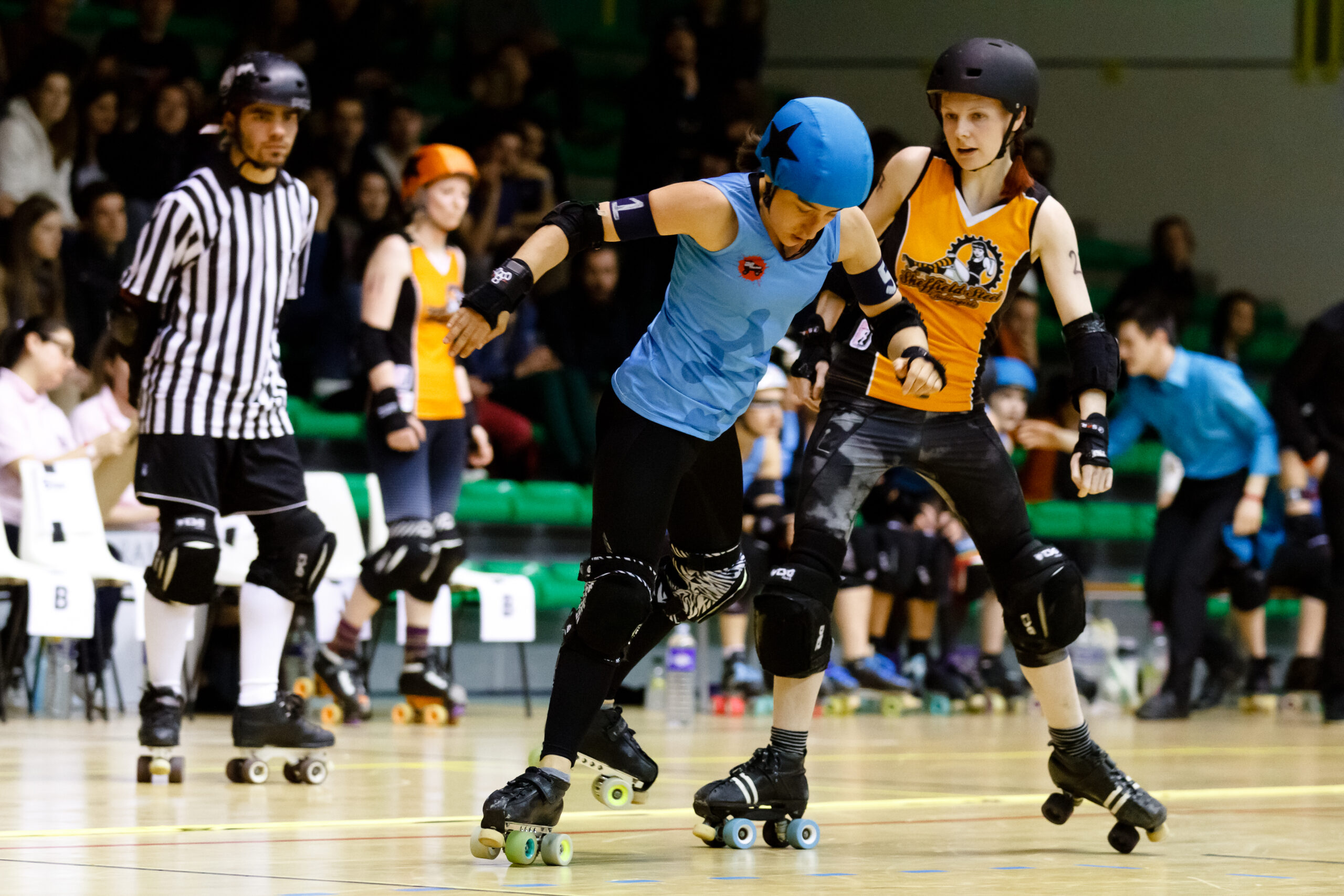
Then, in 2001, something unexpected happened in Austin, Texas. A group of women decided to bring roller derby back, but on their own terms. They formed the Texas Rollergirls, and the modern flat-track roller derby movement was born. These weren’t scripted bouts with theatrical villains. This was real, full-contact, athlete-driven competition. The track was flat — no banking, no walls, no gimmicks. Just skill, speed, and strategy.
The revival spread fast. By the mid-2000s, leagues were popping up in cities across the country and eventually the world. The Women’s Flat Track Derby Association (WFTDA) was established in 2004 and brought standardized rules, rankings, and a championship tournament. The sport went from dead-and-buried to international phenomenon in about five years.
What made the revival stick was its grassroots DNA. Unlike the old televised spectacle, modern roller derby was owned by its skaters. Leagues were skater-run, skater-governed, and skater-funded. It attracted a community that was fiercely independent, inclusive, and committed to treating roller derby as a real sport with real athletes. The costumes and personas stuck around as part of the culture, but the skating? The skating was legit.
The Sport Today: Bigger, Faster, and Real
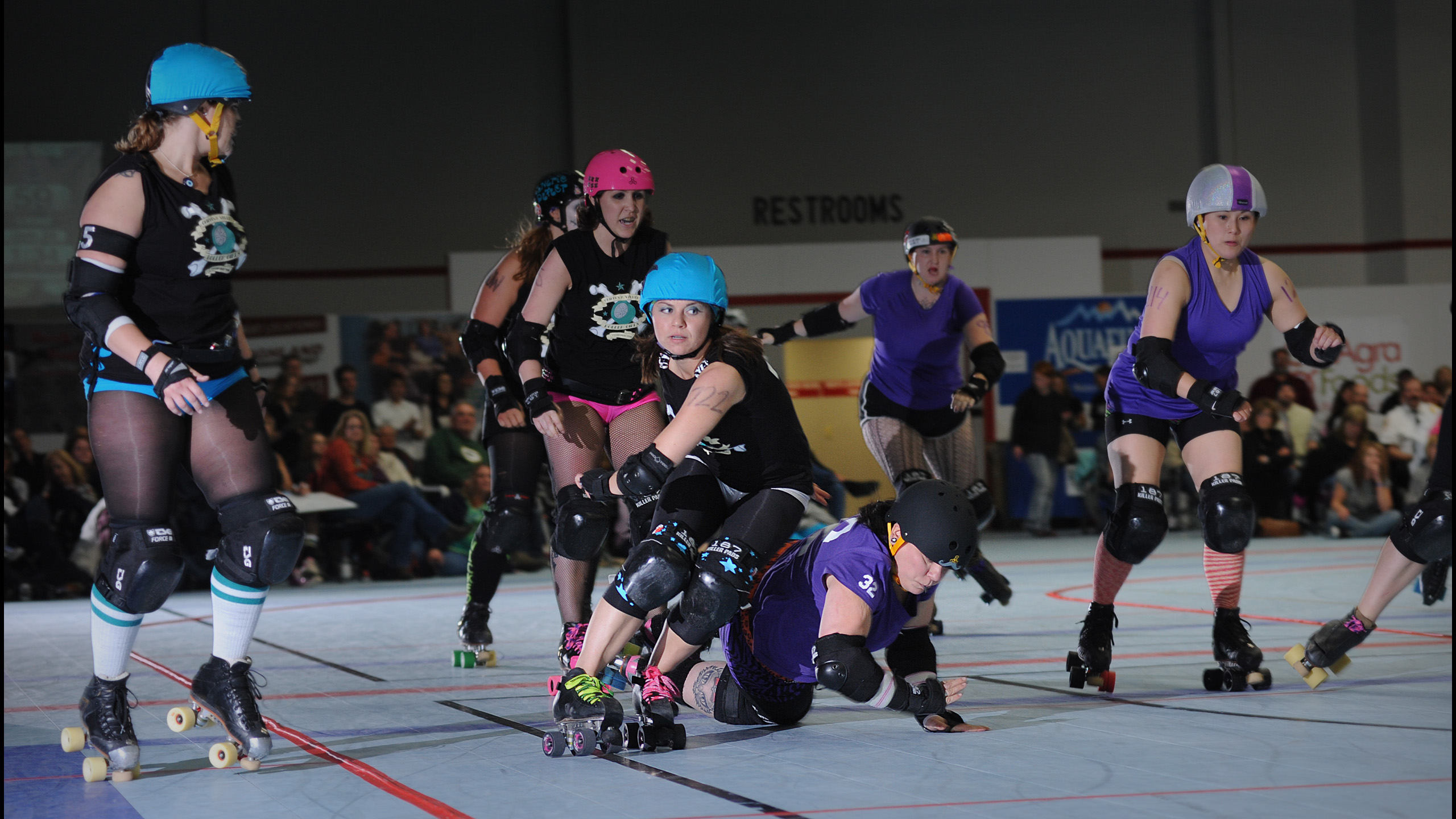
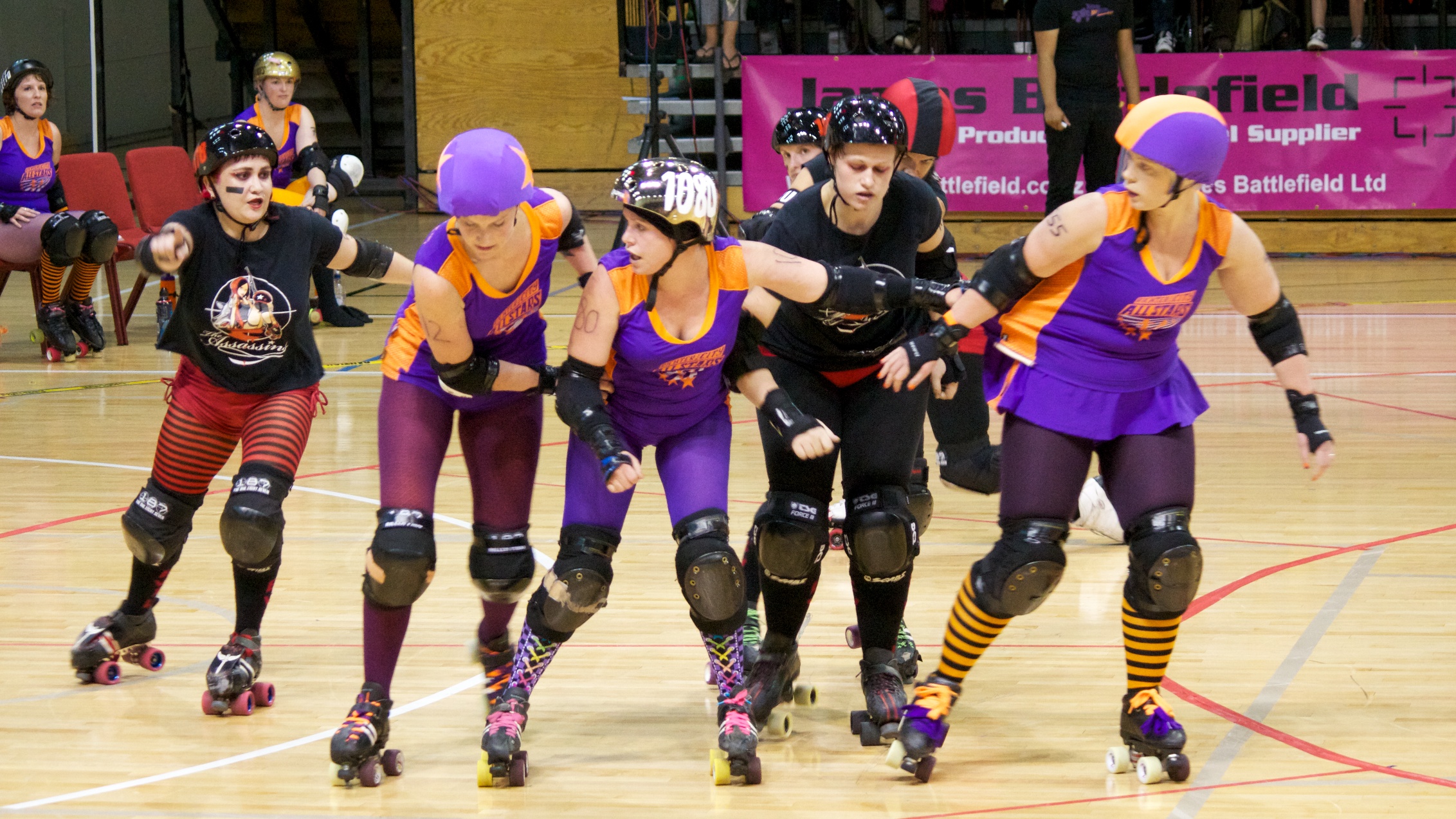
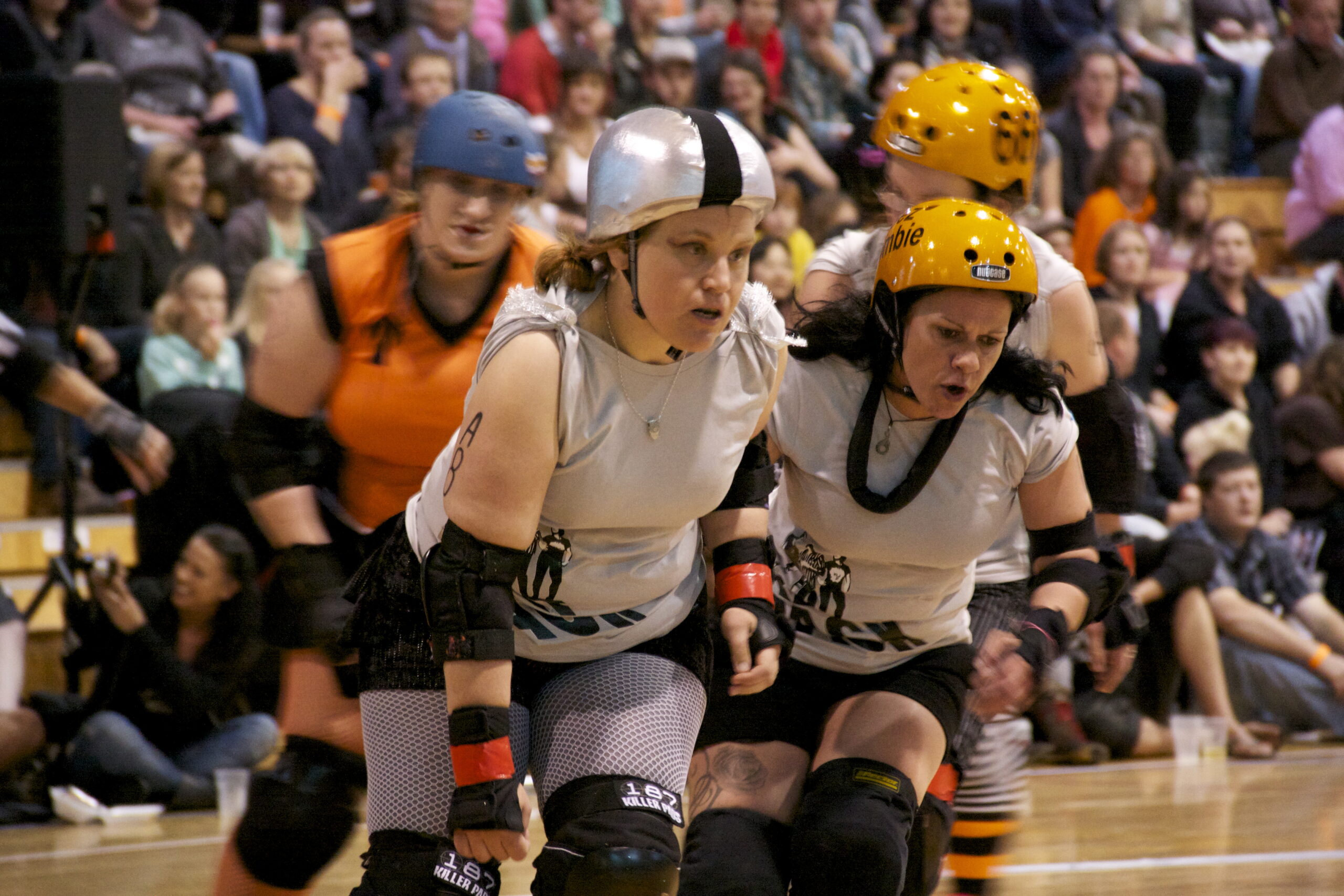
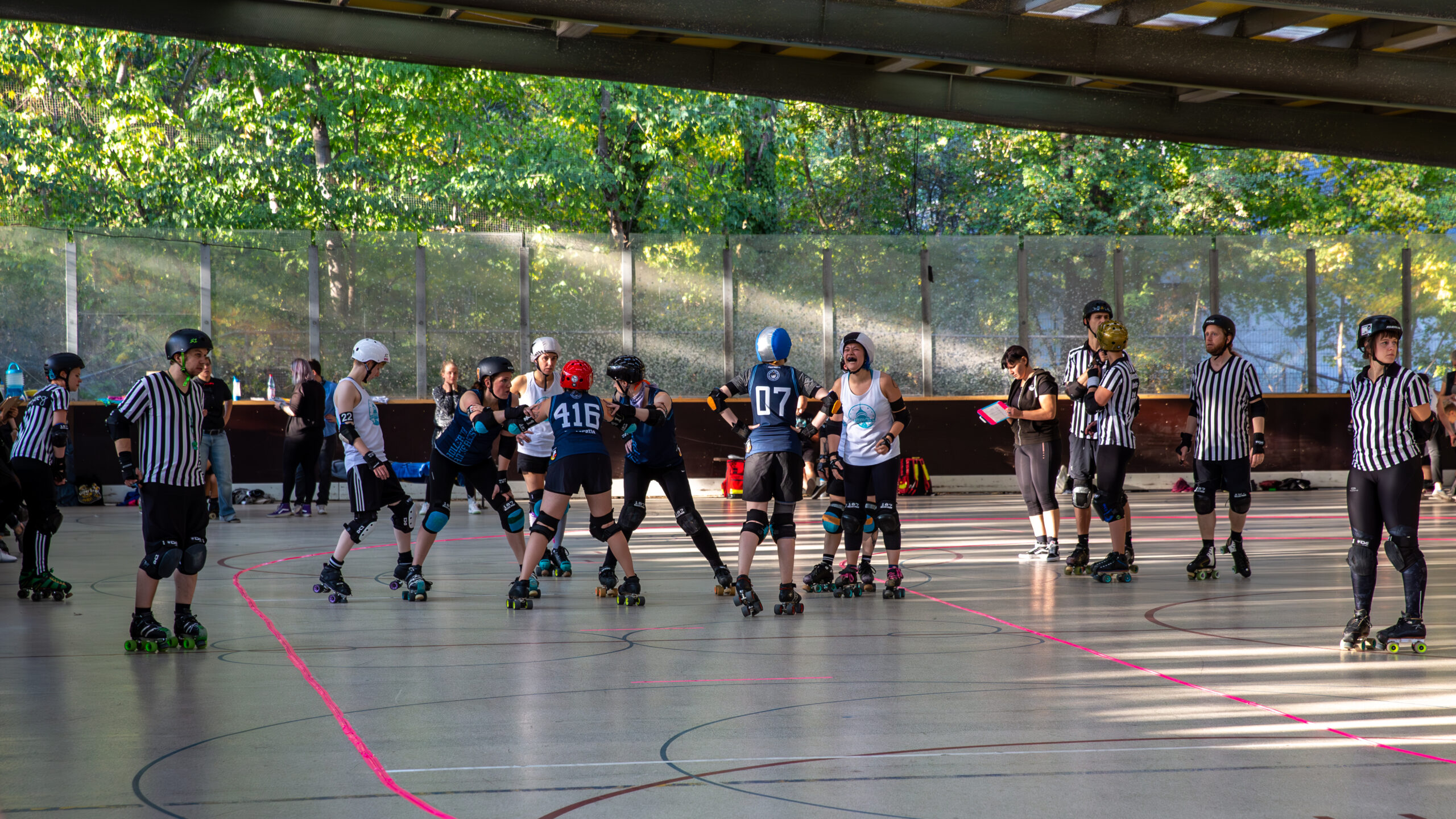
Modern roller derby looks nothing like the theatrical spectacles of the RollerGames era, and that’s mostly a good thing. Today’s jammer skating through a pack of blockers at 25 mph is doing it with genuine skill against genuine opposition. The hits are real. The strategies are complex. The athletes train year-round, and the level of competition at WFTDA championships is genuinely world-class.
The sport has expanded globally, with competitive leagues in Europe, Australia, South America, and Asia. Roller Derby World Cups have featured teams from dozens of countries, with rivalries between the US, Australia, and England providing legitimate drama — the non-scripted kind. The athleticism required is extraordinary: skaters need speed, endurance, agility, and the ability to take and deliver full-contact hits at high velocity while balanced on eight wheels.
There’s still a showmanship element — skater names like “Bonnie Thunders,” “Scald Eagle,” and “Freight Train” carry on the tradition of larger-than-life personas. But the skating ability behind those names is the real draw. It’s like the best of 80s entertainment excess merged with legitimate athletic competition.
RollerGames: The Legacy of Beautiful Madness
The 1989 RollerGames show lasted 13 episodes and should have been forgotten. Instead, it became a cult classic. Remastered episodes now air on YouTube and Fox Sports, finding new audiences who can’t believe this thing was real. The Wall of Death. The alligator pit. Wally George screaming into a microphone. Harold Jackson launching people into orbit. It was everything ridiculous about late ’80s television distilled into one glorious package.
And that’s the beautiful thing about roller derby’s story. It’s been an endurance contest, a soap opera, a television spectacle, a punchline, and a legitimate sport — sometimes all within the same decade. From Leo Seltzer’s Depression-era brainchild to the WFTDA world championships, from the Blonde Bomber to Bonnie Thunders, from the Wall of Death to the flat track — roller derby refuses to die. It just keeps reinventing itself, strapping on its skates, and daring you to look away. You won’t. You can’t. That’s the whole point.