How Native Tongues Turned Hip-Hop Into a Family Reunion
Before crews were rivals, they were cousins. Here’s how De La Soul, A Tribe Called Quest, the Jungle Brothers, and Queen Latifah built the most laid-back empire in Golden Age hip-hop.
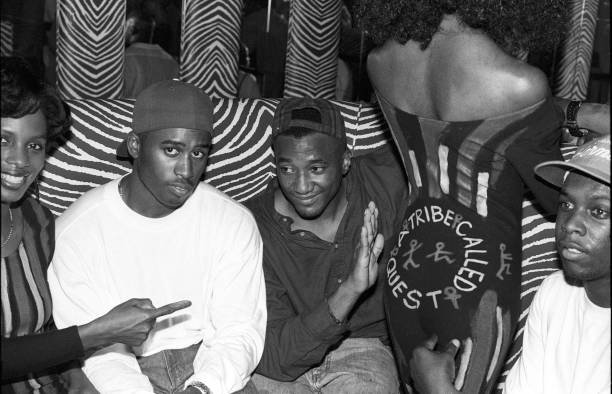
Before crews were rivals, they were cousins. Here’s how De La Soul, A Tribe Called Quest, the Jungle Brothers, and Queen Latifah built the most laid-back empire in Golden Age hip-hop.

Before he was The Notorious B.I.G., Christopher Wallace was working a corner in Bed-Stuy. Here’s how Ready to Die and Sean Combs turned him into Golden Age hip-hop’s biggest voice.
Before he was a solo superstar, Tupac Shakur was a roadie and backup dancer for a goofy Oakland funk-rap crew fronted by a man in a fake nose. Here’s how Digital Underground’s Humpty Dance opened the door.

A flop debut, a basement studio in New Jersey, and an unplanned cover of a Roberta Flack song turned the Fugees into the golden age’s biggest crossover act — and broke them up within a year of the top.

In 1992, a shoestring-budget crew from Staten Island signed a record deal nobody else dared to write. Here’s how that one contract clause let nine MCs flood the Golden Age with solo classics.
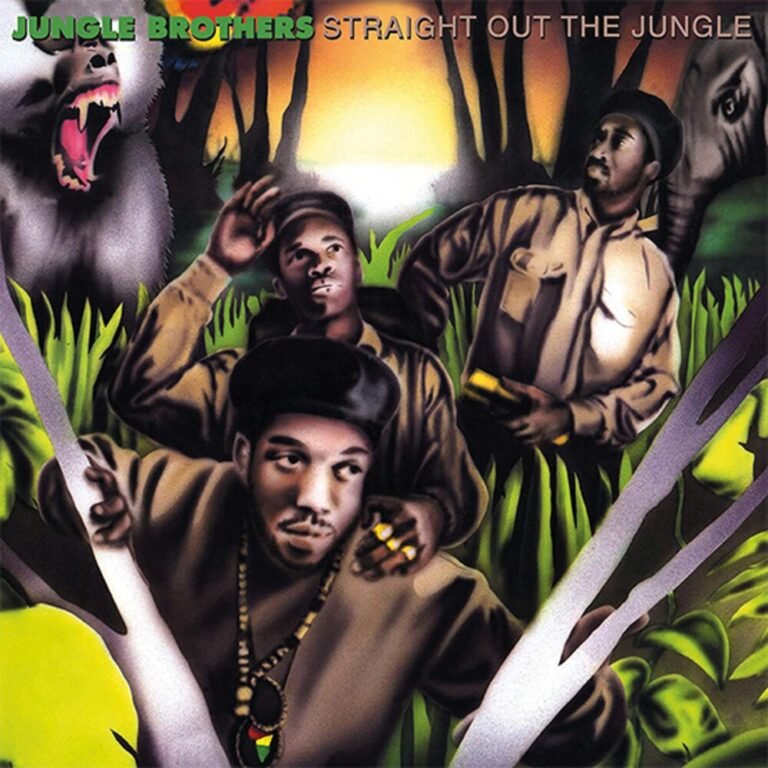
Long before hip-hop split into charts and camps, a loose family of Queens and Brooklyn rappers proved the genre could be strange, tender, and jazzy all at once. This is the story of the Native Tongues.

Before Pro Tools, before laptops, an obscure 12-bit drum machine called the E-mu SP-1200 gave Golden Age hip-hop its dusty, chopped-up soul. Here’s how a sampler with a ten-second memory limit built the sound of a decade.
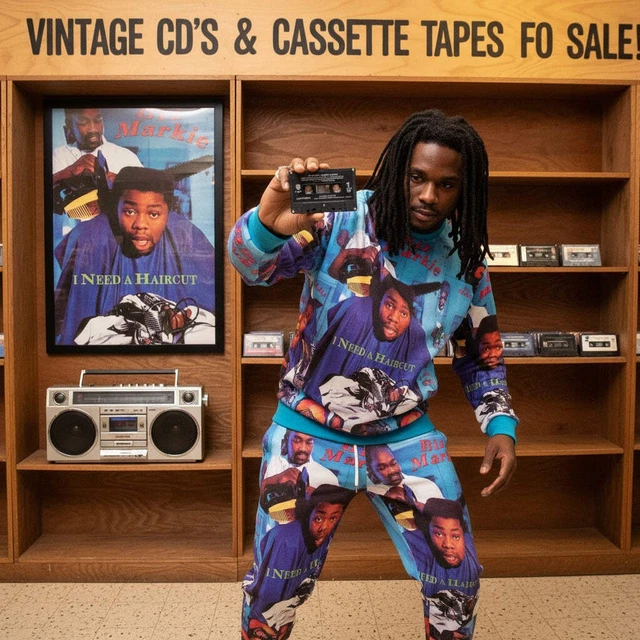
In 1991, a federal judge pulled Biz Markie’s album off shelves over an uncleared sample — a courtroom fight that quietly forced Golden Age hip-hop to change how it was made.

From ‘Ladies First’ to five Grammy wins in a single night, the women of Golden Age hip-hop weren’t in the background of the 90s rap scene. They were running it.

Before podcasts, before social media, before citizen journalism had a name, MCs were filing dispatches from America’s forgotten cities. Here’s how golden age hip-hop became the decade’s most honest news source.

The MCs got the credit. But before the mic, there was the beat — and the producers who built it changed American music forever.

From Public Enemy to A Tribe Called Quest, the conscious rappers of the Golden Age used the microphone to say what the nightly news wouldn’t — and built a movement that still echoes.