
How the ’90s Turned the Rap Album Into a Masterpiece
In the Golden Age of hip-hop (1990–1999), the rap album stopped being a bag of singles and became a start-to-finish work of art — from Illmatic to 36 Chambers.

In the Golden Age of hip-hop (1990–1999), the rap album stopped being a bag of singles and became a start-to-finish work of art — from Illmatic to 36 Chambers.

Illmatic, Ready to Die, and a run of debut albums that no year has topped since. Here’s why 1994 stands as the peak of Golden Age hip-hop.
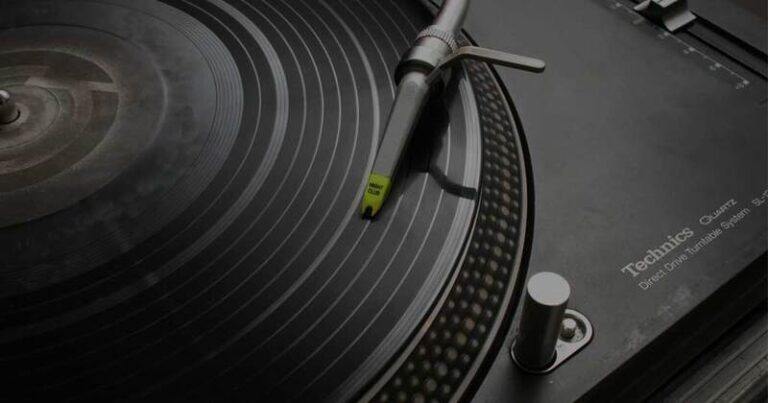
The Golden Age of hip-hop wasn’t just about the rappers. It was built by producers hunched over dusty vinyl and cheap drum machines, chopping soul records into the boom bap sound that still rules headphones today.

While the airwaves filled with hardcore posturing, a loose crew of Long Island and Bronx kids dressed in daisies and dashikis quietly rewired what Golden Age hip-hop could be about.
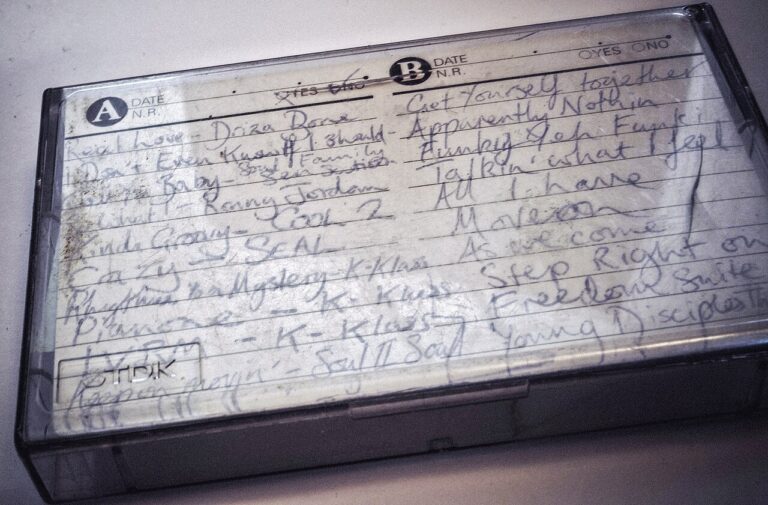
Before streaming, a $10 cassette from a folding table on Canal Street could break a rapper’s career. Inside the mixtape underground that powered Golden Age hip-hop.

Before streaming, before the internet, one afternoon show taught suburban Gen X kids the language of Golden Age hip-hop (1990-1999). Here is how Yo! MTV Raps did it.
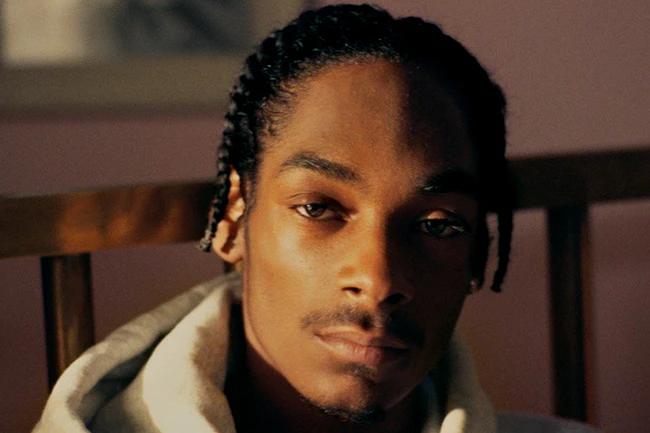
How a run of landmark debuts — The Chronic, Illmatic, Ready to Die, Doggystyle — turned 1990s rap into the Golden Age of hip-hop, one classic at a time.
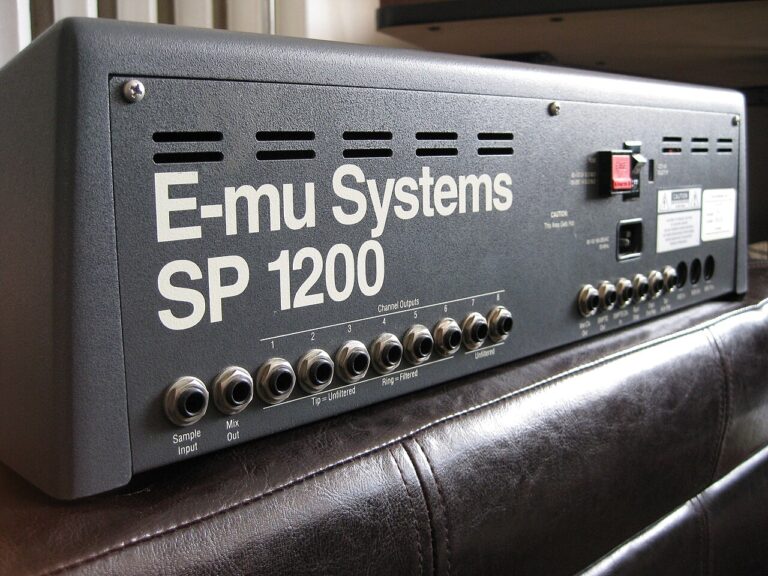
The Golden Age of hip-hop (1990–1999) wasn’t just great rappers — it was crate diggers, dusty drum machines, and producers who turned old vinyl into new gold.
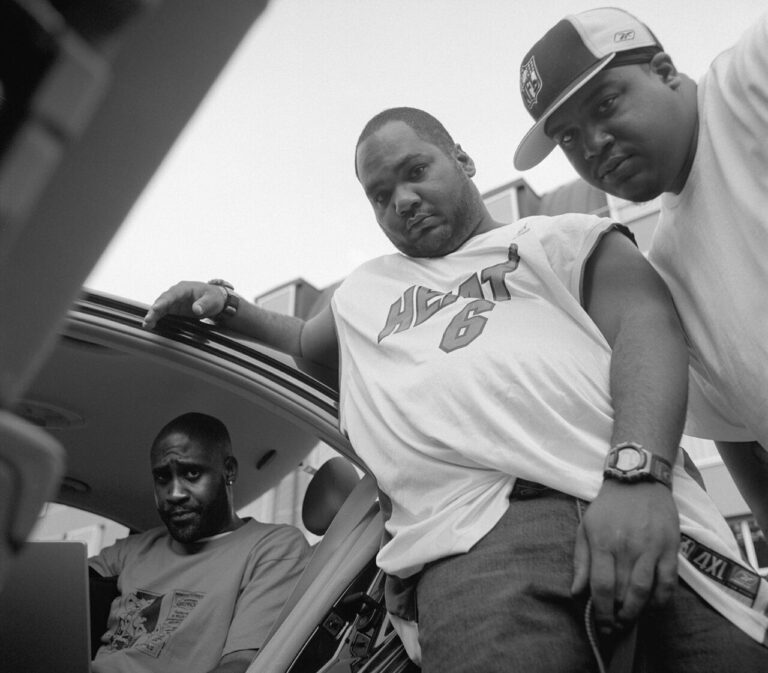
The Golden Age of hip-hop (1990–1999) wasn’t built by lone geniuses — it ran on crews. Inside the collectives, camps, and clans that turned the decade into rap’s greatest era.

New York, Los Angeles, and Atlanta each built a sound of their own — and the friction between them made the 90s the golden age of hip-hop.

Between 1990 and 1999, Golden Age hip-hop stopped bragging and started narrating — turning rappers like Nas, Biggie, and the Wu-Tang Clan into the great American storytellers of the decade.
The Golden Age hip-hop era ran on two machines and a crate of dusty records. Here’s how the SP-1200, the MPC, and a handful of obsessive producers built the sound of 90s rap.