
How Native Tongues Turned Hip-Hop Into a Family Reunion
Before crews were rivals, they were cousins. Here’s how De La Soul, A Tribe Called Quest, the Jungle Brothers, and Queen Latifah built the most laid-back empire in Golden Age hip-hop.
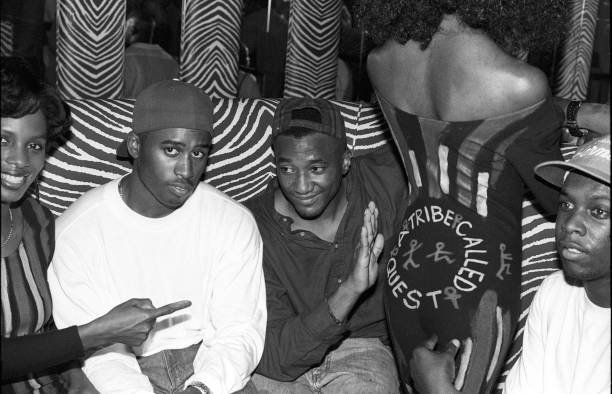
Before crews were rivals, they were cousins. Here’s how De La Soul, A Tribe Called Quest, the Jungle Brothers, and Queen Latifah built the most laid-back empire in Golden Age hip-hop.

Before Pro Tools, before laptops, an obscure 12-bit drum machine called the E-mu SP-1200 gave Golden Age hip-hop its dusty, chopped-up soul. Here’s how a sampler with a ten-second memory limit built the sound of a decade.

In the golden age of hip-hop, no year burned brighter than 1994. Illmatic, Ready to Die, OutKast’s debut — how twelve months became a generation’s soundtrack.
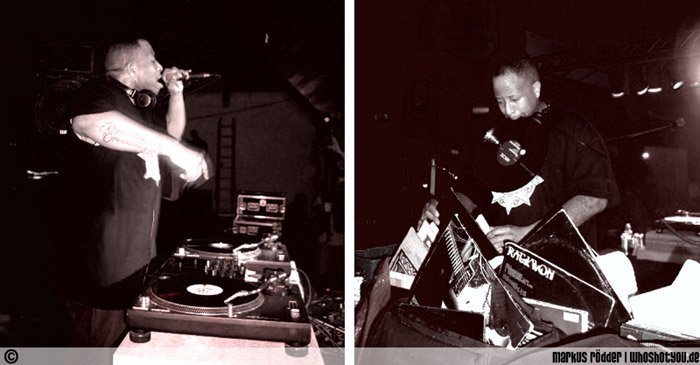
Before the MCs stepped to the mic, the producers had already built the world. DJ Premier, Pete Rock, Q-Tip, RZA, and J Dilla didn’t just make beats — they created the sonic architecture of hip-hop’s greatest decade.

DJ Premier, Pete Rock, RZA, and a handful of other producer-geniuses quietly assembled the sonic blueprint for the greatest decade in rap history. Here’s how they did it.
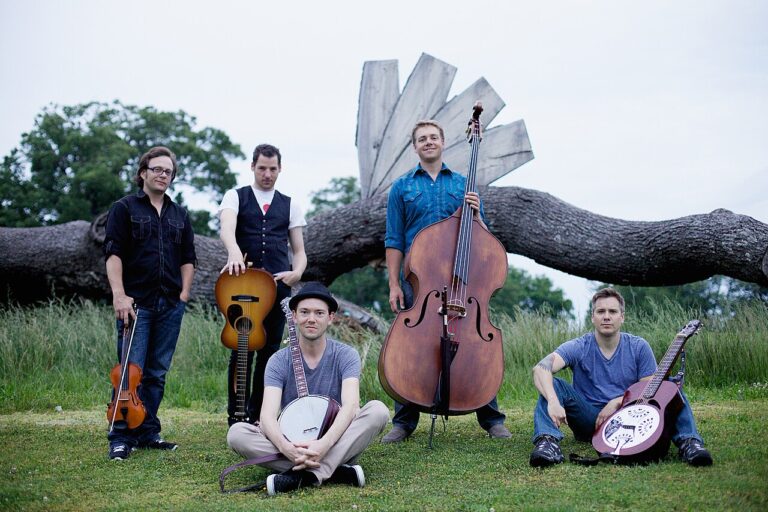
In the Golden Age of hip-hop (1990–1999), the rap album stopped being a bag of singles and became a start-to-finish work of art — from Illmatic to 36 Chambers.

Illmatic, Ready to Die, and a run of debut albums that no year has topped since. Here’s why 1994 stands as the peak of Golden Age hip-hop.
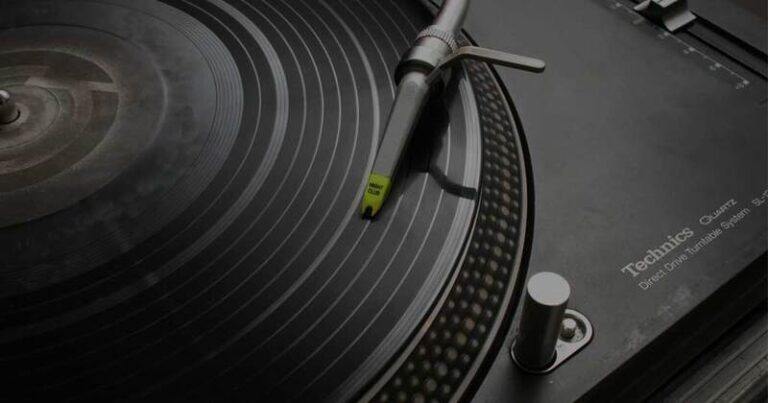
The Golden Age of hip-hop wasn’t just about the rappers. It was built by producers hunched over dusty vinyl and cheap drum machines, chopping soul records into the boom bap sound that still rules headphones today.
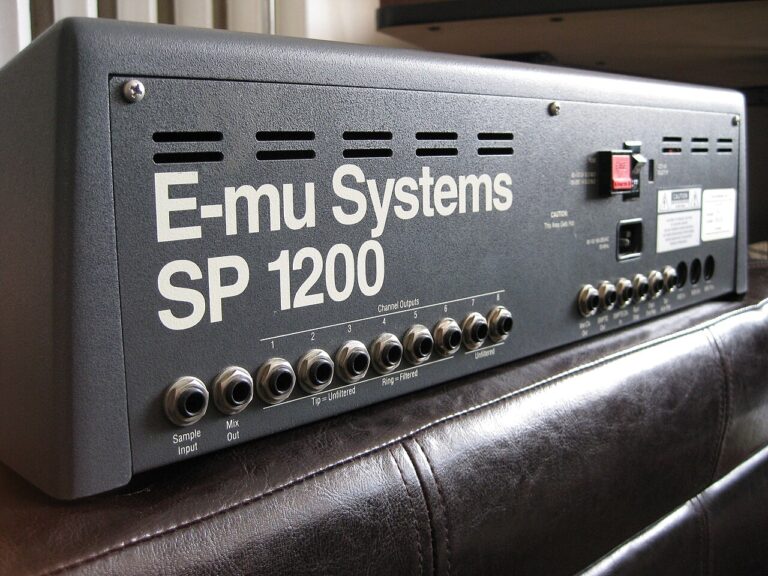
The Golden Age of hip-hop (1990–1999) wasn’t just great rappers — it was crate diggers, dusty drum machines, and producers who turned old vinyl into new gold.
The Golden Age hip-hop era ran on two machines and a crate of dusty records. Here’s how the SP-1200, the MPC, and a handful of obsessive producers built the sound of 90s rap.