
Gen Z Found Grunge in the Thrift Aisle and Never Looked Back
The grunge resurgence in 2020s fashion didn’t start on a runway. It started on Depop, in thrift bins, and on TikTok feeds full of Doc Martens and your dad’s old flannel.
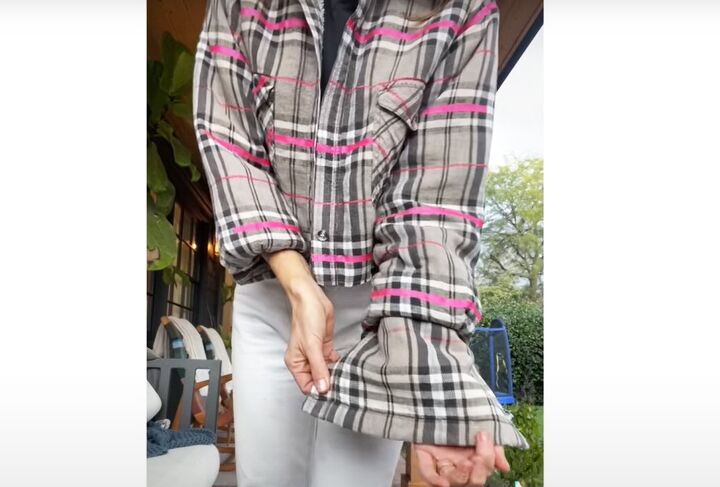
The grunge resurgence in 2020s fashion didn’t start on a runway. It started on Depop, in thrift bins, and on TikTok feeds full of Doc Martens and your dad’s old flannel.
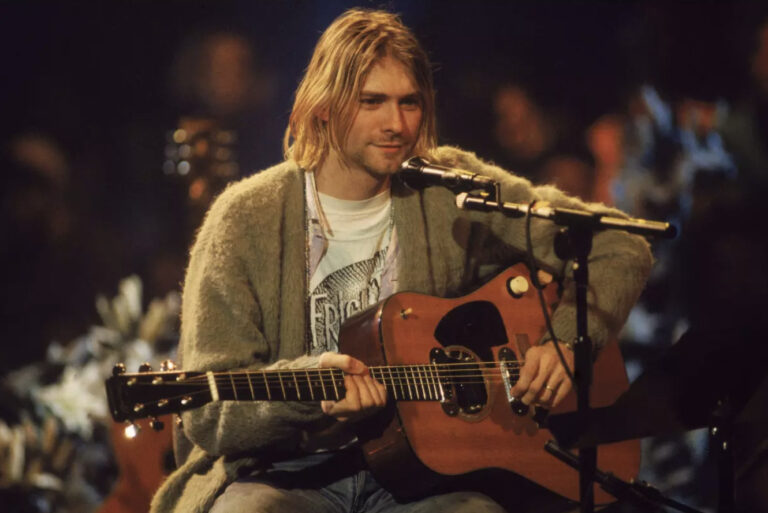
The fashion press declared grunge dead in 1996. Hot Topic, Dr. Martens, and every suburban mall kept selling it anyway. Here’s how a Seattle look quietly outlasted every trend cycle of the last thirty years and ended up back on the runway in 2024.

The grunge resurgence in 2020s fashion has reached photo-finish accuracy — pull up a shot from Lollapalooza 1993 and a clip from last summer’s Glastonbury and you’ll have to check the date stamp to tell which is which.
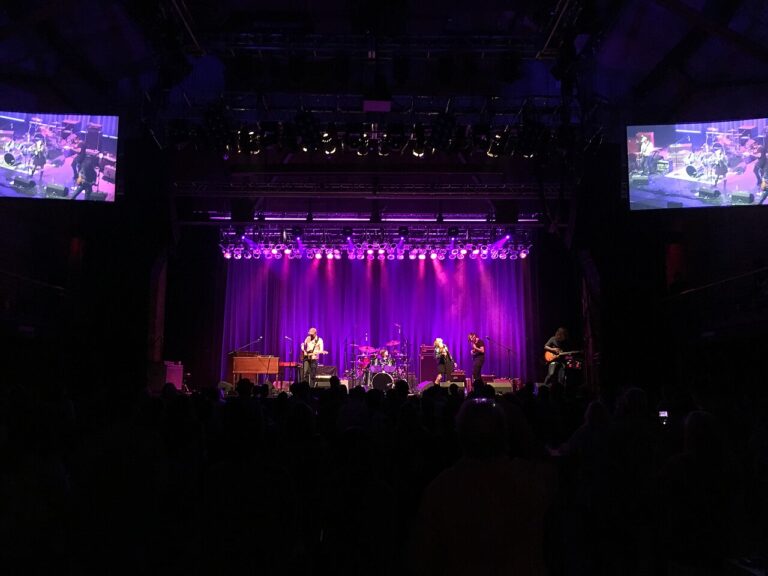
Every time the economy cracks, grunge crawls back out. It happened in 1991. It is happening again in 2024. The flannel knows something we don’t.
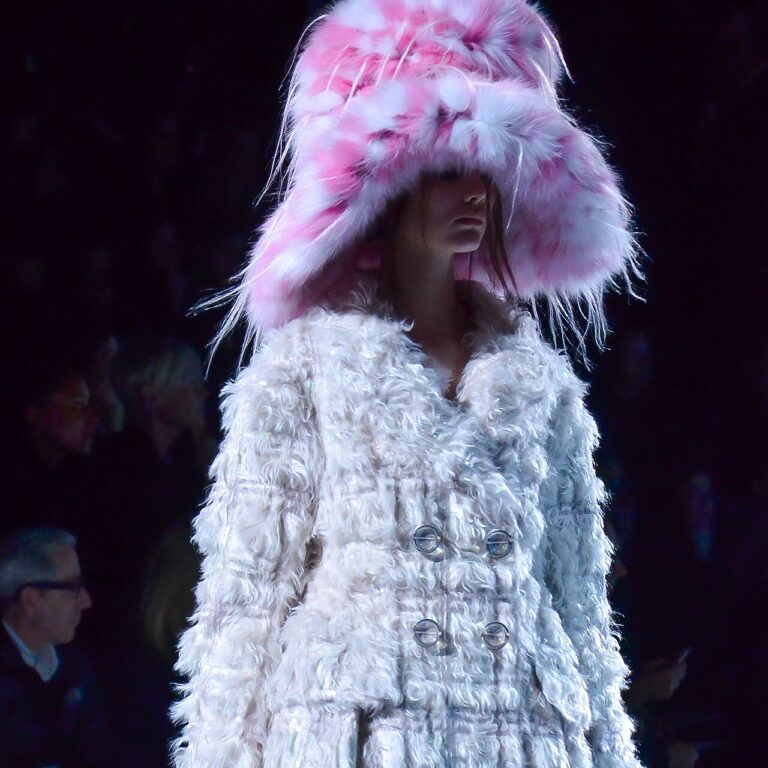
In 1993 Marc Jacobs lost his Perry Ellis job for sending grunge down the runway. Thirty-one years later, the same slip dresses and flannel are everywhere — and the industry is finally calling him a prophet.
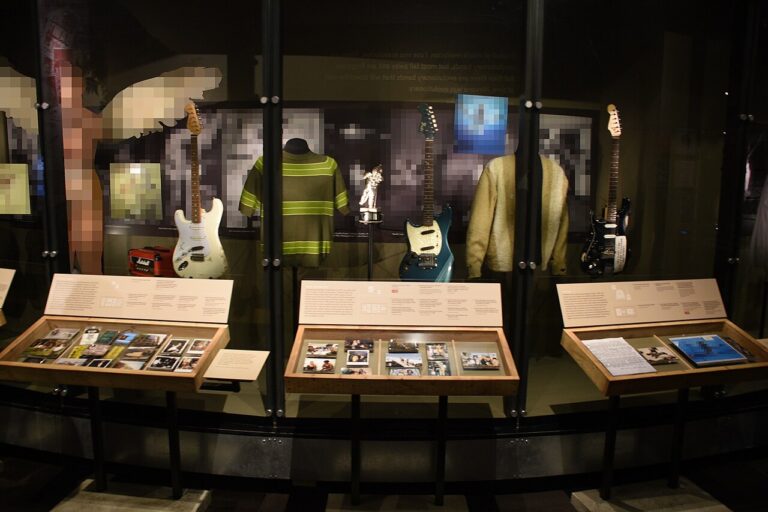
A breakdown of Kurt Cobain’s accidental uniform — the olive cardigan, the striped tees, the ripped Levi’s, the busted Chuck Taylors — and how a wardrobe built entirely from thrift store racks became the most imitated look of the decade.

From Sub Pop basements to MTV Unplugged stages, grunge was the 90s’ loudest exhale. A walking tour of the music, fashion, and culture that defined a generation.
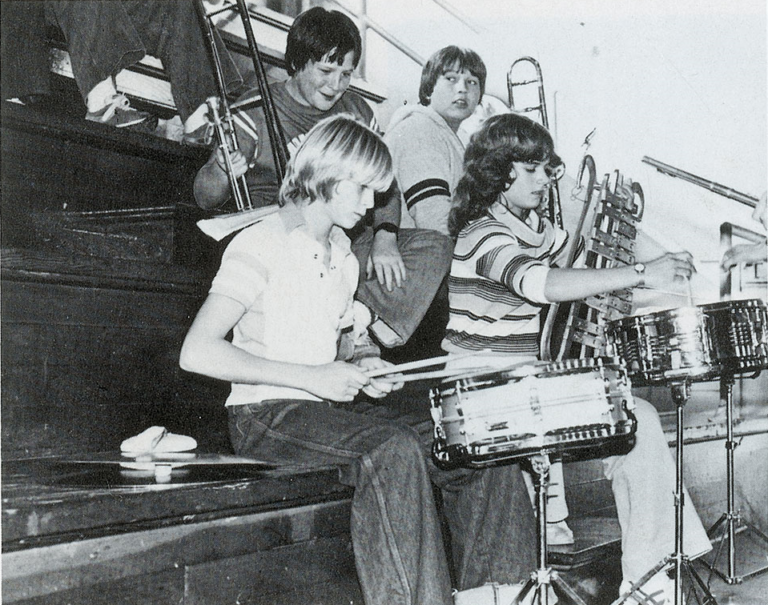
A no-BS field guide to grunge — the bands, the secondhand flannel, and the Gen X mood that rewired the 90s in about three years flat.

Grunge owned the early 90s — flannel, feedback, and a generation’s bad mood. Then it imploded almost as fast as it landed. Here’s how it lived and why it died.
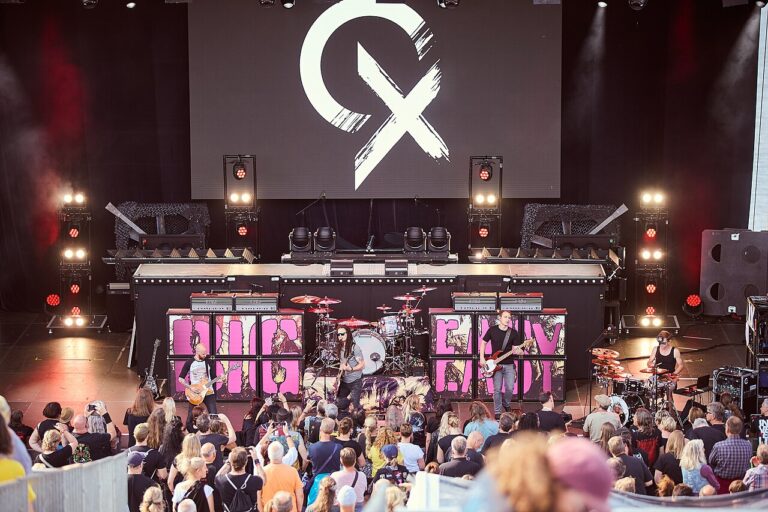
From Aberdeen basements to MTV’s Buzz Bin, grunge took over the 90s in flannel and feedback. Here’s the complete guide to the records, the rags, and the rebellion that rewrote rock.
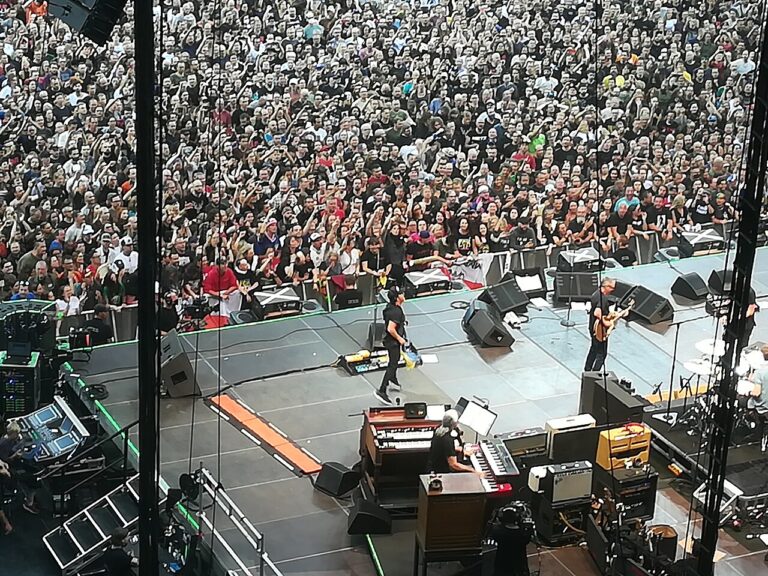
How four bands, one rainy city, and a thrift-store wardrobe rewired rock music and gave Generation X its soundtrack.
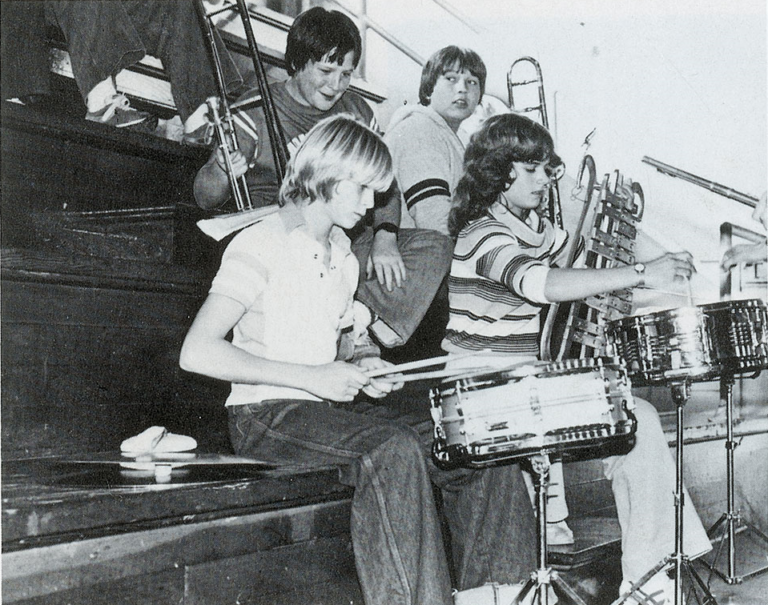
How a damp Seattle scene of thrift-store flannel, distortion pedals, and slacker fury wiped out hair metal and rewrote the soundtrack of the 90s.